Why "Zhanxi Watch Names" Are the Real Key to Your Sourcing Success
I've been standing behind this counter in Guangzhou's Zhanxi market for over fifteen years. You know, the place wher the air smells like hot oil and old leather, and the noise never really stops. When I hear foreign buyers asking about "Zhanxi watch names," they usually think it's a list of brands or model numbers. But let me tell you something straight from my experience: there is no such thing as an official "Zhanxi watch name." That's a myth created by people who have never stepped foot inside the market.
The truth is, the "names" you see on these watches are often just codes, nicknames, or factory slang that only makes sense if you're deep in the trenches here. If you walk in looking for a specific brand name, you'll get laughed at or sold a fake. The real game here is understanding the internal naming conventions of the factories. It's about knowing that "Factory A" calls their top-tier replica of a certain luxury diver "The Blue Beast," while "Factory B" calls the exact same movement setup "Ocean King." These aren't marketing slogans; they are operational identifiers. Understanding this distinction is the first step to avoiding the traps that cost new importers thousands of dollars.
Navigating the Physical Maze: Wher to Find the Real Goods
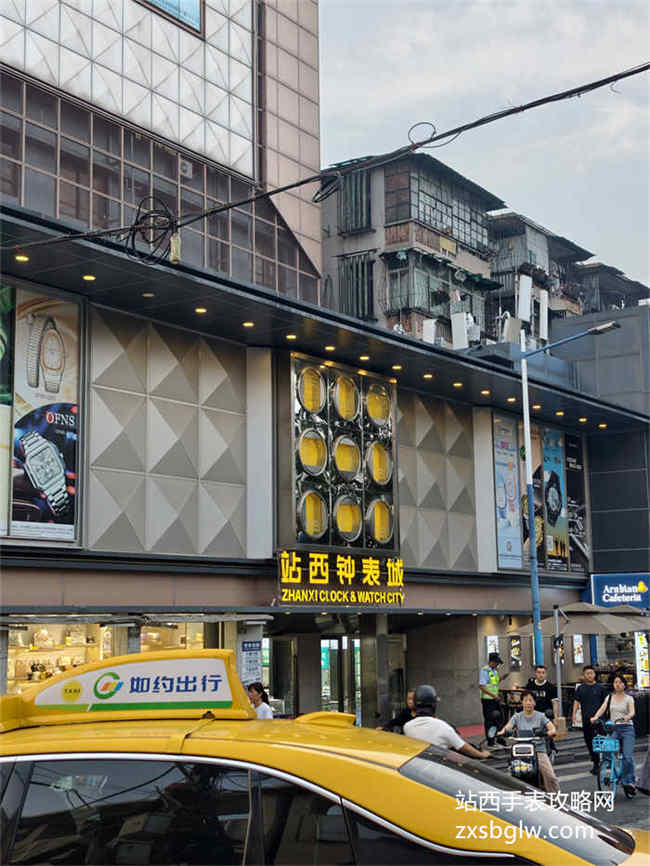
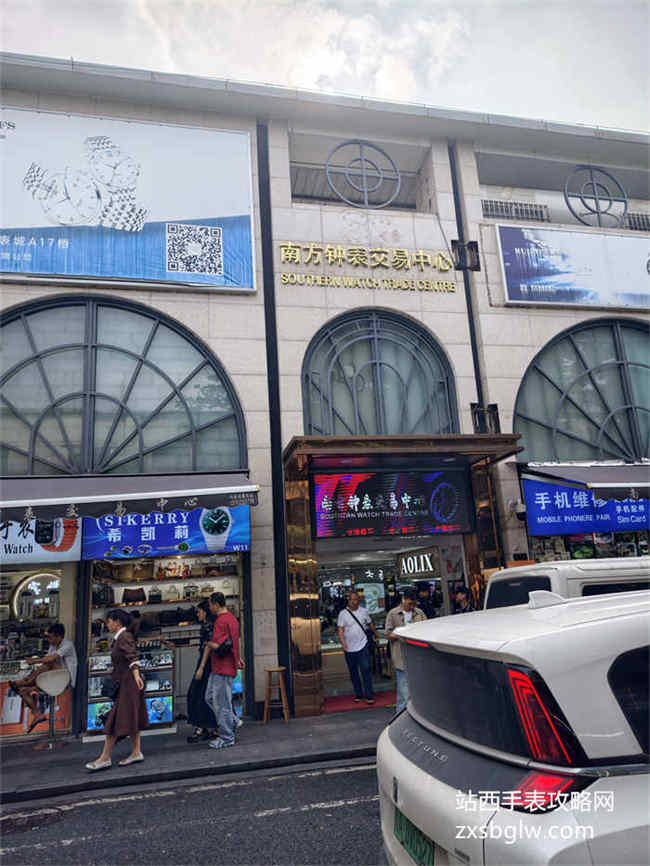
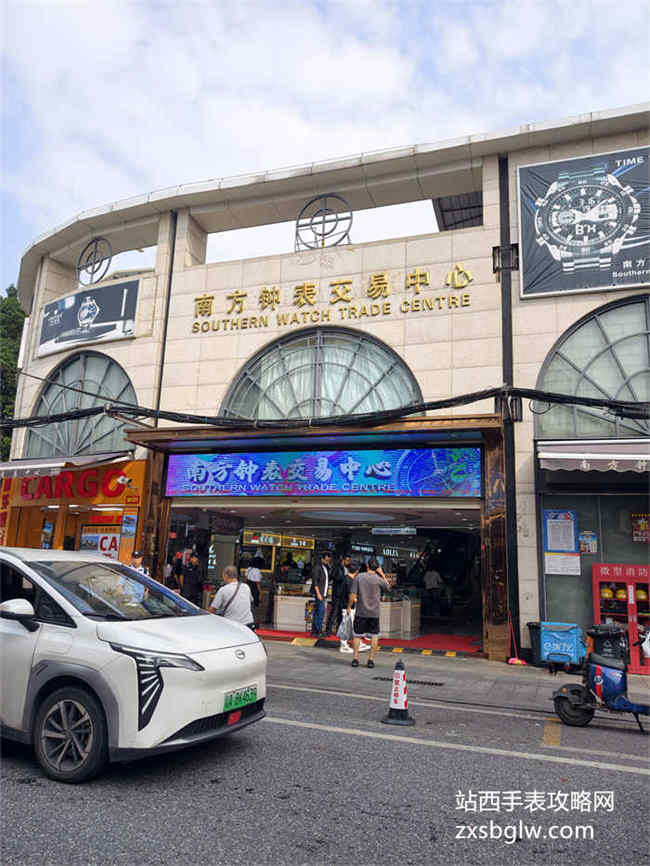
Let's talk about the layout. Most online guides will tell you to go to the main entrance, but that's wher the tourists go. The serious sourcing happens in the back alleys and the upper floors of buildings like the Xingfa Building and the nearby Shengda Plaza. I remember when I started, I wasted three months walking around the ground floor looking for high-quality movements. That was a mistake. The real action is on the 3rd and 4th floors, specifically in the corridor leading to the stairwell near the old coffee shop.
The Secret of the "No-Name" Counters
You won't find big neon signs here. The best counters look like small offices with glass display cases cluttered with boxes. When I ask a boss for a "name," he won't give you a brand. He'll pull out a notebook and say, "We have the 'V8' version and the 'New Gen' version." These are the actual product codes. For instance, if you want a Rolex Submariner clone, don't ask for the "Rolex." Ask for the "N Factory V9" or the "C Factory 1:1." These terms are the currency of our trade. They refer to specific manufacturing batches and quality tiers.
I once had a client from New York who insisted on buying "Rolex Watches" from a stall. The owner showed him a cheap $50 piece. The client was furious. Later, we went to a different stall on the 4th floor of Xingfa. The owner didn't even show a box. He just took out a movement and said, "This is the 3235 caliber, N Factory spec." We tested it, and it was perfect. The lesson? Stop looking for brand names and start asking for factory specs.
The Art of Inspection: Seeing What Others Miss
When you are physically here, your eyes are your most powerful tool. online photos can be edited, but the weight of a watch in your hand tells the truth. In Guangzhou, we weigh every single component. A genuine luxury watch has a specific heft due to the solid steel and sapphire crystal. Many of the lower-tier replicas feel light, almost hollow. I teach my buyers to hold the watch and tap it against the table. A dull thud means low-quality alloy; a sharp ring means good stainless steel.
Checking the Movement Through the Case Back
This is wher the "names" matter most. High-end factories use specific movements that they code internally. For example, the "7750" is a common base, but the "modified 7750" used by top-tier Guangzhou factories has a different rotor sound and finishing. When I inspect a batch, I open the case back and listen. If the rotor spins too loudly or feels gritty, it's a "low-spec" unit, regardless of what the seller claims. I also check the date wheel alignment. In the "top tier" versions, the date changes instantly at midnight. In the cheaper ones, it creeps slowly over an hour. This detail separates the $200 pieces from the $20 pieces.
I recall a time when a buyer wanted to order 50 units based on a photo. When they arrived, I opened one and found the date wheel was off-center. I told them, "This is the 'A-grade' stock, not the 'AA-grade'." They were shocked. The difference was subtle but critical. In this market, "Grade A" doesn't mean "good"; it means "standard." You need to push for "Grade AA" or "Grade AAA" to get the quality that actually sells overseas.
Negotiation and Avoiding the Pitfalls
Dealing with the bosses here is an art form. They are sharp, and they know exactly how much you know. If you act like a tourist, they will charge you double. If you speak their language—using terms like "MOQ," "lead time," and "factory direct"—they respect you. Never mention "brand names" in public. Keep it discreet. The market is crowded with undercover police and competitors. Talk about "the blue dial" or "the gold bezel" instead.
Real data: Price vs. Quality Reality
Let's look at some hard numbers. A standard "Zhanxi watch" with a basic movement might sell for $30-$50 wholesale. But the "N Factory" or "C Factory" versions with Swiss-style movements and sapphire crystals range from $150 to $300. The markup for retail in the US or Europe can be 3x to 5x. However, many buyers try to buy the $300 version for $50. That's impossible. If a deal sounds too good to be true, it's a scam. I've seen buyers lose money because they tried to squeeze the price down to the point wher the factory cut corners on the plating. The result? The watch turns green in two weeks.
My advice is simple: pay for the quality you need. Don't try to buy everything at the lowest price. Focus on your core SKUs. If you are selling to a niche market, invest in the higher-tier models. If you are targeting budget buyers, stick to the reliable mid-range options. Mixing them up without clear labeling leads to returns and bad reviews.
Summary of Sourcing Strategy
| Factor | Beginner Mistake | Pro Strategy (My Advice) |
|---|---|---|
| Terminology | Asking for Brand Names | Ask for Factory Codes (e.g., N Factory, C Factory) |
| Location | Ground Floor Main Entrance | 3rd/4th Floors of Xingfa/Shengda Buildings |
| Inspection | Relying on Photos | Physical Weight Check, Movement Sound, Date Wheel Alignment |
| Pricing | Chasing Lowest Price | Balancing MOQ with Quality Tier (AA vs A) |
Guangzhou's Zhanxi market is a beast. It's chaotic, loud, and incredibly rewarding if you know how to navigate it. The "names" you seek aren't on the tags; they are in the relationships you build and the details you notice. Don't be afraid to visit multiple stalls, compare the same model from different factories, and trust your instincts. When you walk away with a stack of boxes that you know are genuine high-quality goods, you'll understand why I've stayed here for so long. This isn't just business; it's a craft. Go out there, touch the metal, and listen to the heartbeat of the machine.
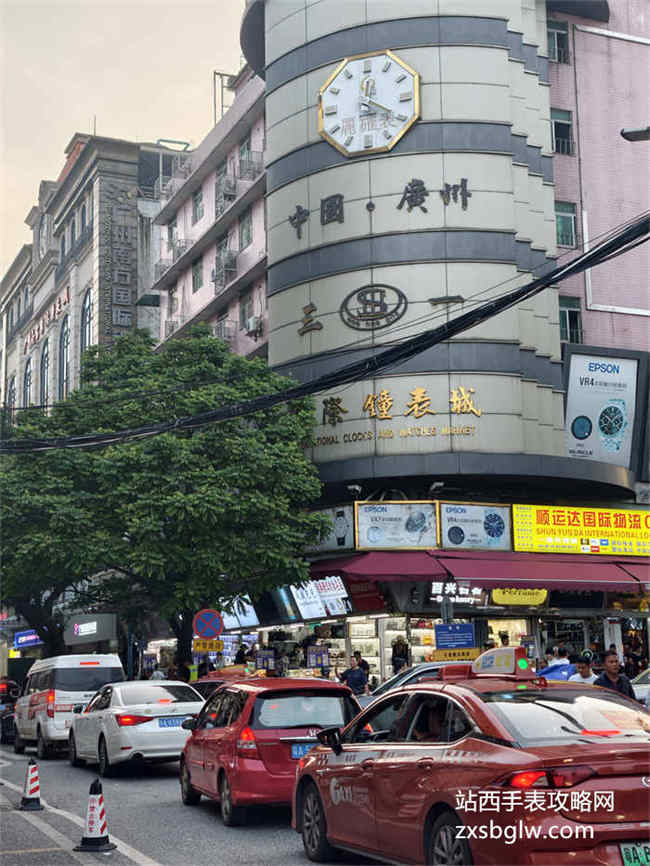
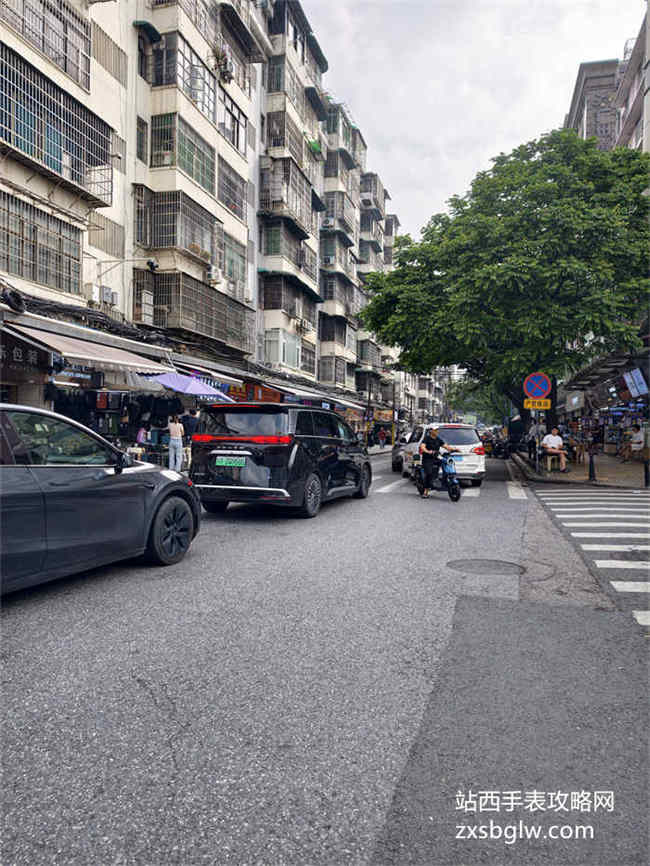
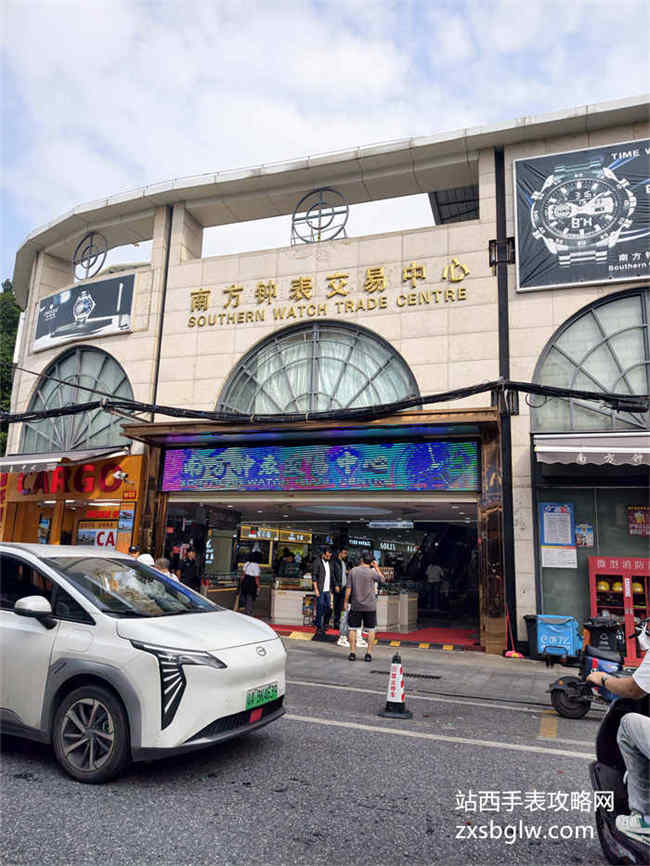
 On-site Visits
 Free Sharing
 Avoid Scams
 Updated Frequently
 For Reference Only