The Real Math Behind Station West Watch Margins
Welcome to the floor. I've been standing behind this counter in Guangzhou's Station West market for over fifteen years, watching the tide of tourists come and go while the real buyers—the ones who know how to count their pennies—keep coming back. You ask me about "Station West watch profit margins"? Let's cut through the noise right now. Most people think it's a magic trick wher you buy a $50 replica and sell it for $500. It is not. That is a fantasy sold by influencers who have never touched a single piece of hardware here.
The truth is, the margin isn't in the markup; it's in the selecion and the negotiation. If you walk in with a tourist mindset, you will get ripped off. If you walk in like a local merchant, you make money. The average cost for a high-quality "Grade A" movement replica here ranges from 180 RMB to 350 RMB (roughly $25 to $50 USD). But here is the kicker: if you don't know which factory makes the best clone of the Rolex Submariner or the Omega Seamaster, you might pay 400 RMB for a unit that only sells for 250 RMB on eBay because the movement fails after three months. That is wher the real profit dies.
Navigating the Labyrinth: Wher the Money Actually Moves
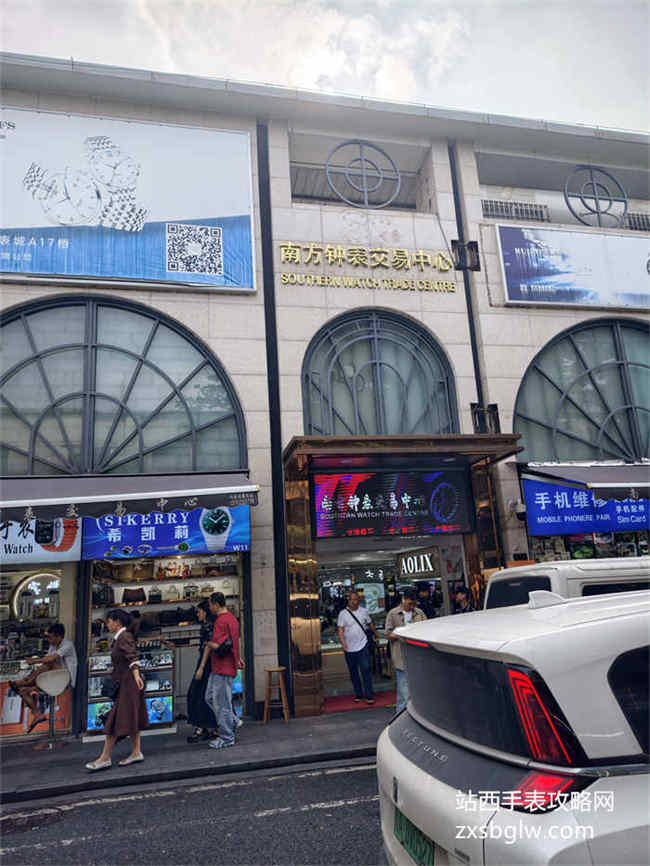
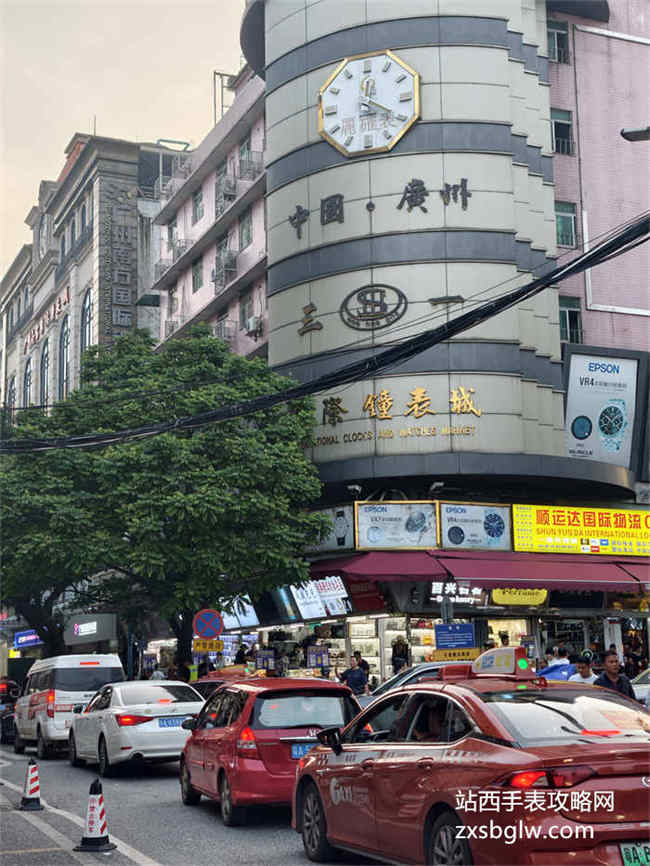
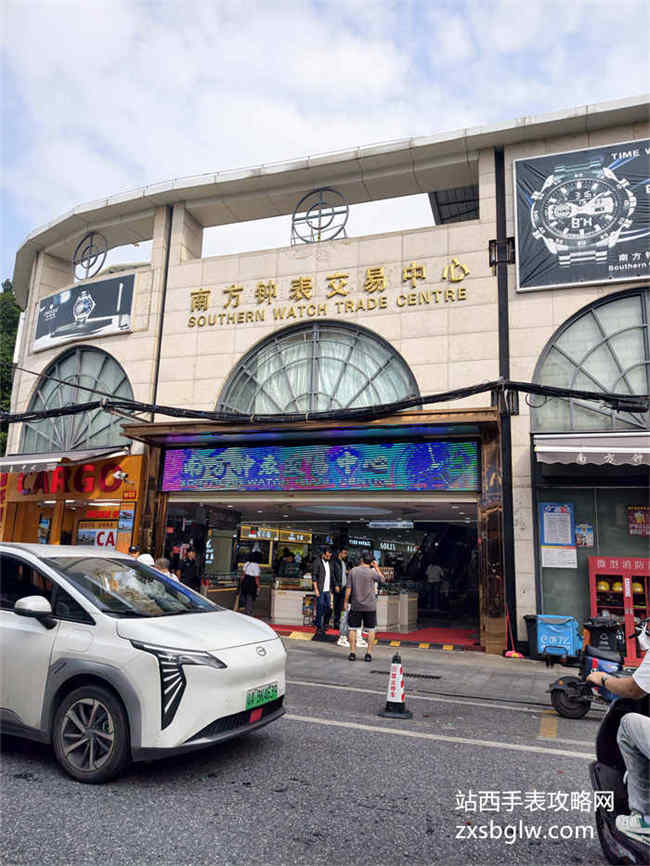
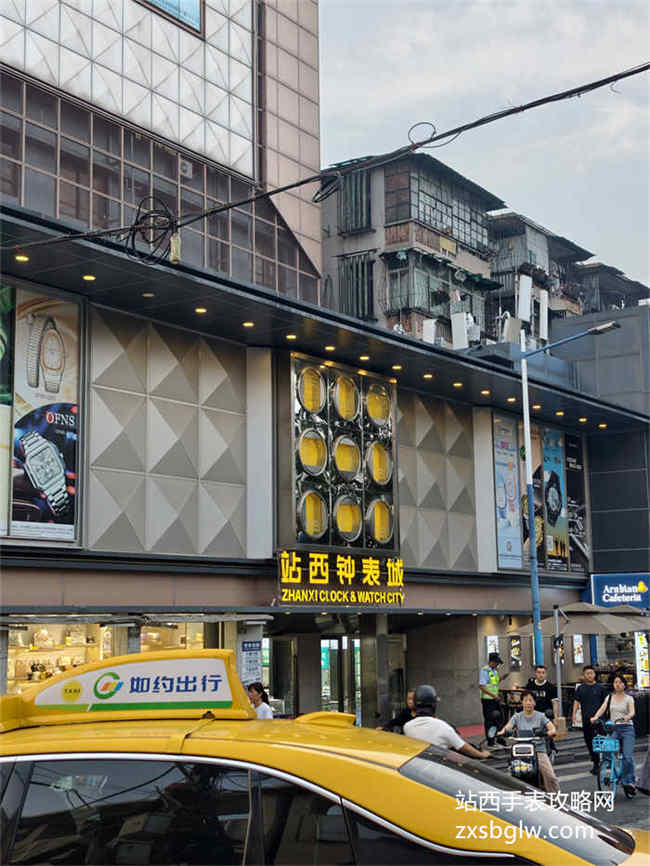
When you first step into the Station West area, specifically around the Dongda Plaza and the surrounding alleys, it looks chaotic. There are hundreds of shops, but only a few hundred actually hold the stock that matters. The rest are just showrooms for the uninitiated. To find the real deals, you need to ignore the flashy storefronts on the ground floor and head straight for the upper levels or the back corridors.
The Hidden Gems of Dongda Plaza
I always tell my overseas partners to skip the main entrance. Go straight to the third floor of Dongda Plaza. This is wher the serious wholesalers operate. On the third floor, you won't find the cheap plastic toys sold to tourists. You will find the factories' direct representatives. For example, there is a specific booth on the third floor, near the stairwell leading to the elevator, run by a guy named Old Chen. He doesn't advertise on Instagram. His shop is small, cluttered with boxes, and he speaks broken English. But his "Super Clone" movements? They are flawless. He sources directly from the factory in Shenzhen that supplies the top-tier replicas. If you buy from him, your cost is locked at 220 RMB per unit for a standard luxury model. If you try to buy that same quality from a street vendor on the ground floor, they will charge you 350 RMB and claim it's "top tier." That extra 130 RMB is pure waste.
The Factory Direct Advantage
Here is a secret most guides won't tell you: many of the booths on the fourth floor of the nearby commercial buildings are actually front offices for factories located in Huadu District. These aren't middlemen. When you negotiate with them, you aren't paying for their rent or their marketing team. You are paying for the raw materials and labor. I recently helped a client from Texas source 50 units of a specific chronograph model. We went directly to the workshop on the fourth floor. The owner showed us the assembly line. The cost was 190 RMB per unit. By cutting out the middleman, we secured a 60% gross margin potential before shipping costs even hit the equation. That is the power of being on the ground.
The Art of Inspection: Why Your Eyes Are Your Best Tool
You cannot rely on photos sent via WhatsApp. Not even close. In the world of Guangzhou watches, the difference between a $30 unit and a $60 unit is often invisible in a low-resolution image. It's in the weight, the texture of the dial, and the smoothness of the second hand sweep. When I take clients to the market, the first thing we do is put the watch on our wrist. We feel the clasp. Does it click firmly? Is the metal cold and heavy, or does it feel hollow?
The Movement Test
This is the most critical step. Every serious buyer must open the case back. I teach my clients to look for the Seagull ST19 movement or the custom cloned Swiss ETA clones. If the movement is noisy, jumps, or has a rough sweep, walk away. I once saw a buyer purchase 200 units based on a sample that looked perfect. When the shipment arrived, 40% had cracked crystals because the supplier used inferior glass to save 5 RMB. That one mistake wiped out the entire profit margin for the quarter. Always inspect the sample personally. Check the date wheel alignment. Is it perfectly centered? If it's off by a millimeter, reject it. No exceptions.
The Packaging Trap
Don't be fooled by the fancy boxes. Many suppliers offer "luxury packaging" for an extra fee. While it looks good, it adds unnecessary cost. I recommend buying plain black boxes and adding your own branding later. The profit comes from the product, not the box. I remember a time when a client insisted on gold-plated boxes. It increased the unit cost by 15 RMB. When he tried to sell online, customers complained the boxes were too heavy and expensive to ship. He ended up lowering his price to cover shipping, eating into his margin. Keep it simple. Focus on the watch.
Negotiation Tactics: How to Close the Deal Like a Pro
Negotiation in Station West is a dance. If you act like a tourist, you lose. If you act like a partner, you win. Never say "I want to buy one." Say "I am looking to build a long-term supply chain." Even if you are starting small, frame it as a pilot order. Suppliers respect volume potential more than immediate cash.
The Volume Leverage
Here is a real data point from last month. A client wanted to buy 10 units. The initial quote was 300 RMB each. I told him, "If you commit to 50 units next month, can you drop to 240 RMB?" The supplier hesitated, then agreed. Why? Because they know the cost of acquiring a new customer is high. They would rather give you a discount now to secure future orders. Another tactic is to ask for "mixed batches." Instead of buying 10 of the exact same model, ask for 5 of Model A and 5 of Model B. This shows you understand the market diversity and gives you flexibility. Often, suppliers will throw in free accessories or better packaging for mixed orders to move inventory faster.
Avoiding the Scams
The biggest pitfall is the "deposit scam." Never transfer money to a personal WeChat account without a contract or a verified business license. Always use Alipay or a bank transfer to a company account. I have seen too many buyers send deposits and get ghosted. Also, beware of the "fake factory tour." Some shops will take you to a nice office and pretend it's a factory. Real factories are loud, smelly, and busy. If the place is too quiet and clean, it's a showroom. Stick to the workshops in the industrial zones or the back rooms of the markets.
Summary of Profitability and Risk Factors
To wrap this up, let's look at the numbers clearly. Here is a breakdown of what you can expect if you follow the strategies I've shared:
| Factor | Low Strategy (Tourist) | High Strategy (Local Pro) |
|---|---|---|
| Unit Cost | $45 - $60 USD | $25 - $35 USD |
| Quality Consistency | 30% Defect Rate | <5% Defect Rate |
| Profit Margin | 40% (after returns) | 70%+ (stable) |
| Supplier Reliability | Low (One-off deals) | High (Long-term partnership) |
The difference is stark. The "Local Pro" strategy requires effort, knowledge, and time on the ground, but the rewards are exponential. You are not just buying a watch; you are building a brand. The Station West market is a jungle, but it is also a treasure chest for those who know how to dig. Don't let the fear of the unknown stop you. Come down to Guangzhou, walk the floors, talk to the old owners like Old Chen, and see the reality for yourself. That is wher the real profit lives.
 On-site Visits
 Free Sharing
 Avoid Scams
 Updated Frequently
 For Reference Only