Why Your "Station West" Watch Order Went Wrong: A Veteran Shop Owner's Confession
I've been standing behind the counter at Guangzhou Station West since 1998. While you see shiny photos on Instagram or Alibaba, I see the dust, the sweat, and the broken promises that happen in the narrow corridors of the market. If you are reading this because your latest shipment from China arrived with cracked crystals, dead movements, or worse, a complete scam, let me tell you something straight: You didn't buy a bad watch; you bought a bad deal based on bad information.
The term "station west watch" is often used loosely by overseas buyers to describe any replica or high-end copy coming from this specific district. But here in Guangzhou, the reality is far more complex. The market isn't just one building; it's a sprawling ecosystem of dozens of buildings like the Da Dong, the Xing Hai, and the newer commercial centers. When people talk about "broken watches" or "bad quality," they usually mean they fell for the "high copy" trap without understanding the tier system. Let me walk you through exactly how we vet products here, why most online orders fail, and how you can actually get the goods you want without losing your shirt.
The Reality of the Floor: Why online Photos Lie
When you message a supplier on WeChat, they send you a video. It looks perfect. The light hits the sapphire crystal just right, the movement ticks smoothly, and the bracelet feels heavy. But I have seen thousands of these videos. They are staged. In my shop, we call this "the showroom effect." The video shows a Grade A+ unit, but what ships out is a Grade B or even a Grade C unit.
The Lighting Trick and the Movement Swap
Here is a trick I learned twenty years ago that still works today. Suppliers use ring lights to hide scratches on the case and the bezel. They also swap the movement inside the video camera. They put a real Seiko NH35 or a top-tier clone movement in the watch for the demo, then slip in a cheap Chinese automatic movement when packing your order. This is the 1 reason why "station west watch" orders end up as junk. The price difference between a $50 movement and a $200 movement is huge, and that is wher the profit margin hides for the unscrupulous seller.
If you are buying via email or WhatsApp without seeing the physical item, you are gambling. I once had a client from Texas who ordered fifty units of a Rolex Submariner homologue. He paid $150 per piece. When they arrived, the hands were misaligned, and the date window was off-center. The supplier claimed it was "shipping damage." It wasn't. It was a different batch entirely. The "factory" he thought he was dealing with doesn't even exist in the way he imagined.
Navigating the Market: How to Spot Real Quality
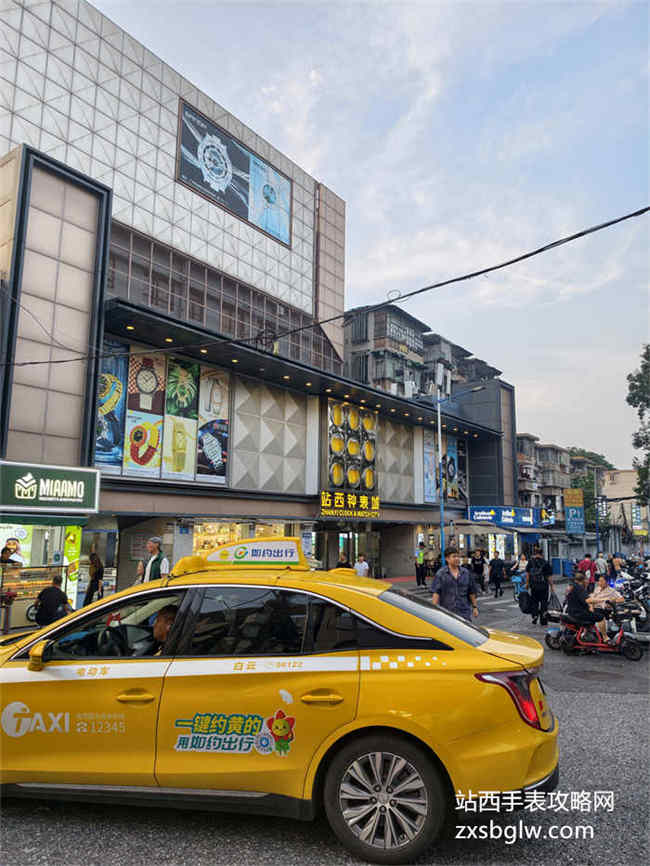
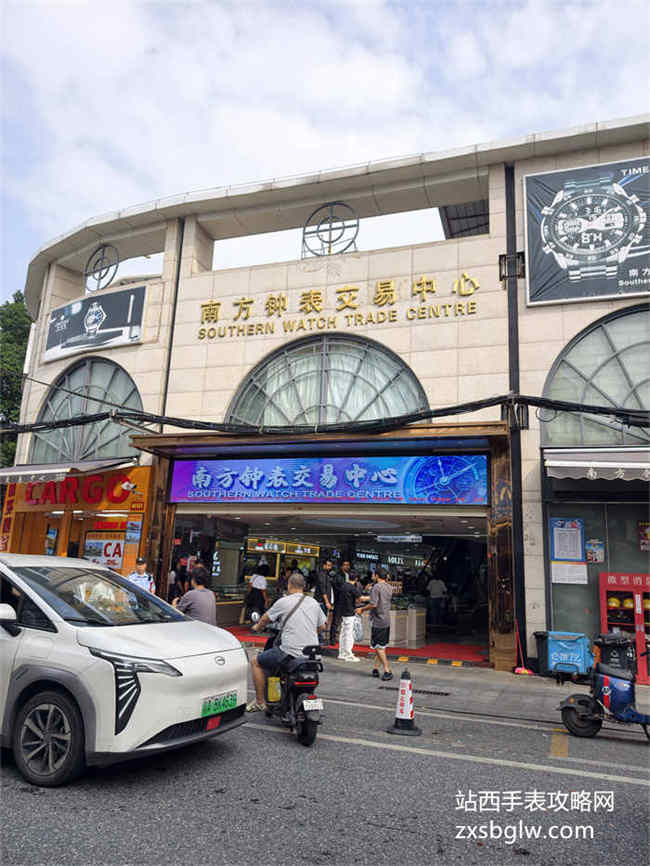
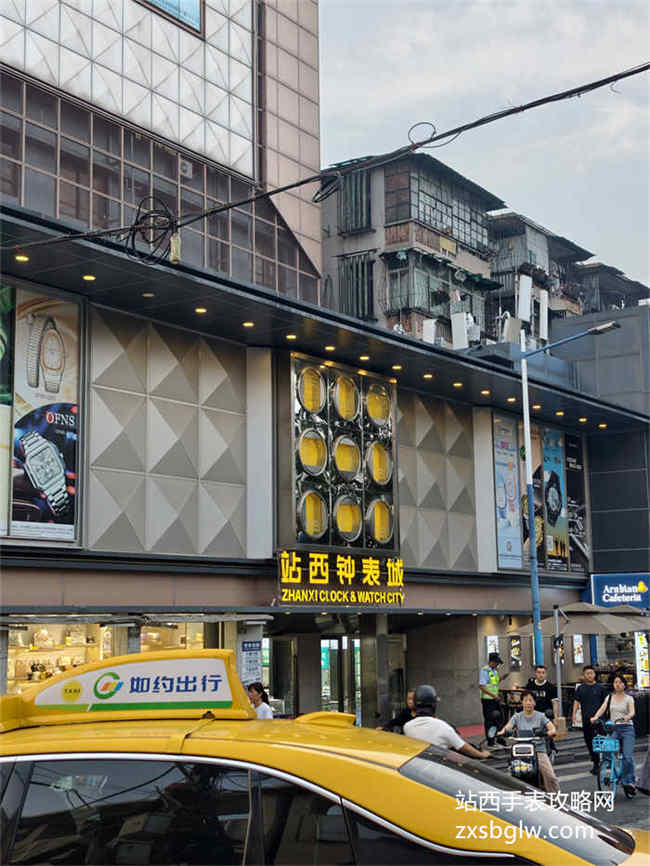
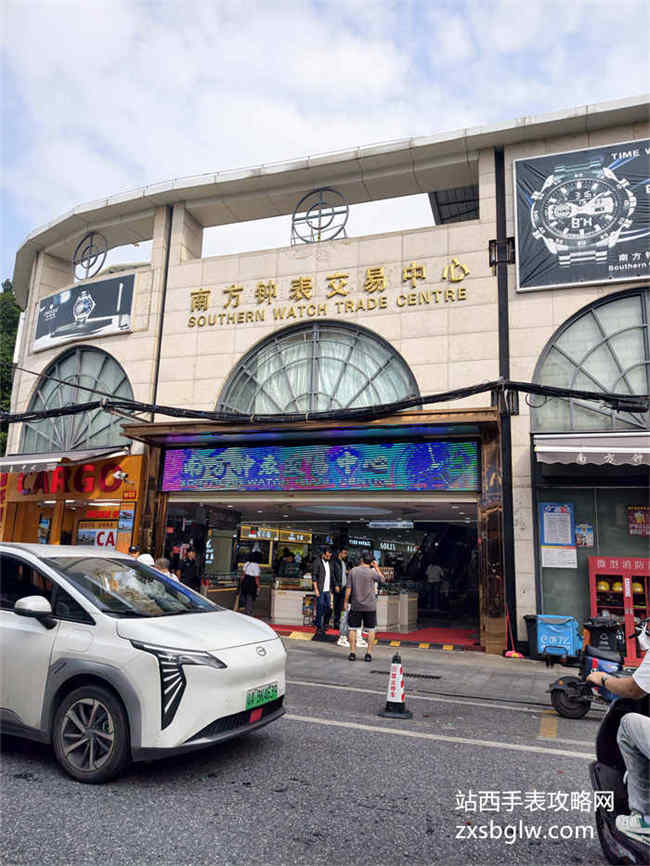
To avoid getting burned, you need to be on the ground. You cannot rely on screenshots. The best way to source is to visit the actual stalls. Let's talk about the layout. Most of the reputable suppliers are concentrated in the older buildings around the railway station, specifically the areas near the Da Dong Building and the Xing Hai Plaza. These are the places wher the old-school wholesalers operate.
The "No-Show" Rule and Physical Inspection
My golden rule is simple: Never pay a deposit until you have held the watch in your hand. When you walk into a stall, don't ask for the "best quality." Ask for the "real factory version." Look at the weight. A good replica should feel substantial. If it feels light and hollow, it's a low-quality shell. Check the lume. In the dark corner of the shop, shine a flashlight on the dial. Does the luminescence glow evenly? Or is it patchy? That tells you everything about the paint quality.
I remember a specific incident last year. A buyer wanted to source "station west watch" models for his boutique in London. He found a stall on the third floor of the Xing Hai building. The owner showed him a watch that looked flawless. But when I asked to check the back case, the owner hesitated. That hesitation was the red flag. Real sellers don't mind showing the back. They know their product. If they refuse to show the movement or the case back, run. That is a sign of a "fake factory."
The Negotiation Game: Pricing and Minimums
Pricing in Guangzhou is not fixed. It is a dance. If you walk in asking for the lowest price, you will get the worst product. The vendors know that if you are looking for a bargain, you are likely a droshipper who doesn't care about quality. To get the real deal, you need to act like a partner, not a tourist.
Understanding the Tier System
Let's break down the pricing tiers for a standard luxury homologue. A "low copy" might cost you $40-$60. It uses a generic movement and has poor finishing. A "mid-range" copy sits around $80-$120, using better materials like 316L steel and a decent clone movement. The "top tier" or "super clone" starts at $150 and goes up to $300 depending on the complexity. If a vendor quotes you $50 for a "top tier" watch, they are lying. There is no such thing as a free lunch in manufacturing.
When negotiating, ask for the "MOQ" (Minimum Order Quantity). Many stalls require a minimum of 10 pieces for the best price. If you only want five, expect to pay a premium. Also, always ask for a "sample first." Pay the extra $20 for a single unit to test the quality before committing to a bulk order. This small investment saves you thousands later.
Common Pitfalls and How to Avoid Them
Even with experience, mistakes happen. Here are the most common pitfalls I see foreign buyers fall into when sourcing from Guangzhou.
The Shipping Nightmare
One of the biggest issues is shipping. Many suppliers promise "free shipping" but use slow, untracked methods. By the time the package arrives, customs might seize it, or the box could be crushed. Always insist on DHL, FedEx, or UPS. Yes, it costs more, maybe an extra $15-$20 per box, but it guarantees tracking and faster delivery. I once saw a client lose a whole container of watches because the supplier used a cheap courier that got stuck in customs for three months. The watches were eventually returned, but the business relationship was ruined.
The "Customs" Excuse
Suppliers often say, "We declare it as 'gift' or 'accessory' to avoid taxes." Do not trust this blindly. If you are importing large quantities, customs agents are smart. They look at the value and the description. If you declare a $200 watch as a $20 accessory, you risk havin your entire shipment confiscated. It is better to work with a reliable freight forwarder who specializes in handling electronics and accessories from China.
Wher to Find Reliable Sources: A Local Guide
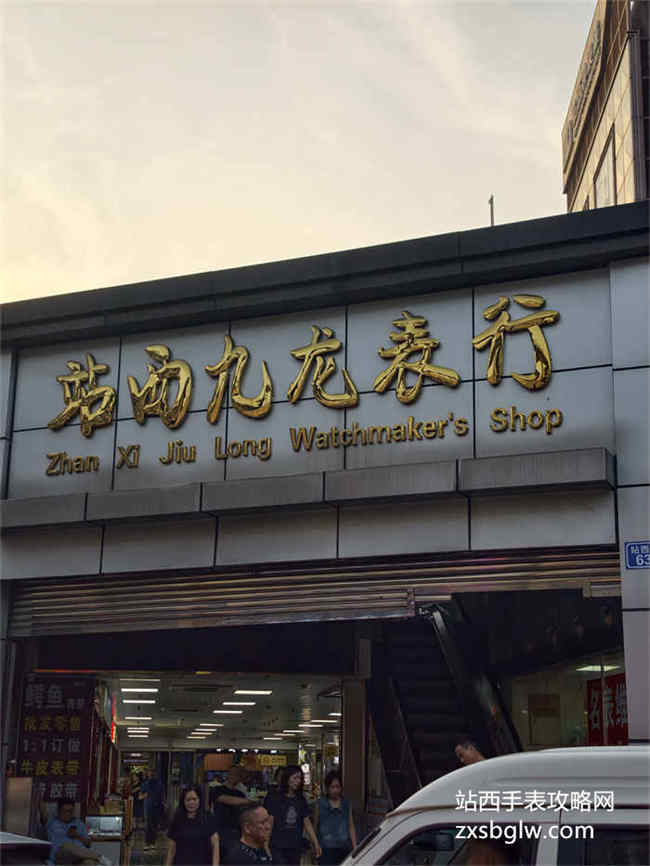
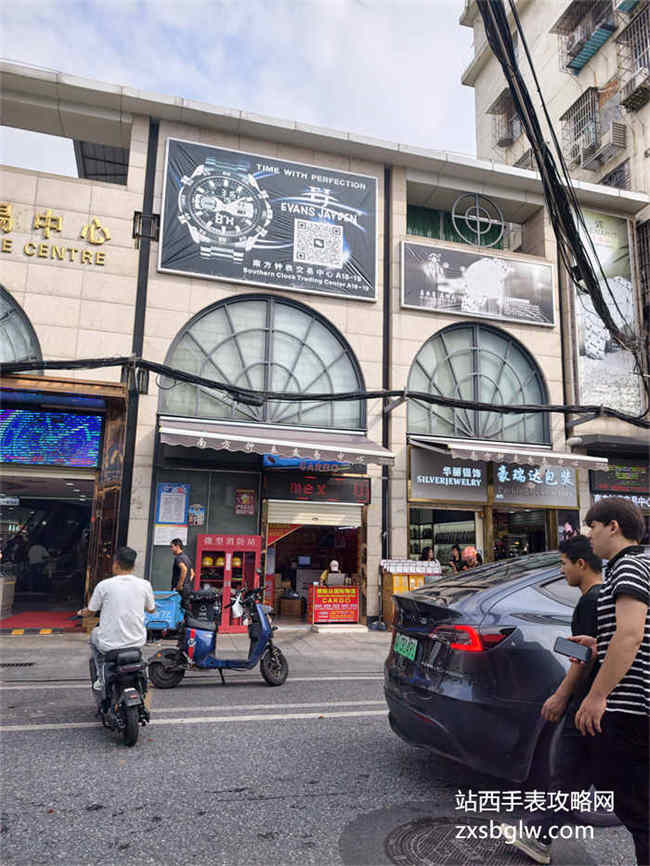
You asked for specific locations. I am not going to give you a list of random names because the market changes fast. However, I can point you to the exact buildings and floors wher the serious wholesalers operate. Avoid the street vendors outside the main entrances; they are mostly middlemen selling other people's goods.
Specific Locations and Strategies
Go directly to the Da Dong Building. Focus on the 3rd and 4th floors. This is wher many of the established factories have their direct sales offices. Look for stalls with glass display cases filled with multiple identical models. These are the ones who have stock. On the 5th floor, you will find the higher-end "super clone" specialists. They cater to serious collectors and boutique owners.
Another great spot is the Xing Hai Plaza, specifically the section dedicated to watches. Here, you will find vendors who specialize in specific brands. If you want Omega, go to the Omega specialist. If you want Patek Philippe, go to the Patek specialist. Don't try to buy everything from one stall unless they are a massive wholesaler. Specialization means better quality control.
For those who cannot travel, hire a local agent. I have worked with several trusted agents who charge a flat fee of $50-$100 per day to inspect goods, negotiate prices, and handle shipping. They know the language, the culture, and the tricks. For a small fee, they save you from making costly mistakes. This is especially true if you are ordering your first batch.
Summary Table: Quick Reference for Buyers
| Factor | Red Flag | Green Flag (Good Deal) |
|---|---|---|
| Price | $40 for "Super Clone" | $150+ for high-end replica |
| Video | only WeChat video, no live call | Live video call with background noise |
| Shipping | Free shipping via unknown courier | DHL/FedEx with tracking number |
| Location | Street side, no fixed address | 3rd-5th floor of Da Dong/Xing Hai |
| Payment | Direct bank transfer only | Alipay/WeChat with escrow option |
Final Thoughts: Patience Pays Off
Sourcing from Guangzhou Station West is not easy. It requires patience, knowledge, and a bit of luck. But if you follow the rules, stay on the ground, and never settle for less than what you paid for, you can build a profitable business. Remember, the market is full of sharks, but there are also honest merchants who have been here for decades. Treat them with respect, and they will treat you well. Don't rush. Take your time. Inspect every detail. And above all, never trust a photo over a physical inspection.
If you are ready to take the plunge, start small. Buy one sample. Test it. Then scale up. That is the only way to survive in this competitive market. Good luck, and may your next shipment arrive in perfect condition.
 On-site Visits
 Free Sharing
 Avoid Scams
 Updated Frequently
 For Reference Only