
The Real Cost of Station West Movements: A Veteran's Breakdown
Welcome to the floor. If you are reading this, you probably think you know how the watch market works because you've seen a few YouTube videos or scrolled through some Instagram ads. But let me tell you something straight from my decades of standing at the Guangzhou Station West Watch Market: those videos show you the shiny side, not the gritty reality of getting a movement quote that actually makes sense. I've been running my stall here since the early 2000s, long before "replica" became a buzzword in Western fashion circles. Back then, we were just trading parts and finishing touches for the local market. Now, with the global demand for high-quality timepieces exploding, overseas buyers are flooding in, asking one specific question over and over again: "What is the price for a Station West watch movement?"
The short answer? It depends entirely on what you mean by "Station West." The market isn't a single shop; it's a sprawling ecosystem of hundreds of stalls, hidden workshops, and supply chains that stretch deep into the Pearl River Delta. When I talk to new clients who want to import watches, they often come in expecting a simple price list like you'd see on Amazon. They don't realize that in Station West, the price is fluid, dynamic, and heavily dependent on your relationship with the supplier. Let's break down exactly how the pricing works for movements, so you don't walk away with a bag full of junk.
Understanding the Hierarchy of Movements
First, you need to understand that "Station West" doesn't manufacture every single part of a movement from scratch. Most of the high-end movements you see here are based on Japanese Miyota calibers or Swiss ETA clones, but the quality varies wildly. When I quote a price to an overseas buyer, I always ask them what tier they are looking for. Are we talking about the basic Seagull ST19 clone, which might run you around $15 to $25 per unit in bulk? Or are we talking about the top-tier "Noob" or "VS" factory movements that mimic the intricate mechanics of a Rolex Caliber 3135?
In my experience, the most common mistake foreign buyers make is assuming all "Swiss-style" movements are equal. In the lower tiers, you get a movement that runs for three months and then stops. That might cost you $8 to $12, but it's a nightmare for customer service. On the other end of the spectrum, the premium movements that use sapphire crystals, automatic winding systems with 40+ hour power reserves, and anti-magnetic shielding can range from $45 to $80 depending on the complexity. I remember a client last year who ordered 500 units of a "premium" movement without checking the sample first. He thought he was getting a genuine Swiss clone. Instead, he got a cheap Chinese assembly that looked good on paper but failed within weeks. The total loss was over $20,000. That is why seeing the physical sample is non-negotiable.
Navigating the Physical Market: Wher to Find the Best Deals
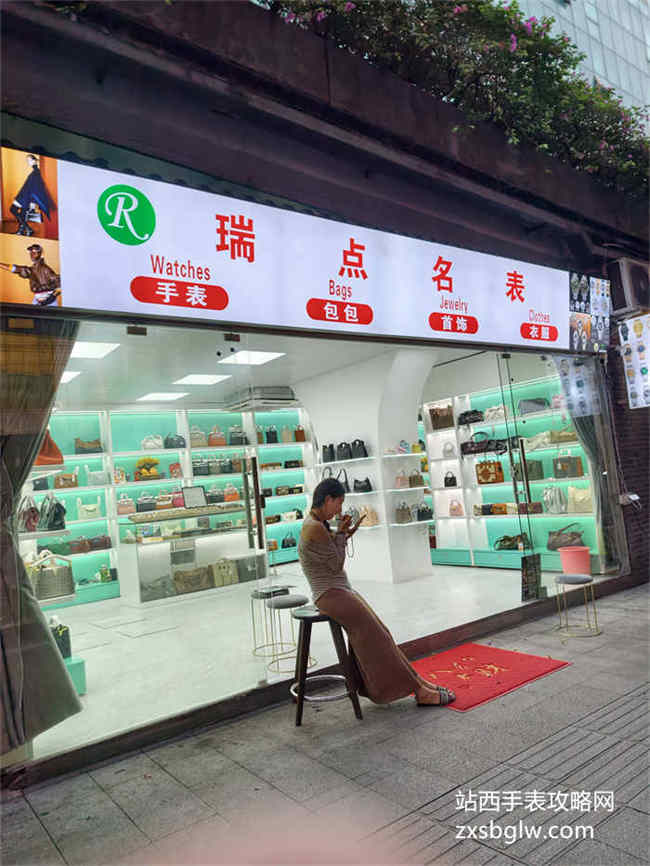
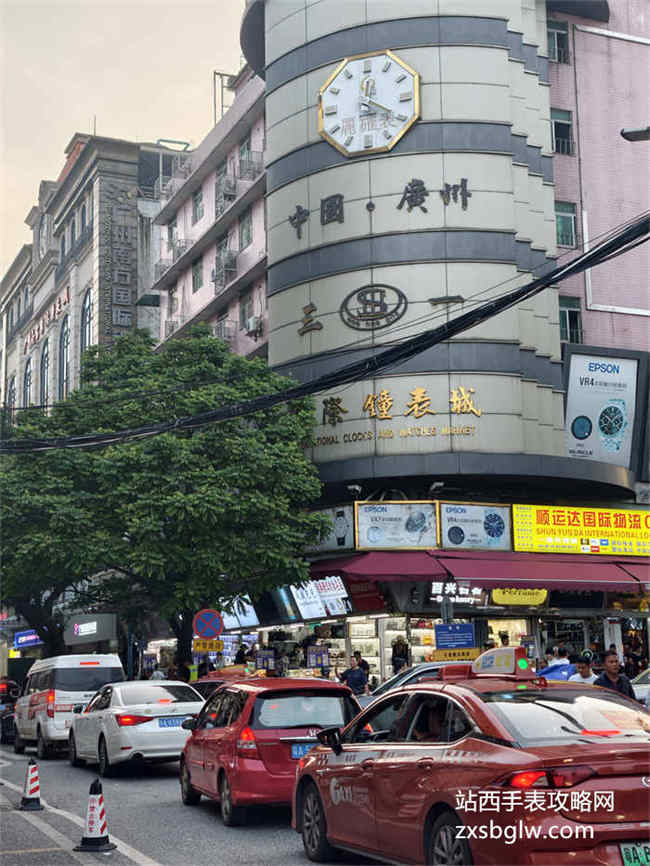
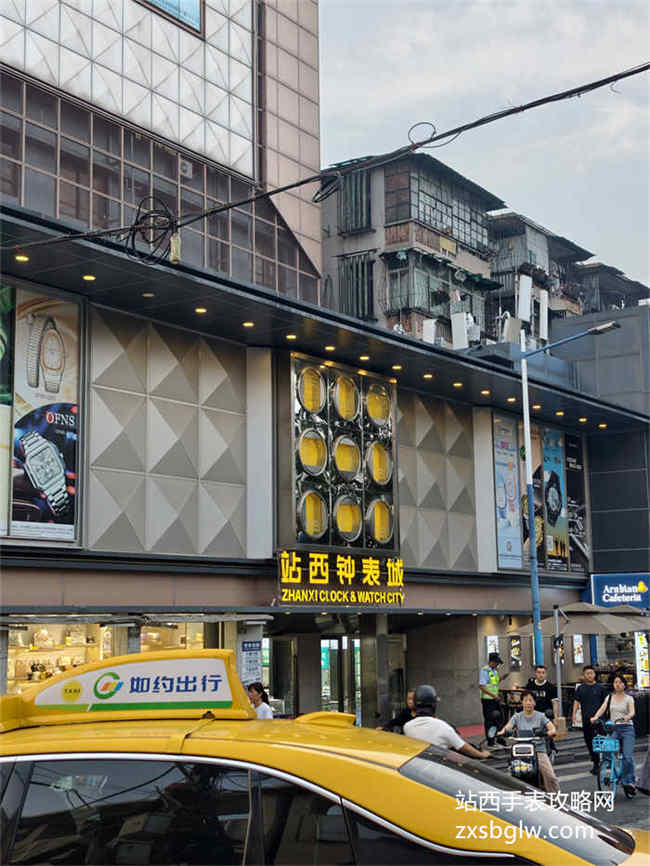
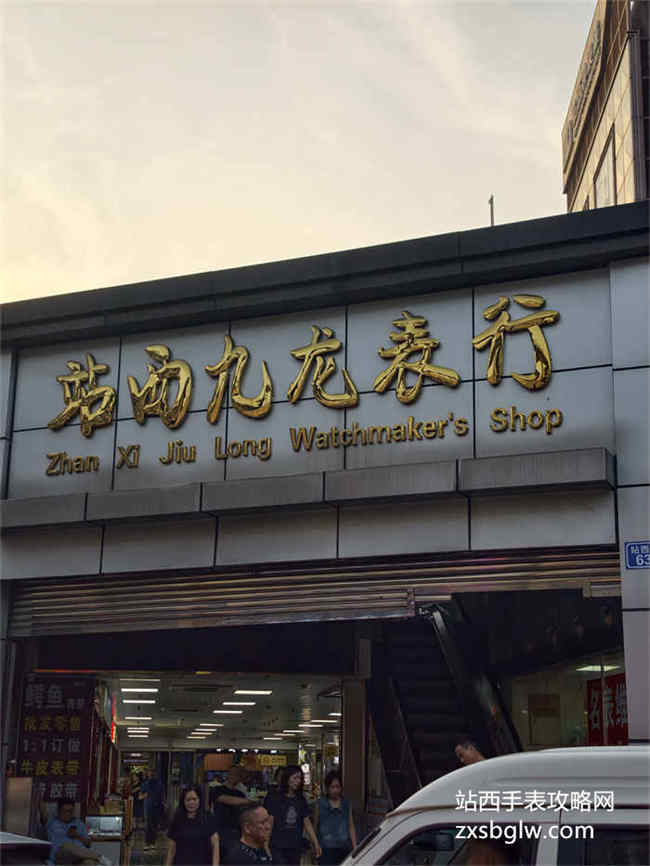
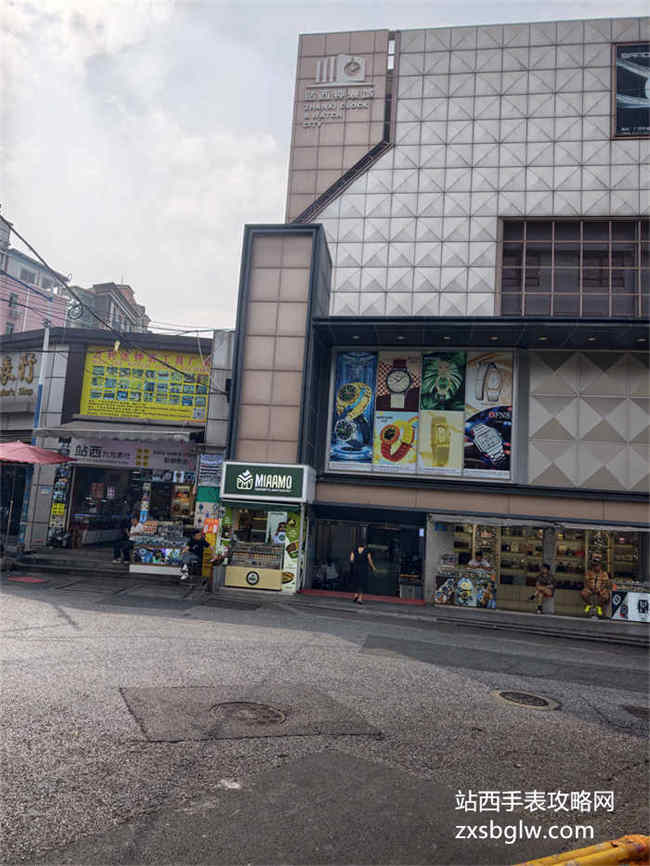
You cannot buy the best Station West watch movements online alone. You have to be here. The digital world is great for marketing, but the real deals happen in the back rooms of the buildings along Liuhua Road. If you are planning a trip, do not just wander aimlessly. The market is divided into distinct zones, each specializing in different types of movements and cases.
The Core Zones: Building 1 vs. Building 2
Let me give you a map. If you are looking for the absolute highest quality movements, head straight to Building 1. This is wher the heavy hitters are located. Specifically, look for the stalls on the second and third floors. These aren't the flashy front counters; they are the back offices wher the serious business happens. I recommend visiting the stall operated by "Golden Eagle Supply" on the 3rd floor. They specialize in high-tolerance movements that rival the original Swiss counterparts. Their pricing is transparent if you are buying in quantities of 100 or more. For a standard automatic movement, they usually quote between $35 and $45, but if you order 500 units, they dro it to $32.
On the flip side, if you are looking for budget-friendly options for entry-level products, Building 2 is your go-to. Here, you will find stalls like "Rapid Time Parts" on the ground floor. They deal in mass-produced movements that are perfect for watches priced under $50 retail. You can get these for as low as $10 to $15. However, be warned: the consistency here is lower. One batch might be perfect, and the next might have slight timing issues. I always advise my overseas partners to test a small batch first before committing to a large order.
The Hidden Workshops Behind the Stalls
Here is a secret that most guides won't tell you: the best prices often come from the workshops located directly behind the main stalls. Many of the big names in Station West have their own assembly lines right in the back. If you build a rapport with the owner, they might take you to the workshop floor. There, you can see the actual assembly process. I once took a buyer from Germany to a workshop behind a stall in Building 3. We watched them assemble a movement that was supposed to be a "super clone." The precision was incredible. Because we bypassed the middleman markup, we secured a price of $28 per unit for a movement that was selling for $50 elsewher. This is the kind of value you only get by being physically present.
The Art of Negotiation and Quality Control
once you have found the right stall, the negotiation begins. In Station West, the initial quote is never the final price. It is a starting point. I have learned over twenty years that the key to a good deal is showing that you are a serious buyer, not a tourist. Walk in with confidence, ask technical questions about the caliber, the power reserve, and the material of the balance wheel. If you sound like you know your stuff, the seller will respect you and offer a better rate.
Sample Testing: The Golden Rule
Never, ever place a bulk order without testing a sample. I cannot stress this enough. Even if the seller shows you a video of a working movement, that does not guarantee the quality of the batch you will receive. My rule is simple: request three samples. Test them for at least 48 hours. Check the accuracy, the winding smoothness, and the resistance to magnetism. I had a client who trusted a seller's word and ordered 1,000 units of a "high-precision" movement. When the shipment arrived, 30% of them were off by 15 seconds a day. The seller refused to refund, claiming it was "within tolerance." Because I had tested the samples beforehand, I knew exactly what the issue was, and we negotiated a partial refund and a replacement plan. Without that initial test, I would have lost thousands.
Avoiding the Scams
There are plenty of scams in the market. Some sellers will try to sell you a "fake Swiss" movement when it is actually a cheap Chinese copy. Others might promise a discount for cash payments but then disappear after you pay. Always insist on a written agreement, even if it is just a simple invoice on the spot. Also, be wary of sellers who refuse to let you inspect the goods before payment. In this market, trust is earned, not given. If a seller pushes you too hard to pay immediately, walk away. There are always other stalls.
Summary of Pricing and Strategy
To wrap up, let's look at a quick comparison of what you can expect to pay for different tiers of Station West movements. This table is based on my current market rates for orders of 100+ units.
| Movement Tier | Typical Price Range (USD) | Best Location | Target Audience |
|---|---|---|---|
| Budget Entry-Level | $8 - $15 | Building 2, Ground Floor | Low-cost fashion watches |
| Standard Automatic | $20 - $35 | Building 1, 2nd Floor | Mid-range replicas |
| Premium High-Tolerance | $35 - $60 | Building 1, 3rd Floor & Back Workshops | High-end collectors |
| Custom/Modified | $60+ | Specialized Workshops Only | Boutique brands |
Remember, the Station West watch market is a living, breathing entity. Prices change, new technologies emerge, and the quality of movements evolves constantly. The only way to stay ahead is to keep your feet on the ground, build relationships with the right people, and never compromise on quality control. Whether you are sourcing for a small boutique or a large distribution network, the principles remain the same: see it, touch it, test it, and negotiate hard. If you follow this advice, you will not only save money but also ensure that your customers receive a product they will love. That is the true value of doing business in Guangzhou.
 On-site Visits
 Free Sharing
 Avoid Scams
 Updated Frequently
 For Reference Only