
Why I've Been Selling Watches at Guangzhou Zhanxi for 15 Years
If you are reading this, you probably think buying watches in China is just about scrolling through Alibaba or sending a WeChat message to some random factory. Let me tell you something: that is the fastest way to lose your money and get stuck with junk. I have been standing behind my counter in the Zhanxi market here in Guangzhou since before most of you were born. This isn't a corporate office; it is a chaotic, loud, high-stakes battlefield wher real deals happen and fake dreams die.
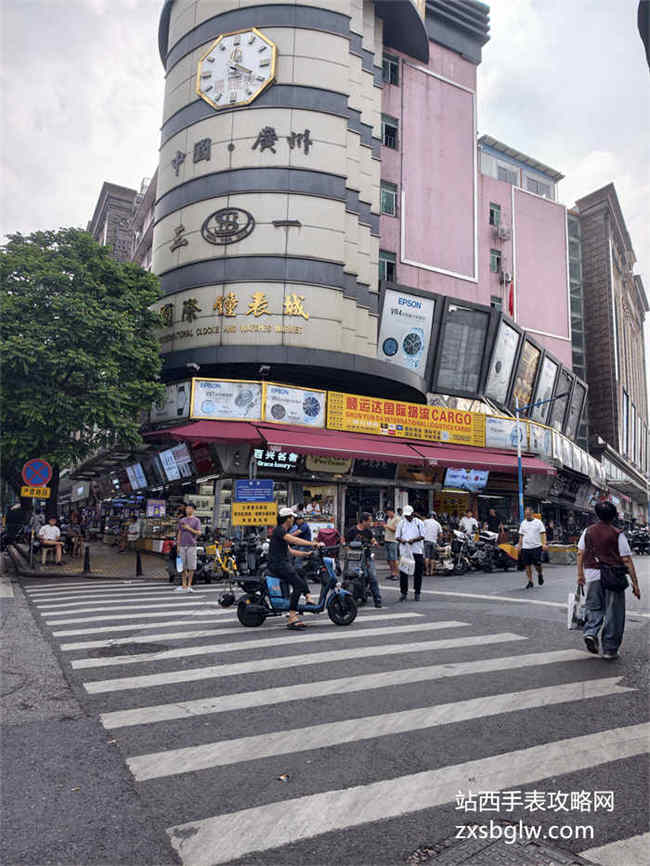
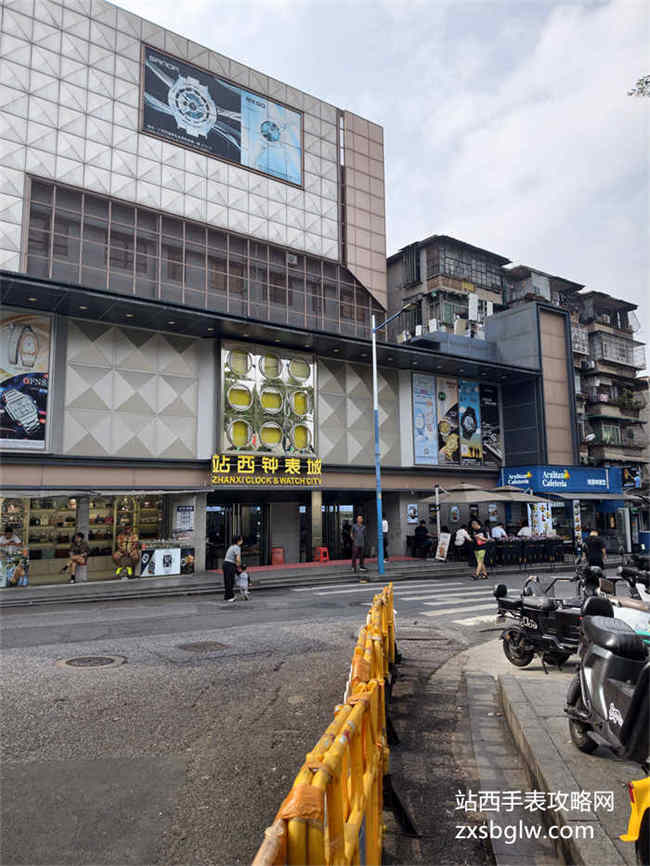
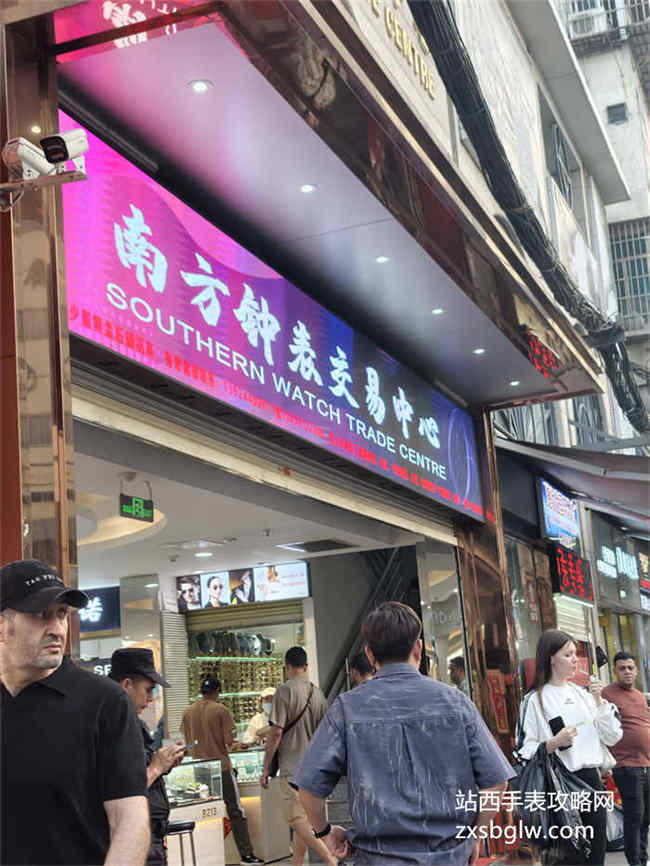
The "Zhanxi watch market" isn't just one building. It is a sprawling network of streets, alleys, and multi-story buildings packed with hundreds of stalls. When people ask me about Guangzhou Zhanxi replica watches, I don't give them a generic answer. I tell them to come down, walk the floor, and look at the light hitting the crystal. That is the only way to know what you are actually getting. The internet has made things easier, but it has also made it harder to separate the wheat from the chaff because everyone claims to be the "top tier."
Navigating the Labyrinth: Wher to Actually Go
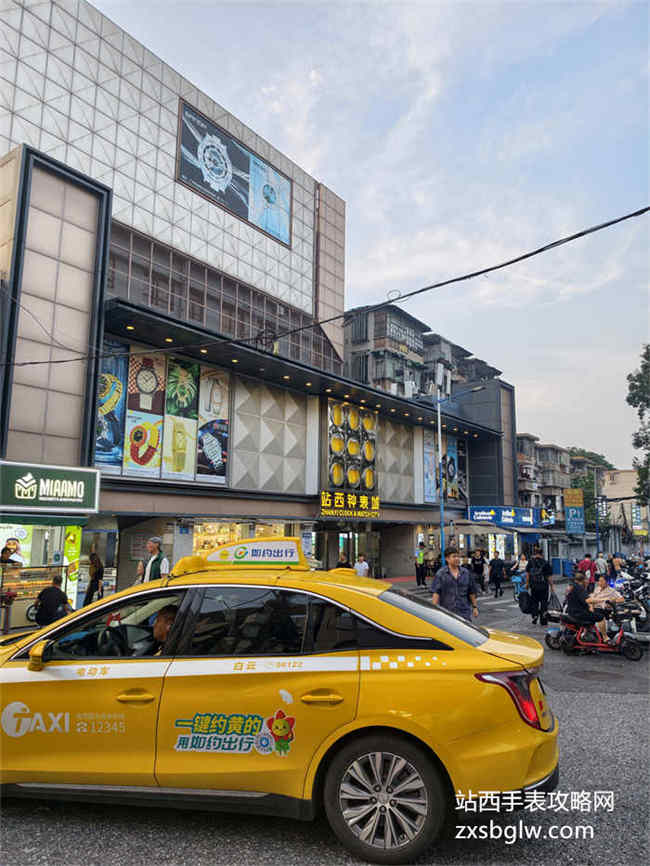
First off, forget the tourist traps. If you go to the main entrance and ask for the "best shop," they will try to sell you overpriced stock meant for tourists who don't know better. You need to know exactly which building houses the serious wholesalers. The core of the action is around the Zhanxi Road area, specifically near the Baiyun Building and the surrounding structures like the Xingfa Plaza.
The Ground Floor vs. The Upper Floors
Here is a hard truth: the ground floor is mostly for retail and low-quality goods. If you want to buy in bulk or find the real deal, you need to head upstairs. In the Baiyun Building, for example, the first and second floors are often filled with smaller vendors selling lower-grade copies. But once you hit the third and fourth floors, that is wher the heavy hitters are. These are the stalls that supply the big distributors across Asia and Europe.
I remember a client last year who wanted to buy 50 units of a specific luxury model. He went to the ground floor, saw a price of $80, and thought he got a steal. He didn't realize that the movement inside was a cheap Chinese clone that would break in three months. He came back to me on the fourth floor. We looked at the same model, but the price was $140. Why? Because we were looking at the 7750 movement version, not the 2824 knock-off. The difference in quality is night and day, and you can only see that by holding the watch in your hand under the fluorescent lights of the upper floors.
The Art of Inspection: What My Eyes See That Yours Might Miss
When I am negotiating with overseas buyers, the first thing I do is pull out my loupe. I don't care if you are a big buyer; if you cannot inspect the goods, you are gambling. The term "high copy" is thrown around too loosely. In Zhanxi, there are grades. There is the "market grade," the "super clone," and then there is the "factory direct" stuff that comes straight from the assembly lines in Shenzhen but gets sold here.
Checking the Movement and Weight
Let's talk about the movement. This is the heart of the watch. A lot of sellers will show you a video of the watch ticking, but that doesn't tell you if the rotor spins smoothly or if the gears are polished. When I check a batch for a client, I open the case back. I look for the laser engraving on the rotor. Is it crisp? Does it match the reference photo? I also weigh the watch. A genuine-style watch should feel substantial. If it feels light as a feather, the casing is likely zinc alloy instead of stainless steel. I had a customer who ordered 100 pieces based on photos alone. When they arrived, the weight was off by 15 grams per unit. They lost thousands of dollars because they didn't trust their own hands to verify the specs.
Another trick is checking the bezel rotation. On a good copy, the click should be firm and precise, like a ratchet. On a bad one, it feels loose or gritty. I always tell my clients: "Don't buy the story; buy the tactile experience." The smell of the leather strap matters too. Cheap straps smell like plastic or chemicals. Good ones smell like real leather, even if they are aftermarket.
Negotiation Tactics: How to Get the Real Wholesale Price
once you are in the stall, the negotiation begins. Many foreigners think they can just say "I want the best price." That is a red flag. It tells the vendor you are new and easy to rip off. The vendors here speak a language of volume and relationship. They know exactly how much margin they need to make to keep their lights on.
The Power of Volume and Repeat Business
If you are buying 10 pieces, you are a tourist. If you are buying 50, you are a small business. If you are buying 200, you are a partner. I recently worked with a buyer from Germany who wanted to start a small boutique. He tried to negotiate a price for 20 units. I told him, "The price you see is for 50. If you take 20, the price goes up by 20%." He hesitated, so I showed him two other stalls nearby. Within five minutes, he realized he needed to commit to a larger order to get the real wholesale rate. He increased his order to 60 units, and we locked in a price that gave him a healthy margin when he resold in Berlin.
Also, never pay upfront without a deposit structure. In Zhanxi, the standard is 30% deposit, 70% before shipping. Some shady vendors might ask for 100% upfront. Avoid them. Stick to the established stalls that have been there for years. Trust is built on face-to-face interaction. If a vendor refuses to let you inspect the goods before paying the balance, walk away immediately.
Common Pitfalls and How to Avoid Them
There are so many ways to get burned in this market. One common mistake is ignoring the packaging. In Zhanxi, the box and papers are part of the product. A high-quality watch with a flimsy, cheap-looking box will hurt your resale value. I always advise my clients to specify the packaging requirements clearly. Do you want the original box? The "blind box"? Or just a simple protective sleeve? Be specific.
The Shipping Nightmare
Shipping is another headache. Many vendors claim they can ship anywher, but customs seizures are real. If you are importing into the US or EU, you need to be careful about how the goods are declared. I have seen entire shipments held at customs because the description was too vague. Work with a freight forwarder who knows the Zhanxi market. They know which vendors use reliable packing methods and which ones cut corners. Also, always get a tracking number that updates in real-time. Don't rely on the vendor's word that "it is shipped."
Summary of Key Takeaways for Buyers
| Aspect | Beginner Mistake | Pro Strategy (My Advice) |
|---|---|---|
| Location | Buying on the ground floor | Go to 3rd-4th floors of Baiyun/Xingfa for wholesale |
| Inspection | Relying on photos/videos | Use a loupe, check weight, test bezel click physically |
| Pricing | Asking for "best price" on small orders | Commit to 50+ units for true wholesale rates |
| Payment | 100% upfront payment | 30% deposit, 70% after inspection before shipping |
| Shipping | Generic declaration | Use experienced forwarders, declare accurately |
At the end of the day, the Guangzhou Zhanxi market is a place of opportunity, but it requires patience and knowledge. It is not a place for impulse buys. If you treat it like a casual shopping trip, you will leave empty-handed or with regret. But if you approach it with the mindset of a seasoned trader, willing to walk the floors, inspect every detail, and build relationships with the right vendors, you will find sources that no one else can access.
I have seen thousands of transactions in my time. The ones that succeed are the ones wher the buyer respects the process. So, next time you are planning a trip to Guangzhou, skip the fancy hotels and head straight to Zhanxi. Bring your loupe, bring your questions, and be ready to negotiate. That is wher the real magic happens.

 On-site Visits
 Free Sharing
 Avoid Scams
 Updated Frequently
 For Reference Only