Why I've Been Selling Watches at Guangzhou Zhanxi for 15 Years
If you are reading this, you probably think the watch market in Guangzhou is just a maze of cheap fakes. Let me tell you something: that is half true, but it misses the whole picture. I have been standing behind my counter in the Zhanxi area for over a decade. I have seen the rise and fall of trends, from the early days of "super clones" to today's high-end replicas that fool even seasoned collectors. When people ask me about Guangzhou Zhanxi watches, they usually want to know wher to find the best deals or how to avoid getting ripped off. My answer is always the same: come here, look with your own eyes, and talk to the right people.
The Zhanxi market isn't like shopping on Taobao or Amazon. You cannot just click "buy now." This is a wholesale hub, and the real value lies in the face-to-face interaction. The air here smells like coffee, old leather, and fresh ink from invoices. It is chaotic, loud, and incredibly fast-paced. If you walk in without a plan, you will get lost. But if you know what you are looking for, you can find pieces that offer incredible value compared to retail prices anywher else in the world.
Navigating the Physical Market: Wher to Go and What to See
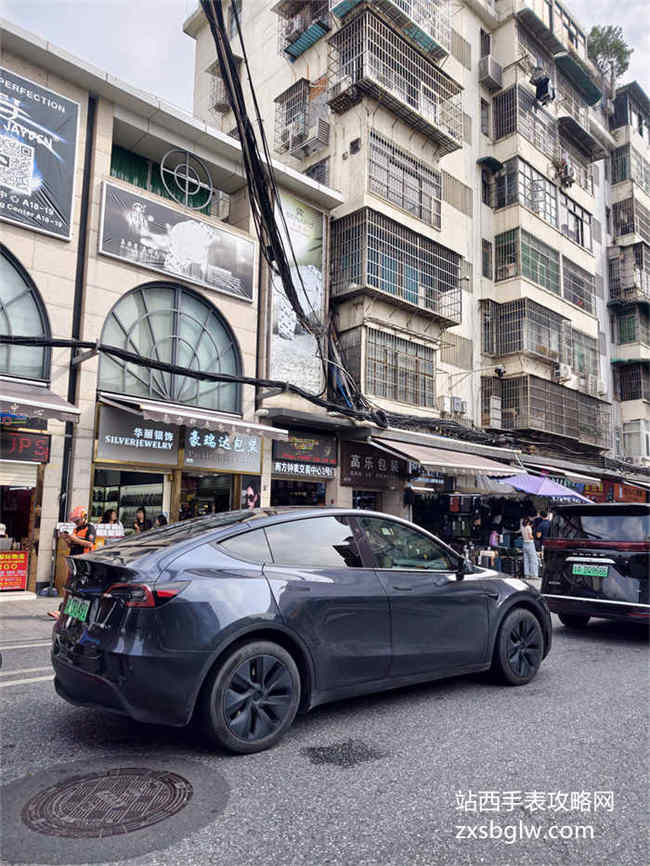
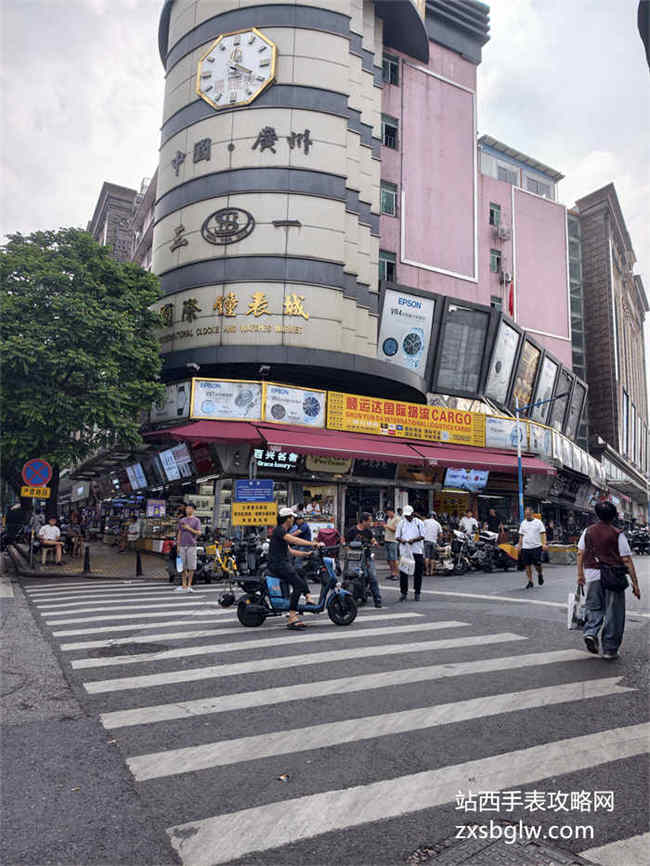
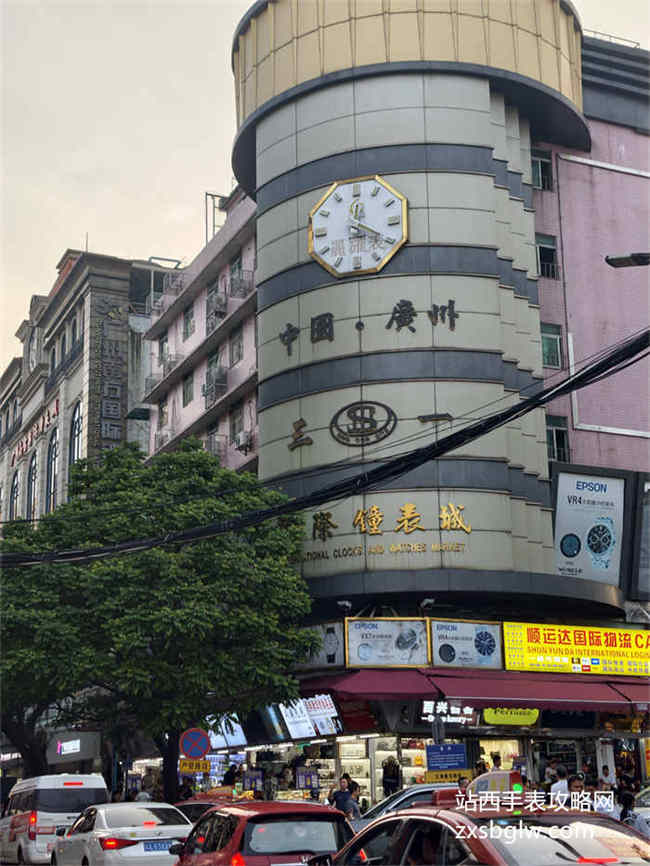
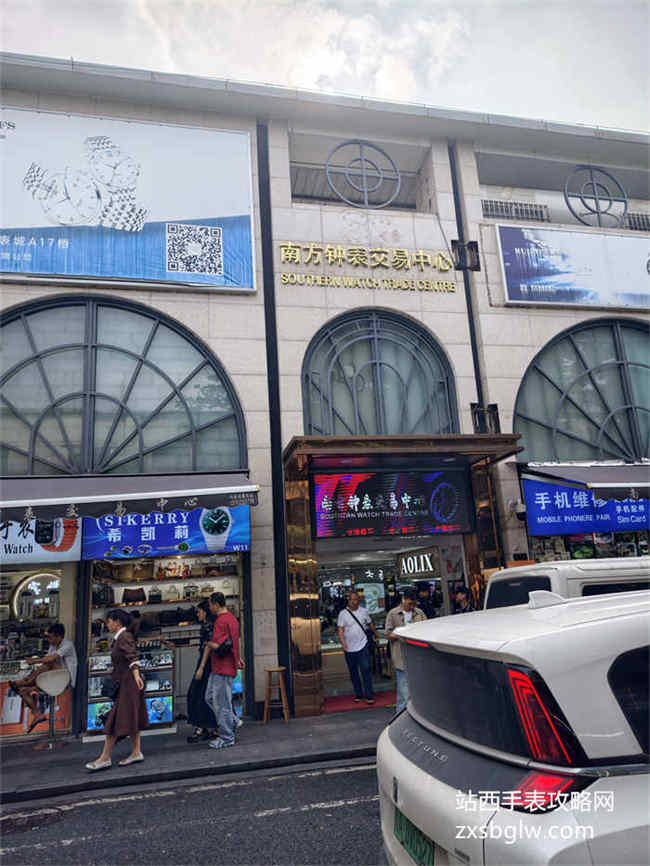
First things first, let's talk about location. Most tourists end up at the wrong building because they don't understand the layout. The core of the action is around the Zhanxi Road area, specifically near the Baiyun District. However, not all buildings are the same. Some are low-quality stalls selling junk, while others house serious manufacturers.
The Golden Floor Strategy
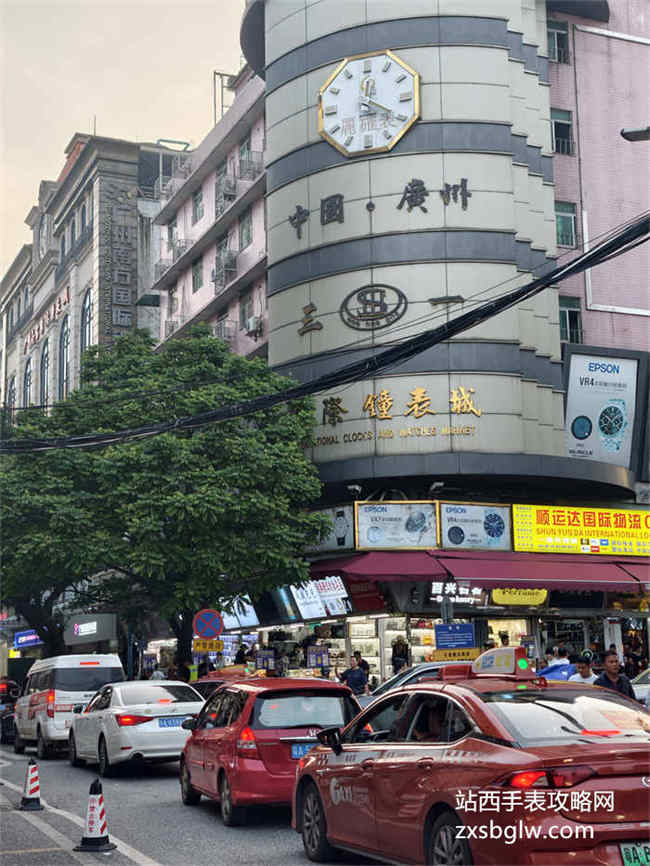
When I guide new buyers, I always tell them to skip the ground floor unless you are just browsing. The real goods are usually on the second or third floors. For example, if you are looking for high-quality movements, head to the specialized buildings near the main intersection. I personally recommend checking out the shops on the upper levels of the Zhanxi International Watch City. That is wher the serious wholesalers operate.
I remember a buyer last month who wanted to source 50 units of a specific luxury-style diver watch. He went to the ground floor, saw a flashy display, and almost paid double the price. I stopped him and took him up three flights of stairs to a smaller, less flashy shop. There, he found the exact same watch, made by the same factory, but at a price that allowed him a healthy margin. The lesson? Quality hides in plain sight, often away from the street-level glare.
Identifying the Factory Direct Stalls
You need to distinguish between a middleman and a factory owner. A middleman will try to sell you everything under the sun. A factory owner will focus on their specialty. In my experience, the best stalls are those that show you the movement directly. They won't hide the back of the watch. If a seller refuses to open the case back or claims the movement is "sealed," run away. That is a red flag.
For instance, if you are hunting for Guangzhou Zhanxi replica watches with Swiss-style movements, look for stalls that explicitly mention "Seagull" or "Vostok" upgrades. These are the factories that actually invest in better components. One of my favorite contacts is a stall owner named Mr. Chen on the 4th floor of the Baiyun Watch Building. He specializes in automatic movements. His shop doesn't have neon lights; it has rows of boxes and a microscope on the desk. That tells me he cares about the mechanics, not just the marketing.
The Art of Inspection: How to Spot Quality Without Getting Scammed
once you are in the right building, how do you pick the winner? This is wher most overseas buyers fail. They rely on photos sent via WeChat. Don't do that. Photos can be edited, angles can be hidden, and lighting can make a cheap piece look expensive. You must inspect the physical sample.
Checking the Movement and Weight
Weight is a simple but effective metric. A genuine luxury watch feels heavy due to solid steel and sapphire crystal. Many cheap knockoffs use hollow cases and mineral glass, making them feel light as a feather. When I hold a sample from a top-tier factory, the weight distribution feels balanced. The bracelet links should not rattle loosely. They should click together with a solid sound.
Then, look at the movement. Open the case back. Is the finishing clean? Are the screws polished? In the lower-tier markets, you will see rough edges and glue marks. In the higher tiers, like the ones I deal with daily, the finishing is meticulous. I once compared two watches side-by-side. One was labeled as "Grade AAA" by a random vendor, but the movement had visible scratches and uneven coloring. The other, sold by a trusted contact, had a perfectly finished rotor. The price difference was only $20, but the quality gap was night and day.
Verifying the Dial and Hands
The dial is the face of the watch. Zoom in with your phone camera. Look at the printing. Is it crisp? Do the indices align perfectly? In bad copies, the date window might be slightly off-center, or the logo might be blurry. I always check the lume. Turn off the lights in the shop. Does the glow last? Cheap paint fades in minutes. Good paint glows brightly for hours. This is a quick test that separates the wheat from the chaff.
Negotiation Tactics and Sourcing Real Data
Now, let's talk money. Negotiation in Zhanxi is an art form. You cannot just say "how much?" You need to show you know the market. Prices fluctuate based on order volume, material costs, and current demand.
Understanding the Price Tiers
Let me give you some real data from my recent transactions. A standard dive watch with a Seagull movement upgrade typically sells for around $80 to $120 per unit when buying 10-20 pieces. If you buy 100+, the price dros to $60-$80. However, if you are looking for the absolute top tier with a custom movement and sapphire crystal, expect to pay $150 to $250 per unit. Anything cheaper than that for that spec is likely a scam or uses inferior materials.
I always advise buyers to start negotiations at 70% of the asking price. This leaves room for compromise. If a seller asks for $100, offer $70. Then meet in the middle at $85. But remember, never agree to a price before seeing the final sample. Always ask for a "pre-production sample" if you are ordering a large batch.
Building Relationships Over Transactions
The biggest mistake foreign buyers make is treating every transaction as a one-off. In Zhanxi, relationships are currency. If you return to the same stall owner repeatedly, you get better prices, priority shipping, and access to new models before anyone else. I have clients who fly in twice a year just to restock with the same few vendors. They save thousands of dollars annually because of these relationships.
One of my go-to recommendations for buyers looking for consistent quality is the stall run by Mr. Liu at the Zhanxi Plaza, 3rd Floor, Unit 305. He has been in business for 12 years. His inventory is vast, covering everything from classic dress watches to modern sports models. He speaks basic English and understands international shipping requirements. Another great option is Unit 210 on the 2nd Floor of the New Century Building, known for their exceptional bracelet finishing.
Common Pitfalls and How to Avoid Them
Even with experience, mistakes happen. Here are the most common traps I see overseas buyers fall into.
The "Too Good to Be True" Trap
If a seller offers a "Rolex Submariner" for $30, it is fake. Not just the brand, but the quality too. No legitimate factory in Zhanxi sells high-quality watches at that price point. The cost of materials alone would exceed that. Stick to realistic price ranges. If you want quality, you must pay for quality.
Shipping and Customs Risks
Another major issue is shipping. Many sellers promise free shipping, but the package gets seized by customs. I always advise my clients to declare the items correctly or use a reliable freight forwarder who specializes in handling such goods. Never ship directly to a residential address without knowing the local laws. In many countries, importing replica watches is a gray area, so discretion is key.
Summary of Recommended Sourcing Points
To wrap up, here is a quick reference table of the areas and types of vendors I trust based on my years of experience.
| Location / Building | Floor / Unit | Specialty | Price Range (Per Unit) | Best For |
|---|---|---|---|---|
| Zhanxi International Watch City | 3rd Floor | High-end Automatic Movements | $120 - $200 | Collectors seeking premium specs |
| Baiyun Watch Building | 4th Floor, Unit 305 (Mr. Chen) | Dive Watches & Bracelets | $80 - $150 | Volume buyers needing durability |
| New Century Building | 2nd Floor, Unit 210 | Dress Watches & Finishing | $60 - $100 | Entry-level to mid-range sourcing |
| Zhanxi Plaza | 3rd Floor, Unit 305 (Mr. Liu) | Variety & Mixed Models | $50 - $180 | Beginners and mixed inventory needs |
Buying from Guangzhou Zhanxi is not just about finding cheap watches; it is about understanding the supply chain. By visiting the market, inspecting the goods, and building relationships with the right vendors, you can source products that offer incredible value. Remember, the market rewards knowledge and caution. Don't rush, take your time, and trust your instincts. If you follow these steps, you will find that the Zhanxi market is a treasure trove waiting for you.
 On-site Visits
 Free Sharing
 Avoid Scams
 Updated Frequently
 For Reference Only