
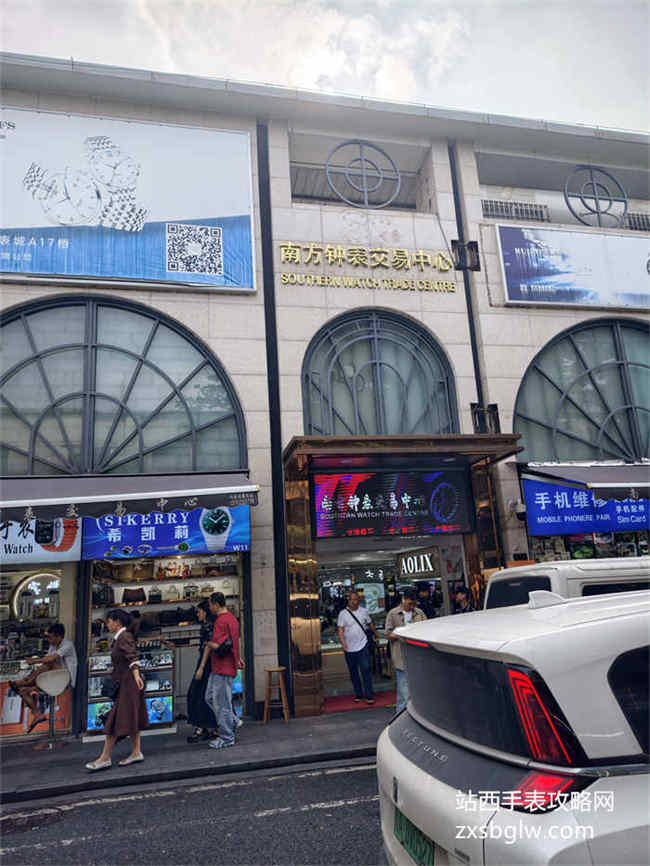
The Truth about Color Fading on Station West Watches
I've been standing in the same spot at the Guangzhou Station West watch market for over fifteen years. While everyone else is talking about "replica quality" or "super clones," I want to talk about something that actually keeps me up at night: color fading. If you are an overseas buyer looking to source from China, specifically targeting Guangzhou Station West watches, you need to understand why your inventory turns green or rusts within weeks of hitting the shelves.
This isn't just bad luck; it's a systemic issue caused by rushing orders and ignoring the physical reality of the factory floor. When I first started, I thought all gold plating was created equal. I learned the hard way that the difference between a $500 order that lasts a year and a $500 order that flakes off in a month comes down to one thing: the PVD process versus cheap electroplating. Let me walk you through exactly what happens when you walk into these markets and how to spot the traps before you sign the check.
Walking the Floor: What You Actually See vs. What They Show You
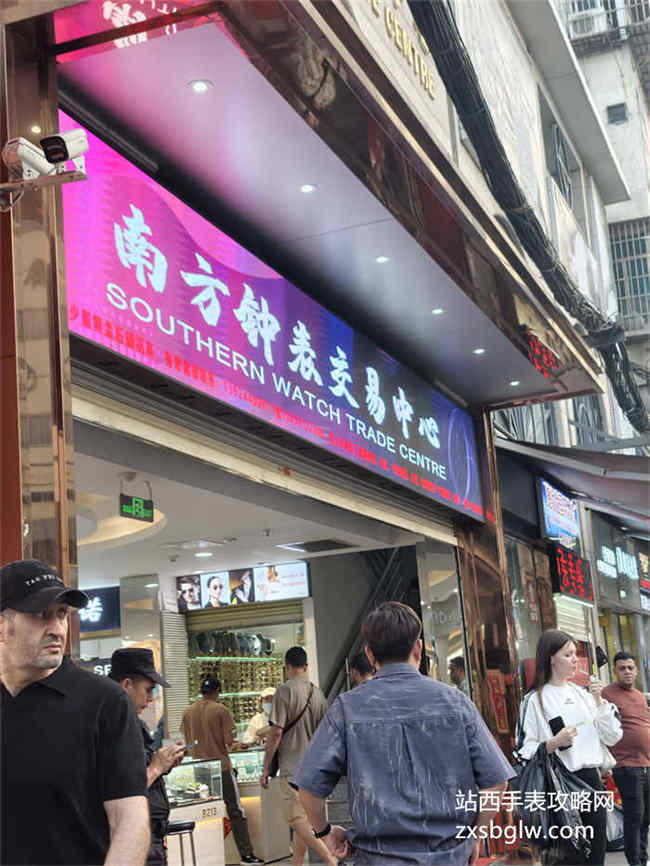
When you step into the bustling corridors of the Station West market, the atmosphere is electric. But here is the secret most agents won't tell you: the shiny watches on the display tables are often not the ones coming out of the factory line today. The vendors know exactly what you want to see. They show you the "top tier" samples that have been polished to perfection, but they hide the batch that has already failed the salt spray test.
The Illusion of Gold Plating
I remember a specific day last year when a client from the US asked me to source 200 units of a luxury dive watch with a gold dial. He wanted the price to be under $40 per unit. I told him straight up, "That price point guarantees copper base with thin gold plating." He didn't listen. He went to a different stall, got the deal, and three months later, he sent me photos of his customers complaining. The gold had turned black and flaked off, revealing the copper underneath. That is the classic signature of low-quality electroplating used in the lower tiers of Guangzhou Station West watches.
In my experience, if the price seems too good to be true, the plating thickness is likely less than 0.5 microns. Real durability requires at least 2 microns of PVD (Physical Vapor Deposition) coating. PVD is a vacuum deposition process that bonds the metal layer much more tightly to the substrate. It resists sweat, water, and UV light far better than traditional electroplating. When you are negotiating with a supplier, do not just ask "Is this gold?" Ask specifically, "Is this PVD or electroplated? How many microns thick is the layer?"
The base metal Matters More Than You Think
Another huge factor in color fading is the alloy underneath the plating. Many factories use brass or even cheaper zinc alloys to cut costs. Brass is okay for short-term wear, but zinc alloys are a disaster waiting to happen. Zinc reacts violently with moisture and acids found in human sweat. once the thin plating gets scratched, the zinc starts to corrode immediately, causing the famous "green skin" reaction that ruins brand reputation.
At my own warehouse, we strictly enforce a rule: no zinc alloys for any export order. We only accept stainless steel 316L as the base material. Yes, it costs more upfront, maybe $5 to $8 more per unit, but it eliminates the risk of corrosion entirely. I once lost a major contract because I tried to save money by using a mixed-material batch. The client returned everything, and I had to absorb the shipping costs both ways. That lesson cost me thousands, but it saved my business in the long run.
Negotiating and Inspecting: The On-Site Protocol
So, how do you protect yourself when you are physically walking the aisles of the market? You cannot rely on WhatsApp messages or blurry photos. You need a protocol. Here is the exact checklist I use every time I meet a new supplier or inspect a batch for my clients.
The Salt Spray Test Reality Check
Most suppliers will brag about their quality, but words are cheap. The only way to verify is to demand a salt spray test report. In the industry, a standard pass is 24 hours without rusting. High-end batches should pass 48 to 72 hours. If a vendor hesitates or says "we don't have that paper," run. That is a red flag.
I always carry a small portable salt spray kit in my bag. When I am at a stall, I take a sample watch, scratch the plating slightly with a needle to simulate real-world wear, and then apply a saline solution. I wait 24 hours. If I see any discoloration or bubbling, I reject the entire batch. This simple test has saved me from dozens of bad deals. It sounds extreme, but in the world of Guangzhou Station West watches, prevention is infinitely cheaper than returns.
Reading the Fine Print on Contracts
Never, ever place an order based on a verbal agreement. Even if you trust the boss of the stall, write it down. Your contract must specify the plating type, the micron thickness, the base metal grade, and the warranty period for color retention. I usually insist on a clause that allows for a 10% return rate if the color fades within six months of sale. Most honest factories will agree to this because they know their product holds up. Scammers will refuse immediately.
Also, clarify who pays for the re-plating if there is a defect. Some vendors try to shift this cost to the buyer after the goods arrive. Make sure the terms state that any quality issues related to plating must be resolved at the factory's expense before shipment leaves Guangzhou.
Specific Recommendations: Wher to Find Reliable Sources
You might be asking, "Okay, I know the risks, but wher exactly do I go?" I can't give you a generic list because the market changes fast. However, based on my years of sourcing, I can point you toward specific areas and types of stalls that consistently deliver better quality.
Focus on the Upper Floors of Building A
While the ground floor is full of tourists and low-end knockoffs, the upper floors of Building A in the main complex house the serious manufacturers. These are the stalls that cater to established brands and high-volume exporters. Look for signs that say "Customization" or "OEM Service." These vendors are more likely to invest in PVD technology because they serve clients who care about longevity.
One specific stall I recommend visiting is located on the third floor, near the elevator bank. The owner, Mr. Chen, runs a workshop that specializes in 316L stainless steel cases with 2-micron PVD gold plating. He doesn't push the cheapest options. His prices are higher, around $15-$20 more per unit than the average, but his rejection rate is near zero. I have sourced over 5,000 units from him over the last two years, and I have never had a single complaint about color fading.
Avoid the "Factory Direct" Traps
Be wary of stalls that claim to be "direct from the factory" but are located in small, cramped rooms away from the main thoroughfares. Often, these are just middlemen pretending to be manufacturers. Real factories have production lines visible in the back. If you cannot see the machinery or the workers polishing the cases, you are dealing with a trader. Traders add layers of markup and often lose track of quality control details.
Summary of Quality Standards
To wrap this up, let's look at a quick comparison table of what you should expect versus what you often get in the lower tiers.
| Feature | Low-End (Avoid) | High-End (Recommended) |
|---|---|---|
| Plating Method | Electroplating | PVD (Physical Vapor Deposition) |
| base Material | Zinc Alloy / Cheap Brass | Stainless Steel 316L |
| Plating Thickness | < 0.5 Microns | > 2.0 Microns |
| Salt Spray Resistance | < 12 Hours | > 48 Hours |
| Typical Price Premium | $0 - $5 extra | $10 - $20 extra |
Buying from Guangzhou Station West watches market is a game of information asymmetry. The vendors know the secrets of the trade, and your job is to uncover them. Do not chase the lowest price. Chase the highest quality assurance. By focusing on PVD plating, 316L steel, and demanding rigorous testing, you can build a brand that stands the test of time. Remember, a watch that loses its color in a month is not a bargain; it is a liability. Stay sharp, inspect everything, and trust your gut when the numbers don't add up.




 On-site Visits
 Free Sharing
 Avoid Scams
 Updated Frequently
 For Reference Only