Why the Station West Double-Movement Watch is Your Next Big Break
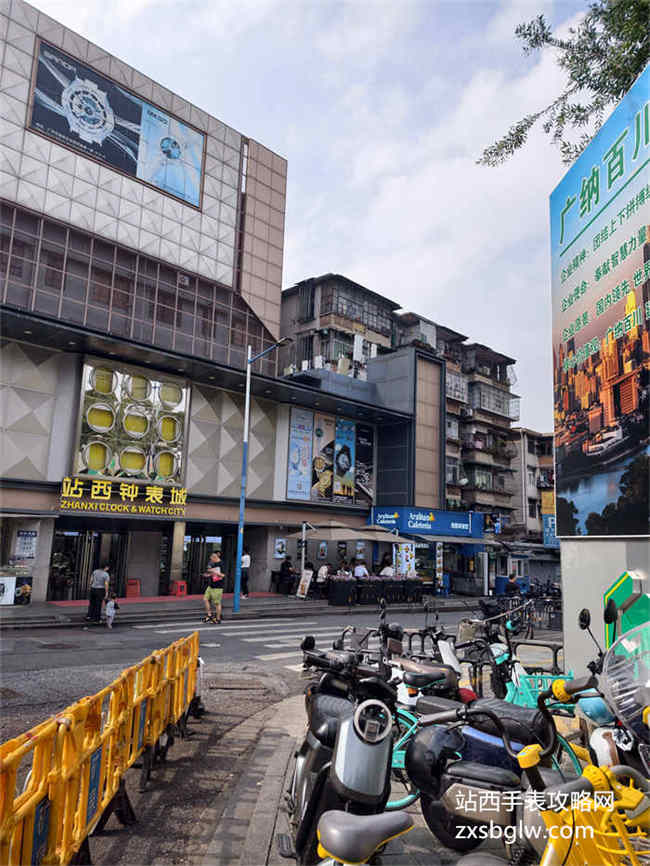
I've been standing behind this counter in Guangzhou's Station West market for over fifteen years. While the world online talks about "replicas" or "homages," down here on the ground, we just call it business. But if you are an overseas buyer looking at the so-called "Station West double-movement watch," you need to understand what that actually means before you even think about booking a flight. It isn't just about slapping two movements into one case; it is about the specific engineering logic that separates a $50 junk piece from a $300 masterpiece that looks like a million-dollar luxury item.
When I first started, everyone was obsessed with the single ETA 2824 clone. Then came the demand for dual-time zones and power reserve indicators. That is where the double-movement concept exploded. In my shop, we don't sell "fake Rolexes"; we sell high-end mechanical watches built in Guangzhou using specific movement stacks that offer functionality no mass-market brand can justify at that price point. If you want to source these, you have to know exactly where to look and how to verify the build quality without getting scammed by a middleman.
The Anatomy of a True Double-Movement Build
Let's get technical for a second. When buyers ask me about the "Guangzhou Station West double-movement watch," they often confuse a simple complication with a true dual-movement setup. A true dual-movement watch usually involves two distinct barrels driving different functions—one for timekeeping and another for complications like a perpetual calendar or a separate GMT hand that operates independently. This is rare in standard production but common in the high-end custom sector of Station West.
Why Two Movements? The Engineering Logic
In the lower tiers of the market, you see cheap quartz movements glued next to a fake automatic rotor just to look busy. That is trash. But in the premium section of the market, specifically around the 1st and 2nd floors of the Xingfa Building, you find serious manufacturers stacking movements. One movement handles the hours, minutes, and seconds, while a second, smaller movement drives the date, day, or a rotating bezel indicator. Why do they do this? Because trying to force a single complex movement to do everything often leads to fragility. By splitting the load, the watch becomes more robust and easier to service.
I remember a client from New York who wanted a watch with a moon phase and a power reserve that didn't stop when he changed the time zone. We sourced a unit from a factory near the back alley of the market. They used a modified Seagull ST25 base for timekeeping and a secondary micro-movement for the complications. The result was a watch that ran smoother than many Swiss brands costing ten times as much. This is the kind of value you only find if you talk directly to the floor managers in Station West.
Identifying the Real Deal vs. The Fake Stack
Here is the hard truth: 90% of what you see online claiming to be a "double-movement" is a lie. They use a single movement with a fake sub-dial cover. How do you spot this? You have to open the case back. In my experience, a genuine double-movement setup will show two distinct gear trains visible through the exhibition case back, or you will feel a slight difference in the winding resistance compared to a single-movement watch. When I inspect goods for my regular clients, I always check the bridge plates. If the bridges are stamped with generic numbers like "ST-1234" without any specific branding or finishing, it's likely a low-quality clone. Real factories in Guangzhou, like those supplying the high-end tier, use their own proprietary markings or clearly branded movements like the Seagull or specialized clones.
Navigating the Market: Where to Find the Best Stock
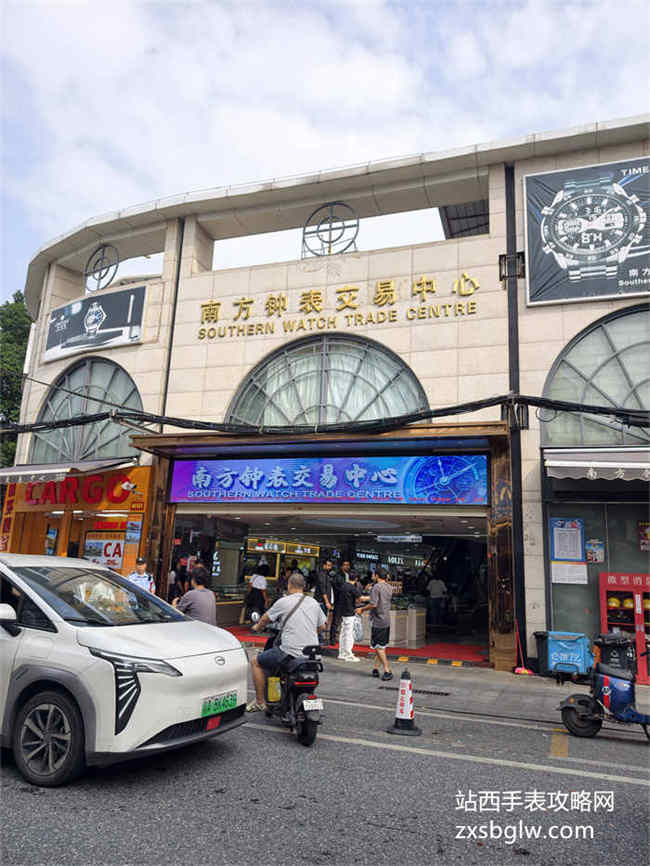
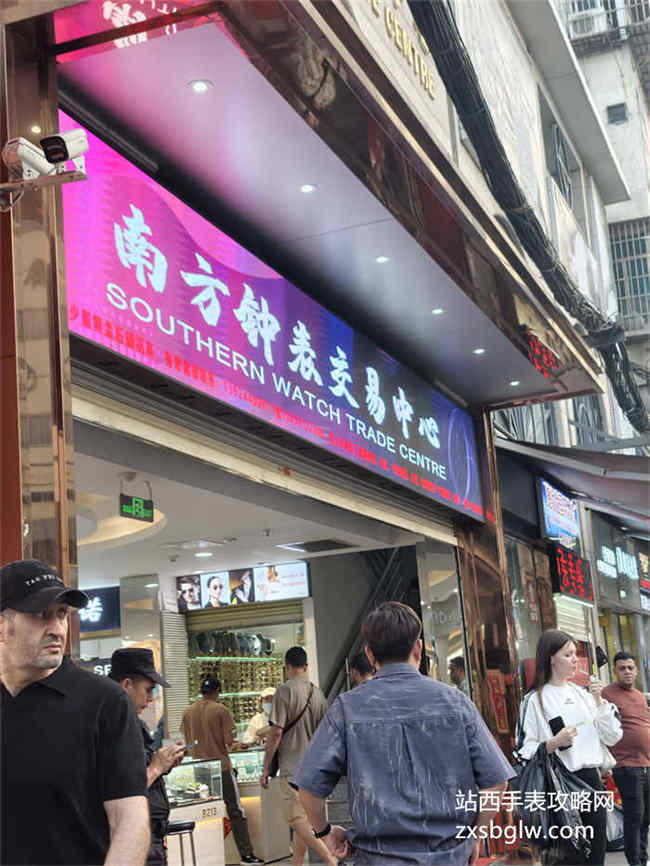
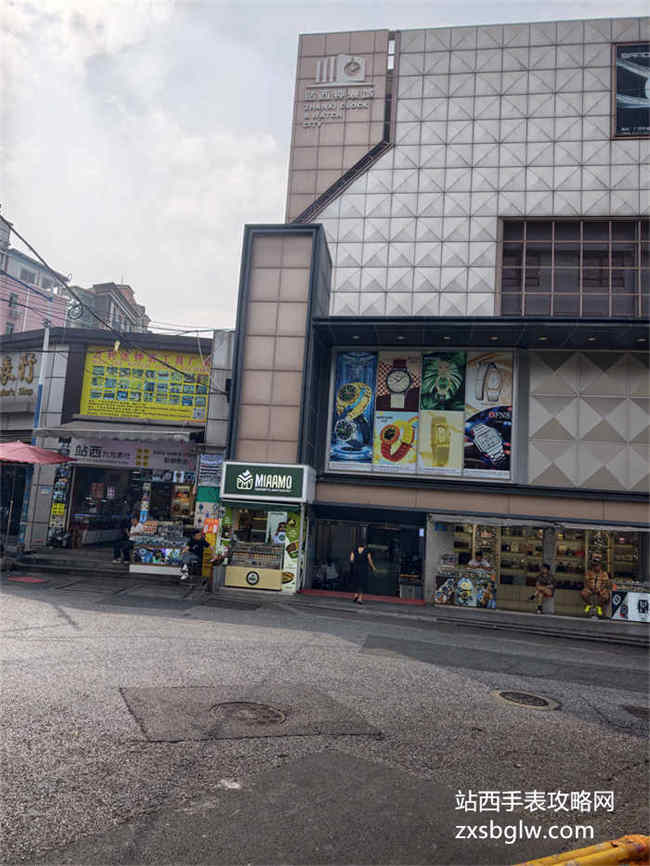
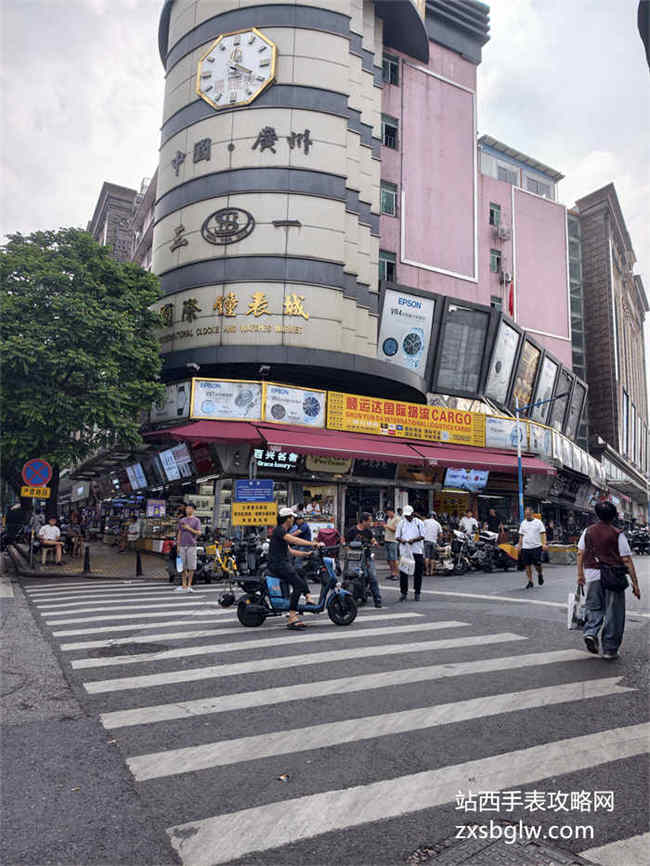
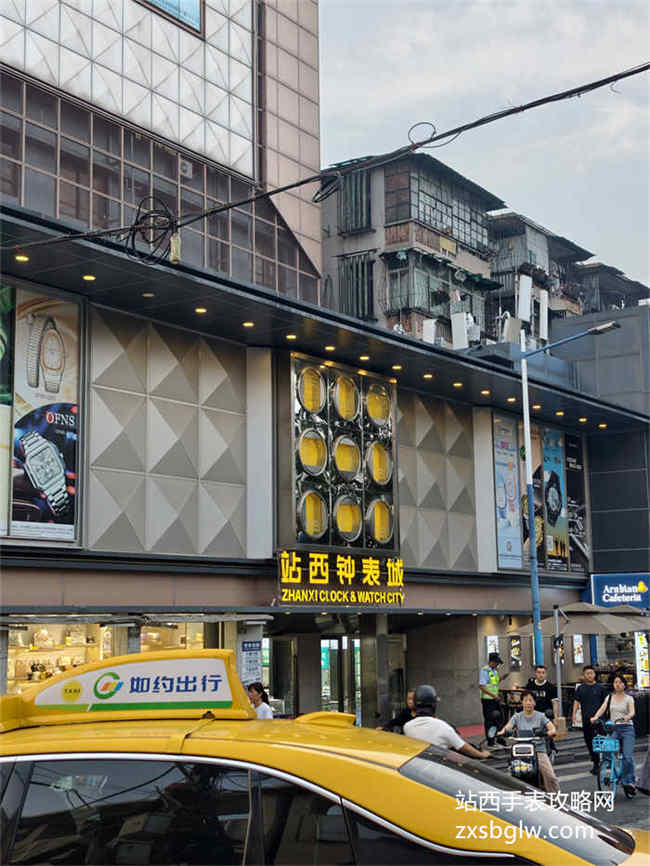
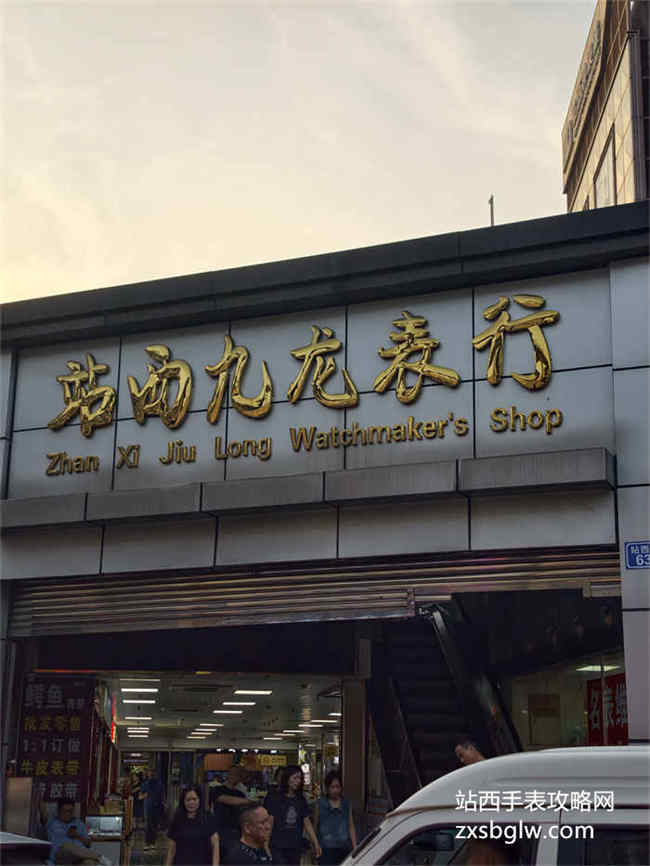
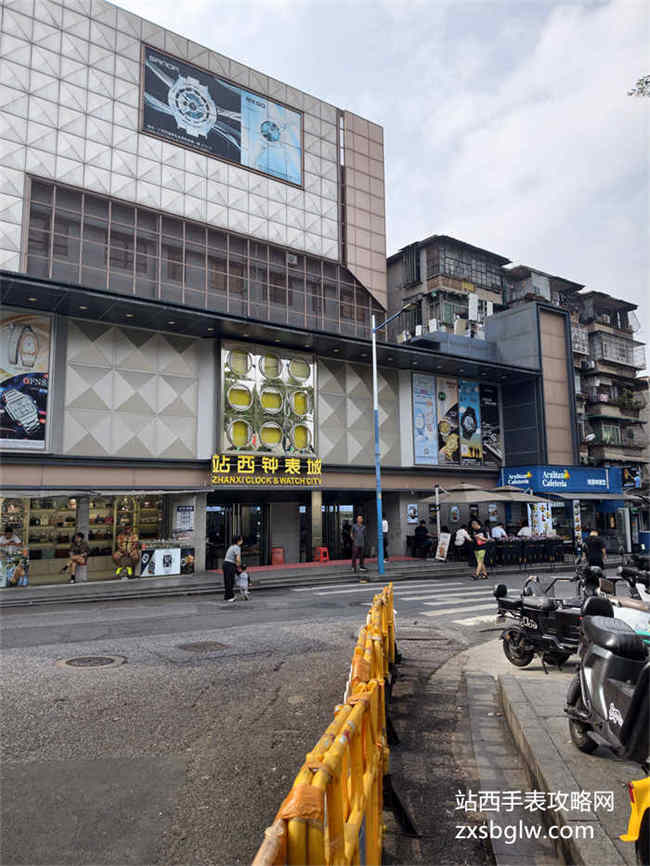
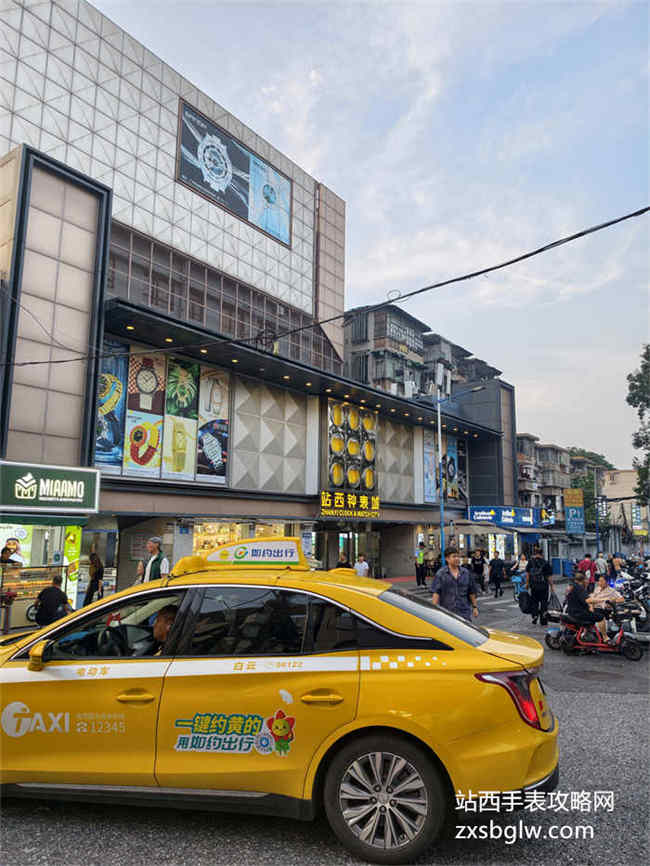
If you are flying into Baiyun Airport and heading straight to the station, don't wander aimlessly. The market is a maze. Most tourists end up in the ground-floor retail shops where prices are marked up by 300%. To find the real "Station West double-movement watch" sources, you need to go deeper.
The Hidden Gems: Xingfa and Hengda Buildings
The best inventory for dual-movement pieces is not in the flashy storefronts. It is tucked away in the upper floors of the Xingfa Building and the Hengda Building. Specifically, on the 3rd floor of Xingfa, there is a cluster of workshops that specialize in complex cases. I have a contact there, let's call him Brother Chen, who runs a small workshop specializing in dual-barrel configurations. He doesn't advertise on Alibaba. You have to walk in, speak Cantonese or Mandarin, and ask for the "high-end custom line."
Another spot is the back corridor of the Hengda Building, around the 4th floor. This area is known for "open mold" production. Here, you can find factories that produce the exact same double-movement chassis for various brands. If you order 50 units, they can customize the dial color and the logo placement. I once helped a boutique owner in London source a batch of 200 watches from a stall here. The lead time was only 10 days, and the cost per unit was under $60, which included the shipping insurance. Compare that to the $300+ retail price tag of similar items in Western boutiques, and the margin becomes obvious.
Direct Factory Access: Cutting Out the Middlemen
Many buyers make the mistake of dealing with a trading company that claims to represent multiple factories. These guys add a layer of markup and often hide the true origin of the product. In Station West, the most successful transactions happen when you meet the factory manager directly. Look for signs that say "Customization Available" or "OEM/ODM." These are usually the doors to the actual production lines. When I negotiate with these owners, I skip the sales pitch and go straight to the technical specs. I ask them about the tolerance levels of the gears and the type of lubrication used. If they hesitate or give vague answers, walk away. A real factory owner will proudly explain their process.
Inspection and Negotiation: The Art of the Deal
once you find the right stall, the real work begins. You cannot rely on photos sent via WhatsApp. You must physically handle the watch. I always bring a loupe and a timing machine to my inspections. For double-movement watches, the critical check is the synchronization of the two hands. Does the GMT hand move smoothly when you adjust the time? Does the power reserve indicator reset correctly? In my experience, cheap double-movement watches often suffer from "hand collision" issues where the two sets of hands rub against each other due to poor assembly.
The Water Test and Power Reserve Check
Before finalizing any order, I insist on a water resistance test. Many of these complex builds compromise the gasket integrity because of the extra screws needed for the dual-case design. I run a quick pressure test on every sample. Also, check the power reserve. A true double-movement watch should hold power for at least 40 hours on a full wind. If it drops below 24 hours, the mainspring is likely low quality. I once rejected a shipment of 500 units because the power reserve was inconsistent across the batch. The factory owner tried to blame it on "shipping vibration," but I knew it was a manufacturing defect. Walking away saved my client thousands of dollars in returns.
Negotiating MOQ and Payment Terms
Don't be afraid to negotiate the Minimum Order Quantity (MOQ). While some factories demand 100 units, others in the Station West market are flexible if you pay a slightly higher unit price. I usually start by asking for 20 units as a trial run. If the quality holds up, we scale up. Payment terms are also crucial. Never pay 100% upfront. A standard deal is 30% deposit and 70% upon inspection before shipping. If a seller refuses this, they are likely running a scam. Trust is earned through transparency, not aggressive sales tactics.
Summary of Key Sourcing Data
| Feature | Low-End Market (Street Level) | Premium Station West (Factory Direct) |
|---|---|---|
| Movement Type | Single fake movement with fake sub-dials | True dual-mechanism stack (e.g., Seagull + Micro-movement) |
| Location | Ground floor retail shops | 3rd-4th Floor, Xingfa & Hengda Buildings |
| MOQ | 1 unit (Retail price) | 20-50 units (Wholesale price) |
| Quality Control | None, visual inspection only | Timing machine, pressure test, hand alignment check |
| Price Range (Unit) | $20 - $40 | $50 - $90 (depending on customization) |
Buying from Guangzhou Station West is not for the faint of heart. It requires patience, local knowledge, and a willingness to dig deep. But if you navigate the market correctly, focusing on the genuine double-movement technology rather than the marketing hype, you can secure products that offer incredible value. Remember, the best deals are not found on Google; they are found in the back alleys of the market, shaking hands with the people who actually build the watches. Go there, inspect the gears, and trust your eyes. That is how you win in this game.