Why Your "Station West" Watch Order Went Wrong (And How I Fix It)
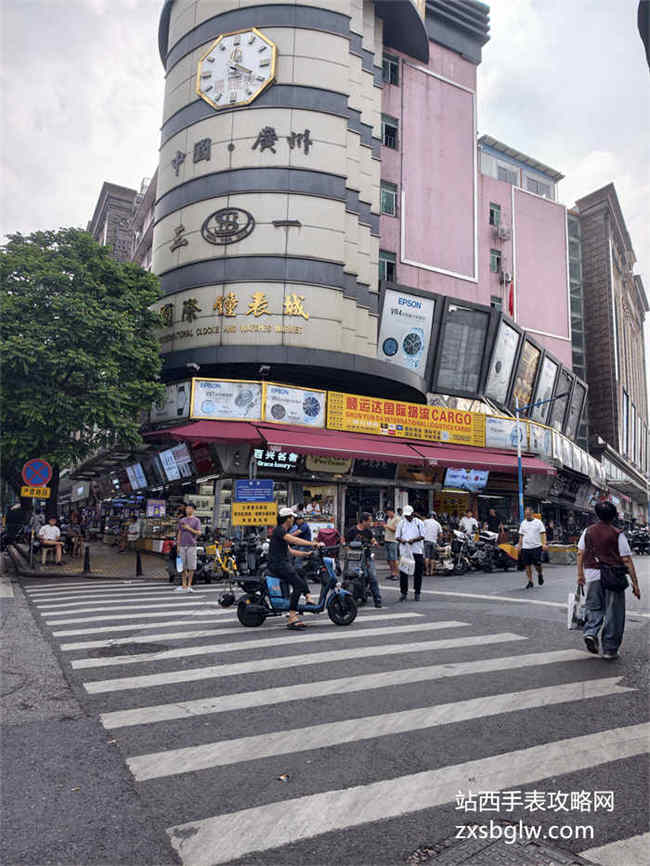
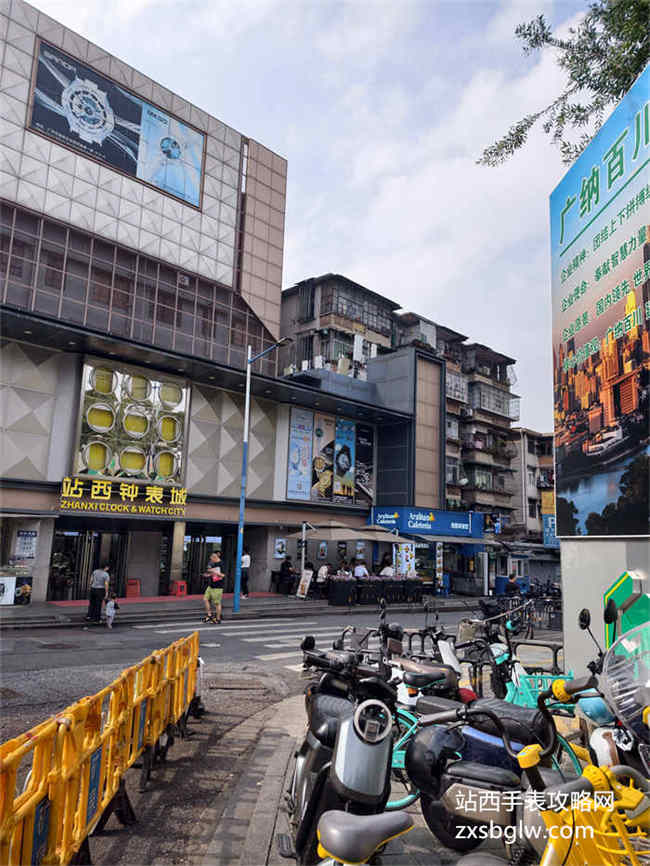
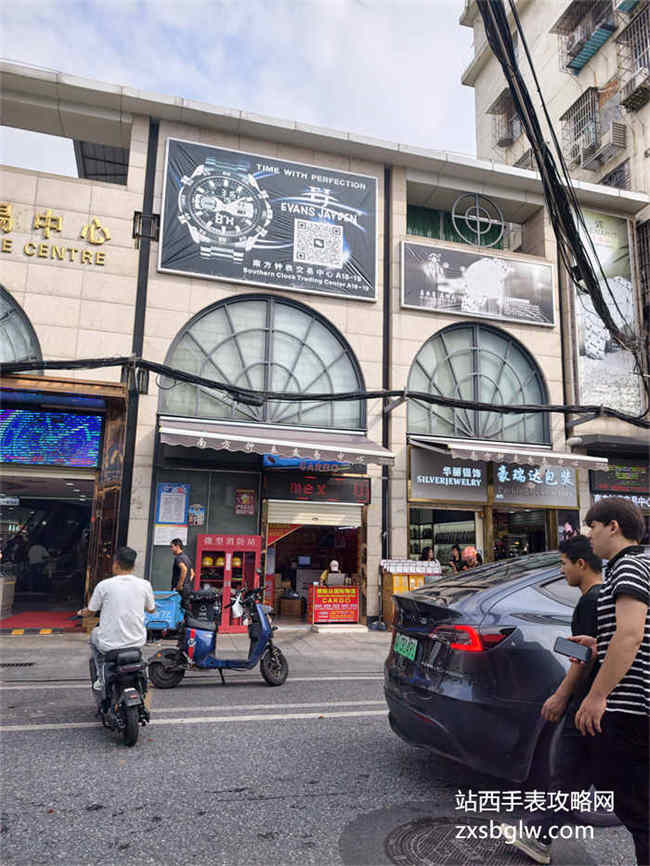
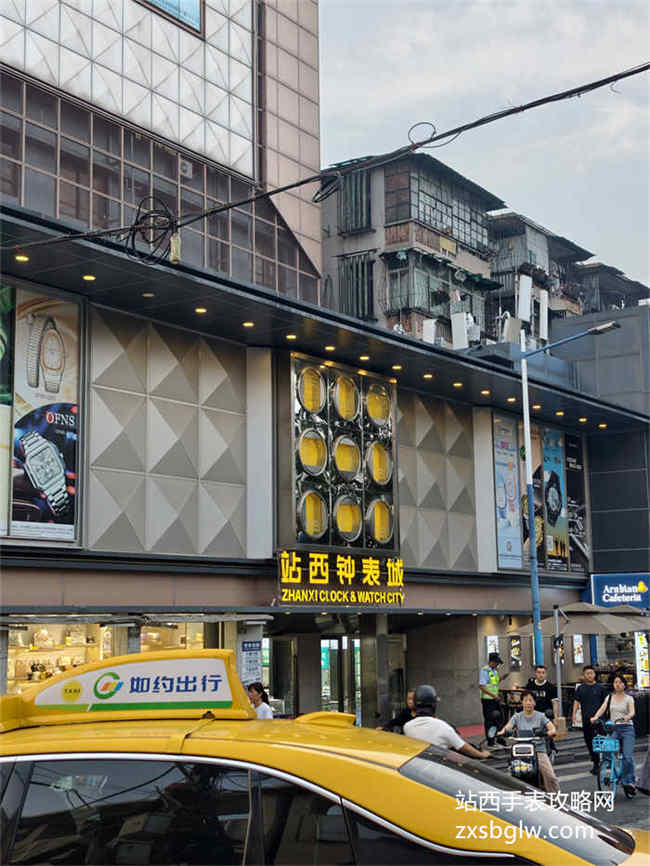
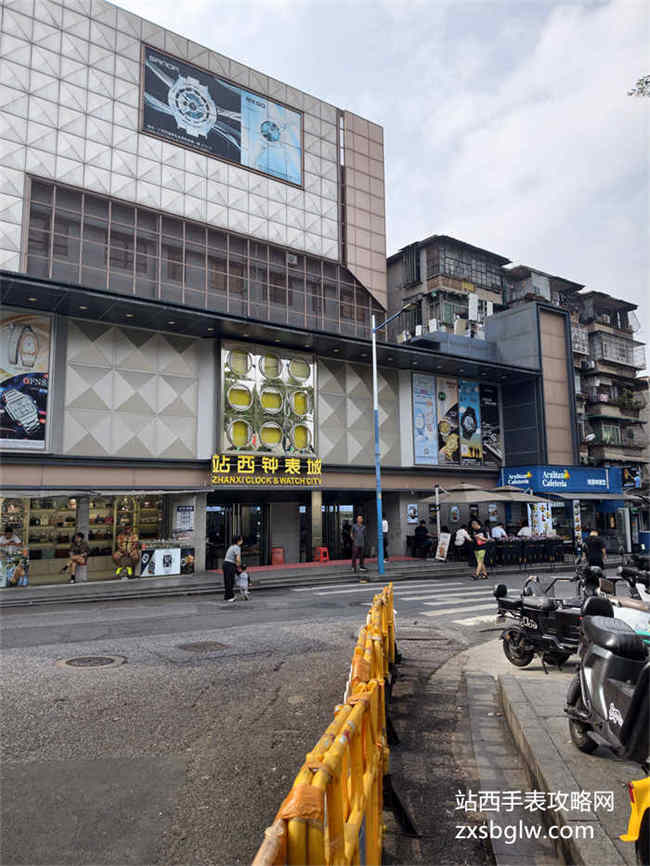
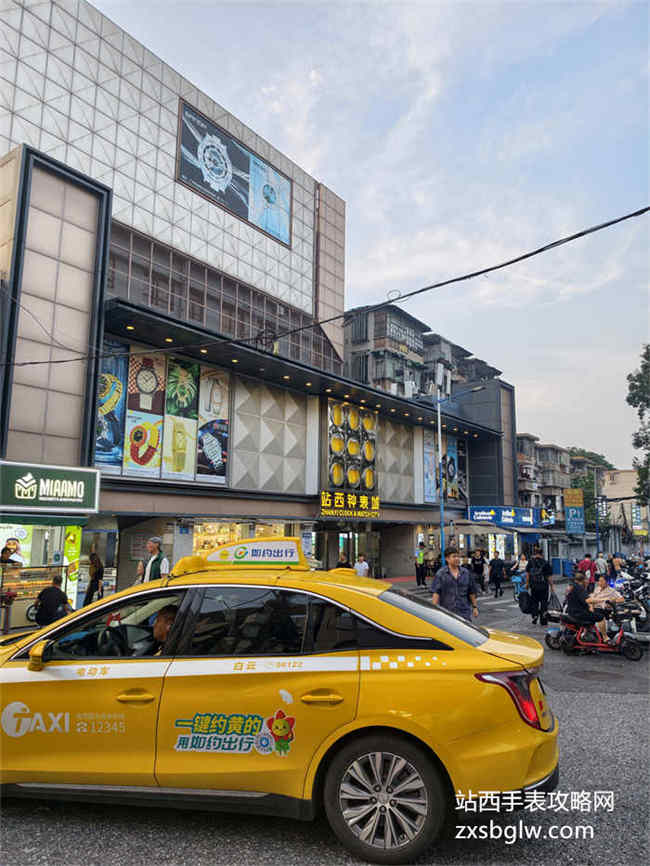
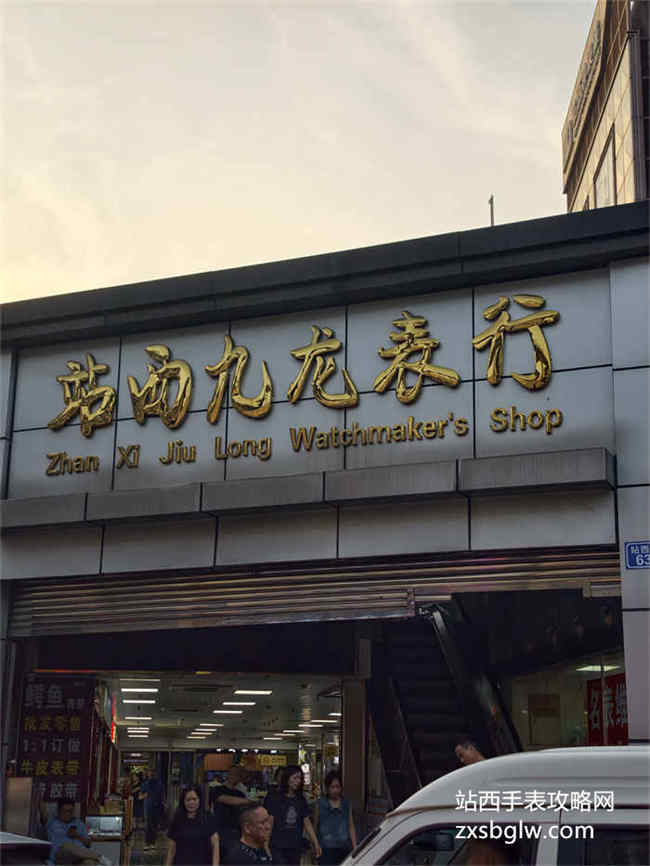
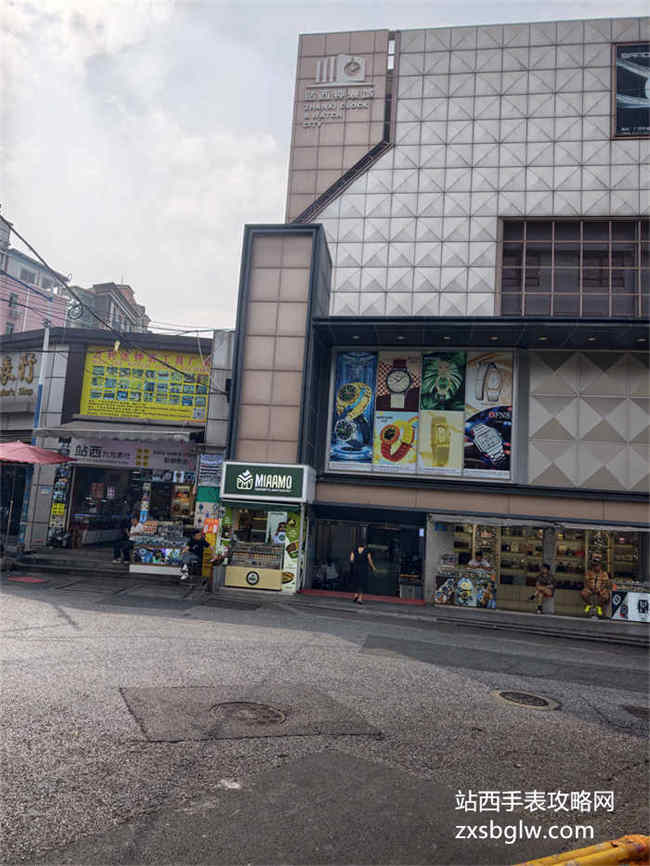
I've been standing in the same spot at Guangzhou Station West Market for over fifteen years. While you guys are scrolling through Instagram ads promising "Rolex clones for $50," I'm watching real buyers get ripped off by middlemen who don't know the difference between a 316L steel case and a cheap alloy shell. If you think you can just order from a WeChat contact without seeing the goods, you are already halfway to losing your money. The market here is chaotic, loud, and incredibly profitable for those who know how to navigate it, but it's a graveyard for tourists and inexperienced importers.
The Myth of the "One-Stop Shop"
When I first started, I believed every shop had everything. That was my biggest mistake. In reality, the market is highly specialized. You will find a stall on the second floor that only makes high-end movements, while the stall right next door specializes in leather straps and bezels. If you go to a generalist dealer asking for a full "super clone" package, they will likely sell you a mix-and-match disaster. I once watched a buyer try to buy a complete set from a generic booth. He got a watch with a fake movement inside a decent-looking case, but the strap was glued on with industrial adhesive that would peel off in two weeks. The lesson? Don't trust the "all-in-one" pitch. Go where the specialists are.
How to Spot the Real Factory vs. The Reseller
This is where most overseas buyers fail. They walk into a busy showroom, see a guy in a suit talking about "factory direct prices," and hand over their deposit. But that guy is often a reseller who bought the stock from a factory three floors down and is marking it up by 30%. To avoid this, you need to look past the polished display cases.
The "Back Room" Test
If a seller refuses to show you the back room or the workshop area, run. Real factories in Guangzhou Station West have a specific smell—oil, metal shavings, and soldering flux. When I take clients to the actual production lines, usually located in the basement or upper levels of buildings like the Tianhe Building, you can hear the hum of machines. A reseller's office is always quiet, air-conditioned, and filled with finished products. I remember one time, a client wanted to buy 50 units of a specific model. The seller claimed he had them in stock. I asked to see the inventory log. He couldn't produce it. Later, I found out he was just holding a few samples and had no connection to the source. Always ask for the batch number and verify it against the production schedule.
Understanding the Movement Hierarchy
You cannot negotiate a price if you don't understand what's under the dial. In the Station West market, we talk about movements like Seagull ST820, Miyota 9015, or the custom-made 3135 clones. A "high-end" replica might use a cloned 3135 movement, which costs around $40-$60 in bulk, while a budget version uses a Chinese automatic movement costing $15. If a seller quotes you $25 for a "top tier" watch, they are lying. The cost of materials alone doesn't add up. I always advise my international partners to request a disassembly video before shipping. This simple step reveals the true quality of the movement and prevents you from receiving a "fake high-end" product.
Negotiation Tactics: Getting the Real Wholesale Price
Many buyers come here thinking they can haggle like they do in a street market. That doesn't work in the wholesale sector of Guangzhou Station West. The prices here are fixed based on volume and relationship. If you walk in as a single buyer looking for one piece, you will pay retail prices, which are 3x to 4x higher than the factory gate price.
The Volume Threshold
To get the real factory price, you need to hit the minimum order quantity (MOQ). For most popular models, the MOQ is 10 pieces. Below that, the price jumps significantly. I once helped a client who ordered 5 watches. He thought he was getting a deal because the seller gave him a "discount." In reality, he paid $120 per watch when the bulk price was $75. By bundling his order with another importer, he saved nearly $200 on a single shipment. Never underestimate the power of grouping orders. Also, be prepared to pay a deposit. In this market, a 30% deposit is standard, and the balance is due before shipping. If a seller asks for 100% upfront via Western Union, it's a red flag.
Reading the Body Language
When negotiating, watch the seller's eyes. If they look away when discussing quality, they are hiding something. If they immediately start talking about "customization" without asking about your target market, they are trying to upsell you on unnecessary features. I always tell my clients to be firm but polite. Say, "I know the market price for this movement is X. If you can match that, I'll place an order for 50 units today." Most sellers will drop their guard and give you the real number because they want the volume.
Quality Control: The Final Step Before Payment
Even after negotiation, the risk isn't over. Shipping defective goods from China is a nightmare. I've seen too many containers arrive with water damage or broken crystals. That's why I insist on a rigorous inspection process before the final payment is released.
The "Three-Point Check"
Before you sign off on a shipment, demand a video call inspection. Focus on three points: the crystal clarity, the movement accuracy, and the case finishing. I once caught a batch of watches where the date window was slightly misaligned. The seller tried to pass it off as "minor cosmetic variation." I refused to pay the balance until they reworked the entire batch. It took two days, but it saved me from a customer service disaster later. Another common issue is the weight. Some sellers swap heavy stainless steel for lighter alloys to cut costs. Use a digital scale to verify the weight matches the specification sheet.
documentation and Packaging
Don't forget the paperwork. Every watch should come with a box, manual, and warranty card. If these are missing, the value drops. Also, ensure the packaging is secure. I recommend using bubble wrap and foam inserts for every unit. One cracked crystal during transit can ruin the reputation of your entire brand. I always suggest adding a small "quality check" sticker on the box so the end customer knows it was inspected.
Summary of Key Takeaways for Buyers
| Area | Common Mistake | Pro Tip |
|---|---|---|
| Sourcing | Buying from generalist resellers | Visit specialized stalls in the Tianhe Building; ask for factory access. |
| Movement | Assuming all "clones" are equal | Verify movement type (e.g., 3135 vs. ST820) via disassembly video. |
| Pricing | Haggling for single units | Aim for MOQ of 10+ units to unlock wholesale rates. |
| QC | Trusting photos alone | Conduct live video inspection focusing on weight, alignment, and crystal. |
| Payment | 100% upfront transfer | Use 30% deposit, 70% balance upon verified inspection. |
Guangzhou Station West is not a place for the faint-hearted. It requires knowledge, patience, and a sharp eye. But if you follow these steps, you can bypass the scams and get the best deals available in the world. Remember, the market rewards those who do their homework. Don't let the noise of the crowd fool you; the real value is in the details. Stay safe, stay smart, and always inspect before you pay.