Why the "Zhanxi Watch" Reputation is Actually a Myth (and How to Fix It)
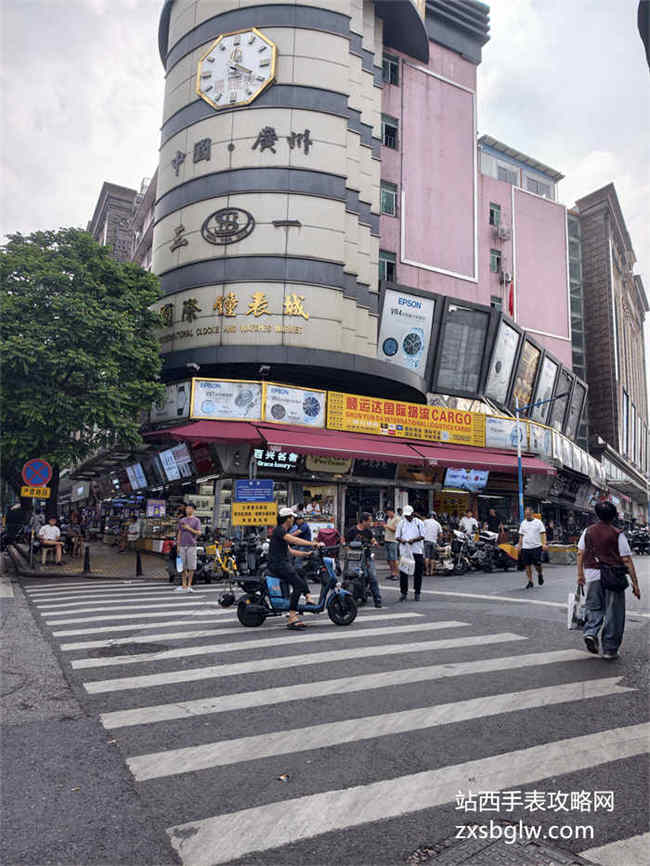
I've been standing behind this counter in Guangzhou for over fifteen years. While you guys are scrolling through forums like the "Zhanxi Watch Tieba" looking for magic links or secret factory codes, I'm watching tourists get ripped off right outside my door. Let's be real: the internet has turned "Guangzhou Zhanxi Watch Market" into a buzzword that means everything and nothing at the same time. People think it's a single building where you can walk in, buy a Rolex replica, and ship it globally. That's not how it works. The truth is buried in the alleyways of Liuhua District, and if you want to actually source high-quality timepieces without getting scammed, you need to stop thinking like an online shopper and start acting like a local buyer.
The Reality of the "Tieba" Hype
When I read those threads on the Chinese forums, half the advice is outdated garbage from five years ago. They talk about specific "versions" that no longer exist because the factories have moved their operations underground or upgraded their molds. If you go to the market today based solely on a forum post saying "Go to Shop 405," you will likely find a different shop entirely. The market is fluid. What was a top-tier spot last year might be a storage room now. My advice? Don't trust the map; trust your eyes. The "Zhanxi Watch" ecosystem isn't just about the goods; it's about the network of relationships built over decades.
Navigating the Physical Maze: Where to Actually Go
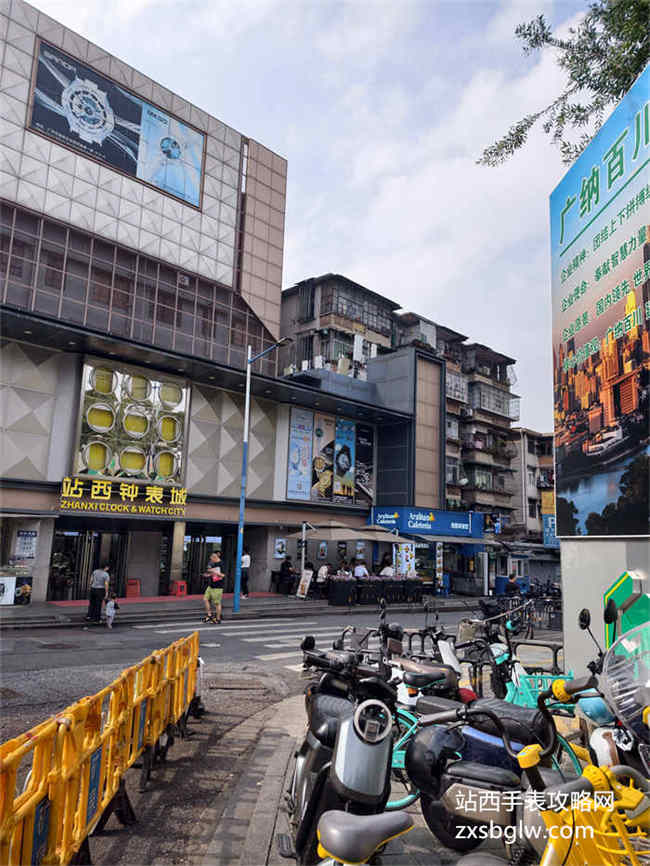
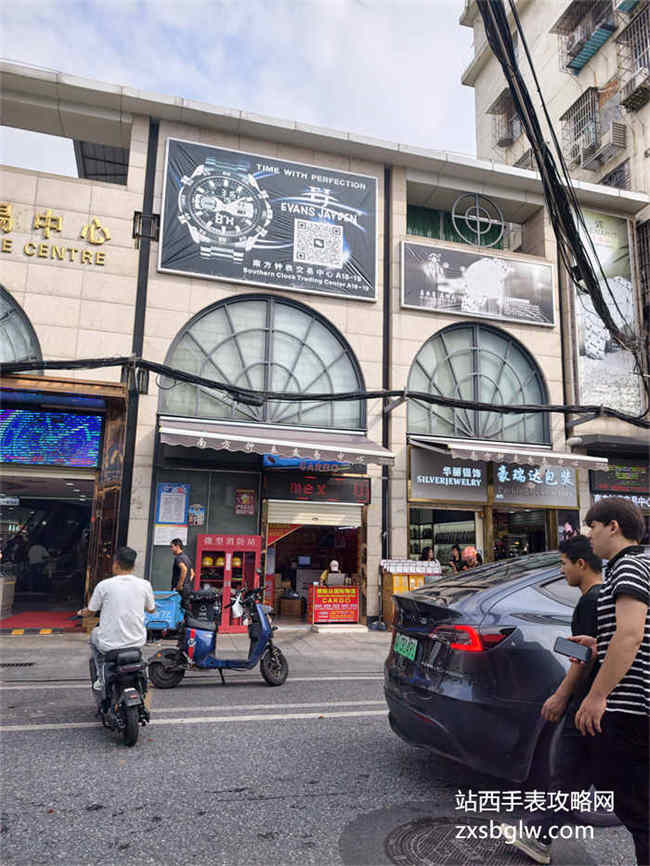
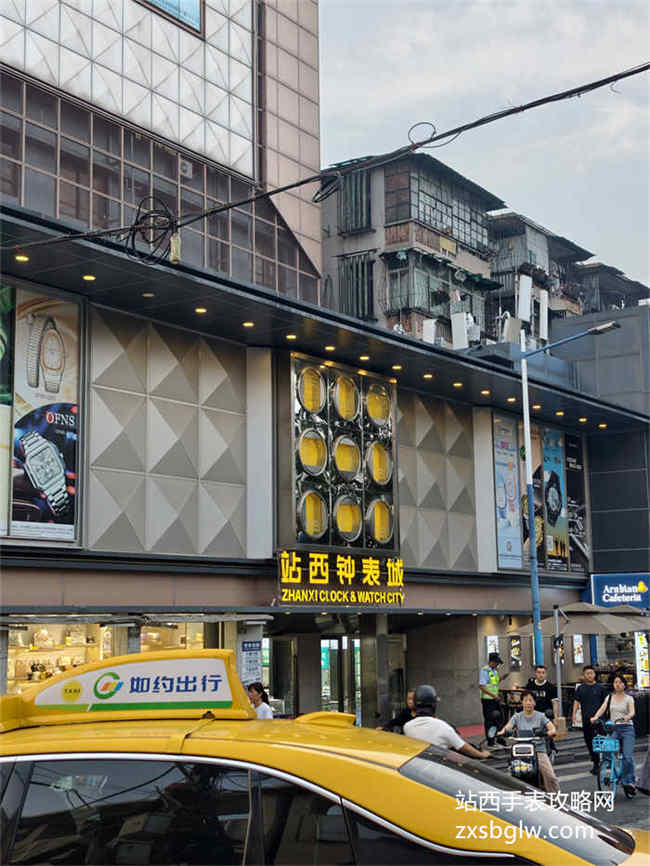
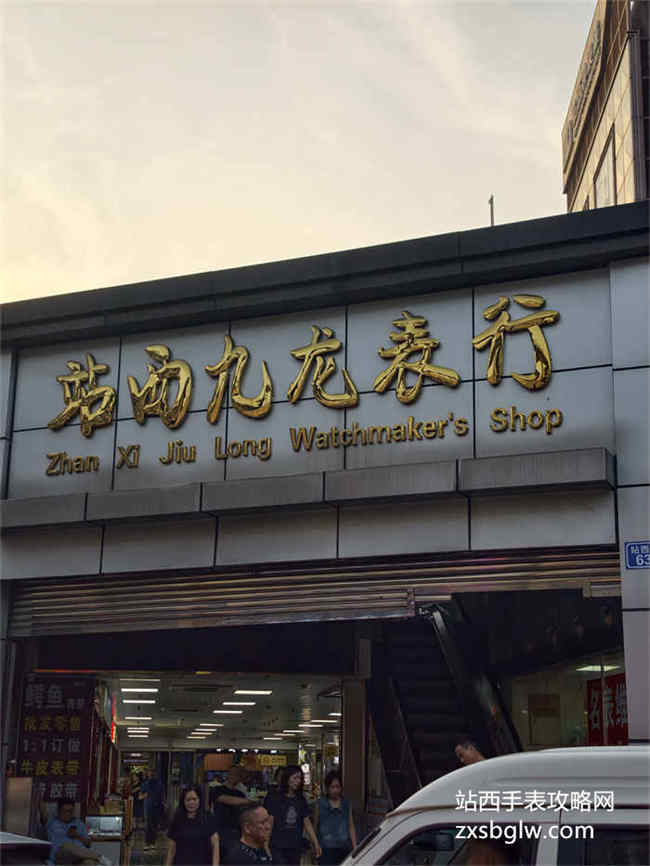
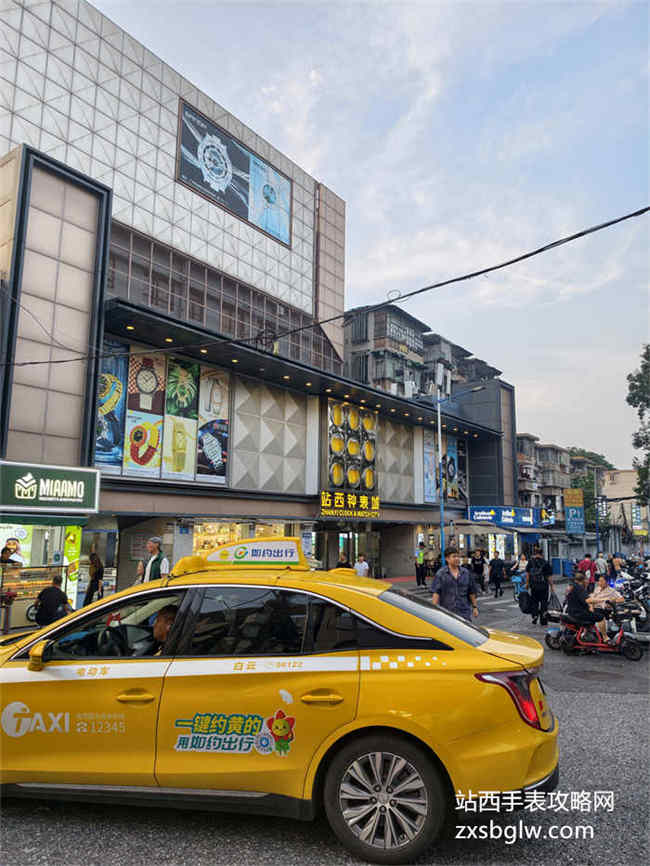
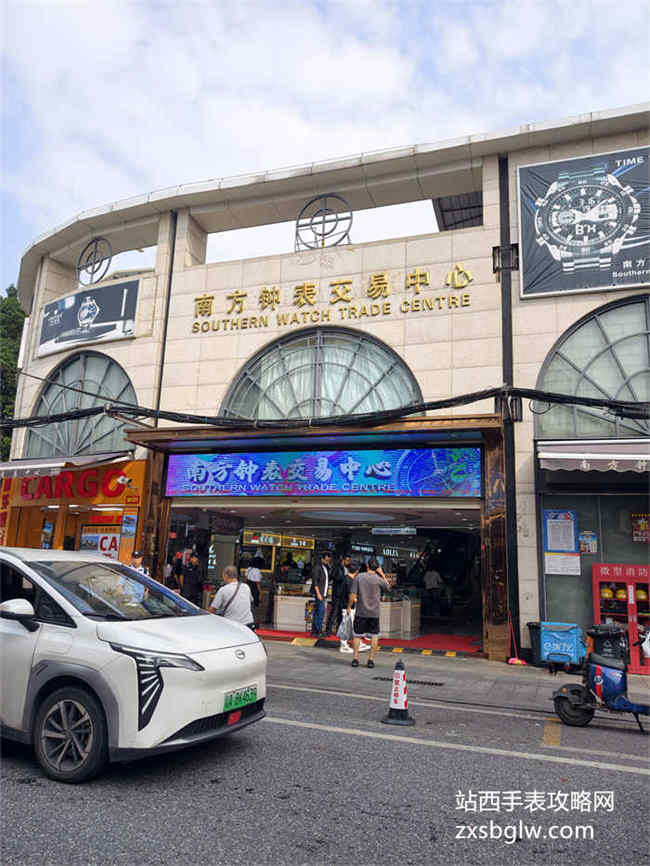
You cannot do business here with a laptop. You need to be on the ground. The core of the operation revolves around two main hubs: the old Zhanxi Road area and the newer, more organized complexes nearby. Most people get lost trying to find the "big" buildings, but the real action happens in the smaller, less flashy structures.
The Golden Zone: Zhanxi Road and Surrounding Alleys
Let me give you a specific address that actually works. Forget the fancy malls. Head straight to the Zhanxi Road Watch Wholesale Center. This is the historic heart. Inside, look for the third floor of Building B. Specifically, I recommend visiting Shop 312, run by Uncle Chen. He's been here since 2008. His stock is strictly limited to what he calls "Grade A+," which is his way of saying they use Swiss movements and sapphire crystals, not the cheap quartz stuff you see in tourist traps. Another solid spot is Shop 209 on the second floor of the adjacent building, known as the "Golden Eagle." They specialize in vintage-style pieces and have a very loyal client base from Europe and the US.
The Hidden Factories: Beyond the Showroom
Here is the secret nobody talks about on those forums. The best watches aren't always on the shelves. Many of the top-tier manufacturers operate out of small workshops in the back alleys of Lianhua Street, just a ten-minute walk from the main market. These aren't big factories with neon signs; they are small rooms with rows of workbenches. If you ask the shop owners in Zhanxi Road, they will often tell you, "We don't make them, we source them from the workshop down the street." That is where you get the real deal. For example, there is a workshop called "Precision Time" located in the basement of a residential building near the subway exit. They produce the "Super Clone" movements that rival the original brands. But you won't find them on Google Maps. You need a guide, or you need to build trust with a shop owner like Uncle Chen first.
The Art of Inspection: Seeing What Others Miss
When you finally get a watch in your hand, most buyers check the logo and the weight. That is amateur hour. In my experience, the difference between a $50 fake and a $500 "high-end replica" lies in the micro-details. When I inspect a piece for my overseas clients, I use a loupe to check the engraving depth on the case back. Is it laser-etched or stamped? Stamped looks flat and blurry under magnification. Laser-etched has crisp edges.
Movement Matters More Than Branding
Let's talk numbers. A standard low-end movement costs about $15 to manufacture. A high-end clone movement, like the Seagull ST2130 or a custom-built automatic, costs around $60 to $80. The price difference is visible in the smoothness of the sweep. Cheap ones tick visibly; good ones glide. I once had a client who bought a batch of watches from a random stall for $30 each. When they arrived in New York, three out of ten stopped working within a week. Why? Because the seller used a "fake ETA" movement that looked real but had poor lubrication. I told him to come back, and I showed him the difference. We swapped them for units from Shop 312, which cost $75 each but lasted years. The math is simple: spend 2.5x more upfront, save 10x in returns later.
The "Water Test" and Weight Check
Another trick I learned the hard way is the water test. Not submerging the watch, but checking the seal. High-quality cases have gaskets that resist humidity. If you hold the watch up to a light and see dust inside the crystal, walk away. Also, weigh it. A genuine stainless steel case feels heavy. If a "Rolex Submariner" weighs less than 180 grams, it's hollowed out or made of cheap alloy. I keep a digital scale in my pocket. If a client brings me a watch that feels light, I know immediately it's a "tourist special."
Negotiation Tactics: Speaking the Language of Trade
Don't try to haggle like a tourist. If you act like you don't know anything, they will charge you double. The key is to speak like a pro. Use terms like "MOQ" (Minimum Order Quantity) and "Tier 1 Quality." Even if you only want one piece, say you are testing a new line for your store. This changes the dynamic. Instead of being a customer, you become a potential partner.
The "Sample First" Strategy
Never place a bulk order without seeing a sample. I always tell my international friends to ask for a "sample fee." Yes, you pay extra for one unit, but it guarantees quality control. once you verify the sample, the rest of the batch should match. If the sample is perfect but the bulk is different, you have leverage to demand a refund or replacement. I've seen too many buyers lose money because they trusted a photo. Photos lie; physical objects don't.
Building Long-Term Trust
The biggest mistake foreign buyers make is treating every transaction as a one-off. In Guangzhou, relationships are currency. If you treat Uncle Chen well, bring him gifts, and pay on time, he will give you access to the newest molds before anyone else. He might even let you skip the queue during peak season. This is the "Zhanxi Watch" advantage that no website can replicate. It's about human connection.
Summary of Key Locations and Tips
| Location/Shop Name | Specialty | Best For | Estimated Price Range (USD) |
|---|---|---|---|
| Zhanxi Road Watch Center, Shop 312 | High-end Automatics, Sapphire Crystal | Bulk Orders, Serious Buyers | $60 - $120 |
| Zhanxi Road, Shop 209 (Golden Eagle) | Vintage Styles, Leather Straps | Unique Designs, Small Batches | $45 - $90 |
| Precision Time Workshop (Lianhua St.) | Custom Movements, Super Clones | Technical Enthusiasts, R&D | $80 - $150 |
| Random Tourist Stalls (Ground Floor) | Low-Quality Quartz, Fake Logos | Avoid Completely | $15 - $30 |
Final Thoughts: Your Journey Starts Here
The "Zhanxi Watch" market is a beast. It's chaotic, loud, and sometimes overwhelming. But if you approach it with respect, knowledge, and a willingness to learn, it offers opportunities that no other supply chain can match. Stop relying on the forums. Get on a plane, land in Guangzhou, and walk the streets. See the dust, smell the leather, and feel the metal. That is where the real story begins. Remember, the best deals aren't found online; they are found in the handshake between a buyer and a seller who knows exactly what they are talking about.