Real Talk: The Price of Station West Watches from a Veteran Shop Owner
Welcome to the real deal. I've been standing behind this counter in Guangzhou's Station West market for over fifteen years, watching the tide of fashion wash over us and recede. You see, most people think "Station West watches" are just cheap knockoffs you buy on the side of the road. That is a massive misunderstanding that costs buyers thousands of dollars every year. If you are an overseas buyer looking to source timepieces, you need to understand that the price range here isn't a single number; it is a spectrum defined by movement quality, finishing details, and the specific factory lineage behind the dial.
When I first started, the market was chaotic. Now, it has matured into a highly specialized ecosystem. Let me break down exactly what you will pay for different tiers of goods, not based on some generic internet article, but based on the actual invoices I have signed and the stock I have moved out of my warehouse daily.
The Three Tiers of Pricing: What Your Money Actually Buys
In the world of Guangzhou watch sourcing, we don't talk about "cheap" or "expensive." We talk about the caliber of the movement and the grade of the casing. This distinction is wher 90% of new buyers get burned because they try to buy a Grade A product at a Grade C price.
The Entry Level: $15 to $40 Range
This is the bread and butter of the lower floors in the Da Dong Building. Here, you are looking at simple quartz movements or very basic automatics like the Seagull ST19 clone without the finishing. The case steel is often 304 stainless steel with a thin plating that might fade after six months of wear. In my experience, if you are buying these for a promotional giveaway or a low-end retail bundle, the cost per unit hovers around $20 to $30 USD wholesale. However, do not expect them to hold value or last more than a year. I once had a client from Brazil who bought 500 units at $18 each, only to find the bezel spinning loose within weeks. That is the risk of the bottom tier.
The Mid-Range Sweet Spot: $60 to $120 Range
This is wher the serious business happens. When I say "Guangzhou Station West watches," this is usually the tier international resellers are actually interested in. You are getting genuine Japanese Miyota 8215 or 9015 movements, sometimes even Seiko NH35 clones that run incredibly smooth. The cases are now full 316L solid steel, sapphire crystals with anti-reflective coating, and proper water resistance testing up to 5 ATM. The price here reflects the labor. Hand-polishing the lugs, assembling the bracelet links, and setting the dial correctly takes time. I can tell you from personal negotiation tables that a high-quality diver style watch in this tier sells for roughly $75 to $90 FOB (Free On Board) when you order 50 pieces. If you go below $60 for this spec, be warned: the movement is likely a fake Seagull or a refurbished junker.
The High-End Replicas: $150 to $300+ Range
We must address the elephant in the room. There is a segment of the market dedicated to "super clones" that mimic luxury brands like Rolex or Omega with terrifying accuracy. These use modified ETA 2824 movements, ceramic bezels, and heavy gold plating via PVD. The price jumps significantly because the tooling costs are astronomical. A top-tier "Grade AAAA" piece from a factory in the back alleys of Liwan District can cost me $180 to make, and I sell it to trusted partners for $220. Anything claiming to be this quality for under $100 is lying to you. The craftsmanship required to match the weight and feel of a genuine luxury watch simply cannot exist at a lower price point due to material science limits.
Navigating the Market: My Field Experience in Liwan District
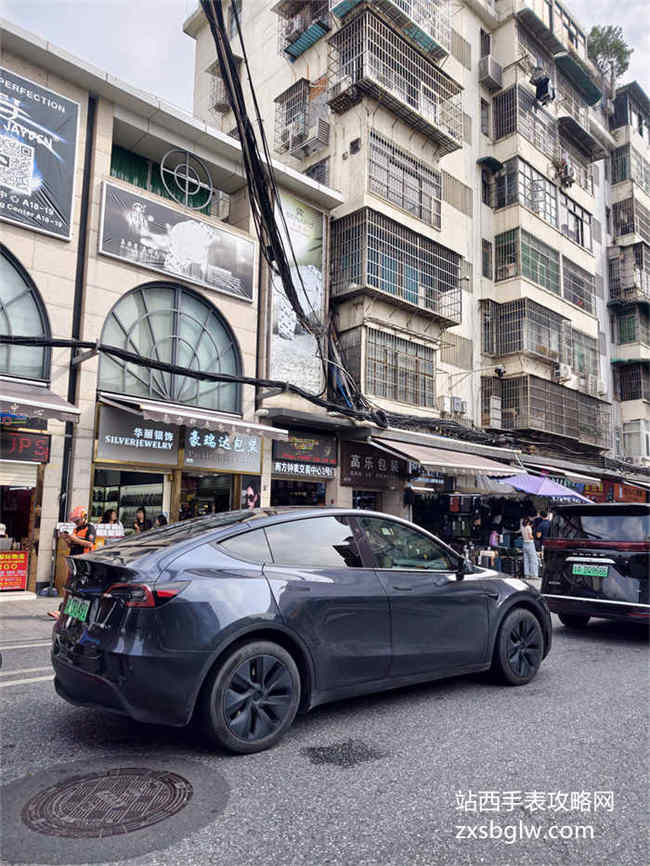
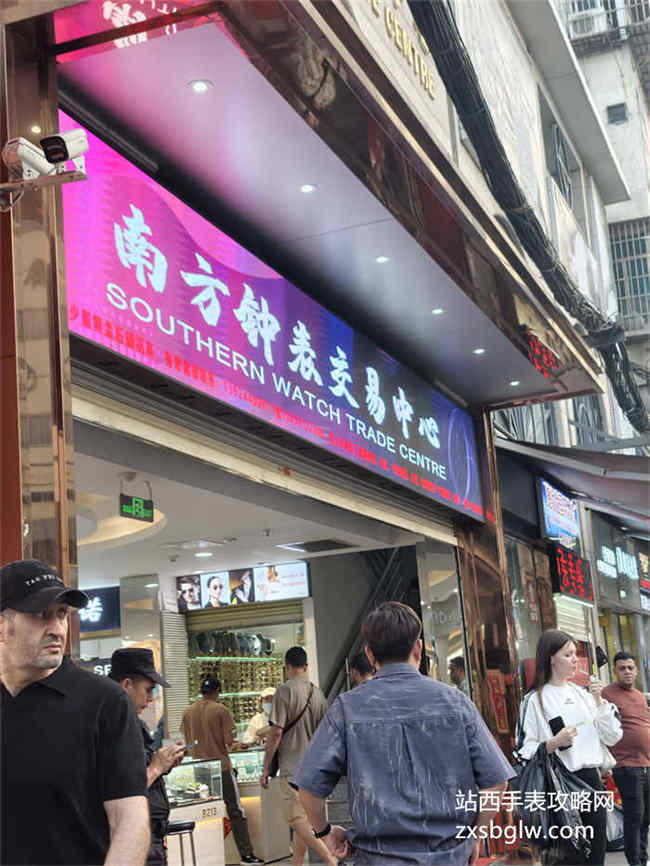
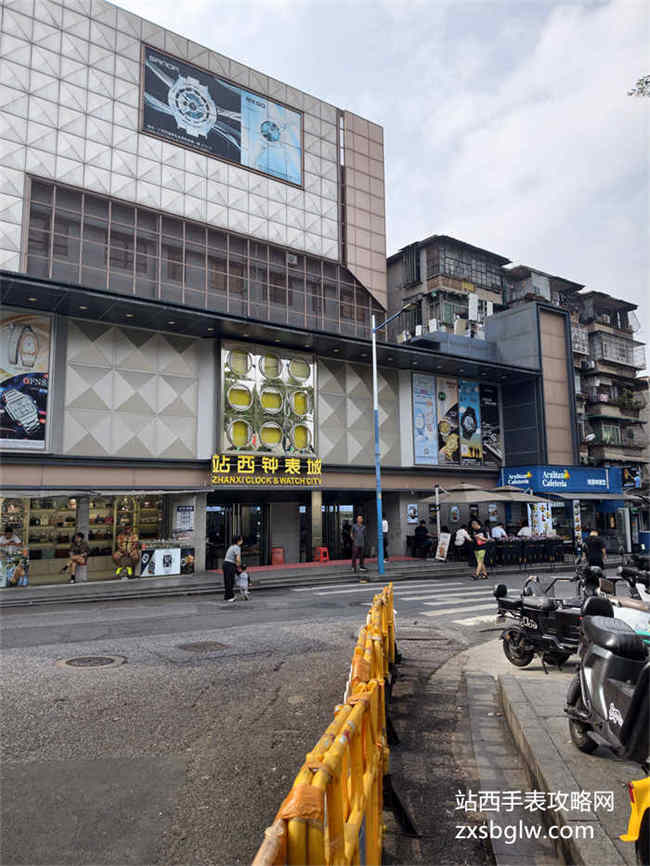
Walking into the Station West market without a plan is a recipe for disaster. The layout is confusing, and the noise level is deafening. I always advise my foreign clients to start at the ground floor of the Da Dong Building, but quickly move upstairs to the 3rd and 4th floors wher the better factories have their showrooms.
Identifying the Right Factory Directories
You cannot just walk in and ask for "watches." You need to know which building houses which type of production. For example, if you want high-end automatic movements, you need to look for shops near the entrance of the Hengda Plaza. I have a contact there, a shop owner named Mr. Chen, whose stall is located on the 2nd floor, aisle B, booth 204. He specializes in the "V2" versions of popular models. His pricing is transparent: $85 for the base model, $110 for the sapphire version. Another key location is the Jinmao International building, specifically the 5th floor, wher several smaller workshops operate. They are less flashy but offer better customization for small batches. I once sourced a batch of 200 chronographs from a workshop on the 4th floor of Jinmao that didn't even have a sign outside, yet their quality control was superior to many branded stores.
The Art of Negotiation and MOQ
Here is a secret that online articles never tell you: the listed price is rarely the final price. In my fifteen years, I have learned that the opening bid is always inflated by 20%. If a vendor says $100, your starting offer should be $75. But remember, volume changes everything. If you are buying 10 pieces, you are a tourist. If you buy 100, you are a partner. I recently negotiated a deal for a client from the US. The initial quote was $95 per unit for a 50-piece order. By committing to a recurring monthly order of 200 units, I brought the price down to $72. That is a 24% savings purely through relationship building. Never accept the first number. Always ask, "What is the best price for a trial order of 50, and what is the price for a container load?"
Critical Pitfalls: How I Saved Clients from Losing Money
I have seen too many buyers lose their capital because they skipped the inspection phase. The photos sent via WhatsApp are often edited to hide flaws. You must physically inspect the goods before payment clears.
The Movement Check
Never trust a claim of "Swiss movement" unless you see the serial number etched on the rotor. In the Station West market, we use terms like "Japanese movement" or "Seagull" loosely. I once caught a vendor trying to pass off a Chinese clone as a Swiss ETA 2824. The beat rate was off, and the power reserve was half of what was promised. Always bring a loupe or a movement tester if possible. If you are ordering remotely, hire a third-party inspection service in Guangzhou. It costs about $50, but it saves you thousands.
The Packaging Trap
Many vendors advertise "luxury packaging" but deliver flimsy cardboard boxes. Real luxury packaging involves magnetic closures, velvet linings, and holographic tags. When I source for my own inventory, I insist on custom packaging that matches the watch tier. A $100 watch deserves a box that feels like a $1000 watch. Do not skimp here; the unboxing experience is what drives repeat customers for your brand.
Summary of Sourcing Costs and Expectations
To wrap this up, let's look at a quick comparison table based on my recent transactions. This data represents the average wholesale prices for standard orders of 50+ units.
| Quality Tier | Movement Type | Case Material | Estimated Cost (USD) | Best For |
|---|---|---|---|---|
| Entry Level | Basic Quartz / Clone | 304 Steel / Plated | $15 - $40 | Promotional items, Low-cost retail |
| Mid-Range | Miyota 8215 / NH35 | 316L Solid Steel | $60 - $120 | Brand building, E-commerce resale |
| High-End | Modified ETA / Seagull | 316L + Ceramic/PVD | $150 - $300+ | Luxury replica market, Collectors |
Remember, the Station West market is a living organism. Prices fluctuate with raw material costs and shipping rates. But the core principle remains: you get what you pay for. If you want to succeed as an overseas buyer, treat this market with respect, build relationships with the right shop owners like Mr. Chen, and never skip the physical inspection. The money you save on a bad deal today will cost you ten times more in returns and reputation damage tomorrow. Go to Guangzhou, walk the floors, touch the steel, and make your own decisions. That is the only way to truly master the art of sourcing.
 On-site Visits
 Free Sharing
 Avoid Scams
 Updated Frequently
 For Reference Only