Why the "Station West" Code is Your only Ticket to Real Wholesale Prices
I've been standing behind this counter in Guangzhou's Station West market for over fifteen years. While you guys are scrolling through Instagram ads claiming "Swiss quality at 10% of the price," I'm watching real buyers get ripped off because they don't speak the language of the floor. If you think you can just walk into a random shop and ask for "Rolex replicas" without knowing the slang, you're already losing money before you even open your wallet. The Station West watch market isn't like a mall; it's a battlefield wher information asymmetry is the only weapon that matters.
The Secret Language You Need to Know
When I first started, I thought everyone spoke English. Big mistake. The real deals happen when we switch to Cantonese or the specific industry jargon. When a buyer asks for "high quality," they usually get the "low version" (often called "A-grade" or "J-grade" depending on the year). But if you say you want the "Top Version" or specifically ask for the "N Factory" movement with the "blue dial correction," suddenly I know you aren't a tourist. We use terms like "Zhen Pin" (real pin) to describe the weight and feel, and "Gong Fang" (factory) to distinguish between the actual manufacturer and the middleman. If you don't know the difference between a "Kai He" (open case) and a "Bi He" (sealed case), you will end up paying retail prices for a $500 replica that costs $80 wholesale.
Navigating the Floor: Wher the Real Goods Are Hiding
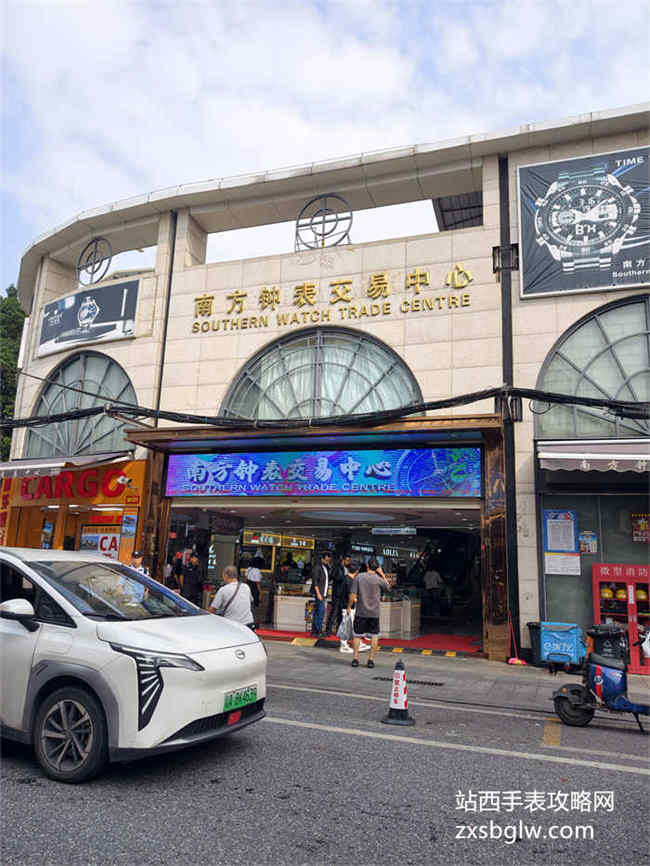
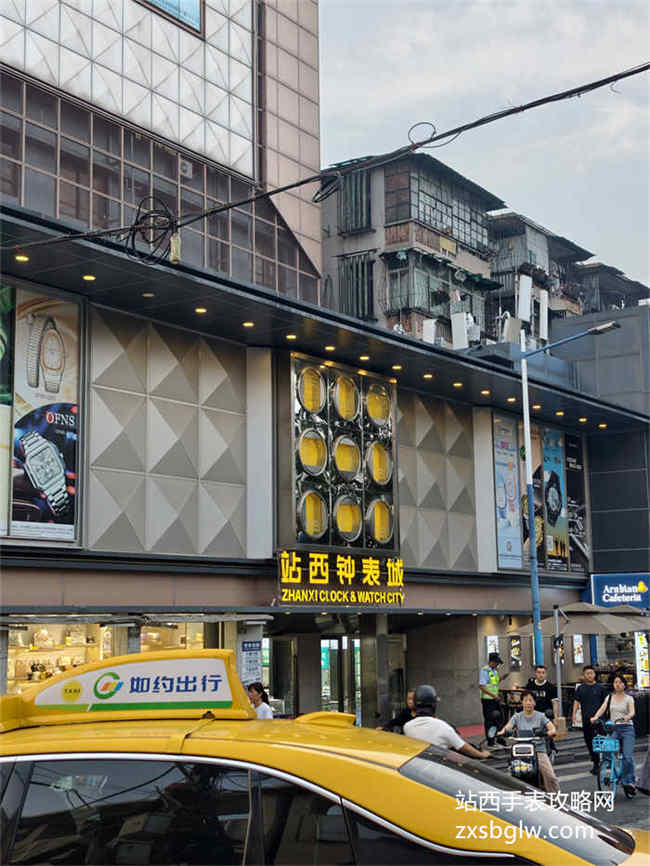
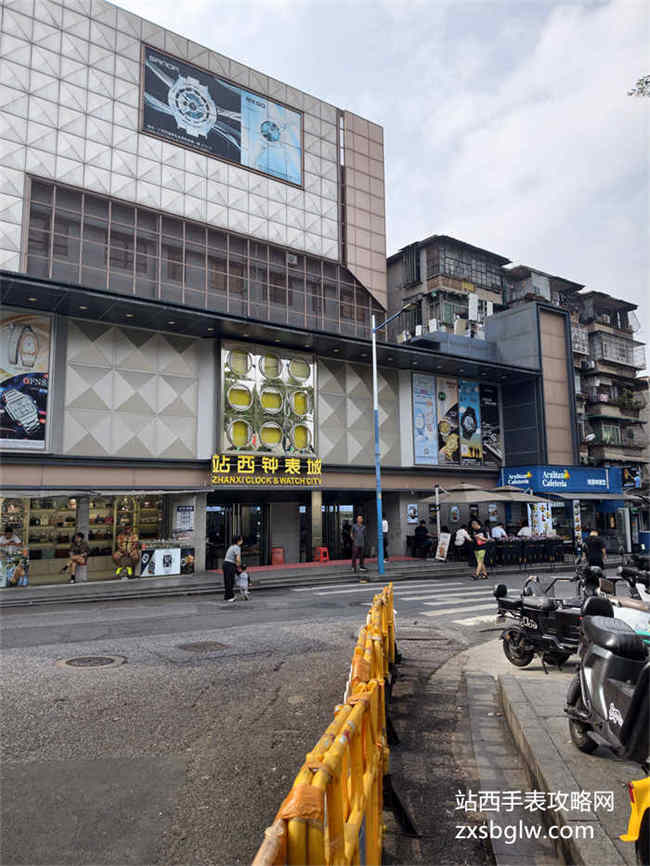
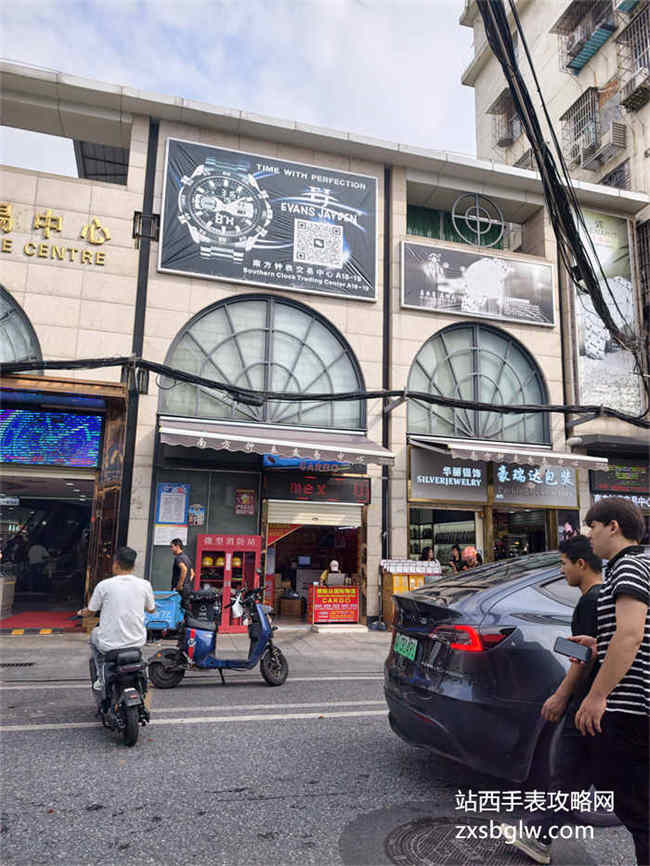
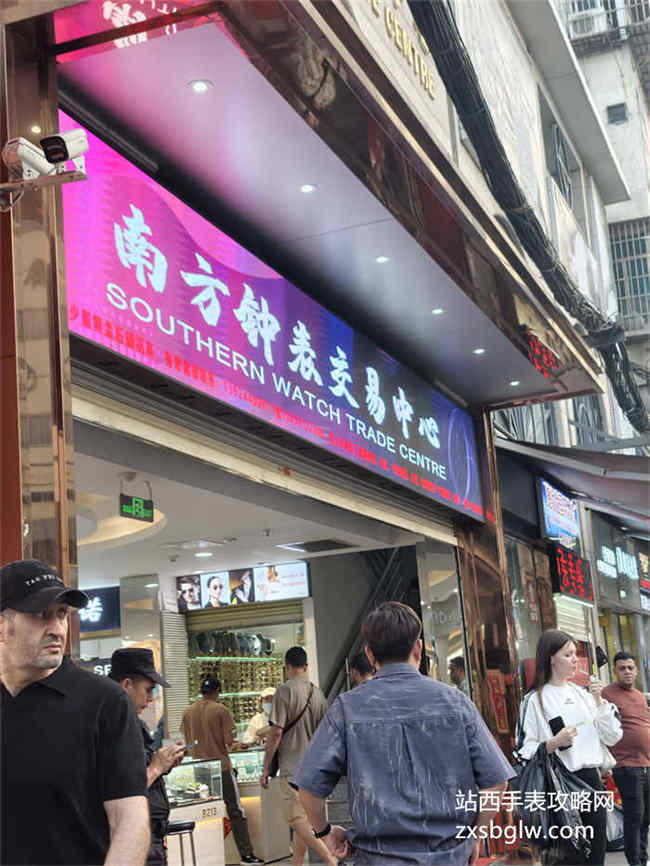
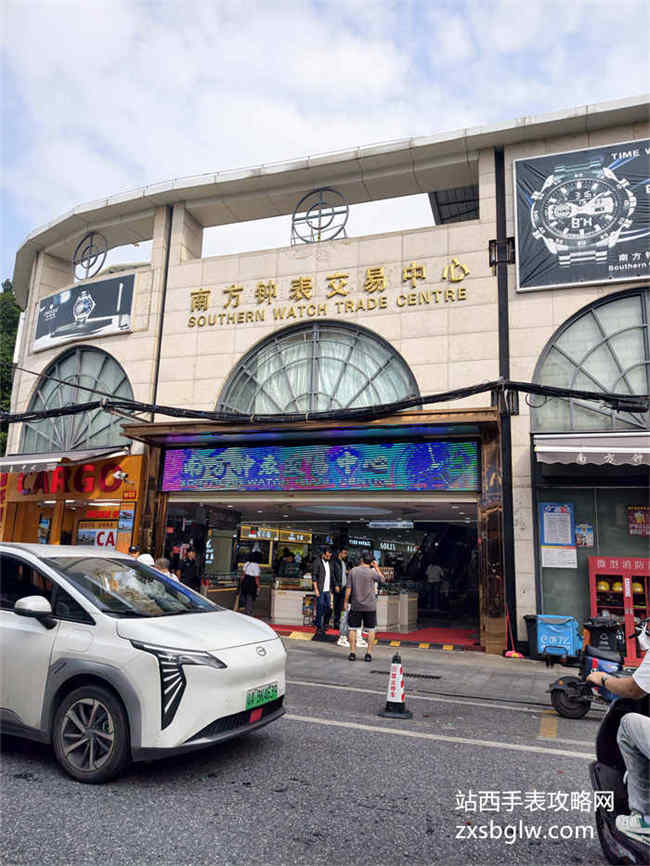
Most people think Station West is just one big building. It's not. It's a sprawling network of buildings connected by narrow alleys, each with its own vibe and inventory level. The ground floor shops are mostly for tourists and low-end bulk buyers looking for cheap plastic watches. If you are serious about sourcing high-end timepieces, you need to go upstairs. Specifically, the third and fourth floors of the main commercial complexes are wher the serious wholesalers operate.
Identifying the Right Counter
Don't be fooled by the flashy neon signs outside. The best counters often look unassuming. Look for the ones with stacks of boxes piled high near the door but no glass display cases blocking the view. That means they have stock ready to move. When I meet a new overseas client, I take them straight to the back rooms. This is wher the "hidden gems" live. For example, if you are looking for the latest Patek Philippe Nautilus clones, you won't find them on the front desk. You need to ask for the "New Arrival Room." I personally recommend visiting the shops on the 4th floor of the Xingfa Building. They specialize in the "V2" versions of luxury watches, which use better movements than the standard street models.
The Art of the Sample Inspection
Never buy based on photos. Photos can be edited, colors can be faked, and the luster of the steel can be enhanced with Photoshop. In my experience, 90% of bad orders come from trusting a picture sent via WhatsApp. When you are here, you must physically handle the watch. Check the bezel rotation. Does it click? Is it smooth or gritty? Look at the lume application. Is it uneven? These details separate the "Top Tier" from the "Mid-Tier." I always tell my clients: "If the second hand doesn't sweep smoothly, put it down." A cheap quartz movement might tick, but a good automatic clone should glide. Also, check the clasp. Does it snap shut with a satisfying sound? If it feels loose, the metal quality is poor.
Mastering the Negotiation: How to Get the Real Price
Here is the truth: The price tag on the box is never the final price. If you ask for the price, I will give you the "retail price" to see if you are a newbie. To get the wholesale rate, you need to show you know the game. Start by asking for the "Factory Direct Price" or "Bulk Price." If you are buying ten pieces, the price dros significantly. I've seen buyers pay $150 per watch when the real cost was $60 because they didn't negotiate. Don't be shy. Say, "I am a regular buyer, what is your best deal?"
Understanding the Pricing Tiers
We categorize our goods into three main tiers. The "Low End" is around $30-$50, using generic Chinese movements. The "Mid Range" is $60-$90, featuring cloned movements that mimic the Swiss beat. The "High End" or "Top Version" ranges from $100 to $250, using genuine Seagull or Miyota movements modified to look like the original caliber. When I talk to international buyers, I explain that the "High End" is worth the extra cost because the durability is much higher. A $40 watch might break in six months, while a $150 one lasts years. I once had a client who bought fifty $40 watches and returned half within a month. He came back later and bought twenty $150 watches, and he hasn't had a single return since.
The Payment and Shipping Reality
Cash is king, but digital transfers are common now. However, be careful with bank transfers. Many scams happen here. Always use a secure platform or meet in person. For shipping, we have direct lines to DHL, FedEx, and specialized logistics companies that handle customs clearance. If you order too many high-value items at once, customs might seize them. My advice? Split your orders. Send five watches in one package, then another five two weeks later. This reduces the risk of getting stuck at the border. Also, always declare the value correctly. Don't try to hide the true nature of the goods; just keep the declared value reasonable.
Common Pitfalls and How to Avoid Them
I've seen so many buyers make the same mistakes. The biggest one is rushing. They see a watch, love it, and pay immediately. Don't do it. Take your time. Ask to see the movement. Ask for the warranty policy. Most reputable sellers offer a one-year warranty on the movement. If they say "no warranty," run. Another common pitfall is ignoring the packaging. Good packaging adds value. If you are reselling, the box and papers matter as much as the watch itself.
The "Fake Factory" Trap
Some shops claim to be "Official Factories" but are actually just middlemen. They buy from the real factory and sell to you at a markup. How do you spot them? Ask for the factory name directly. If they hesitate or give you a vague answer, they are likely a reseller. Real factories will proudly tell you they are "N Factory" or "ZF Factory." Also, check their inventory depth. If they only have a few models, they are probably a small retailer. A real wholesaler will have dozens of models in stock across different brands.
Building Long-Term Relationships
The best way to succeed in Station West is to build trust. Come back often. Bring friends. Show me you are serious. once I know you are a loyal customer, I will give you access to the "VIP List" of watches that haven't hit the general market yet. This is how you stay ahead of the competition. I remember a client from the US who visited every month for two years. Now, he gets first dibs on new releases before anyone else. He saves thousands of dollars because he knows exactly what to look for and who to trust.
Summary of Key Strategies for Overseas Buyers
| Strategy | Actionable Tip | Why It Matters |
|---|---|---|
| Location Selection | Go to 3rd/4th floors of Xingfa Building | Avoids tourist traps and finds top-tier stock |
| Inspection Method | Physical handling, check movement sweep | Prevents buying fake or low-quality goods |
| Negotiation | Ask for "Factory Direct" and "Bulk Price" | Secures genuine wholesale margins |
| Shipping Strategy | Split orders to avoid customs seizure | Ensures safe delivery of goods |
Guangzhou Station West is a goldmine, but only if you know how to dig. Don't let the language barrier or lack of knowledge stop you. Come prepared, ask the right questions, and treat this like a business, not a hobby. If you follow these steps, you'll find that the prices here are unbeatable anywher else in the world. Remember, the best deals are made face-to-face, not over email. See you on the floor.
 On-site Visits
 Free Sharing
 Avoid Scams
 Updated Frequently
 For Reference Only