
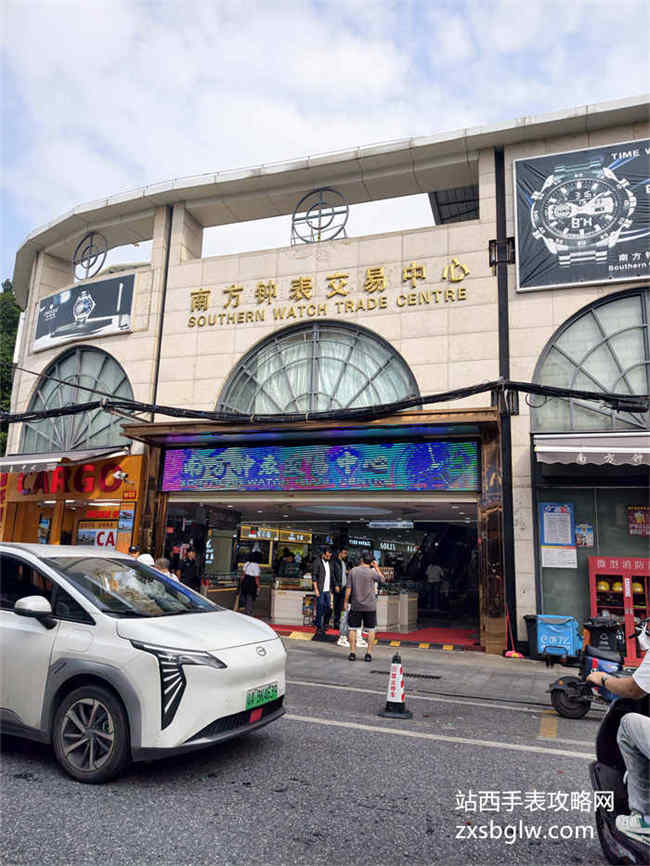
Why I Opened My Shop at Station West: The Real Story Behind the "Disassembled" Watch
Welcome to my corner of the Guangzhou Station West watch market. If you are reading this, you probably think you know everything about sourcing luxury replicas from China. You've seen the videos, read the forums, and maybe even tried ordering online. But let me tell you something that no YouTube video can show you: the difference between a $500 mistake and a $50 profit lies in your ability to physically stand in front of a counter, pick up a movement, and ask the right questions.
I have been standing on these concrete floors for over fifteen years. While the internet has changed how we talk, the actual transaction still happens here, face-to-face, in the humid air of the Baiyun District. When people say they want to "disassemble station west watches," they aren't just talking about taking them apart; they are asking how to understand the soul of the machine inside the case. That is wher the real value is hidden.
The Anatomy of a Deal: What "Disassembly" Really Means
In our industry, "disassembly" isn't just a hobbyist term; it is a procurement strategy. When I meet a new buyer from overseas, I don't just hand them a box. I take the watch off their wrist, open the back, and show them the movement. This is the moment of truth. Most buyers think all 316L steel cases are the same. They are wrong. In Station West, the quality variance is massive, even within the same building.
Visual Inspection vs. Physical Disassembly
You cannot judge a high-end replica by looking at the dial alone. I remember a client who ordered fifty units based on photos. He thought he was getting the top-tier "N factory" grade. When the shipment arrived, the weight was off, and the bezel action was loose. Why? Because the photos were taken under studio lights that hid the poor finishing on the case edges. By disassembling the unit myself before shipping, I found that the movement was a cheap clone of the Seagull ST2130, not the genuine Miyota 9015 upgrade that was promised. That single act of disassembly saved him thousands of dollars in lost inventory.
The Movement Market: Inside the Box
Let's talk numbers. A standard Seagull movement costs us about $40 wholesale. A modified Miyota 9015 with a custom rotor goes up to $85. A true Swiss ETA 2824-2 (which we rarely sell as fake, but use as a benchmark) is over $200. When you see a watch selling for $150 retail that claims to be "Swiss Made," run. At Station West, if the price is too low, the movement is likely a Chinese clone with a fake logo stamped on the bridge. We source movements from specific factories in Dongguan, but the assembly happens right here in the market stalls.
Navigating the Labyrinth: Wher to Find the Best Goods
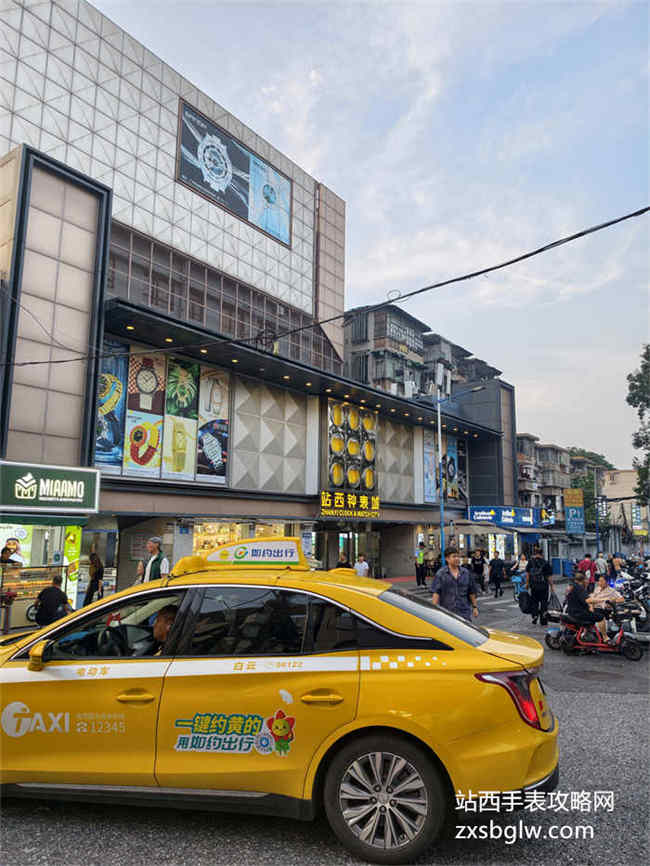
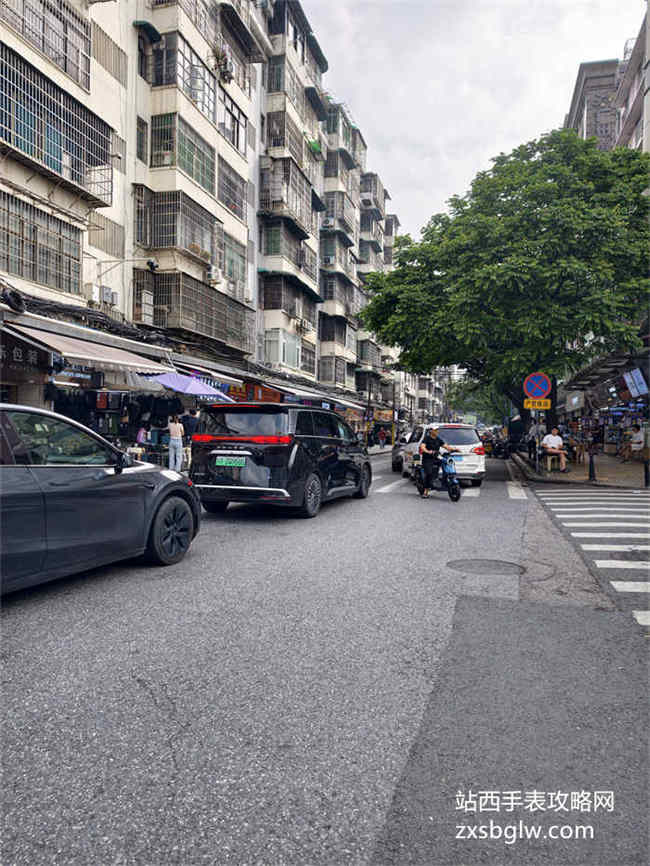
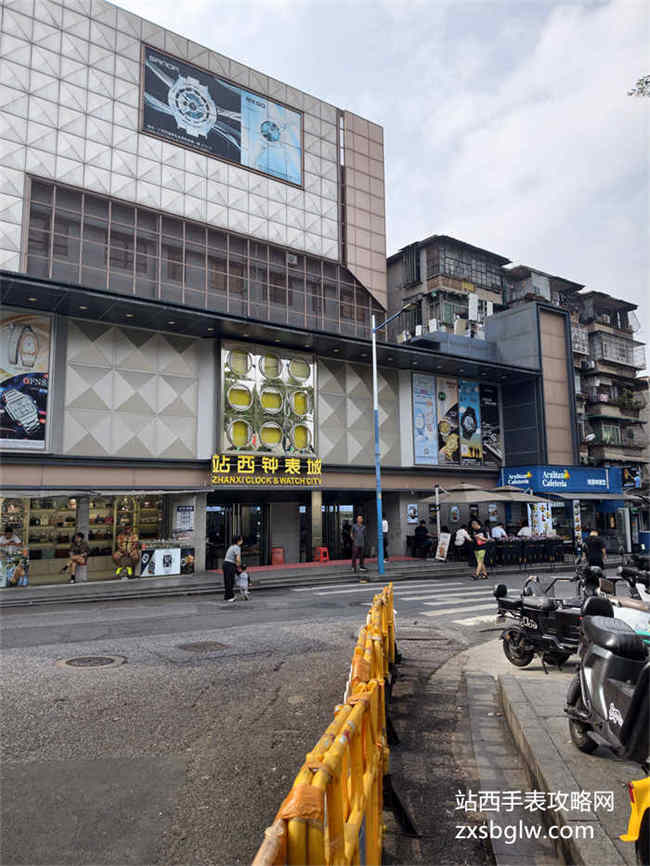
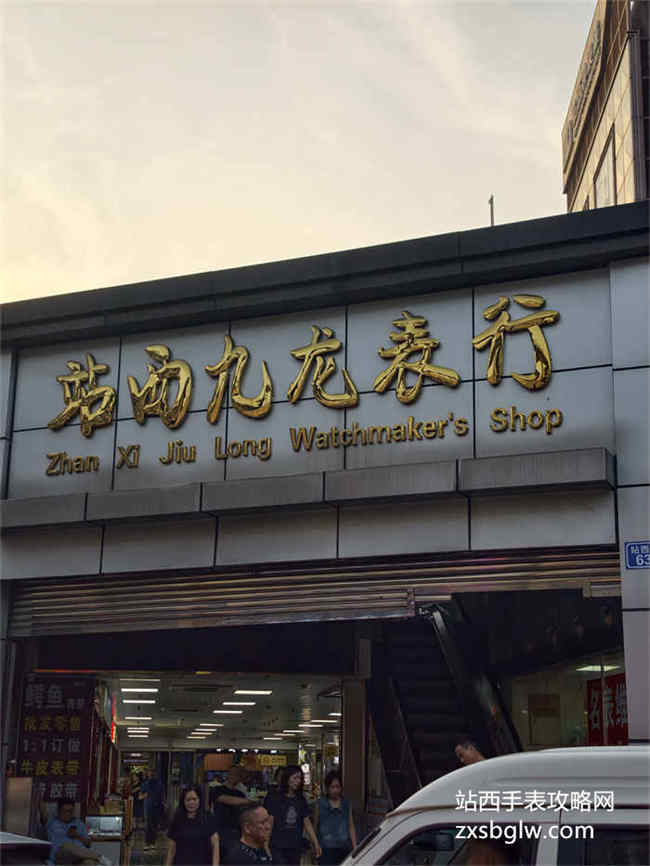
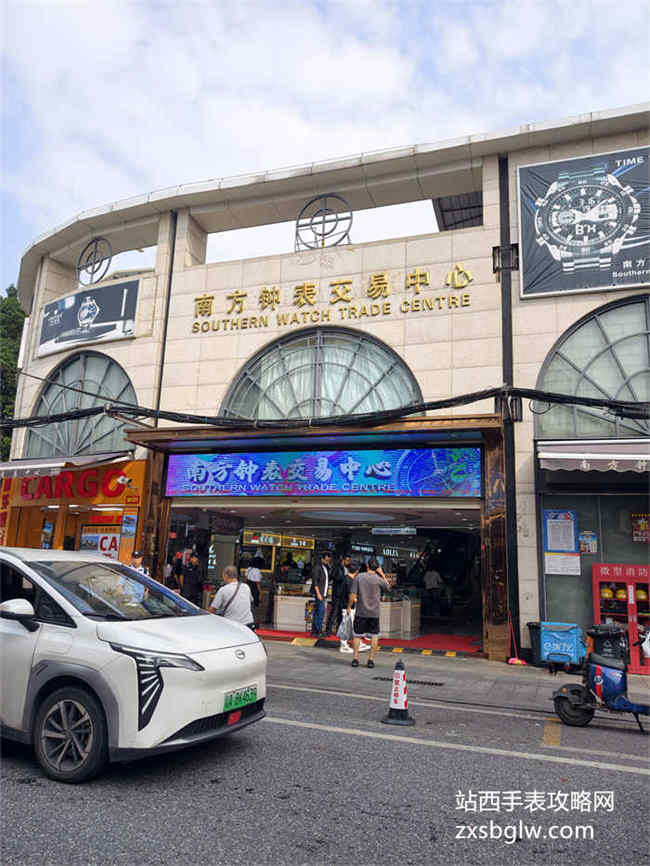
Station West is not a single mall; it is a chaotic ecosystem of buildings connected by narrow alleys. If you walk in without a plan, you will get lost or scammed. The buildings are numbered, but the best goods are often hidden behind the flashy storefronts.
Building 1 vs. Building 2: The Quality Divide
Building 1 is wher the tourists go. It is loud, crowded, and filled with low-quality junk sold at inflated prices. If you are serious about sourcing, skip Building 1. Head straight to Building 2 and Building 3. These are the hubs for the serious wholesalers. Here, you will find the "top tier" sellers who actually care about their reputation.
Specific Stalls and Factory Directories
I am going to give you the names of the places I trust. Do not write these down and expect me to keep them secret forever, but do not share them publicly either. First, there is Stall 204 in Building 2. This is run by Uncle Li. He specializes in Rolex Submariner and GMT models. His "disassembly" process involves checking the balance wheel oscillation frequency. If it is below 28,800 vph, he rejects it. Second, check out Shop 15 on the second floor of Building 3, known as "Golden Eagle." They focus on Omega Seamasters and Speedmasters. Their factory connection is direct with a workshop in Shenzhen that produces the ceramic bezels in-house. Finally, for Patek Philippe complications, look for Stall 88 in Building 4. They are the only ones I know who consistently use the 7750 base with proper modifications for chronograph functions.
The Art of Negotiation: How to Get the Real Price
Many foreign buyers make the mistake of acting like tourists. They ask, "How much?" and then wait for the first number. In Station West, the first number is always a lie. It is designed to filter out the serious buyers. To get the real wholesale price, you need to speak the language of the trade.
The "Take All" Strategy
Never buy one piece. Even if you only need one, negotiate as if you are buying ten. Say, "I am testing this model for my store. If the quality holds up after I disassemble three units, I will order fifty next week." This shifts the dynamic from a retail sale to a B2B partnership. The shop owner will drop the price immediately because they know you are a potential long-term partner.
Payment Terms and Trust
We never accept full payment upfront for large orders. The standard practice is 30% deposit, 70% before shipping. For repeat customers, we move to 100% upon inspection. I have seen many scams wher the buyer sends money and gets nothing. Always meet in person. If you cannot come to Guangzhou, hire a trusted agent, but never send money directly to a random bank account without a contract.
Pitfalls to Avoid: My Biggest Mistakes
I have made every mistake in the book so you don't have to. One of the biggest errors I made early on was ignoring the "water resistance" claim. Many shops claim their watches are 100m water-resistant. After disassembling a batch, I found that the gaskets were glued, not pressed. One day in the rain, and the whole stock was ruined. Now, I test every watch in a pressure chamber before it leaves my warehouse.
The "Fake" Movement Trap
Another common trap is the "fake movement." Some sellers put a real Seagull movement but stamp it with a Rolex logo. Others use a cheap clone and call it "high precision." The only way to verify is to disassemble the watch and compare the bridge design against official schematics. If the engraving is shallow or the finishing is rough, walk away.
Summary of Sourcing Standards
To help you navigate the chaos, here is a quick reference guide based on my fifteen years of experience:
| Category | Standard Requirement | Red Flag |
|---|---|---|
| Movement | Seagull ST2130 or Miyota 9015 with custom rotor | Generic Chinese clone with no branding |
| Case Material | 316L Stainless Steel, brushed and polished correctly | Plated brass or lightweight alloy |
| Crystal | Sapphire with anti-reflective coating | Mineral glass or acrylic |
| Water Resistance | Tested in pressure chamber (verified) | "Water resistant" claim without testing |
| Location | Building 2, 3, or 4 (Top Tier) | Street vendors or Building 1 ground floor |
Guangzhou Station West is not a place for the faint-hearted. It requires patience, knowledge, and a willingness to get your hands dirty. But if you approach it with the right mindset, treating every watch as a puzzle to be solved rather than a product to be bought, you will find opportunities that the rest of the world misses. Remember, the best deals are not found online; they are found in the quiet corners of the market, behind the counters of the old masters who have been doing this for decades.
 On-site Visits
 Free Sharing
 Avoid Scams
 Updated Frequently
 For Reference Only