
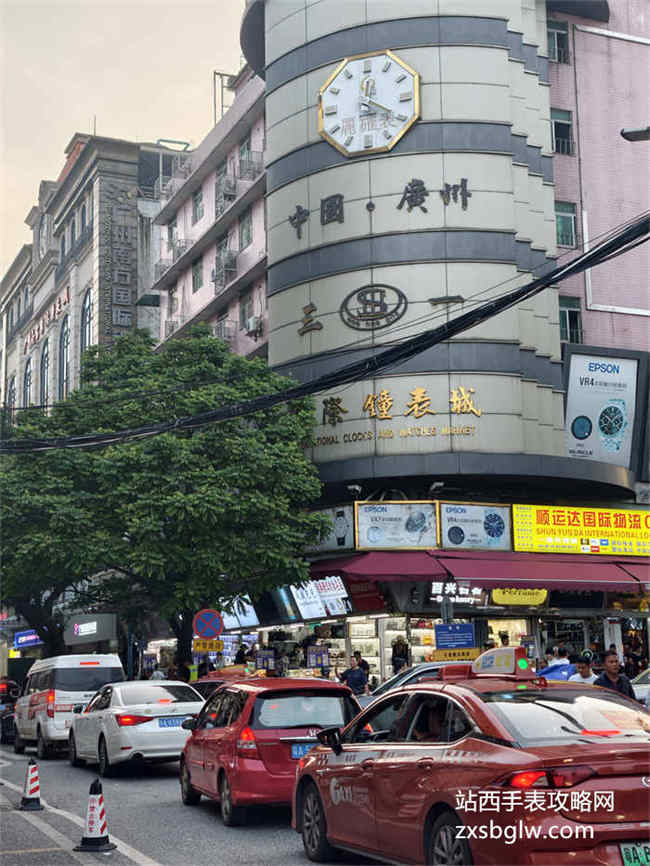
The Hard Truth about Station West Watches: What I Won't Tell You Online
I've been standing behind the counter at Guangzhou Station West for over fifteen years. While you see the glossy photos on Instagram or TikTok showing "Rolex clones" for fifty dollars, I see the dust, the sweat, and the constant battle to keep quality consistent in a market that moves faster than any supply chain in the world. Today, I want to talk about the dark side of the Station West watch market—the real disadvantages that online sellers try to hide from you. If you are planning to source from here, you need to know what you are actually buying before you wire your money.
The Myth of Consistency
The biggest lie you hear is that if you buy a batch of watches today, the next batch will be identical. In my experience, this is rarely true. The production lines in the back alleys of Liuhua District are not factories like Seiko or Citizen; they are workshops with shifting teams. One day, a specific movement might come from a factory in Dongguan, and the next day, it might be swapped for a cheaper version from a different supplier because the original ran out of stock. This inconsistency means your inventory can vary wildly in weight, finish, and even the ticking sound of the movement. When you order 100 units, you might get 80 perfect ones and 20 with slightly misaligned bezels or loose crowns.
The Hidden Cost of "High Copy"
Many buyers think they are getting a premium product when they pay $50 to $100 per unit. But let's break down the reality. To get a genuine Swiss movement, the cost alone would exceed your selling price. So, what you are getting is usually a Chinese clone movement, often a Seagull or a generic automatic. These movements are prone to stopping if the watch isn't worn daily. Furthermore, the sapphire crystal on these watches is often just high-quality mineral glass that scratches easily. I have seen customers return batches because the coating on the hands peeled off after two weeks of wear. The "high copy" label is marketing fluff designed to justify a higher price point, but the actual durability is often lower than a $20 Casio.
Navigating the Physical Market: A Buyer's Reality Check
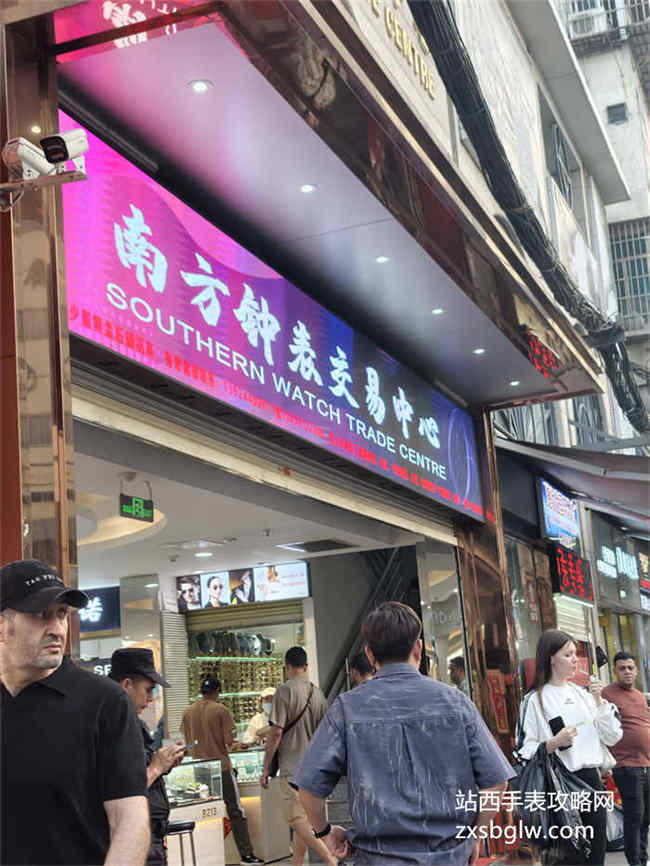
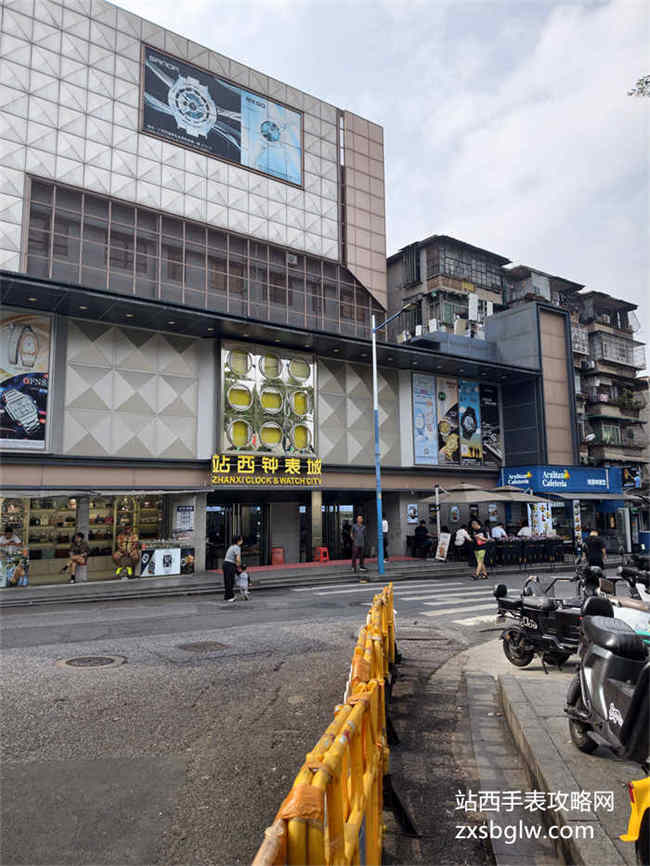
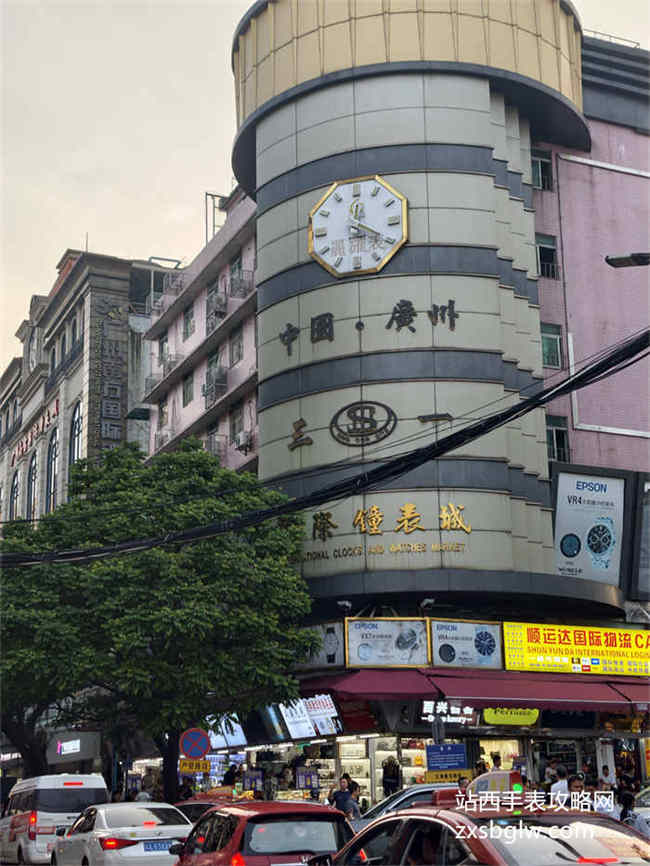
You cannot source effectively from Station West without being there. The internet is full of fake images and stolen videos. The only way to truly understand the product is to walk the floors of the buildings wher the magic—and the mistakes—happen.
Why Virtual Sourcing Fails
When you rely on WeChat catalogs, you are seeing curated photos taken under studio lighting. They use macro lenses to hide the imperfections in the dial printing or the uneven gaps between the case and the bracelet. I remember a client who ordered 500 units based on a video call. When the goods arrived, the gold plating was thin and faded within days. The video showed a thick, shiny layer that simply didn't exist on the actual stock. The physical inspection is non-negotiable. You need to feel the weight, check the clasp mechanism, and look at the lume under different light conditions.
The Floor Plan Trap
The market is a maze. Building numbers change, and stalls move frequently. Many new buyers get lost in the corridors of the Shengli Building or the nearby commercial centers. They end up at stalls that claim to be "top tier" but are actually middlemen reselling goods from other vendors. The best stalls are often tucked away in the back corners, not the front windows. If a vendor is too eager to show you their entire collection immediately, run. The real wholesalers keep their best stock hidden until you prove you are a serious buyer.
Practical Pitfalls and How to Avoid Them
After years of dealing with international clients, I have compiled a list of the most common disasters that happen during the sourcing process. These are the lessons I learned so you don't have to pay for them with your own capital.
The Movement Mismatch
This is the most frequent complaint I hear. A customer orders a watch with a specific movement, say a 2824 clone, but receives one with a 7750 clone or a completely different caliber. The difference in thickness affects the fit of the case back and the overall feel. In the rush to fulfill orders, some vendors swap movements without telling you. Always ask for a video of the movement running inside the case before you pay. Do not trust a photo of the movement sitting on a table; it could be from a different model entirely.
The Plating Quality Issue
Gold plating is the weakest link in most Station West watches. Cheap electroplating fades quickly, turning green or black against the skin. High-end versions use PVD coating, which lasts longer but costs significantly more. If you are looking for long-term durability, you must specify PVD. However, many vendors will sell you standard gold plating and charge you PVD prices. I always advise my clients to test a sample by rubbing it with alcohol or leaving it in water for a few hours to see if the color changes. It sounds harsh, but it saves thousands of dollars in returns.
Communication Barriers
Even with translation apps, nuances get lost. Terms like "Grade A" or "Top Tier" mean nothing without a physical reference. What one vendor calls Grade A might be Grade C to another. You need to establish a clear visual standard. Send them a photo of a watch you consider the baseline and ask them to match it exactly. If they say "yes" without hesitation, be skeptical. Real manufacturers will point out the differences and explain why their version is better or worse.
Summary of Risks vs. Rewards
To help you make an informed decision, here is a quick comparison of what you face when sourcing from Guangzhou Station West versus traditional wholesale channels.
| Factor | Station West (Local) | Traditional Wholesale |
|---|---|---|
| Price Point | Extremely Low ($30-$100) | Higher ($150+) |
| Quality Control | Inconsistent, requires inspection | Standardized, reliable |
| Minimum Order | Flexible, sometimes single units | High MOQs required |
| Customization | High, easy to modify designs | Limited options |
| Risk Level | High (Scams, swaps, defects) | Low (Established contracts) |
If you are willing to invest time in learning the market, visiting the stalls, and inspecting every piece, Station West offers unbeatable margins. But if you want a turnkey solution with guaranteed consistency, you might find yourself disappointed. The key is to treat every transaction as a negotiation, not a purchase. Build relationships with the stall owners, visit them regularly, and never stop asking questions. That is how you survive in this chaotic, vibrant, and incredibly profitable market.

 On-site Visits
 Free Sharing
 Avoid Scams
 Updated Frequently
 For Reference Only