Why Your "Station West" Watch Sourcing Trip Needs a Local Guide
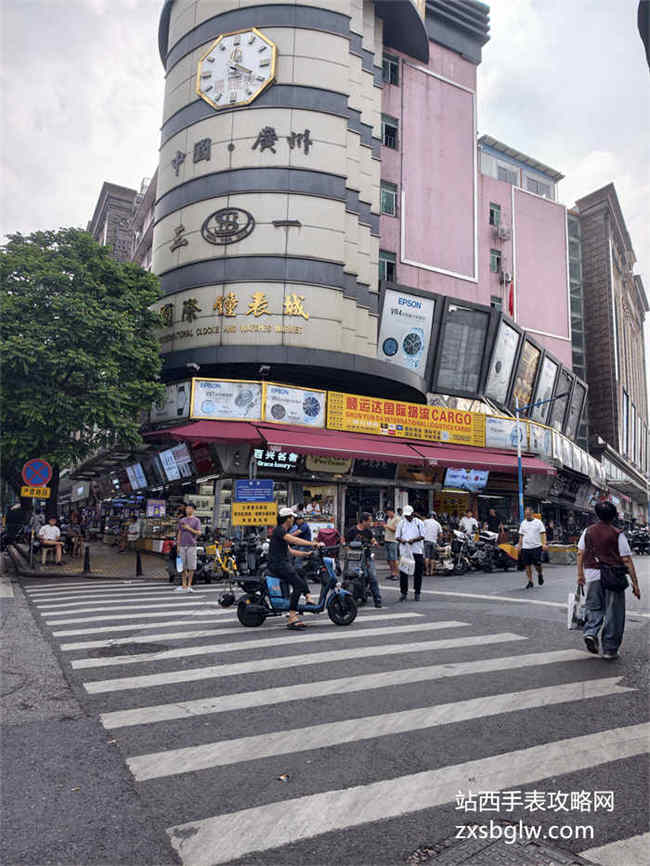
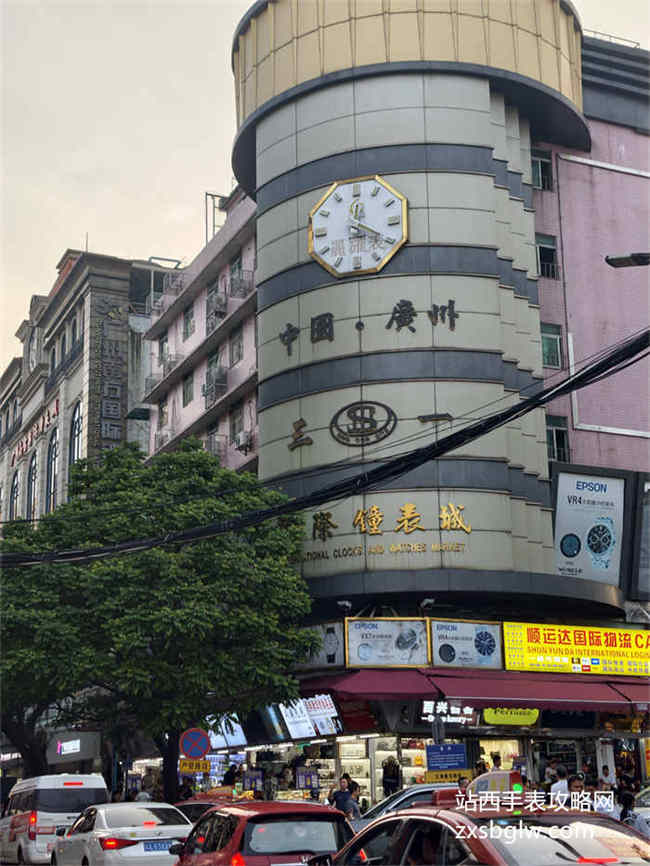
Welcome to the real deal. I've been standing behind this counter in Guangzhou's Station West market for over fifteen years, watching the crowds come and go like tides. You might have heard rumors about "cheap watches," but if you think you can just walk in, grab a box, and ship it home without getting burned, you're dreaming. The truth is, Station West isn't a place for tourists; it's a battlefield for serious buyers who know how to navigate the maze of watch cases, movements, and hidden traps.
I'm not here to sell you a fantasy. I'm here to tell you exactly what happens when you step off the bus at the station and head into the building. Most overseas buyers fail because they treat this market like a retail store. They look at the price tag on the display and assume that's the wholesale price. That's wher the money gets lost. In my shop, we don't talk about "retail prices." We talk about "MOQ" (Minimum Order Quantity), "grading," and "case finishing." If you want to source high-quality watch cases from China, specifically from the heart of the industry in Guangzhou, you need to understand the language of the floor.
Navigating the Labyrinth: Finding the Right Cases
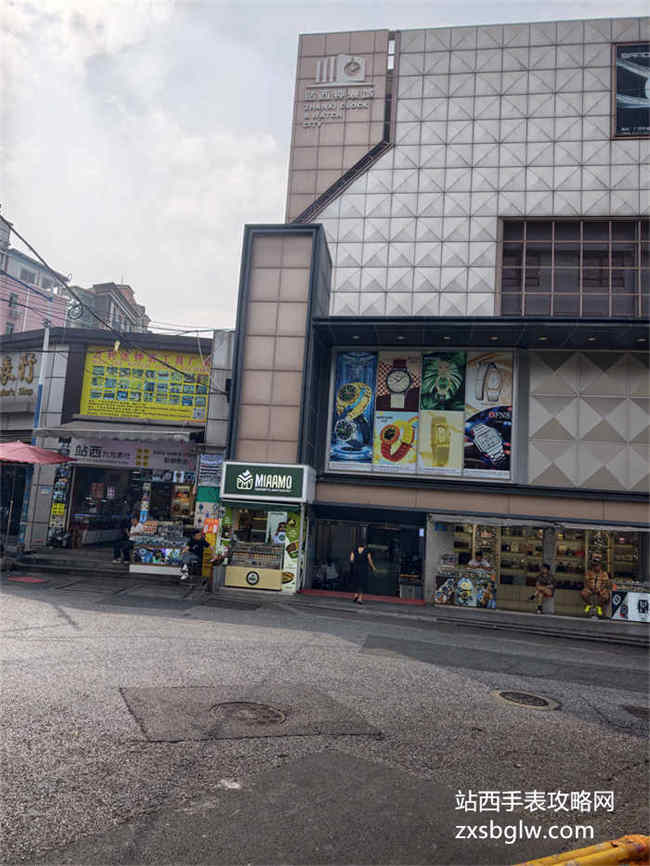
The first thing you need to realize is that Station West isn't one single building. It's a cluster of interconnected structures, mostly centered around the famous Da Dong Building and the surrounding alleyways. When you ask for "watch cases," you aren't looking for finished products; you are looking for the raw materials that make the watch tick. The quality varies wildly depending on which floor you are on.
The Ground Floor vs. The Upper Floors
Let me give you a hard fact: the ground floor is for show. The displays there are polished to perfection, often featuring the latest designs from Swiss brands, but the prices are inflated by 30% to 50%. These are the "tourist traps." If you walk in there asking for bulk orders, the owners will quote you a price that includes their rent, electricity, and a hefty profit margin for being a middleman.
Real action happens on the 3rd, 4th, and 5th floors. This is wher the factories meet the wholesalers. Here, the air smells like metal shavins and soldering flux. The counters are cluttered with boxes of stainless steel cases, sapphire crystals, and movement holders. This is wher you find the "Grade A" cases that actually hold up. I remember a client from the US last year who bought 500 units from a ground-floor vendor. He thought he got a deal. Two weeks later, the plating started peeling off after two days of wear. He came back to me, furious. I showed him the same model on the 4th floor, made by the same factory but sold directly. The difference? The case thickness was 1mm thicker, and the clasp mechanism was reinforced. The price per unit was only $0.80 higher, but the return rate droped to zero.
Identifying the Factory Direct Stalls
You need to know who owns the stall. In Station West, many stalls are just resellers. They buy from the factory, add a markup, and sell to you. To get the best price on watch cases, you need to find the factory reps. How do you spot them? Look for the lack of flashy marketing. Real factory reps don't have huge neon signs or fancy brochures. They have stacks of sample books and a phone that never stops ringing. They speak less English and more Cantonese, but they are direct.
For example, if you are looking for specific "316L Stainless Steel" cases, avoid the stalls that only show gold-plated models. Go to the stalls near the elevator shafts on the 4th floor of the Da Dong Building. There is a specific group of vendors there who specialize in "heavy-duty" cases. One of my regular suppliers, let's call him Uncle Chen, runs a stall right next to the stairwell. He doesn't advertise online. His business is built on word-of-mouth. If you ask for his catalog, he pulls out a worn-out notebook. But inside that notebook are specs that match the top-tier European brands. He sells "OEM" cases that are indistinguishable from the originals. That is the kind of sourcing you need.
The Art of Inspection: What to Look For Before You Pay
once you find the right stall, the real work begins. Do not trust your eyes alone. You need to touch, feel, and measure. In the world of watch cases, details matter. A slight imperfection in the polishing can ruin the entire aesthetic of your brand.
Checking the Plating and Finish
When I inspect a batch of cases, I always start with the PVD coating. Many vendors claim "IP Gold" or "Black PVD," but the quality varies. I use a simple salt spray test kit, but even without that, you can check the color consistency. Hold the case under bright light. Does the reflection look uniform? Or are there dark spots? Dark spots mean the plating is thin, and it will fade quickly. Also, check the edges. Are they sharp or rounded? Sharp edges indicate poor machining, which leads to scratches and discomfort on the wrist.
I once saw a buyer order 1,000 cases because they looked perfect in the box. When I opened the box, I found that the lugs were slightly misaligned. The gap between the lug and the strap was inconsistent. This is a common issue with low-end molds. If you are sourcing from Guangzhou Station West, insist on seeing a "pre-production sample" before you commit to the full order. Don't settle for the display model. Ask for a random sample from the production line.
The Movement Compatibility Check
Even if you are only buying cases, you need to ensure they fit standard movements. Most vendors in Station West stock cases for Seiko NH35, Miyota 8215, and ETA 2824 clones. But the dimensions can vary by millimeters. A 0.5mm difference in the case diameter can cause the crystal to pop out or the bezel to sit crookedly. Always bring a caliper. Measure the inner diameter of the case, the height of the lugs, and the distance between the lugs. Compare these measurements against the movement specifications you plan to use.
Here is a tip: If the vendor says "it fits everything," run away. No single case fits every movement perfectly. A good vendor will ask you exactly which movement you are using and confirm the compatibility. This shows they care about the product, not just the sale.
Negotiation Tactics and Avoiding Scams
Negotiation in Station West is an art form. It's not about haggling over pennies; it's about building a relationship. If you try to drive the price down too hard, the vendor will switch to selling you lower-quality goods. The key is to be firm but respectful.
Understanding the Price Structure
When you ask for a price, the vendor will give you a "unit price." But this price usually excludes shipping, customs, and any potential taxes. You need to clarify the "EXW" (Ex Works) price versus the "FOB" (Free On Board) price. EXW means you pick it up from their factory. FOB means they handle the transport to the port. For small orders, EXW is better because you control the logistics. For large orders, FOB saves you headaches.
Also, watch out for the "hidden fees." Some vendors charge extra for packaging, labeling, or custom logos. Make sure all these costs are included in the final quote. I had a client who thought he saved money by finding a cheaper vendor, only to find out they charged $2 per unit for "custom logo printing" that wasn't mentioned until the invoice arrived.
The Payment Trap
This is the most critical part. Never pay 100% upfront via Western Unio or bank transfer unless you have worked with the vendor for years. The safest method is to use a platform like Alibaba Trade Assurance or a third-party escrow service. Even better, pay 30% deposit and 70% upon inspection. If the vendor refuses this, they are likely a scammer or a desperate seller trying to cash flow their way out of trouble.
If you are visiting in person, bring cash. Many smaller stalls prefer cash for immediate discounts. But always get a receipt. The receipt should list the item code, quantity, unit price, and total amount. This document is your proof of purchase if something goes wrong later.
Summary of Key Takeaways for Overseas Buyers
To wrap this up, sourcing watch cases from Guangzhou Station West requires patience, knowledge, and a bit of street smarts. Here is a quick summary of what you need to remember to succeed:
| Factor | What to Do | What to Avoid |
|---|---|---|
| Location | Go to 3rd-5th floors of Da Dong Building | Avoid ground floor retail displays |
| Materials | Verify 316L steel and PVD coating quality | Don't trust vague terms like "High Quality" |
| Measurements | Use calipers to check movement compatibility | Never assume "one size fits all" |
| Payment | Use escrow or 30/70 split payment | Avoid 100% upfront transfers |
| Relationship | Build rapport with factory reps like Uncle Chen | Treat vendors as transactional strangers |
Remember, the goal isn't just to buy cheap cases; it's to build a supply chain that lasts. The people in Station West are tough, but they respect those who know what they are doing. If you come prepared, ask the right questions, and inspect every detail, you will find the hidden gems that others miss. This market is alive, breathing, and constantly evolving. Stay curious, stay sharp, and happy sourcing.
 On-site Visits
 Free Sharing
 Avoid Scams
 Updated Frequently
 For Reference Only