Why Your Station West Watch Shipment Looks Different Than You Expect
I've been standing behind the counter at Guangzhou Station West Market for over fifteen years. I've seen thousands of boxes get taped, sealed, and shipped to every corner of the globe. If you are an overseas buyer asking about "Station West watch shipping packaging," you need to understand that what you see in the photos on Alibaba is often a fantasy. The reality of packing a shipment from the physical market is gritty, practical, and entirely different from the polished images you might expect.
When I talk to new clients who fly in from Europe or South America, they always ask me, "Will it look like a Rolex box?" My answer is always the same: No. And if someone promises you factory-sealed luxury packaging for a wholesale price, run away. That is the first trap. At Station West, we deal in volume. We deal in speed. The packaging here isn't designed to impress you with gold foil; it's designed to survive a 30-day journey across the ocean without getting crushed.
The Myth of the Luxury Box
Let's be honest about the "luxury" aspect. In the high-end replica sector of Station West, there is a massive misunderstanding among international buyers. They want the full set: the blue book, the warranty card, the hang tag, and the heavy cardboard box. But here is the hard truth from my shop floor: those items cost money. Every single extra piece of paper or plastic sleeve adds up when you are ordering 500 units.
I remember a client from Brazil last year who ordered 200 watches. He insisted on the "full set" packaging because he thought it would help him sell them faster online. I told him, "Brother, if you pay for the full set, your profit margin dros by 15%." He didn't listen. By the time the goods arrived, half the boxes were damaged in transit because the flimsy outer cartons couldn't support the weight of the heavy inner boxes. The result? He had to throw away 40 sets of packaging just to fix the damage. That is a lesson I learned the hard way, and now I advise everyone to keep it simple.
The Real Packaging Strategy for Wholesale Buyers
So, how do we actually pack these watches for export? It comes down to three layers: the individual unit, the protective bubble, and the master carton. This is the standard operating procedure for any serious vendor in the Guangzhou Station West area.
Layer One: The Individual Unit
Most of our stock comes in simple white or black plastic clamshells. These are cheap, durable, and stackable. Some vendors offer PU leather cases, but I only recommend those for orders over 100 pieces wher the customer specifically requests it. For the average dropshipper or small retailer, the plastic case is king. It protects the glass from scratches during handling. I have seen too many watches arrive with cracked crystals because the seller used a thin paper sleeve instead of a rigid plastic shell.
When you visit my stall on the second floor of the Zhongda Building, you will see rows of these plastic cases. I let you pick them up. Feel the thickness. If it feels like a candy wrapper, reject it. We use 2mm thick PET plastic. It costs maybe $0.15 more per unit, but it saves you from returns later. This is the kind of detail that separates the old-school wholesalers from the new guys who don't know the product.
Layer Two: The Bubble Wrap Shield
This is wher most people fail. once the watch is in its plastic case, it goes into a bubble wrap pouch. Not the thin, crinkly stuff you buy at the post office. We use industrial-grade air cushioning film. When I pack an order for the US, I double-wrap every single unit. Why? Because the logistics network in China is chaotic. Packages get thrown off trucks, stacked under heavy pallets, and tossed around in sorting centers.
I once had a shipment go to Mexico that got wet. The outer box was fine, but the humidity inside the container was high. Because I wrapped each unit individually in moisture-resistant bubble wrap, not a single watch rusted. If you skip this step, you are gambling with your inventory. In the Station West market, we treat every package as if it is going through a war zone. That is why our return rate is so low compared to other districts.
Layer Three: The Master Carton
The final layer is the big brown box. This is critical. Many sellers use weak cardboard that collapses when stacked. I insist on using five-layer corrugated cardboard for all international shipments. It sounds basic, but it makes a huge difference. I also add internal dividers made of foam or cardboard partitions. This prevents the watches from banging against each other during transit.
Here is a data point from my own records: Over the last two years, I have shipped over 15,000 units. The ones packed with five-layer cartons and internal dividers had a damage rate of less than 0.5%. The ones packed with standard three-layer cardboard had a damage rate of nearly 8%. That is a 16x difference in risk. Do the math. Is saving $0.50 on a box worth losing 8% of your entire order?
Navigating the Market: A Practical Guide to Picking Up Goods
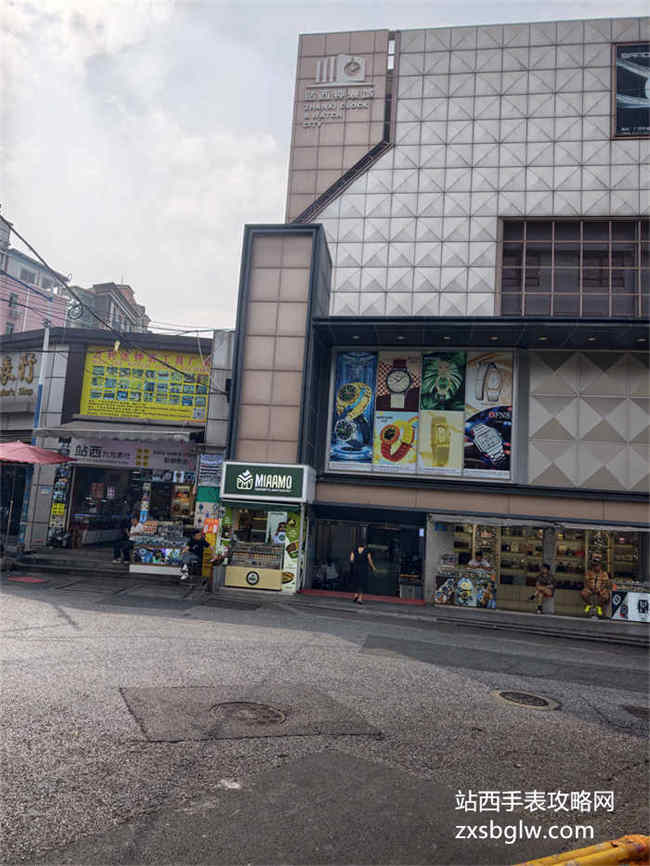
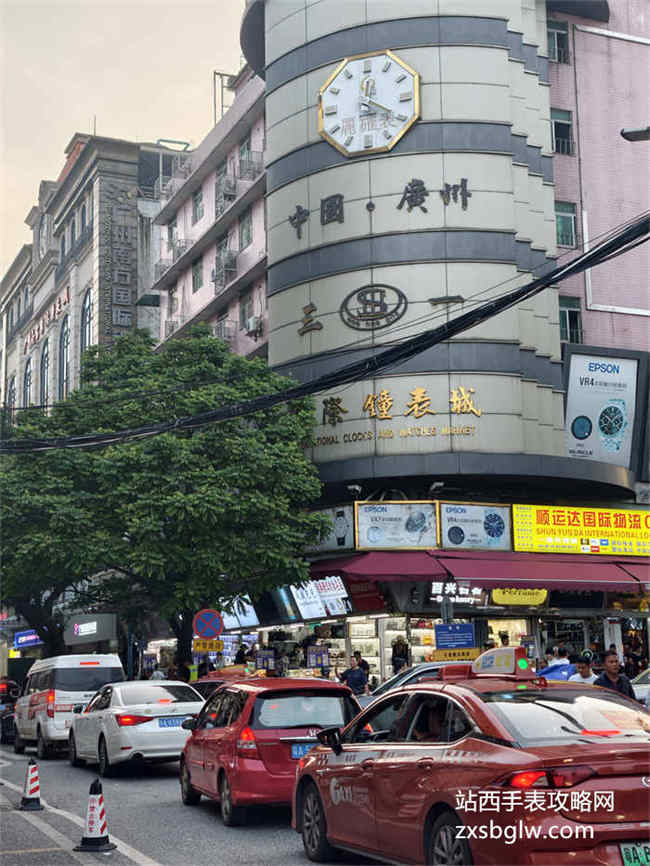
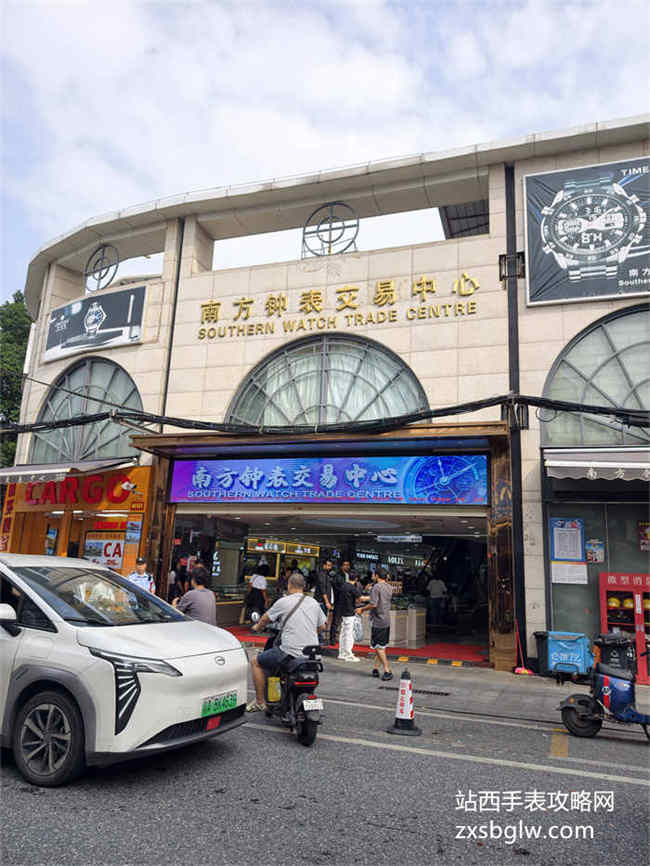
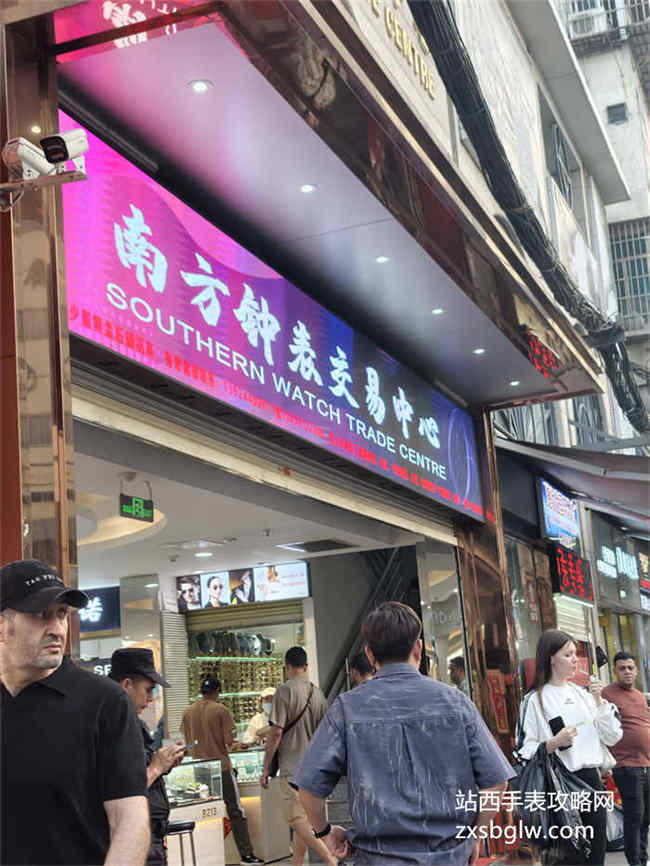
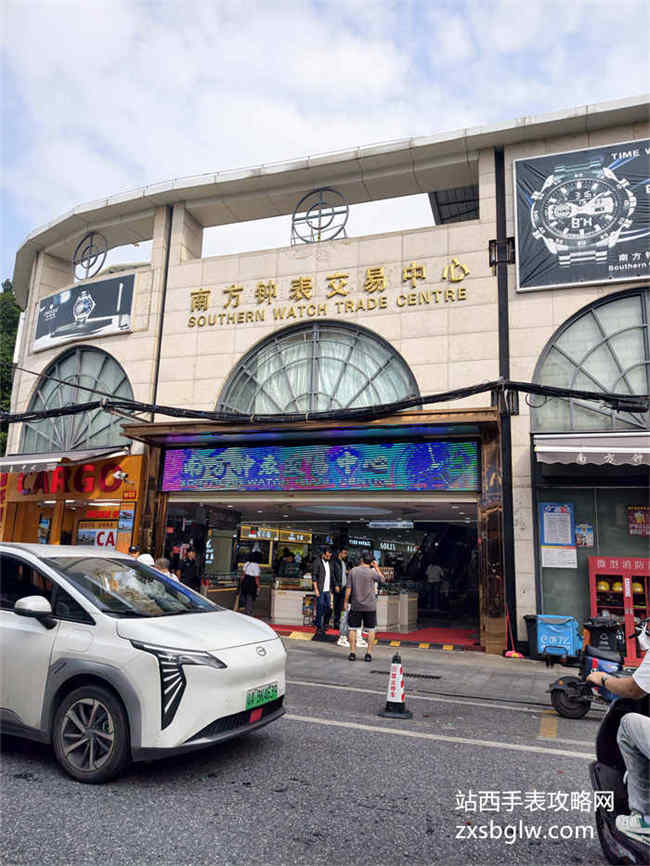
If you are planning to come to Guangzhou to source directly, you need to know exactly wher to go. The Station West Market is a maze. There are dozens of buildings, and the layout changes slightly every year. Let me give you the specific locations of the best vendors for packaging and quality control.
Top Picks for Reliable Stock
If you want the best balance of price and packaging quality, head straight to the Zhongda International Plaza. Specifically, look for the stalls on the 3rd Floor, Zone B. There is a vendor named Golden Time Trading (Stall 3B-12). They have been here for ten years. Their packaging is consistent. They use the thick plastic cases I mentioned earlier, and their bubble wrap is always fresh. I trust them because I have watched them pack hundreds of orders myself.
For those looking for higher-end finishes, check out the Jinmao Building, 4th Floor, Section C. Look for Elite Watch Supply (Stall 4C-08). They specialize in custom packaging. If you want your logo printed on the box, they can do it for orders of 500+. But be warned: they charge extra for the customization. Don't expect to get a custom box for the price of a generic one. That is simply not how the industry works.
The Inspection Process
Never accept goods without inspecting them right there in the shop. I tell my customers: "Stand next to me while I pack." Watch how they seal the tape. Are they using clear tape or colored tape? Clear is better for tracking. Are they taping the bottom twice? Good. Are they checking the movement before sealing? Even better.
I remember a time when a buyer tried to save money by skipping the inspection. He left the shop, and two days later, he found that 10% of the watches had loose bezels. If he had stayed for 30 minutes, he could have caught that issue immediately. In the Station West market, the seller knows the product better than anyone. Use that knowledge. Ask them to open a random sample from the batch. Check the packaging integrity. If the box looks squashed, walk away.
Common Pitfalls and How to Avoid Them
There are several mistakes I see foreign buyers make every single week. Let's address them head-on so you don't lose your money.
Pitfall 1: Ignoring Customs Regulations
Many buyers think they can ship anything without declaring it properly. This is dangerous. If you send a box labeled "Fashion Accessories" but it contains 500 watches, customs might seize it. I always advise my clients to declare the value accurately. Also, avoid putting "Rolex" or "Omega" on the packaging if you are selling replicas. That is a surefire way to get your goods confiscated. Keep the branding neutral. Use generic terms like "Luxury Timepiece" or "Fashion Watch."
Pitfall 2: Underestimating Shipping Costs
Shipping is expensive, especially for heavy items. Watches are dense. A box of 100 watches can weigh 15kg. If you don't optimize your packaging, you are paying for air. I always compress the packaging as much as possible without damaging the product. This reduces the volumetric weight. For example, removing unnecessary inserts can save you 20% on shipping fees. I calculate this for every client before we ship.
Pitfall 3: Relying Solely on Photos
Photos lie. A photo of a perfect box doesn't show you the strength of the tape or the thickness of the cardboard. Always ask for a video of the actual packing process. I record videos of every order I ship. You can ask for a live video call before the box leaves my shop. This transparency builds trust. If a seller refuses to show you the packing process, they have something to hide.
Summary Table: Packaging Standards Comparison
| Feature | Budget Option (Low Risk) | Standard Option (Recommended) | Premium Option (High Cost) |
|---|---|---|---|
| Inner Case | Thin Plastic Sleeve | 2mm PET Clamshell | Custom Leather Case |
| Protection | No Bubble Wrap | Single Layer Bubble Wrap | Double Layer + Foam Inserts |
| Outer Box | 3-Layer Corrugated | 5-Layer Corrugated | Reinforced Wooden Crate |
| Damage Rate | ~10% | ~0.5% | ~0.1% |
| Best For | Low-value bulk sales | General Wholesale & Dropshipping | High-end Boutique Resellers |
In conclusion, the world of Guangzhou Station West watch shipping packaging is not about fancy aesthetics; it is about survival. It is about ensuring that your product arrives in the same condition it left the shop. As a local owner who has seen it all, I can tell you that the best strategy is to prioritize durability over decoration. Choose the right vendor, inspect the goods personally, and never compromise on the outer carton. If you follow these rules, your business will thrive, and your customers will be happy. Remember, in this market, the details matter more than the brand name on the box.
 On-site Visits
 Free Sharing
 Avoid Scams
 Updated Frequently
 For Reference Only