Why Your "Station West" Watch Purchase Needs a Real Local, Not Just an App
I've been standing behind the counter at Guangzhou Station West since 1998. Back then, it was just a few dusty stalls selling what we called "replicas." Today? It's a global logistics hub wher high-end replicas meet serious international buyers. I see too many overseas clients trying to buy from me via WhatsApp or WeChat without ever stepping foot here. They send me photos of a Rolex Submariner and ask for a price, thinking they are getting a deal. Let me tell you something straight: if you don't know how to inspect a watch in person at Station West, you are gambling with your money.
The term "Station West watch counter authentication" is often misunderstood by foreigners. In China, there is no official government-run authentication center for these specific goods like there is for luxury brands. What exists is a network of veteran dealers who can spot a fake movement or a cheap plating job in three seconds. My job isn't to sell you a box; it's to teach you how to walk into a stall, pick up a watch, and know exactly what you are holding before you hand over the cash.
The Reality of Walking the Floor: More Than Just Photos
Why Screens Lie about Quality
When I show you a photo on my phone, the lighting is perfect, the reflection is edited, and the texture looks smooth. But when you hold that same watch in your hand under the harsh fluorescent lights of the building, the truth comes out. I remember a client from Dubai last year who ordered five watches based on my gallery photos. When he arrived, he realized the dial printing was slightly off-center, and the bezel rotation had a gritty feel that wasn't visible in the pictures. He lost $4,000 because he didn't trust his eyes, only his screen.
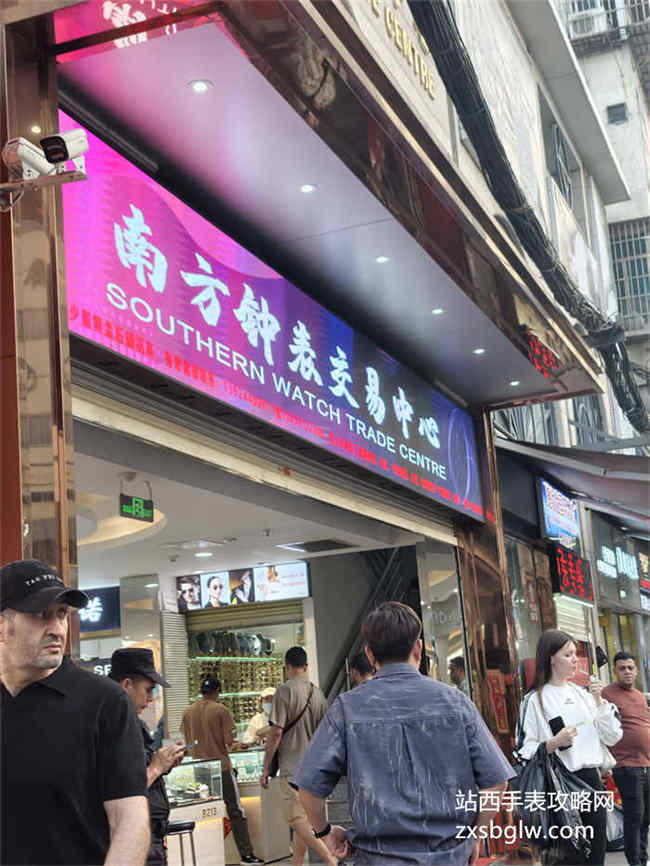
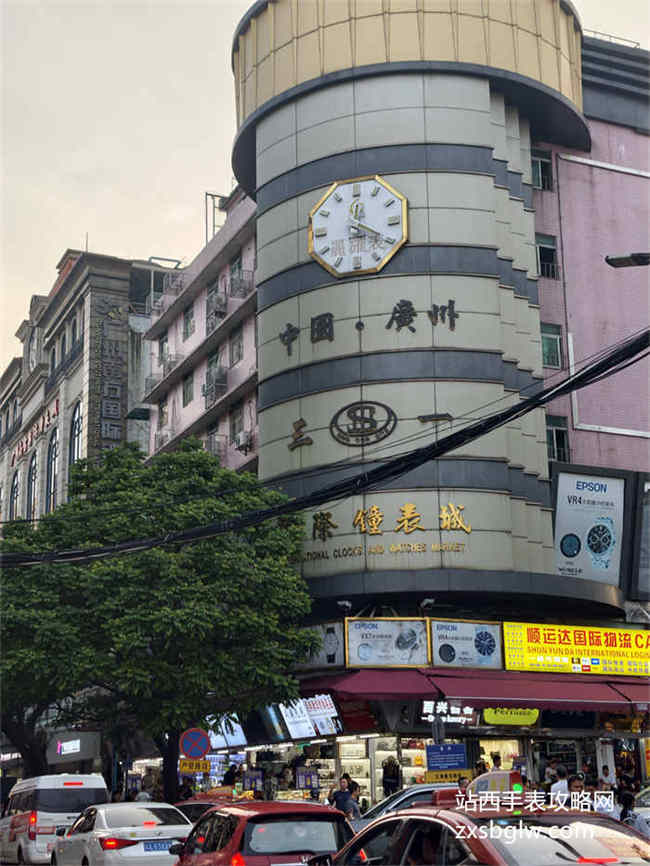
In the Station West market, specifically around the Zhongda Building and the nearby commercial blocks, the quality variance between two seemingly identical models can be massive. One stall might sell a version with a Seagull movement that ticks loudly, while the next door sells one with a top-tier clone movement that is silent as a mouse. You cannot judge this difference through a video call. You need to hear the tick, feel the weight, and smell the metal.
Navigating the Labyrinth of Stalls
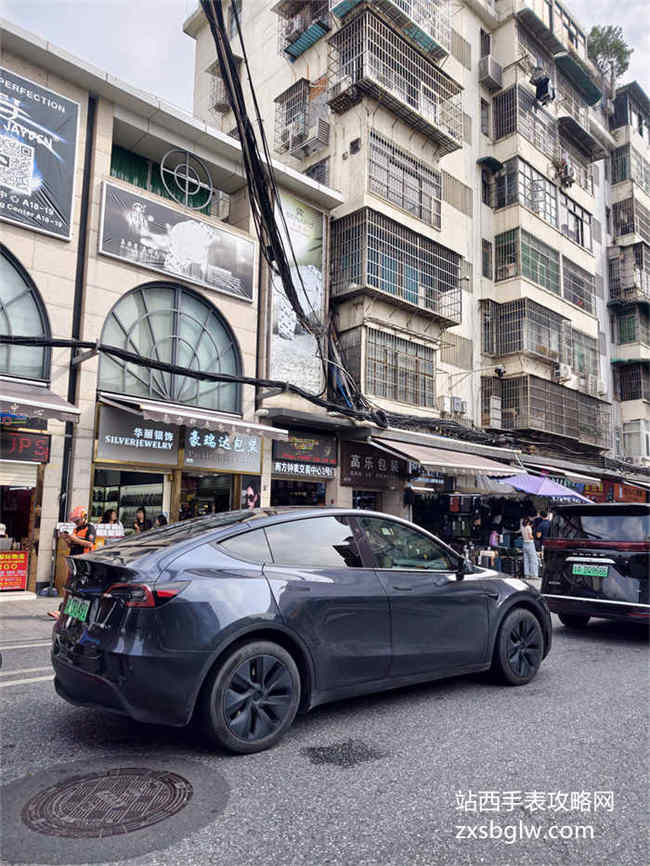
Most first-time visitors get lost immediately. The market isn't a single mall; it's a cluster of buildings connected by narrow corridors. If you go to the ground floor, you will mostly find low-quality junk meant for tourists. The real action happens on the upper floors, particularly the 3rd to 5th floors of the main wholesale buildings. This is wher the serious "Station West watch" suppliers operate.
I always tell my foreign partners to skip the street vendors. Go straight to the dedicated wholesale counters. Look for the ones with glass display cases filled with multiple layers of watches, not just a few plastic boxes. These are the places that have inventory depth. If a stall owner hesitates to let you open the case, walk away. Confidence is the first sign of a legitimate supplier.
Hands-On Inspection: The Art of the Deal
Checking the Movement and Weight
Here is my secret trick that I use every day. When I pick up a watch, I don't look at the dial first. I check the weight. A genuine-style stainless steel watch should feel heavy and cold. If it feels light, like hollow aluminum, the plating will wear off in a month. Then, I listen. I wind the crown and listen to the rotor spin. A good clone movement sounds like a gentle hum. A cheap one sounds like a rattle.
I also check the sapphire crystal. I take a small dro of water and put it on the glass. On a real sapphire, the water beads up perfectly. On a mineral glass copy, it spreads out flat. This simple test has saved me from buying bad stock dozens of times. In the Station West market, the best sellers use Swiss-grade sapphire, but you must verify it yourself.
Verifying the Details That Matter
Let's talk about the date window. On a high-quality model, the date should be perfectly centered and the magnification (the cyclops lens) should be clear. On cheaper versions, the date is often tilted, or the magnification is weak. I once saw a buyer pay $300 for a watch that looked great from the front, but when he turned it sideways, the side engraving was blurry. That's a dead giveaway of a low-tier factory.
Another critical point is the clasp. Open it. Does it click firmly? Does it have the micro-adjustment holes? Cheap clasps feel loose and wobbly. At my counter, I always recommend checking the bracelet links. They should move smoothly without any gaps. If you can see light through the gaps, the fit is poor, and it will scratch your wrist.
Dealing with Suppliers: Negotiation and Trust
Building Relationships, Not Just Transactions
You cannot treat Station West like Amazon. You need to build a relationship. I don't give my best prices to strangers. I give them to people who come back, who understand the product, and who respect the craft. When you negotiate, don't just haggle over the lowest cent. Ask about the warranty, the shipping options, and the return policy for defective items.
If a seller promises you a "1:1 replica" without showing you the movement, they are lying. The best suppliers in Guangzhou are transparent. They will show you the movement plate, explain the differences between their tiers, and even let you compare two different versions side-by-side. This transparency is what separates the pros from the scammers.
Common Pitfalls and How to Avoid Them
One of the biggest mistakes I see is buyers trying to buy everything in one go. Don't do it. Start small. Buy one or two pieces to test the quality and the shipping process. once you trust the supplier, then scale up. Another pitfall is ignoring the customs regulations in your country. While I am a local dealer, I always advise my clients to check their local laws regarding imported timepieces. Some countries are strict, others are lenient.
Also, beware of "too good to be true" prices. If someone offers a full gold watch for $50, it is a toy. Real materials cost money. The sweet spot for high-quality Station West watches usually ranges between $150 and $400 depending on the complexity of the movement and the materials used. Anything below that range is likely to disappoint you.
Summary of Key Inspection Points
| Feature | High-Quality Indicator | Low-Quality Red Flag |
|---|---|---|
| Weight | Heavy, solid stainless steel feel | Light, hollow, or plasticky feel |
| Movement Sound | Silent, smooth ticking | Loud rattling or grinding noise |
| Date Window | Perfectly centered, clear magnification | Tilted date, weak magnification |
| Crystal | Water beads up (Sapphire) | Water spreads flat (Mineral Glass) |
| Clasp | Firm click, smooth adjustment | Loose, wobbly, difficult to close |
Walking the floors of Guangzhou Station West is an experience that cannot be replicated online. It requires patience, knowledge, and a sharp eye. As a local shop owner, I have seen thousands of watches pass through my hands. I know which factories produce the best movements, which ones use the best steel, and which ones cut corners. If you want to succeed in sourcing from here, you must be willing to learn the trade, not just buy the product. Come down, meet me, and let's find the perfect watch together.
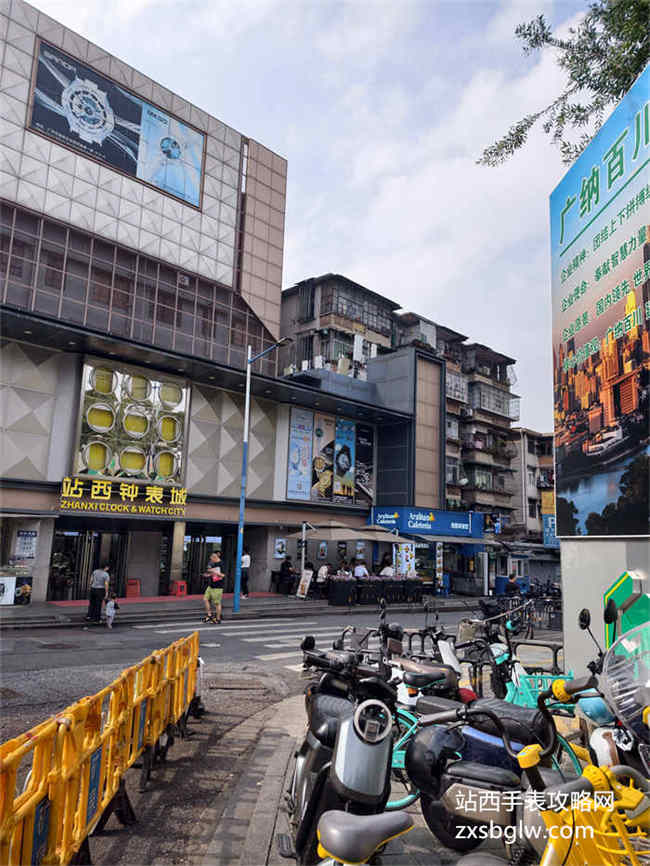
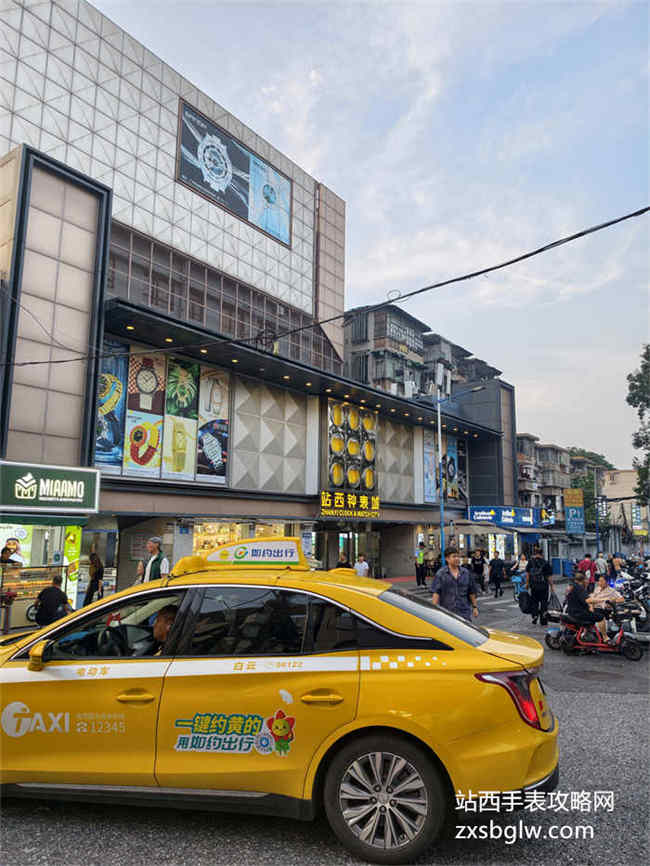
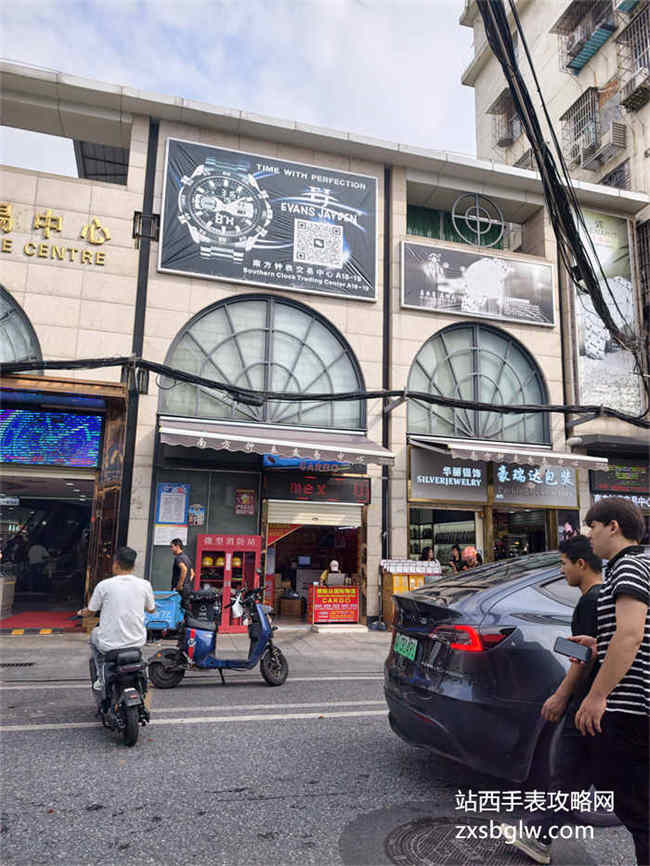
 On-site Visits
 Free Sharing
 Avoid Scams
 Updated Frequently
 For Reference Only