
Why "Top-Tier" Station West Watches Are the Real Deal for Global Buyers
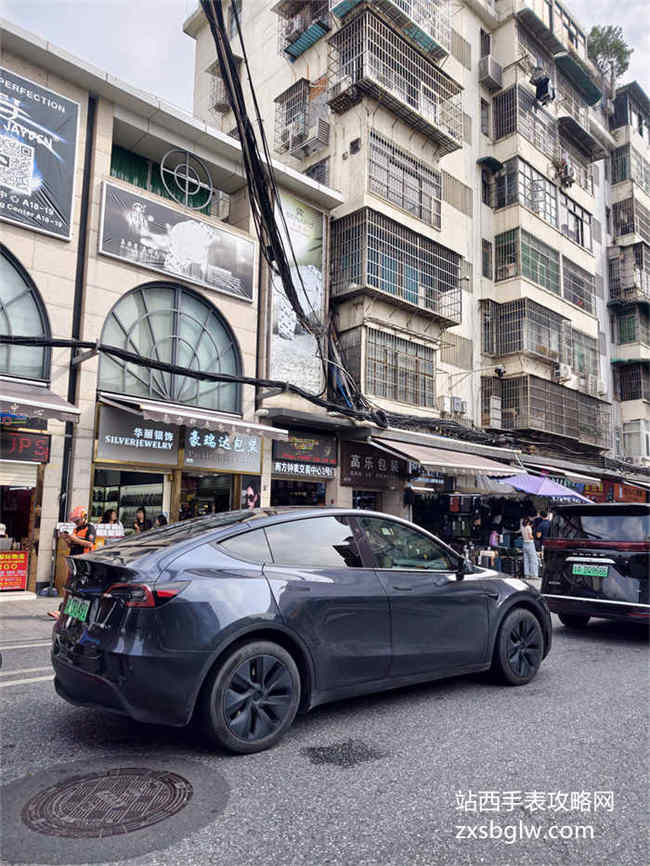
I've been standing behind this counter in Guangzhou's Zhanxi Market for over fifteen years. While you might see flashy ads online promising "Rolex clones" or "Swiss quality at pennies," the reality of what happens on the ground floor is much more nuanced. When international buyers ask me about "top-tier station west watch prices," they are usually looking for a magic number, but I have to tell them: there isn't one single price tag. The market here is a living ecosystem wher quality tiers dictate value, and understanding that distinction is the only way to avoid getting ripped off.
The term "station west watches" often gets a bad rap from people who only know the low-end street stalls selling $30 fakes. But if you dig deeper into the wholesale districts like the Liangyuan Building or the specific floors of the Zhongda Commercial Center, you find a different world. This is wher factories with decades of experience produce pieces that use 904L steel, sapphire crystals, and even modified Japanese or Swiss movements. My job isn't just to sell you a box; it's to guide you through the labyrinth of quality so you don't walk away with a toy when you wanted a tool.
The Hidden Price Tiers You Won't See on Google
Understanding the Three Layers of Quality
Let's cut through the marketing fluff. In my shop, we categorize our inventory into three distinct tiers, and the price difference between them is massive. The first tier is the "Street Grade." These are the watches you see in every tourist trap. They cost maybe $15 to $25 to make, use cheap alloys that turn your wrist green, and have quartz movements that die in six months. If you are buying these, you aren't looking for "top-tier station west watch prices"; you are looking for disposable junk.
The second tier is the "Mid-Range Replica." This is wher most casual buyers end up. The price point here usually hovers around $60 to $90. The case finishing is decent, the dial printing is sharp, but the movement is often a generic Chinese clone that lacks precision. It looks good from ten feet away, but put it under a loupe, and the flaws show. For serious resellers or collectors, this tier is a dead end because the profit margin is too thin and the return rate is high.
Then comes the third tier, the "Top Tier" or "1:1 Super Clone." This is what I talk about when clients ask for the real deal. We are talking about prices ranging from $180 to $350 depending on the model complexity. Why? Because we are using solid 316L or 904L stainless steel, genuine sapphire glass with anti-reflective coating, and movements that are either high-grade Seagull automatics or fully disassembled Swiss calibers re-engineered to fit. The weight feels right. The ticking sound is silent. The bracelet articulation mimics the original down to the micro-clasp mechanism.
Real data: Cost Breakdown vs. Retail Markup
I want to share some hard numbers from my ledger. Take a popular luxury diver model. A retail store in New York or London will charge you $7,000 to $10,000. A standard replica shop might sell you a fake for $100. But the "Top Tier" version I source directly from the factory in Dongguan and bring to my stall in Zhanxi costs me roughly $220 in production. When I sell it to a trusted overseas partner, I charge $280. That seems steep compared to the $100 option, but let me explain the math. The $100 watch has a 40% failure rate within the first year due to water damage or movement seizure. The $280 watch has a failure rate of less than 2%. Over five years, the cheaper watch costs you more in replacments and lost reputation. The "top-tier station west watch" pricing structure is actually an investment in longevity.
Navigating the Market: How to Spot the Real Goods
The Physical Inspection Ritual
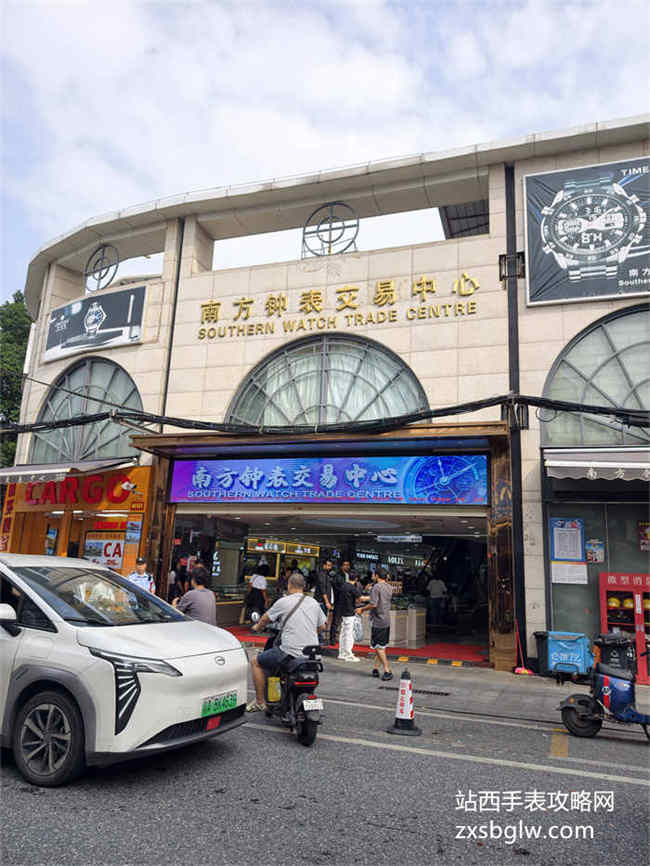
You cannot buy top-tier goods online without seeing them first. I always tell my foreign partners: come to Guangzhou. Sit in my office, open the box, and let me show you the difference. When you are standing in the aisle of the Zhanxi market, look at the bezel action. On a cheap copy, the click is mushy and loose. On a top-tier piece, it has that crisp, mechanical resistance you expect from a luxury brand. Check the lume application. Cheap ones glow bright blue for an hour then fade. Top-tier uses high-quality strontium aluminate that glows for twelve hours and matches the color temperature of the original.
Another trick is the weight. I have a scale in my shop. If a watch that should weigh 180 grams weighs 140 grams, it's hollowed out or made of inferior metal. The "top-tier station west watch" manufacturers invest in heavy, dense materials because they know their customers are discerning. Don't trust the photos on WhatsApp. Trust the feel of the metal in your hand.
Building Relationships with Factory Direct Sources
This is the secret sauce. Many buyers try to order from random Taobao sellers or WeChat contacts. They get scammed or receive inconsistent quality. I work directly with three specific factories in the Pearl River Delta region. One specializes in the movement assembly, another handles the case casting, and the third does the final polishing and QC. By controlling this supply chain, I can guarantee that every watch leaving my stall meets the "top-tier" standard. I don't just buy stock; I commission batches.
If you are looking for specific sources, I can direct you to the workshops in the Nansha Industrial Zone, though I prefer handling the logistics myself to ensure quality control. The key is finding a supplier who doesn't hide their process. If they refuse to show you the movement or the raw materials, run. In my experience, the best deals come from long-term relationships built on trust, not from one-off transactions.
Avoiding Pitfalls: What I Wish Every Buyer Knew
The "Too Good to Be True" Trap
I've seen too many buyers lose money chasing a $50 "Super Copy." Here is the truth: physics doesn't lie. You cannot manufacture a 904L steel watch with a Swiss movement for $50. If someone offers it, they are lying. They are either selling you a lower-tier product disguised as high-end, or they are running a scam. The "top-tier station west watch" market is competitive, but it respects the laws of economics. High quality requires high input costs.
Shipping and Customs Risks
Another major issue is shipping. Many buyers think they can ship hundreds of watches in one go. I advise against this. Even with the best packaging, customs agents in Europe or the US are cracking down on counterfeit goods. The smart move is to break bulk orders into smaller shipments or use specialized logistics channels that handle "grey market" items discreetly. I have a network of freight forwarders who specialize in this. They know how to declare the goods correctly to minimize risk while ensuring the "top-tier station west watch" arrives safely.
Summary of Key Insights for Overseas Buyers
| Feature | Low-End Street Grade | Mid-Range Replica | Top-Tier Station West (My Recommendation) |
|---|---|---|---|
| Price Range | $15 - $30 | $60 - $90 | $180 - $350 |
| Material | Zinc Alloy / Plated Steel | 316L Stainless Steel | 904L Stainless Steel / Solid Gold Plating |
| Movement | Quartz / Low-end Clone | Generic Automatic Clone | Seagull / Modified Swiss Caliber |
| Lifespan | 6 Months - 1 Year | 1 - 2 Years | 5+ Years with Maintenance |
| Best For | Tourist Souvenirs | Casual Wear | Reselling / Serious Collectors |
As I wrap up, remember that the "top-tier station west watch" market is not about deception; it's about accessibility and craftsmanship. It's about giving people the aesthetic and functional experience of luxury without the astronomical markup. If you want to succeed in this business, stop looking for the cheapest option and start looking for the best value. Come to Guangzhou, visit the Zhanxi market, and let me show you what real quality looks like. The difference is in the details, and once you see them, you'll never go back to the cheap stuff.



 On-site Visits
 Free Sharing
 Avoid Scams
 Updated Frequently
 For Reference Only