
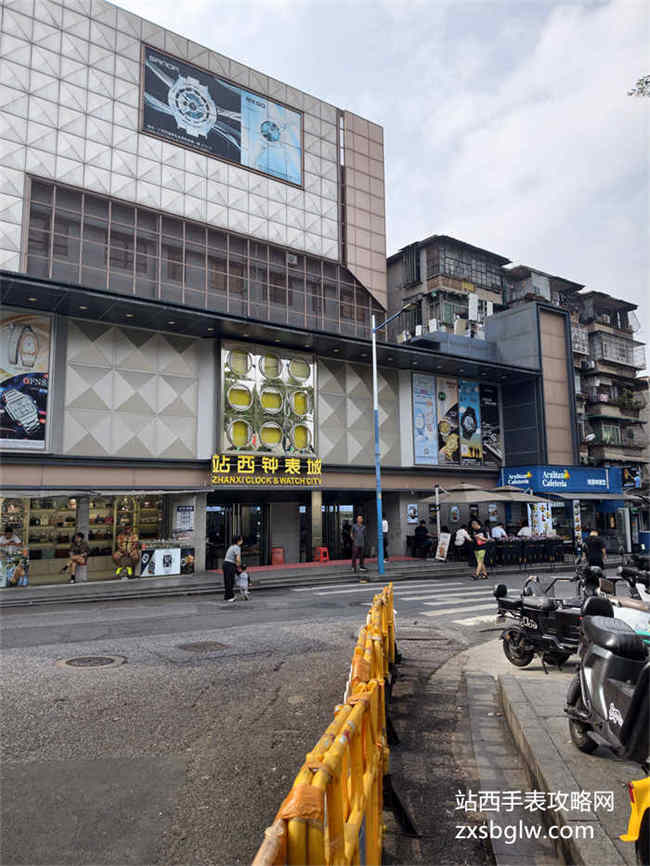
The Real Deal: Why You Need to See Zhanxi Watches in Person
I've been standing behind the counter at Guangzhou's Zhanxi Watch Market for over fifteen years. While I see thousands of "Zhanxi watch pictures" flooding social media feeds and WhatsApp groups every single day, let me tell you something that no high-resolution image can ever show you: the texture of the metal, the weight of the movement, and the subtle difference between a factory sample and a mass-produced copy.
Many overseas buyers think they can just order based on a photo. They send me a screenshot from Instagram or a blurry shot from a forum, expecting me to replicate it perfectly. Nine times out of ten, they end up disappointed. The lighting in a studio makes everything look premium, but the reality on Floor 3 of the Zhongda Building is raw, unfiltered, and often chaotic. If you want to source genuine quality from the Guangzhou Zhanxi watch market, you have to get off your couch and come here. Let me walk you through exactly how we do business down here, step by step.
Navigating the Labyrinth: Finding the Right Stall
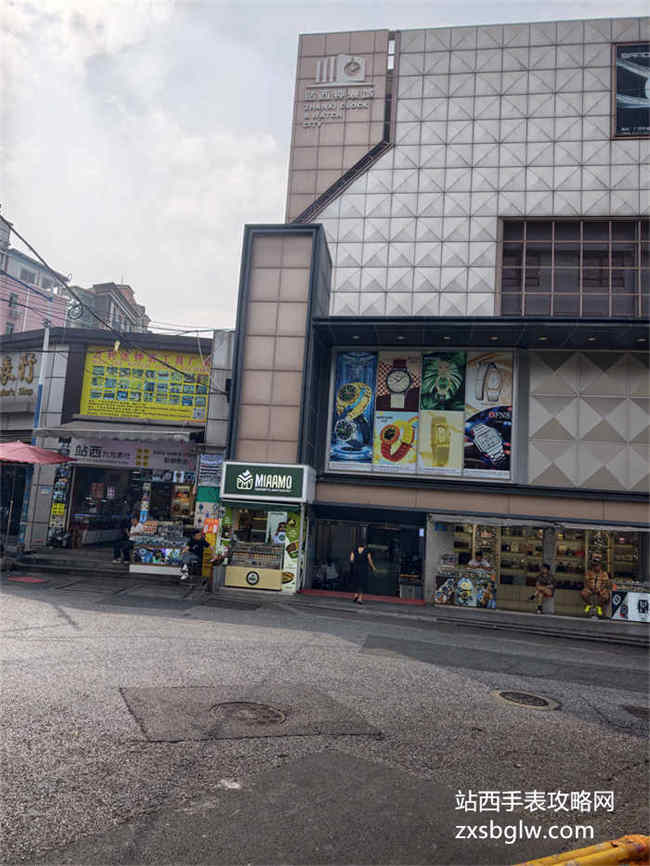
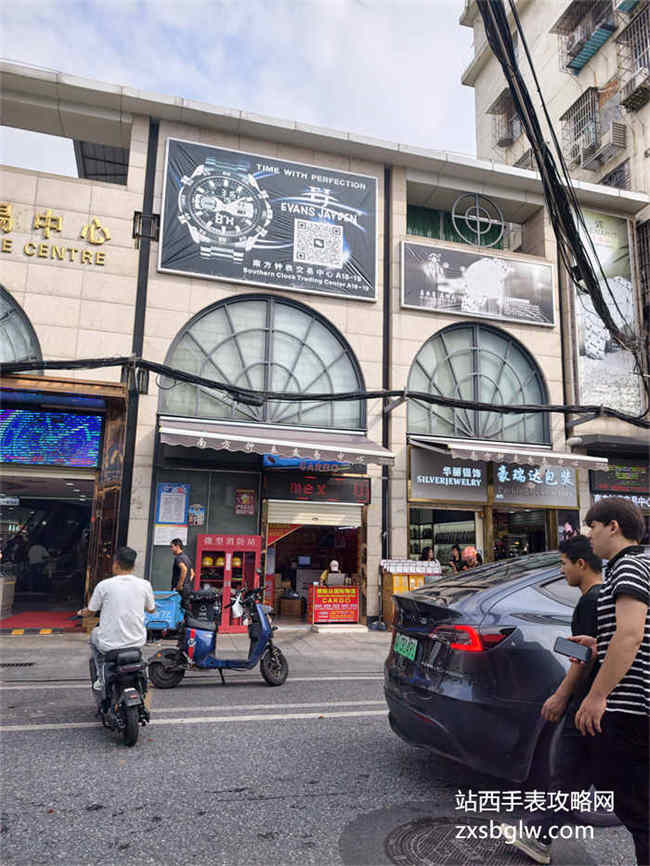
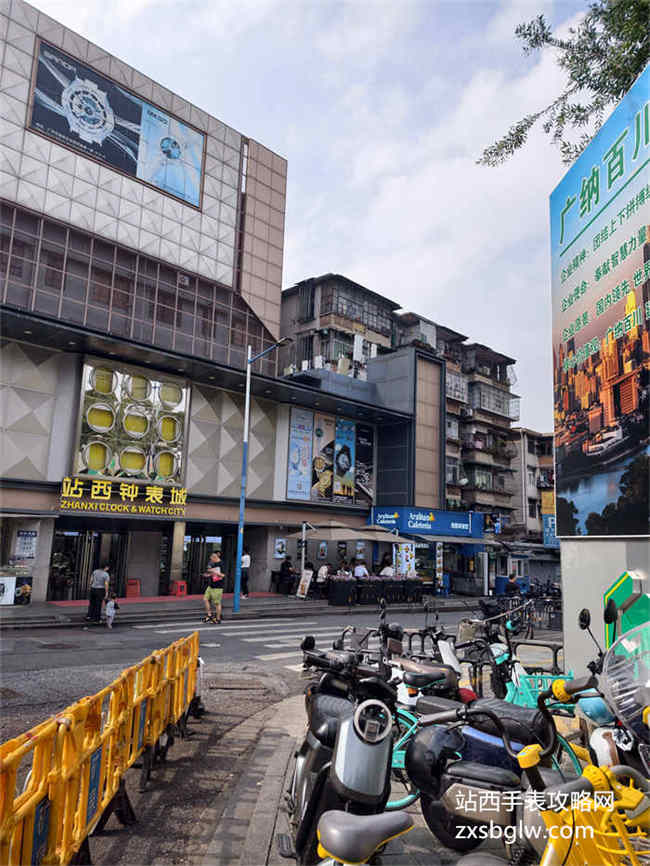
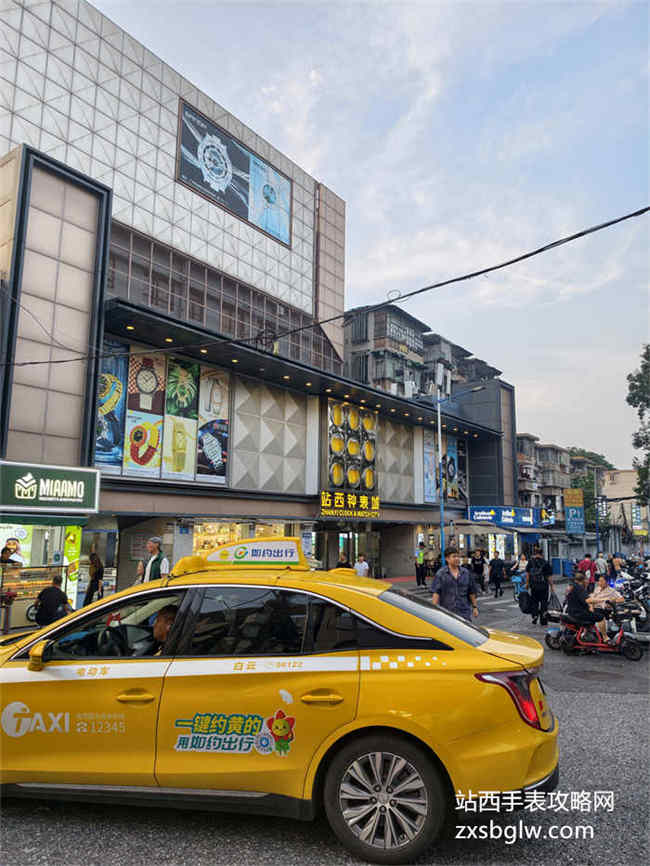
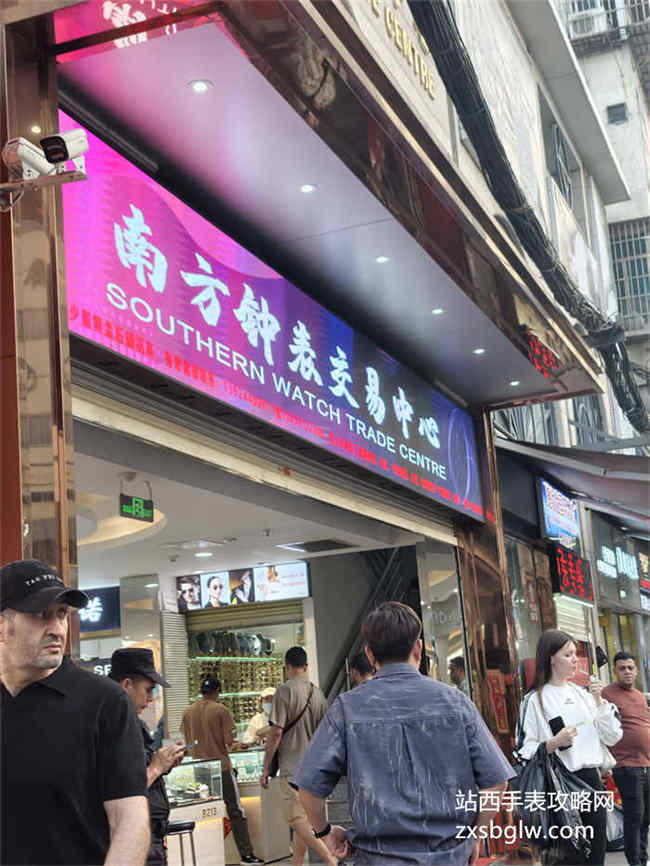
The first thing you need to understand is that Zhanxi isn't one building; it's a sprawling ecosystem of interconnected structures. When people search for "Guangzhou Zhanxi watch wholesale," they usually mean the area around Liuhua District, specifically the buildings like the Zhongda International Trade Center and the nearby Shengli Building.
Floor 3 vs. Floor 5: Wher the Quality Lives
Don't just wander aimlessly. In my experience, the quality tiers are strictly segregated by floor. If you walk into the ground floor or the second floor of most buildings, you will mostly find low-end replicas, plastic cases, and movements that sound like a washing machine. That is not what you are looking for if you want serious stock.
Head straight for the third floor and above. This is wher the serious players operate. For example, if you are looking for high-end Swiss-style movements, you need to visit the stalls on the fourth floor of the Zhongda Building. I personally know a few owners there who specialize in "1:1" grade watches. One specific stall owner, Uncle Chen, runs a shop right near the escalator exit on the fourth floor. He doesn't advertise much online, but his inventory is legendary among seasoned importers. He keeps his best pieces locked in a glass cabinet, only showing them to clients who ask about the "top tier" options.
The "Sample" Trap
Here is a hard truth: many sellers will show you a "sample" that looks perfect. But when you ask for the bulk order, you get something else. At Uncle Chen's place, he always tells me, "The sample is the king, the batch is the soldier." He lets you inspect the sample thoroughly. He even has a loupe ready for you to check the engraving depth on the case back. This level of transparency is rare unless you build a relationship with the stall owner.
The Art of Inspection: What Your Eyes Must Catch
When you finally stand in front of a stall, the real work begins. You cannot rely on the "Zhanxi watch pictures" you saw online. You need to use your hands. Here is my checklist for every single piece I inspect before negotiating a price.
Weight and Balance
Pick up the watch. Does it feel light? A cheap replica made of hollow steel will feel feather-light compared to a solid stainless steel version. I once had a client from the US who ordered fifty units based on a picture. When they arrived, they were all hollow. The cost of shipping those back was more than the profit margin. Solid steel should have a distinct heft. If it feels like a toy, put it down immediately.
The Movement Sound Test
This is an old trick, but it works every time. Hold the watch close to your ear. Listen to the ticking. A cheap quartz movement might be silent or make a dull thud. A good automatic movement, especially one using a Seagull or Miyota clone, has a smooth, rhythmic sweep. On the fifth floor, there is a stall called "Golden Time" that specializes in high-beat movements. Their watches tick so smoothly you can barely hear them. If the ticking sounds jerky or loud, the internal gears are poorly machined.
Glue and Alignment
Look closely at the bezel. Is there any glue residue? Are the hour markers perfectly aligned? In the lower-tier stalls, you will see misaligned indices and cloudy sapphire crystals. In the top-tier stalls like those run by Manager Liu on the sixth floor, the alignment is within a millimeter. They use laser welding for the links, which means no visible gaps. This attention to detail is what separates a $50 fake from a $300 "premium" piece.
Negotiation and Sourcing: Getting the Best Price
once you have seleced your items, it's time to talk money. Do not start by asking for the lowest price. Start by asking for the "factory direct price." Most stall owners will give you a retail markup first. You need to show them you are a professional buyer.
The Volume Game
If you are buying less than five pieces, expect to pay full price. But if you say, "I am planning to take 50 units for my store in London," the game changes. I remember a deal last month wher a buyer wanted 100 units of a specific model. We negotiated the price down by 15% simply because of the volume. The key is to mention your target market. If you tell them you are selling in Europe, they know you care about quality standards and won't accept sub-par goods.
Payment Terms and Shipping
Never pay 100% upfront without seeing the goods. A common practice here is to pay 30% deposit and 70% upon inspection. For repeat customers, some trusted stalls like the one owned by Mr. Zhang on the third floor of the Shengli Building will offer credit terms. As for shipping, don't trust the generic courier agents. Use the logistics partners that the stall owners recommend. They know how to pack these watches securely to avoid damage during transit. I always advise my clients to buy insurance for the shipment, as customs inspections in some countries can be strict.
Common Pitfalls: Lessons I Learned the Hard Way
There are mistakes that new buyers make constantly. I want to save you from losing money.
The "Too Good to Be True" Picture
If you see a "Zhanxi watch picture" showing a luxury brand watch for $20, run away. It is a scam. Even the best replicas cost more than that to produce. The materials alone—sapphire crystal, ceramic bezels, solid steel—cost a fortune. If the price is too low, the quality will be terrible, and you will end up with unsellable inventory.
Ignoring the After-Sales Support
What happens if the watch stops working after a month? Many stalls claim they offer a warranty, but they disappear when you try to return the item. Always ask for a written guarantee. Some reputable stalls, like the ones in the newer section of the market, actually provide a one-year warranty on the movement. Make sure this is documented in your invoice.
Summary of Key Takeaways
| Aspect | Beginner Mistake | Pro Strategy (My Advice) |
|---|---|---|
| Location | Searching online images only | Visit Floors 3-6 of Zhongda/Shengli Buildings |
| Inspection | Relying on photos | Check weight, movement sound, and glue alignment |
| Negotiation | Bargaining for single units | Commit to volume (50+ units) for factory pricing |
| Trust | Pay 100% upfront | Use 30/70 payment split and verify warranty terms |
Coming to Guangzhou's Zhanxi watch market is not just about buying a product; it is about building a network. The relationships you form with stall owners like Uncle Chen or Manager Liu can last for decades. They become your eyes and ears in China, helping you spot trends before they hit the global market. So, stop relying on static images. Pack your bags, come to Liuhua District, and experience the pulse of the world's largest watch trading hub. That is wher the real value lies.
 On-site Visits
 Free Sharing
 Avoid Scams
 Updated Frequently
 For Reference Only