Why I've Been Selling Watches at Zhanxi for 15 Years: The Real Deal on Sourcing
Welcome to the chaos. If you are reading this, you probably think you can just hop on Alibaba or scroll through Instagram and find the "best" watches from Guangzhou. Let me tell you something that no algorithm will ever show you: the real magic happens in the concrete corridors of the Zhanxi Watch Market, not on a screen. I have been standing behind my counter here since the early 2000s, watching the market evolve from a dusty street stall operation into a global powerhouse. Today, I want to share the unfiltered truth about sourcing high-quality timepieces directly from the source. This isn't about marketing fluff; it's about how you actually survive and thrive when dealing with the complex ecosystem of Guangzhou Zhanxi watch wholesale.
The Myth of online Ordering vs. The Reality of Touch-and-Feel
Many overseas buyers come to me asking why they should fly all the way to China when they can order online. My answer is simple: you cannot judge the weight, the texture of the bracelet, or the quality of the sapphire crystal through a pixelated image. In the world of replica and high-end homages, the difference between a $50 unit and a $150 unit is often invisible to the naked eye until you hold it. At Zhanxi, we call this "touching the goods." When I first started, I made the mistake of ordering based solely on photos. I lost thousands of dollars because the "gold plating" looked perfect on a screen but peeled off after two weeks of wear. Here, you can twist the bezel, listen to the click of the crown, and check the lume glow in our dimly lit showroom. That tactile experience is the only way to ensure you aren't buying junk.
Navigating the Labyrinth: Where to Find the Good Stuff
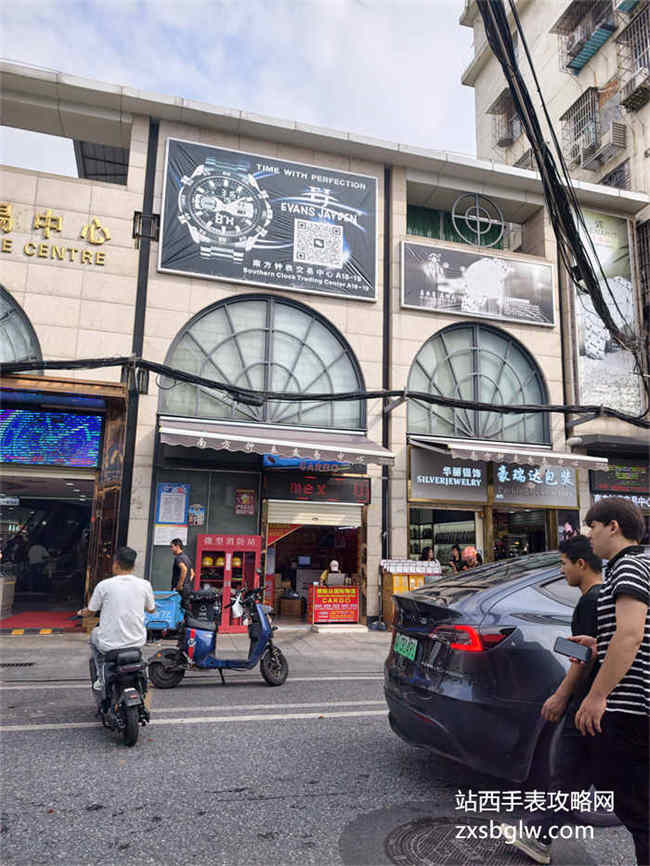
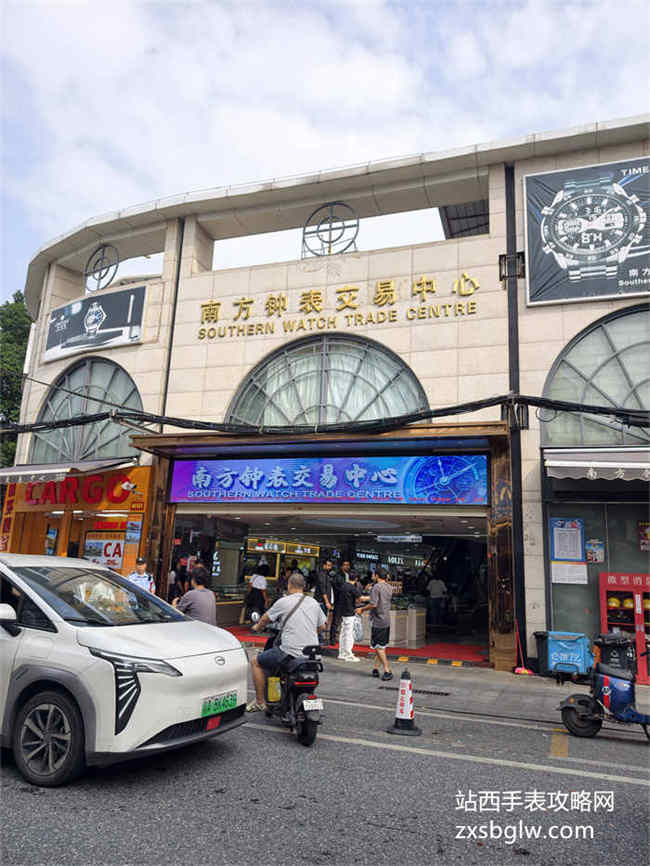
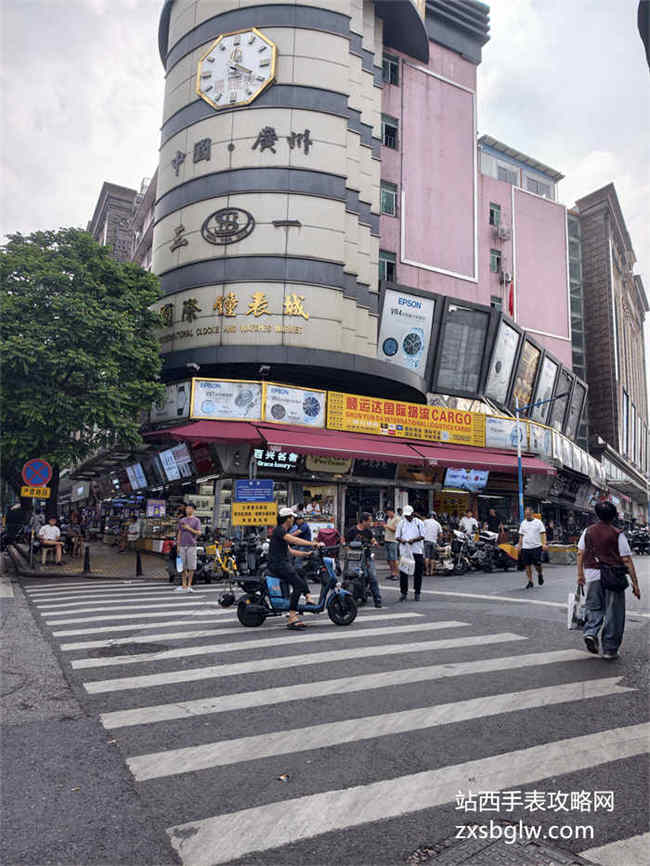
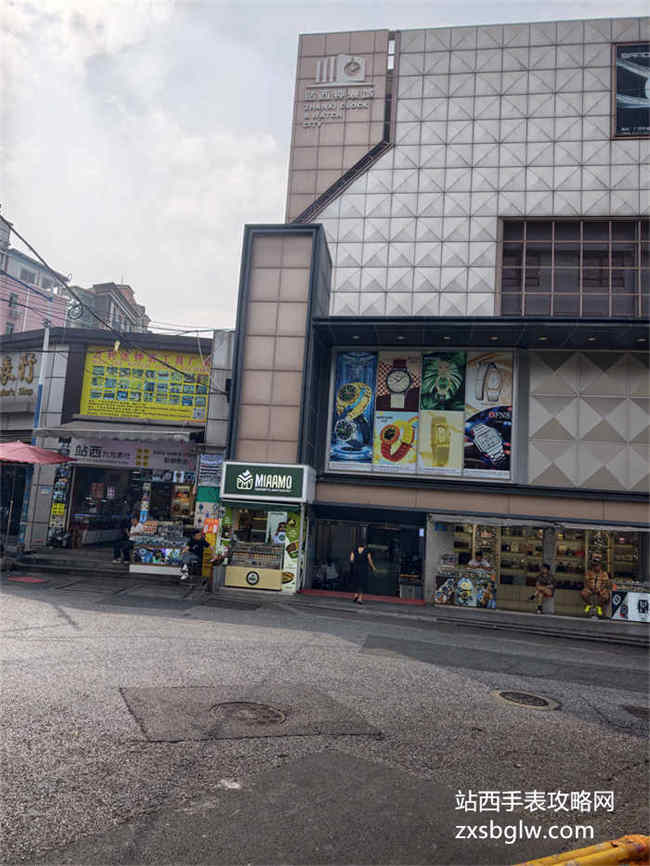
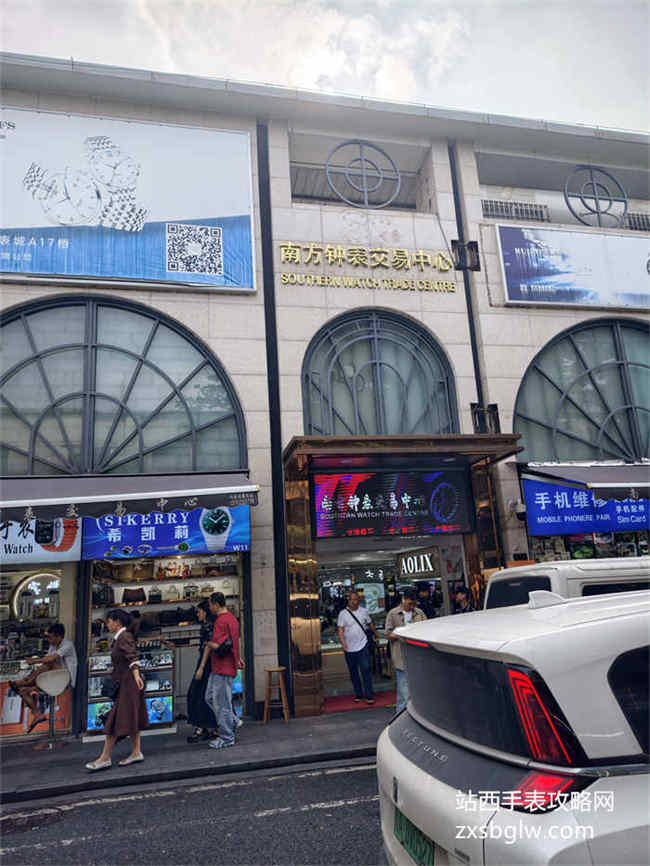
The Zhanxi market is not a single building; it is a sprawling network of interconnected structures, mostly centered around the iconic Zhanxi Road area. If you walk in without a plan, you will get lost in seconds. The market is divided into specific zones, each catering to different price points and styles. You need to know exactly which floor holds the factories you are looking for.
The Golden Floor: Finding Top-Tier Factories
Let's talk specifics. If you are looking for what we call "Top Tier" or "1:1" grade watches, you need to head straight to the Zhanxi International Trade Center (often called the Old Building). Specifically, focus on the 4th and 5th floors. This is where the serious manufacturers operate. Unlike the ground floor, which is full of middlemen reselling goods from other stalls, the upper floors house the actual production lines and their direct sales counters.
I recommend starting your search at Stall 408 on the 4th floor. This is one of the few places where the owner, Uncle Li, actually manages his own factory supply chain. He doesn't just sell; he controls the movement assembly. Another critical spot is Stall 512, known for their exceptional dial printing and case finishing. These are not random shops; these are the ones that supply the big distributors in Dubai and Europe. If you ask for "factory direct" prices here, you will get them, provided you buy in volume. But be warned: if you walk in alone and look like a tourist, they might quote you the retail price. You need to speak the language of the trade.
Avoiding the Trap: Ground Floor vs. Upper Floors
Do not waste your time on the ground floor unless you are looking for low-end fashion watches. The ground floor is filled with "showroom" style stalls that mark up prices by 30% to 50% just to cover their rent and commission fees. They act as intermediaries. The real value lies upstairs. I once saw a buyer spend three hours haggling on the ground floor only to realize later that the same model was available on the 5th floor for half the price. The key is to bypass the middlemen. Ask specifically for the "production line contact" or "factory rep."
The Art of Negotiation and Quality Control
once you find the right stall, the real work begins. Negotiation at Zhanxi is an art form. It is not about being cheap; it is about showing you know the product. If you start by asking "How much?", you lose immediately. Instead, ask about the movement type. Are they using Seiko NH35 clones? Miyota 8215? Or the more expensive Swiss ETA clones? Knowing this shows you are a pro.
Real data: Price vs. Quality Breakdown
Let me give you some hard numbers based on my experience over the last decade. A standard Submariner-style watch with a generic movement and poor plating costs about $15-$20 per unit at the factory level. However, if you want the version with a ceramic bezel, sapphire crystal, and a high-beat automatic movement (like the 9015 clone), the cost jumps to $45-$60. The retail markup in the US or Europe usually lands these at $150-$300. If a seller offers you the "ceramic version" for $25, run away. It is fake. The materials simply do not exist at that price point. I have seen too many buyers get burned trying to squeeze too much margin out of a deal that was already thin.
The Inspection Ritual
Before you pay a single cent, you must inspect the goods. Do not rely on the seller's word. Take a loupe. Check the engraving depth on the clasp. Look for glue residue on the dial. At my stall, we always invite serious buyers to test the water resistance. We have a small tank right here. Drop the watch in for five minutes. If bubbles appear, it's a reject. This step saves you from returns and bad reviews back home. Also, check the packaging. Cheap boxes ruin the perceived value. Insist on the "premium box" option, even if it adds $2 per unit. It makes a huge difference in customer satisfaction.
Logistics and Shipping: Getting Your Goods Home
One of the biggest fears for overseas buyers is getting stuck with customs or losing their shipment. At Zhanxi, logistics is handled daily. Most reputable stalls have established relationships with courier companies that specialize in international shipping to the US, UK, and Australia. They know how to declare goods to minimize duty risks, though you must understand that laws vary by country.
Shipping Times and Costs
Standard air freight takes about 7-12 days. Express services can get there in 3-5 days but cost significantly more. For example, shipping 50 units via DHL might cost around $300, while a slower sea freight option could take 30 days but cost only $150. As a local boss, I advise my clients to mix strategies. Send a small sample batch via express to test the market, then move the bulk inventory via sea or economy air to save costs. Never ship everything in one go. Diversify your risk.
Summary: Your Checklist for a Successful Zhanxi Trip
To wrap this up, let's summarize the golden rules I've learned over 15 years. Whether you are a seasoned importer or a first-timer, keep this checklist in mind to avoid pitfalls and secure the best deals.
| Action Step | What to Do | Common Mistake to Avoid |
|---|---|---|
| Location | Go to 4th/5th Floor of Zhanxi Int'l Trade Center | Wasting time on ground floor middlemen |
| Key Stalls | Visit Stall 408 (Li) & Stall 512 (Dial Experts) | Buying from unknown random shops |
| Quality Check | Use loupe, test water resistance, check movement | Trusting photos over physical inspection |
| Pricing | Average $45-$60 for premium models | Buys "too good to be true" deals ($15) |
| Shipping | Mix express samples with bulk sea freight | Shipping all inventory in one risky batch |
The Guangzhou Zhanxi watch market is a beast. It rewards knowledge, preparation, and respect. If you treat it like a casual shopping trip, you will leave empty-handed or with regret. But if you approach it with the mindset of a professional buyer, knowing exactly where to stand, who to talk to, and how to verify quality, you will unlock a supply chain that powers the global watch industry. Remember, the best deals are not found online; they are found in the sweat and noise of the market itself. Come down, touch the metal, and see the future of your business unfold.