Why I've Been Selling Watches in Guangzhou Station West for Over 15 Years
If you are reading this, you probably think the world of high-end replica watches is just a game of luck or that you can find the "best" one by scrolling through Instagram ads. Let me tell you something straight from my shop floor in Guangzhou Station West: that is exactly how you lose money. I have been standing behind this counter since the early 2000s, watching the market evolve from small stalls selling cheap fakes to a sophisticated ecosystem where some pieces are so good they fool even seasoned collectors. When people ask me about Guangzhou Station West watches, I don't give them a sales pitch. I give them the truth about what it takes to actually buy smart.
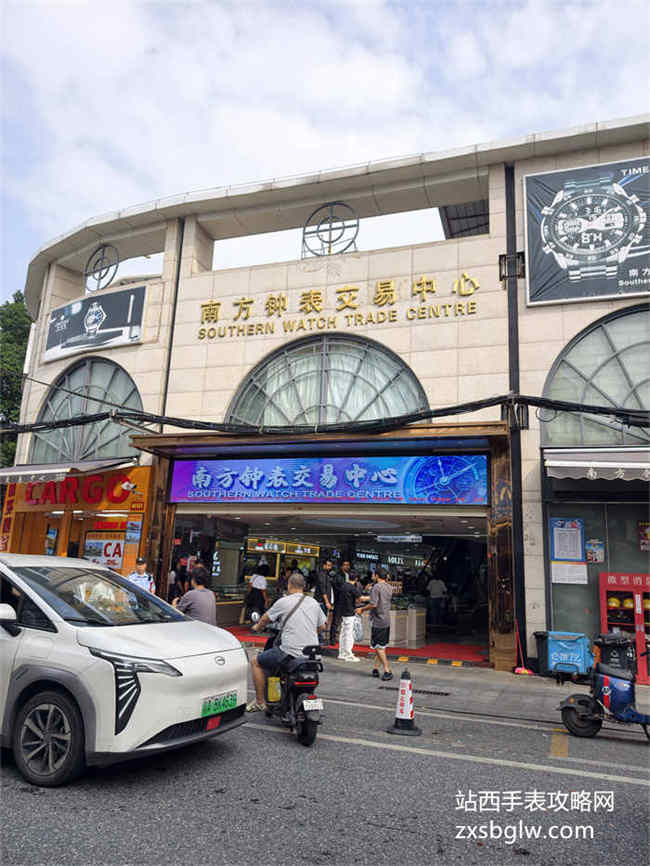
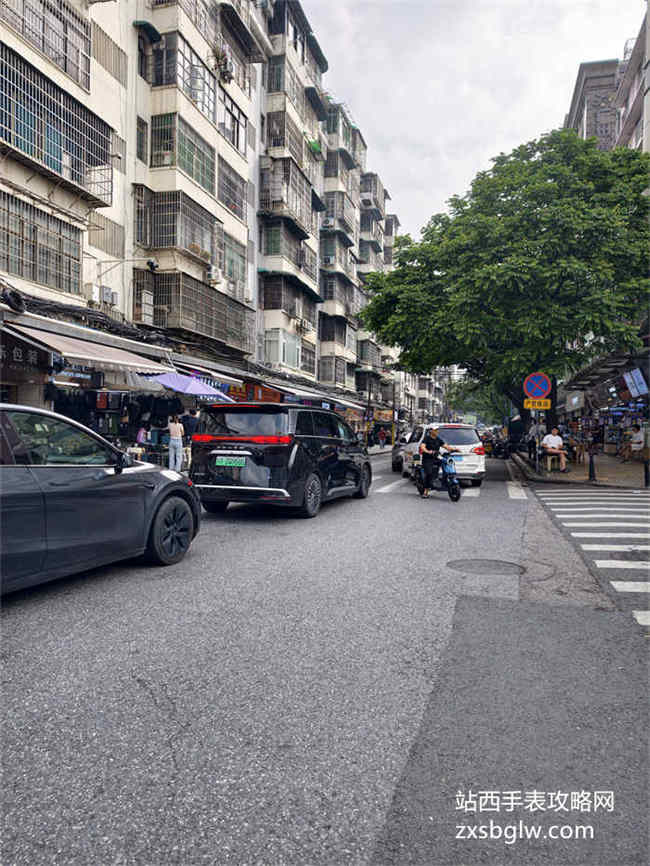
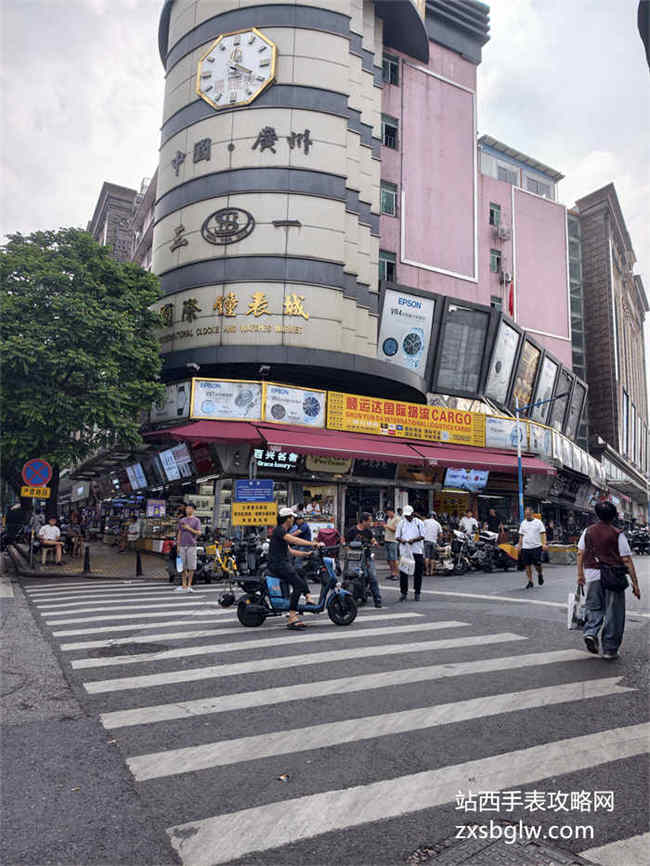
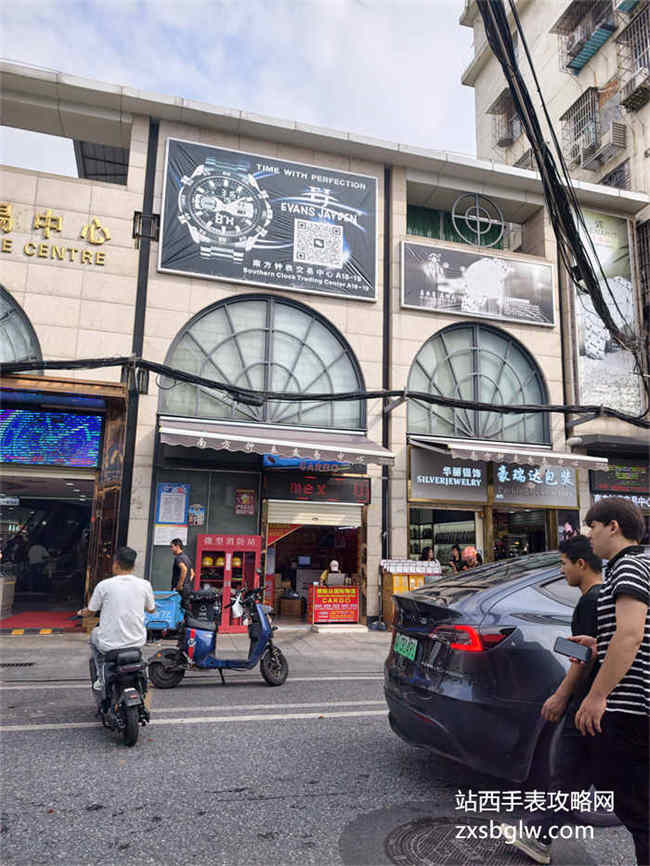
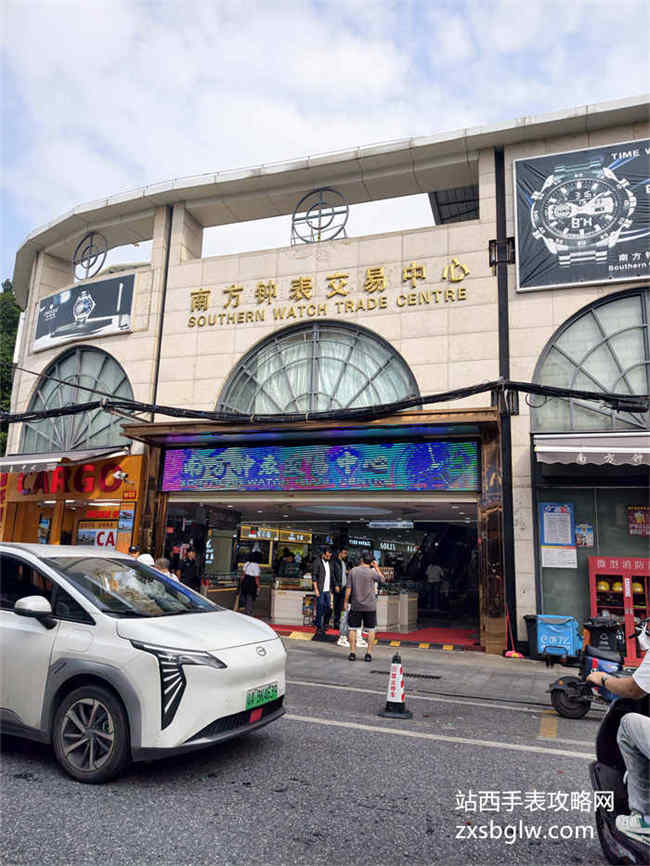
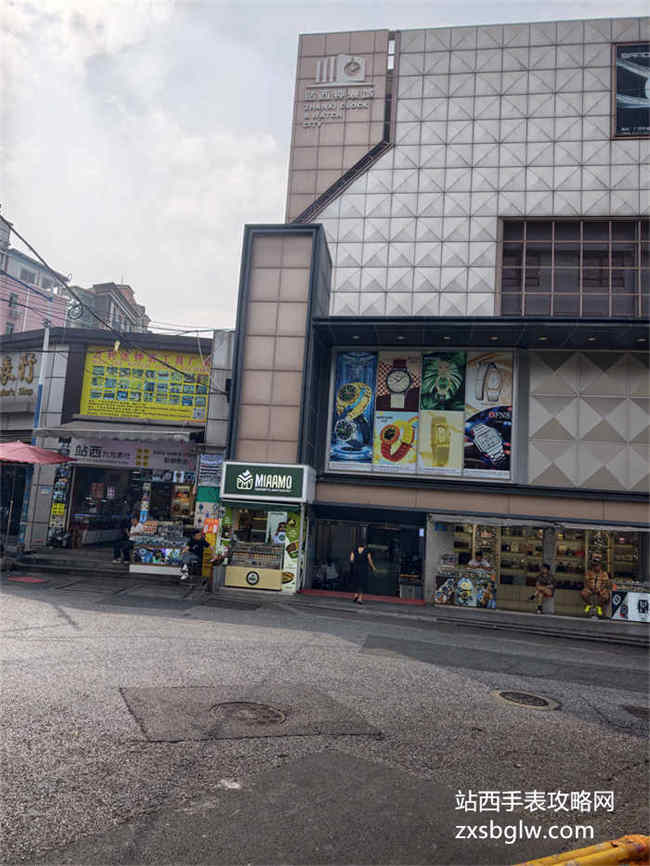
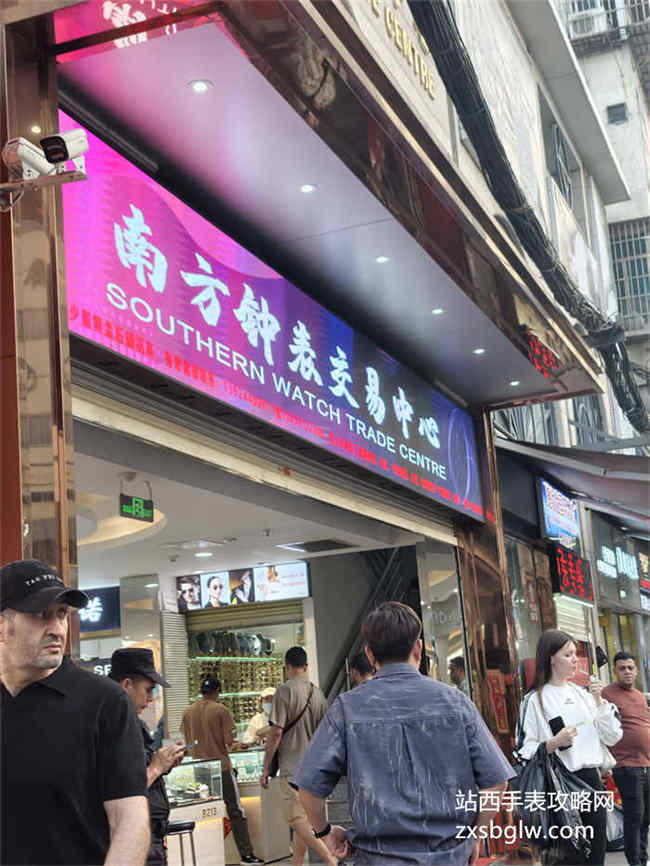
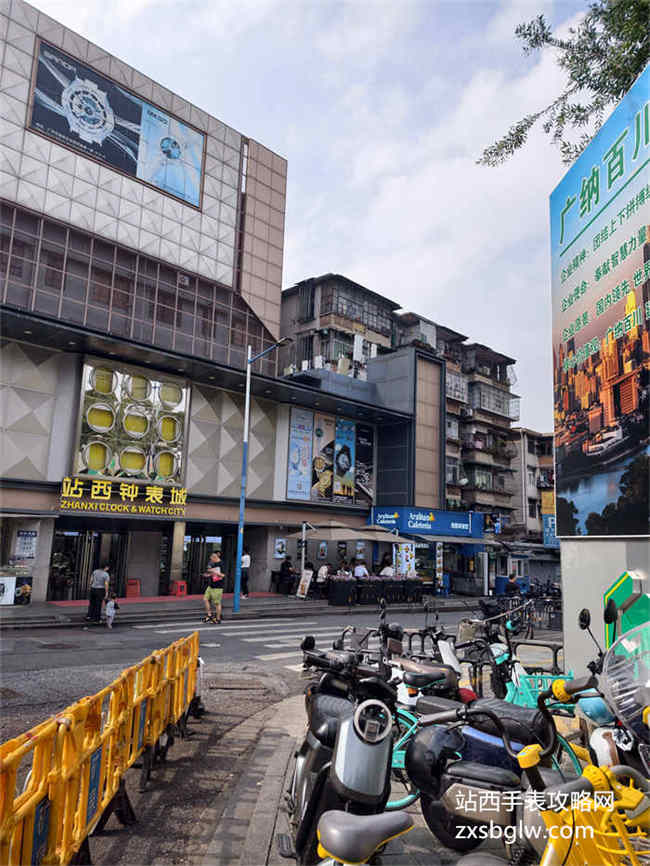
The first thing you need to understand is that "Station West" isn't just one building. It is a sprawling network of malls like the Zhongda Building, the Xingfa Building, and the massive Tianma Plaza. Each building has its own vibe, its own price point, and its own quality tier. If you walk into a random stall on the ground floor of a busy mall without knowing what you are looking for, you will get quoted prices that are double what you should be paying. The real action happens on the upper floors, away from the tourists, where the serious buyers and the factory reps meet.
Navigating the Labyrinth: Where to Find the Real Goods
The Hierarchy of Quality in Different Buildings
Let's break down the geography because location is everything here. If you are looking for entry-level stuff, maybe for a gift or a costume piece, the lower floors of the Zhongda Building are fine. But if you want the kind of Guangzhou Station West watches that mimic the movement and finish of Swiss luxury brands, you need to go up. My personal recommendation is the 4th and 5th floors of the Xingfa Building. This is where the "super clones" live.
I remember a client last year who wanted to buy a Rolex Submariner. He went to a street vendor near the subway station. They sold him a piece for $80 that looked okay from a distance but had a plastic bezel and a quartz movement inside. That was a disaster. Instead, he came back to my shop, and we walked to the 5th floor of Xingfa. We found a specific booth run by a supplier named "Master Watch Factory." They didn't show us anything until we asked for their "top tier" line. The difference? The weight, the sapphire crystal clarity, and most importantly, the automatic movement. The movement in the top-tier pieces often uses a modified Seagull ST9000 or a clone of the ETA 2836/2824, which runs smooth and keeps time within -5/+10 seconds per day. That is professional grade.
How to Spot a Fake Dealer vs. A Real Supplier
Here is a trick I use every single day. When you enter a stall, do not immediately ask, "Do you have Rolex?" or "What is the price for Patek Philippe?" If you do that, the dealer knows you are a tourist or a newbie. They will try to upsell you on low-quality goods. Instead, look at the display cases. Look for the boxes. Real suppliers usually keep their best stock in plain cardboard boxes or simple black velvet pouches, not flashy branded boxes that scream "fake." Why? Because the box is the first thing customs might seize, and the real dealers know better than to advertise their inventory too openly.
Also, pay attention to the staff. In the lower-quality stalls, the staff is loud, aggressive, and tries to force you to buy. In the legitimate supply chain areas, the staff is quiet, professional, and waits for you to ask specific questions about the movement, the dial printing, or the case finishing. If they start talking about "VIP discounts" before you even see the product, run. That is a sign of a scammer trying to move dead stock.
The Art of Inspection: What I Check Before I Pay
Movement Matters More Than You Think
This is the biggest mistake overseas buyers make. They focus on the logo or the color of the dial. I focus on the heart of the watch. When I am negotiating with a supplier, I always ask to see the movement. Even if the watch is sealed, many honest dealers in Guangzhou Station West will open the back case for you if you are a serious buyer. I check for the engraving on the rotor. Is it clean? Are there any glue marks? Does the balance wheel oscillate smoothly?
I once bought a batch of Omega Speedmasters. The front looked perfect. But when I opened the back, I saw a cheap Chinese automatic movement that wasn't even a clone of the original caliber. It ticked loudly and had no power reserve. I rejected the whole shipment. Later, I found a different supplier who used the correct clone movement. The price difference was only $15 per unit, but the value difference was huge. Never compromise on the movement. It is the only thing that makes a watch feel real when you wear it.
The Dial and Hands: The Devil is in the Details
Another critical area is the luminescence. Cheap copies use paint that glows for ten minutes and then fades. High-quality Guangzhou Station West watches use Super-LumiNova or similar high-grade materials that glow brightly for hours. I also check the alignment of the hands. On a genuine luxury watch, the hour hand and minute hand are perfectly aligned with the markers. On a bad copy, you will see a gap or a slight tilt. I use a loupe to check the printing on the dial. Is the text sharp? Are there any smudges? If the text looks blurry under magnification, put it back on the shelf.
Negotiation Tactics and Avoiding Common Pitfalls
Understanding the Price Tiers
Let's talk numbers. You will hear prices ranging from $50 to $500 for the same model. Here is the reality. A $50 watch is made of zinc alloy and has a quartz movement. It will break in a month. A $150 watch might have a stainless steel case and a decent automatic movement, but the finishing is rough. A $300+ watch is the "top tier" or "1:1" version. It uses sapphire crystal, ceramic bezels, and high-quality movements. Do not expect to buy a top-tier watch for $100. If someone offers it to you, they are lying. The cost of materials alone makes that impossible.
When negotiating, never accept the first price. The initial quote is always inflated. Start by asking for the "wholesale price" or the "factory direct price." If you are buying more than five pieces, you have leverage. I usually negotiate a 10-15% discount for bulk orders. Also, ask for free shipping. Most suppliers in Station West are willing to ship via DHL or EMS for free if the order value is over $500.
The Shipping Trap
One of the biggest risks is getting your package seized by customs. Many dealers will offer you "tax-free shipping," but that is often a lie. They might send it as "gifts" or "spare parts," but customs officers are getting smarter. The best strategy is to work with a reliable forwarder. Some suppliers in the Xingfa Building have partnerships with logistics companies that specialize in handling these shipments discreetly. Always ask the supplier: "What is your experience with shipping to [Your Country]?" If they hesitate, find another supplier.
Summary of Key Takeaways for Buyers
| Factor | Low Quality (Avoid) | High Quality (Recommended) |
|---|---|---|
| Location | Ground floor, street vendors | 4th-5th Floor, Xingfa/Tianma Malls |
| Movement | Quartz or cheap generic auto | Clone ETA/Seagull, smooth sweep |
| Materials | Zinc alloy, mineral glass | 316L Stainless Steel, Sapphire Crystal |
| Luminescence | Fades quickly, dim | Super-LumiNova, bright and long-lasting |
| Price Range | $30 - $80 | $250 - $450 |
Buying from Guangzhou Station West is an adventure, but it requires patience and knowledge. There is no magic button to get the best deal. You have to walk the floors, talk to the people, and inspect the goods yourself. Don't rush. If you take your time, you will find the hidden gems that are worth every penny. Remember, the goal is not just to buy a watch; it is to build a relationship with a supplier who understands quality. That is the secret to success in this market.