The Real Price of "Zhanxi" Watches: A Veteran's Honest Breakdown
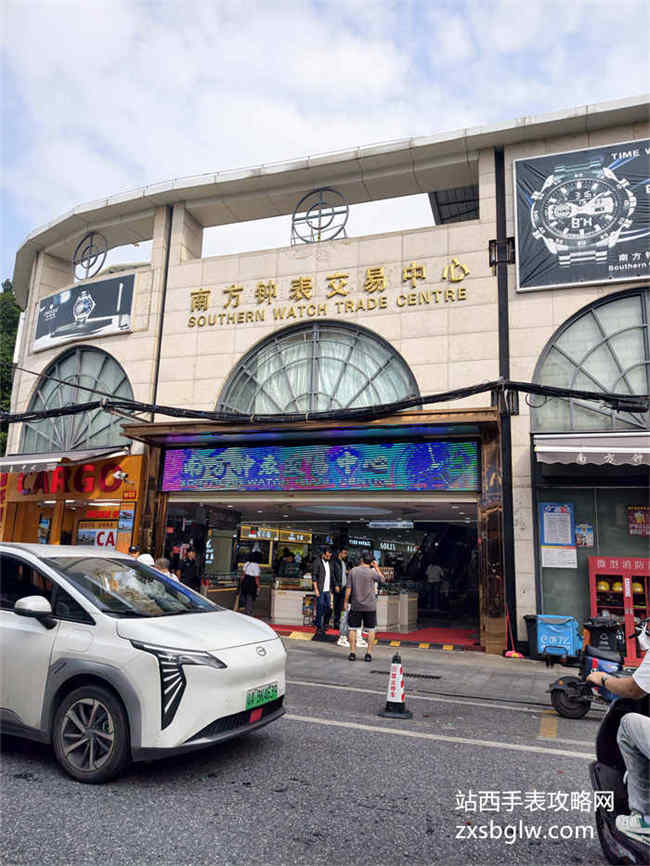
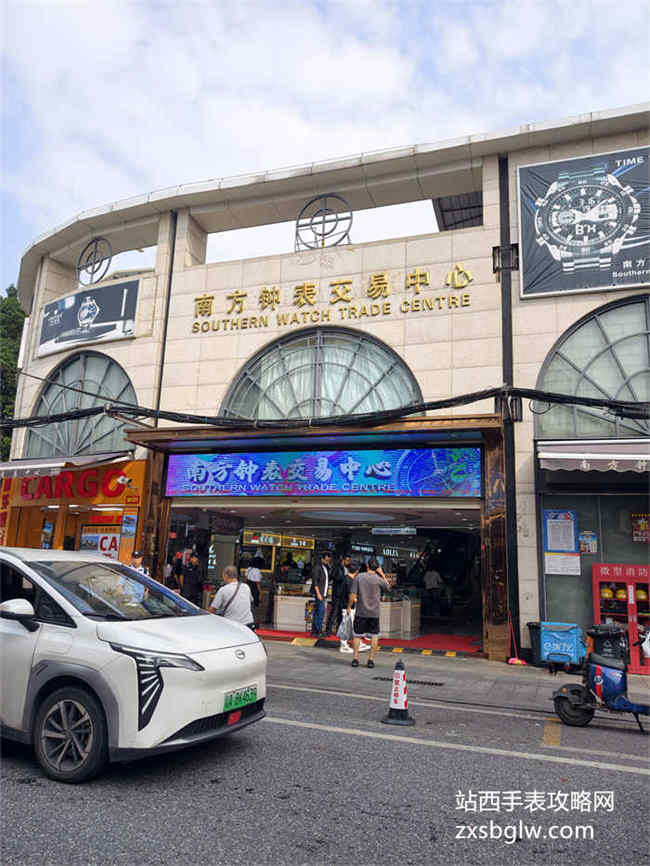
Welcome to the front lines. I've been standing behind this counter in Guangzhou's Zhanxi market for over fifteen years, watching the crowds come and go, from nervous first-timers to seasoned dropshippers who know exactly what they want. You're probably asking yourself, "What is the real price of a Zhanxi watch?" or "How much does it actually cost to source here?" Let me tell you straight: there is no single price tag. The moment you step off the bus at the Zhanxi Watch Market, you enter a world where the sticker price is just the opening bid, not the final truth. If you think you can walk in, point at a display, and pay the listed number, you are already losing money. The magic—and the trap—lies in the negotiation, the tier of quality, and your ability to read the room.
The Myth of the Fixed Tag
I see tourists every day holding their phones, searching for "Guangzhou Zhanxi watch wholesale prices online," expecting a spreadsheet with fixed numbers. It doesn't exist. When you see a Rolex Submariner replica on a shelf tagged at $150, that is the "tourist price." That is the price for someone who looks like they don't know the difference between a sapphire crystal and glass. My regular clients, the ones who fly in from the US or Europe, never pay that. They know that the same movement, the same case finishing, and the same dial printing can be sourced for $45 if you know which factory line it came from. The price fluctuates based on the batch, the material grade (like 904L steel vs. 316L), and whether you are buying a single piece or a pallet of fifty.
Navigating the Floor: Where the Real Deals Hide
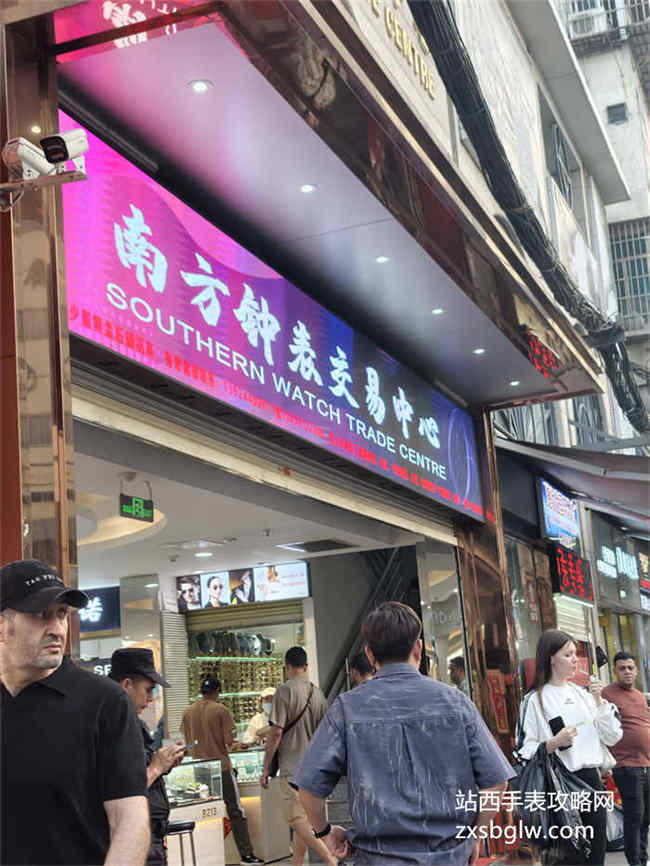
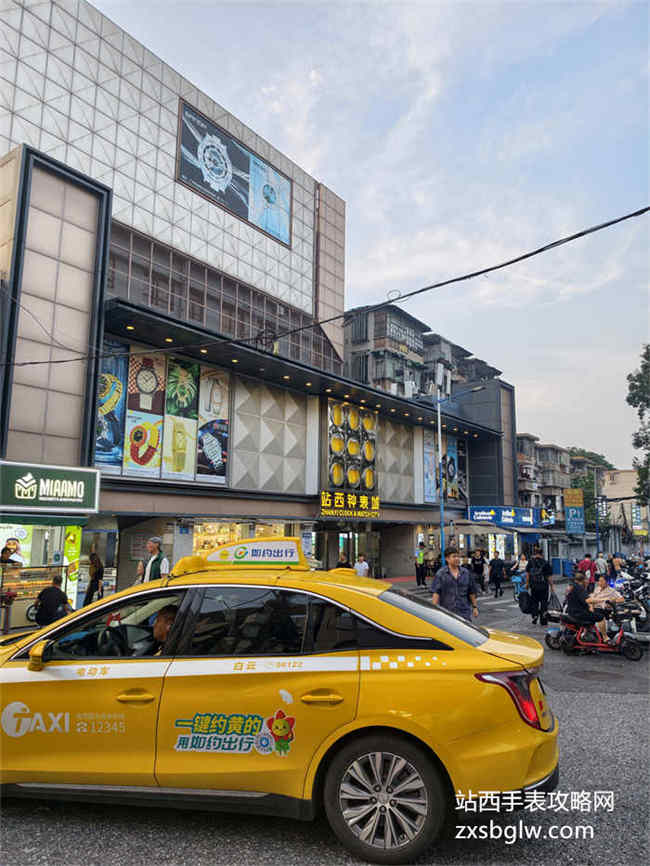
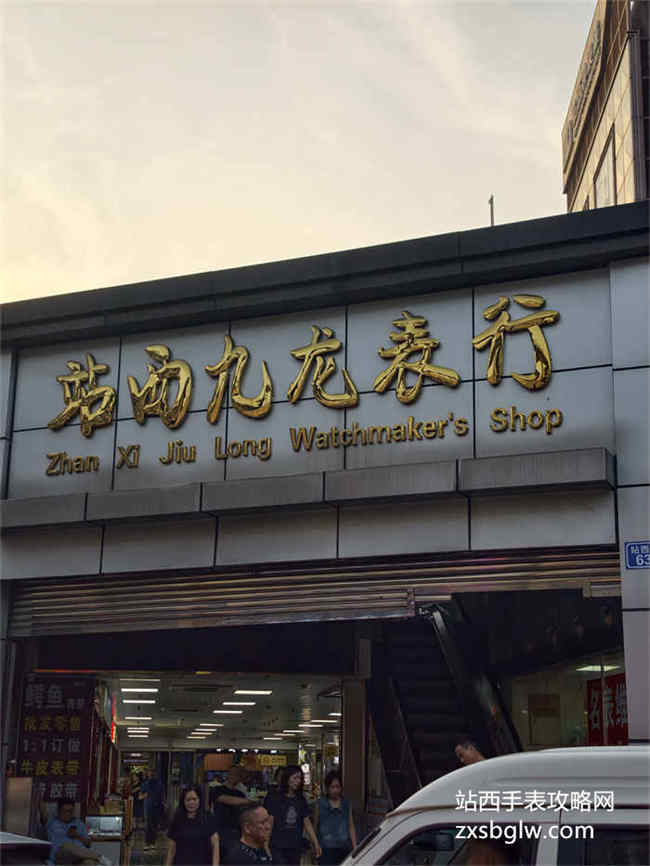
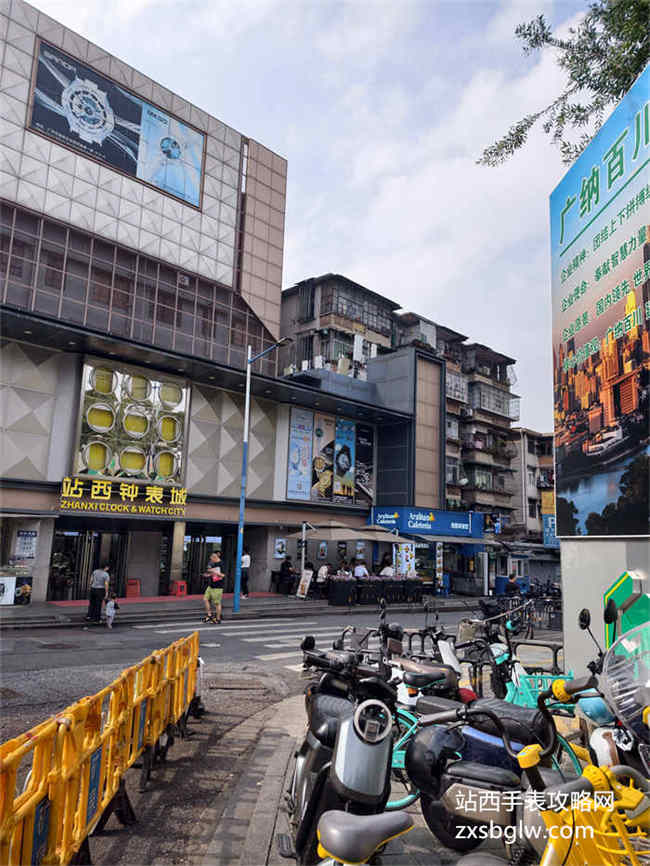
Walking into the Zhanxi market without a plan is like walking into a casino without chips. The building is a maze of narrow corridors, packed with hundreds of booths. Most people get lost in the ground floor chaos, where the flashy displays scream "luxury" but hide low-quality junk. To find the real value, you need to go deeper. The high-end replicas, the ones that fool even experienced collectors, are rarely on the main floor. They are tucked away in the back rooms of specific buildings or on the upper floors where the foot traffic is lighter but the buyers are more serious.
Targeting the Right Factory Lines
Let me give you a concrete example. If you are looking for the best Omega Seamaster clones, do not waste time at the generic stalls near the entrance. Head straight to Building C, third floor, booth number 304. This is where the "C Factory" line operates. Their pricing structure is different. For a standard model, they might quote $80 initially. But if you show them you understand the movement specs—specifically the 300 series clone movements—they will drop the price to $65 for orders over ten units. I have seen buyers pay $120 for the exact same watch because they didn't ask about the movement version. Another spot you must visit is the hidden corridor in Building B, second floor, run by a shop called "Golden Eagle Supply." They specialize in Patek Philippe Nautilus styles. Their "top tier" models use a custom-made 7750 base movement modified to look like the Caliber 324. These sell for around $180 wholesale, whereas the "low tier" versions using cheap Chinese movements sell for $40. The difference is in the weight, the ticking sound, and the smoothness of the sweep hand.
The Art of Inspection: Don't Trust Your Eyes Alone
When you are negotiating, you cannot just look at the box. In Zhanxi, the packaging is often better than the product inside. I always tell my overseas partners to bring a loupe and a magnet. The first thing I check when a new buyer arrives is their knowledge level. If they ask to see the movement immediately, I know they are serious. If they just want to take photos for Instagram, I treat them differently. Here is a hard truth: many shops will show you a "golden sample" that has been polished to perfection, while the actual stock sitting in the back drawer has micro-scratches or slightly off-center dials. You must ask to see the "stock" specifically, not the display unit.
Verifying the Movement and Materials
Let's talk about the heart of the watch. A genuine-looking watch with a fake movement is useless for resale. In the Zhanxi market, the most common scam is swapping a high-grade movement for a cheaper one after you pay. I once had a client from London who ordered twenty watches. He paid for the "super clone" grade. When he opened the boxes back home, half of them had a basic quartz movement instead of the automatic one we agreed upon. Why? Because the supplier thought he wouldn't notice. To prevent this, always request a video call before shipping. Ask the seller to open the case back live on FaceTime. Show them the serial number on the movement. If they hesitate, walk away. Also, check the weight. A solid 904L steel watch should feel heavy. If it feels light as a feather, it's likely plated brass or hollow links. I remember a specific incident where a buyer saved $2,000 by noticing the bezel rotation was too loose—a sign of poor machining that only happens in the lowest tier factories.
Negotiation Tactics and Avoiding Pitfalls
Price negotiation in Guangzhou is a dance. If you start by saying, "I want the cheapest price," you will get the cheapest quality. Instead, say, "I am looking for the best balance between quality and margin." This signals that you care about the product, not just the bottom line. I usually suggest starting the conversation at 60% of the asking price. If they say $100, offer $60. Then meet somewhere in the middle. But remember, the goal isn't just to lower the price; it's to lock in the quality. Many sellers will agree to a lower price but cut corners on the strap or the clasp. Always specify the accessories. Do you want the original box? The extra links? The warranty card? These add up.
The Shipping and Payment Reality
One of the biggest mistakes foreign buyers make is paying via Western Union or direct bank transfer without protection. In the Zhanxi market, trust is built on relationships, not contracts. However, for first-time buyers, I strongly recommend using a secure escrow service or paying through a platform that offers buyer protection. Never send money directly to a personal WeChat account unless you have done business with that person for months. Also, be aware of shipping times. While the market is fast, international logistics can be tricky. Customs seizures are a real risk. I always advise my clients to declare the items correctly or use specialized shipping agents who handle these goods discreetly. The cost of shipping varies wildly depending on the volume. A single watch might cost $20 to ship, but a box of fifty could be under $10 per unit if you consolidate the freight.
Summary of Key Insights for Buyers
| Factor | Beginner Mistake | Veteran Strategy |
|---|---|---|
| Location | Sticking to the ground floor main aisles | Exploring upper floors and back rooms (e.g., Building C, Booth 304) |
| Pricing | Accepting the displayed tag price | Negotiating based on movement type and order volume |
| Quality Check | Inspecting only the display unit | Requesting live video of stock and checking movement specs |
| Payment | Direct transfer to personal accounts | Using escrow or established payment channels for protection |
| Shipping | Ignoring customs risks | Working with specialized freight forwarders familiar with Zhanxi goods |
So, what is the real price of a Zhanxi watch? It depends entirely on you. If you are willing to learn the ropes, visit the right spots, and verify every detail, you can source high-quality timepieces for a fraction of retail. But if you rush, trust blindly, or ignore the details, you will end up with expensive paperweights. The market in Guangzhou is vast, chaotic, and incredibly rewarding for those who respect the craft. Go there, touch the metal, listen to the tick, and negotiate with confidence. That is how you win in the world of Zhanxi sourcing.