The Real Deal: Why "Station West" Watches Still Rule the Global Market
Welcome to the chaos. If you are reading this, you probably think you know about Guangzhou watch sourcing. You've seen the TikTok videos, the dropshipping guides, and the glossy Instagram ads promising "Swiss quality at factory prices." But let me tell you something I've learned after twenty years of standing on the cracked concrete floor of the Station West market: those videos only show you 10% of the truth. The real magic happens in the smoke-filled corridors, the back rooms where the air conditioning is broken, and the shouting matches between buyers and sellers who speak a dialect of Cantonese that sounds like machine gun fire.
I am an old shop owner here. I have seen empires rise and fall in these buildings. When people ask me about "Station West watches passing through counters," they usually mean one thing: can I get a piece from here that looks so good it fools a retail store? The answer isn't a simple yes or no. It's a complex dance of selection, negotiation, and knowing exactly which floor holds the gold and which one holds the trash. Let me walk you through the actual experience of buying here, not the sanitized version you read online.
Navigating the Labyrinth: Where to Actually Go
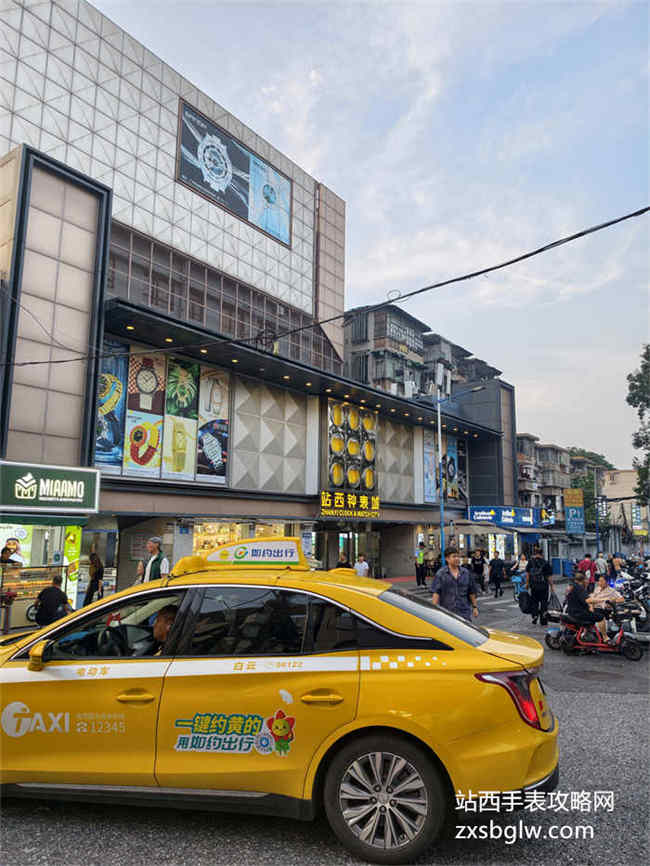
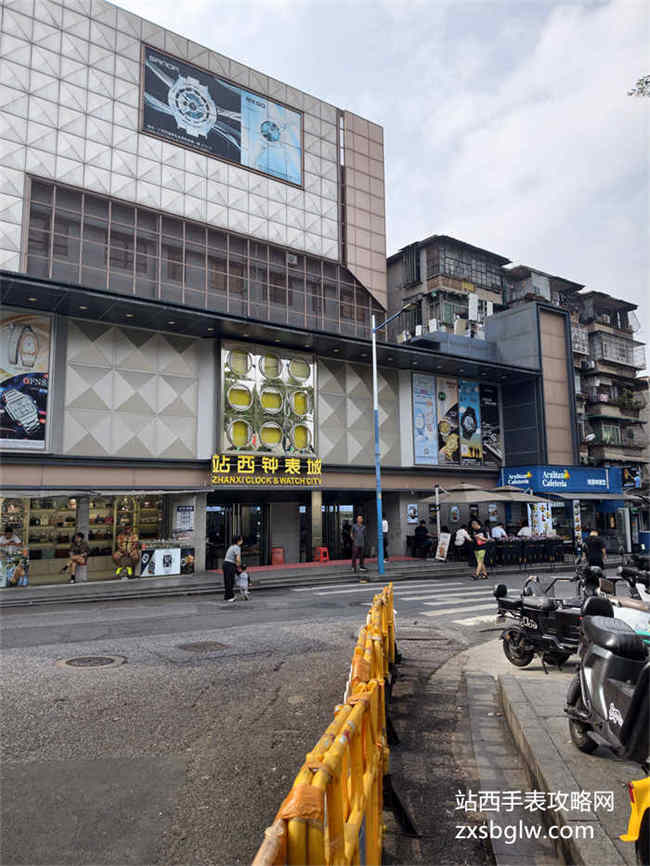
First off, forget the main entrance. That's for tourists and newbies. When you want to find the serious suppliers who deal in high-end replicas that could pass as genuine, you need to head straight for the core buildings. The most famous spot is the Tianyuan Building (Tian Yuan Da Sha). This is the heart of the operation. Inside, the layout is confusing by design. Corridors twist, signs are faded, and every third door is locked.
Floor-by-Floor Breakdown: Finding the Right Tier
You cannot just walk in and expect to find the best goods. The market is stratified vertically. On the lower floors, say 1 to 3, you will find the mass-market junk. These are the $50 pieces with plastic bands and movement that stops if you look at them wrong. They are everywhere, but they are not what we are talking about when we discuss "Station West watches passing through counters."
Head up to floors 4 through 8. This is where the serious business happens. Here, the lighting is dimmer, and the staff speaks less English but more industry jargon. This is where you find the "Top Grade" or "1:1" versions. I remember a specific day last year when a buyer from Dubai was looking for a specific model. He went to the ground floor first, got quoted a price, and walked away angry because he thought he found a rip-off. He came back to me on the 6th floor, and we found the exact same model, but made with better steel and a sapphire crystal that actually held up. The difference? The floor. The supplier on the 6th floor had been in the game for fifteen years; the guy on the 1st floor was just trying to make a quick buck before the market crackdowns.
The Art of Selection: How to Spot Quality Without a Microscope
When you are standing in front of a display case filled with fifty different variations of the same watch, how do you know which one is worth your money? This is where my twenty years of experience come into play. Most overseas buyers make the mistake of focusing on the logo. They don't. In the world of high-end replication, the logo is the easiest part to copy. The devil is in the details.
Checking the Movement and Weight
Here is a hard rule I teach everyone: pick up the watch. A cheap replica feels light, almost hollow. A high-quality piece from Station West has weight. It should feel substantial in your hand. Now, flip it over. Look at the back. If it's a transparent case back, look at the movement. Are the gears smooth? Do they tick with a consistent rhythm? Cheap movements stutter. Good ones glide. I once bought a batch of watches for a client in New York. We tested ten units. Five had a ticking sound that was too loud, like a clock in a library. Those were rejected immediately. The other five were silent. That silence is the hallmark of a cloned Swiss movement, often sourced from the same factories that supply the legitimate brands.
Another trick? Check the bezel rotation. On a luxury diver, the bezel should click with a precise, satisfying snap. If it feels loose or gritty, put it down. I have a friend who runs a boutique in London. He sends his team here every month. They bring a loupe and a scale. They weigh every single watch against a reference model. If the weight differs by even two grams, the whole batch is sent back. It sounds extreme, but in this market, precision is everything.
Negotiation and Sourcing: The Hidden Costs
Let's talk numbers. You see a watch priced at $200 on the internet. That might be true for a low-tier piece. But if you want something that passes a counter check, you are looking at $300 to $500 per unit, depending on the complexity. And that is just the wholesale price. You also need to factor in shipping, customs, and the inevitable "rush fee" if you need it fast.
The "Pass Counter" Reality Check
Many buyers ask me, "Can this really pass a counter?" My honest answer is: it depends on the counter. A small independent jeweler might not notice anything. But a major department store? They have laser scanners and trained eyes. However, the "Station West watches passing through counters" narrative exists because the quality has improved drastically. We are now using materials that are chemically identical to the originals. The plating doesn't fade in a week. The glass doesn't scratch easily. But you must be realistic. No matter how good the watch is, it is still a replica. If you plan to sell it as genuine, you are walking a dangerous legal line. But if you are sourcing for personal use or for a market that appreciates the value without caring about the brand name, then yes, these watches are incredible.
I always advise my international clients to start small. Don't order fifty units on your first trip. Order three. Test them yourself. Wear them for a week. See how the battery lasts, how the strap holds up, and how the water resistance actually performs. I had a client who ordered a hundred units of a specific chronograph. Two weeks later, half of them had issues with the sub-dials sticking. Because he started small, he caught it early. If he had gone big, he would have lost thousands.
Avoiding the Pitfalls: What Not to Do
The market is full of traps. One common scam is the "fake factory." Some guys set up shop in a nice office building, claim they are the official factory, and charge premium prices for low-grade goods. Avoid them. The real action is in the older, grittier buildings. Another trap is the "sample vs. bulk" switch. You buy a perfect sample, pay for it, and then the bulk shipment arrives with inferior parts. To avoid this, always insist on seeing the production line or getting a video call from the factory floor before you pay the deposit.
Building Trust with Local Suppliers
Trust is currency here. If you treat the shop owners like strangers, you will get treated like strangers. Learn a few phrases in Cantonese. Say "Ni hao" (Hello) and "Jia ge" (Price). Smile. Show respect. When you build a relationship, the prices drop, and the service improves. I have a regular customer from Canada who comes twice a year. We don't even need to negotiate anymore. He points at a watch, I nod, and we move on. That level of trust takes time, but it saves you hours of haggling.
Summary of Key Insights for Overseas Buyers
| Factor | Low-Tier (Avoid) | High-Tier (Target) |
|---|---|---|
| Location | Ground Floor, Main Entrance | Floors 4-8, Tianyuan Building Back Rooms |
| Weight | Light, Hollow Feel | Substantial, Matches Genuine Specs |
| Movement | Noisy, Stuttering Ticks | Silent, Smooth Sweep, High Precision |
| Price Range | $50 - $100 | $300 - $600 (Wholesale) |
| Strategy | Buy Online, No Inspection | Visit Personally, Test Samples First |
In conclusion, sourcing from Guangzhou Station West is not for the faint of heart. It requires patience, knowledge, and a willingness to get your hands dirty. But for those willing to put in the work, the rewards are unmatched. You get access to a level of craftsmanship that rivals the biggest brands, at a fraction of the cost. Just remember: the best deals aren't found on Google. They are found in the back rooms of the old buildings, shaking hands with the people who have been doing this longer than anyone else.