The Real Breakdown: How Many Tiers of Watches Are Actually in Zhanxi?
I've been standing behind the counter at Guangzhou Zhanxi Market for over fifteen years. While tourists and new importers often walk in asking, "How many tiers are there?" like they're ordering a meal, the reality is far messier and more nuanced than a simple list. If you think there are just three levels—cheap, medium, and luxury—you're already losing money before you even leave the wholesale district. In my experience dealing with buyers from the US, Europe, and Southeast Asia, the market actually operates on a fluid spectrum of five distinct quality echelons, each with its own factory origins, pricing structures, and hidden pitfalls.
The Entry-Level "Fashion" Tier
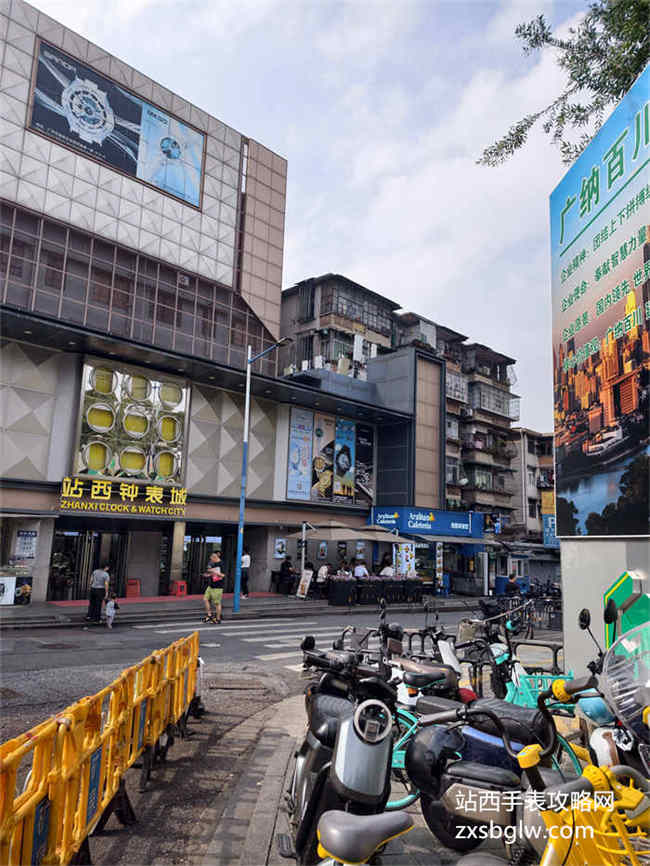
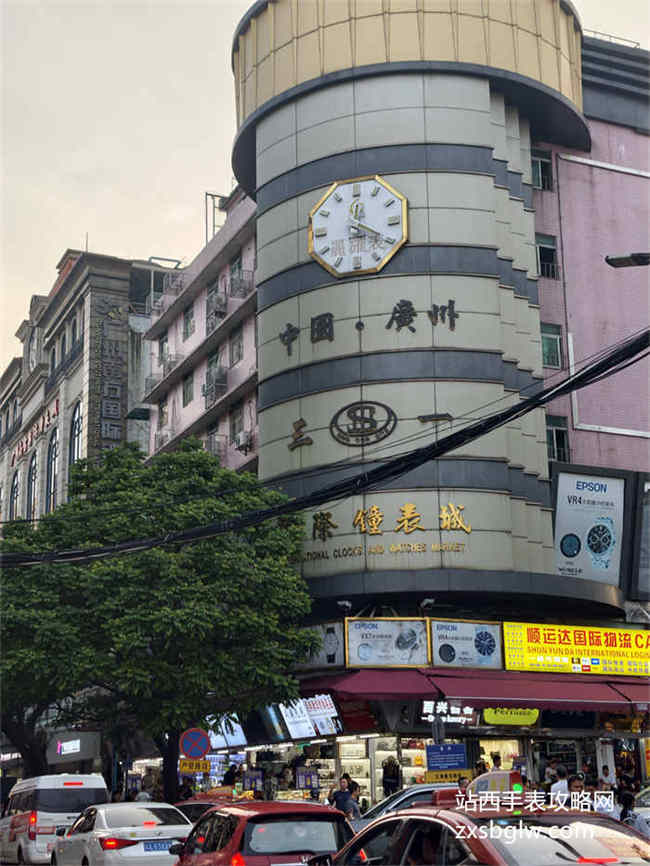
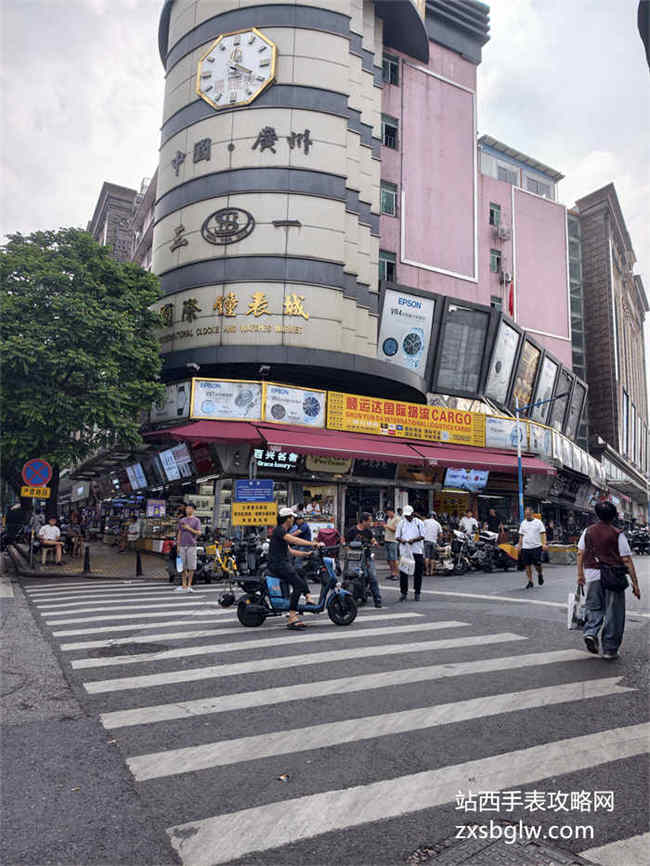
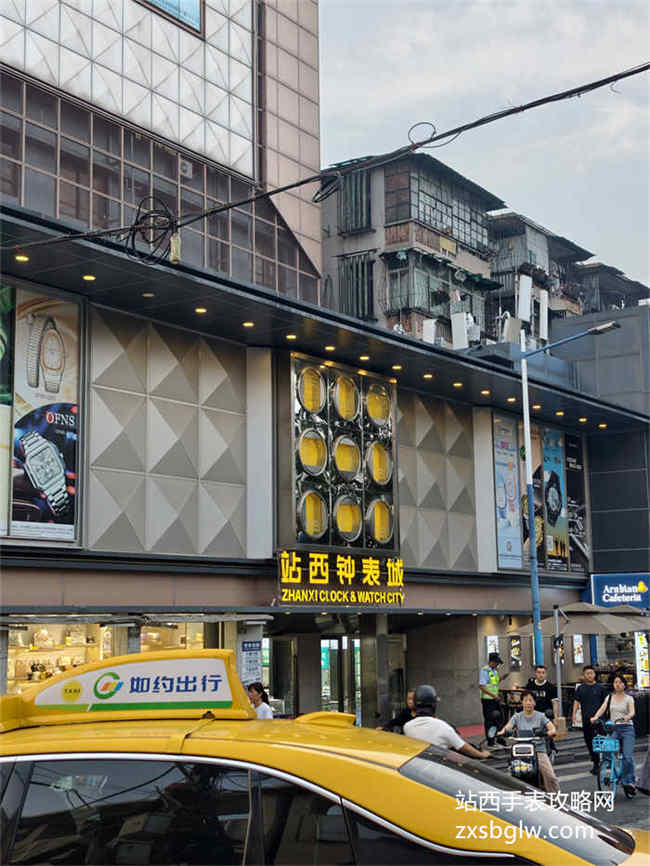
Let's start at the bottom, where most first-time visitors get stuck. This is the 10 to 50 RMB range. These watches are mass-produced in small workshops in Huadu or nearby towns, using generic movements that might be Chinese quartz or very basic automatics. The cases are often zinc alloy that turns your wrist green after a week, and the glass is acrylic that scratches instantly. I see these stacked in plastic bins near the main entrance of the Zhanxi Building. For a casual buyer looking for a costume piece, it's fine. But if you are an importer planning to sell these as "replicas" or "high-quality copies," you will fail. The profit margin is razor-thin, and the return rate due to quality complaints is nearly 40%. I tell every client: avoid this tier unless you are selling them as fashion accessories, not timepieces.
The Mid-Range "Copycat" Tier
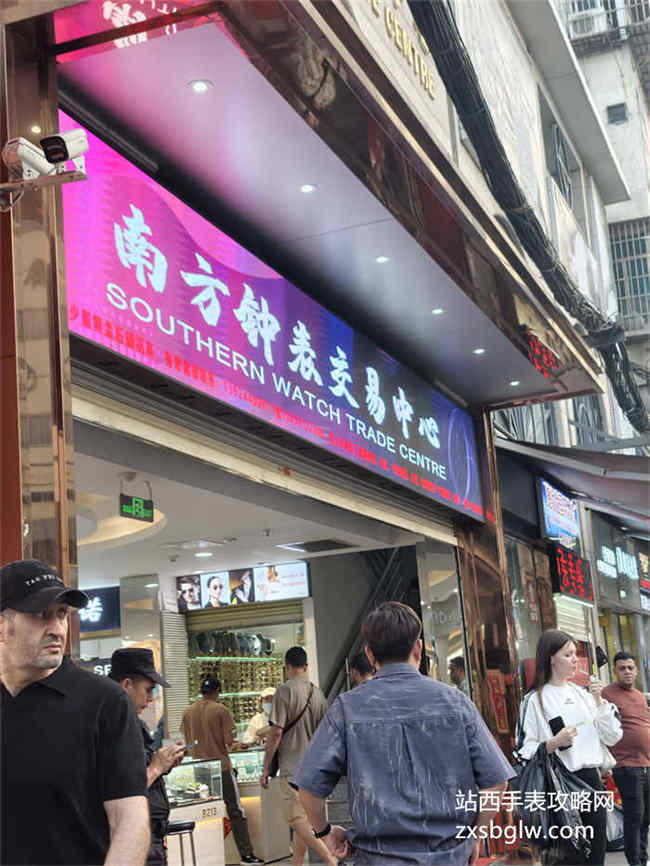
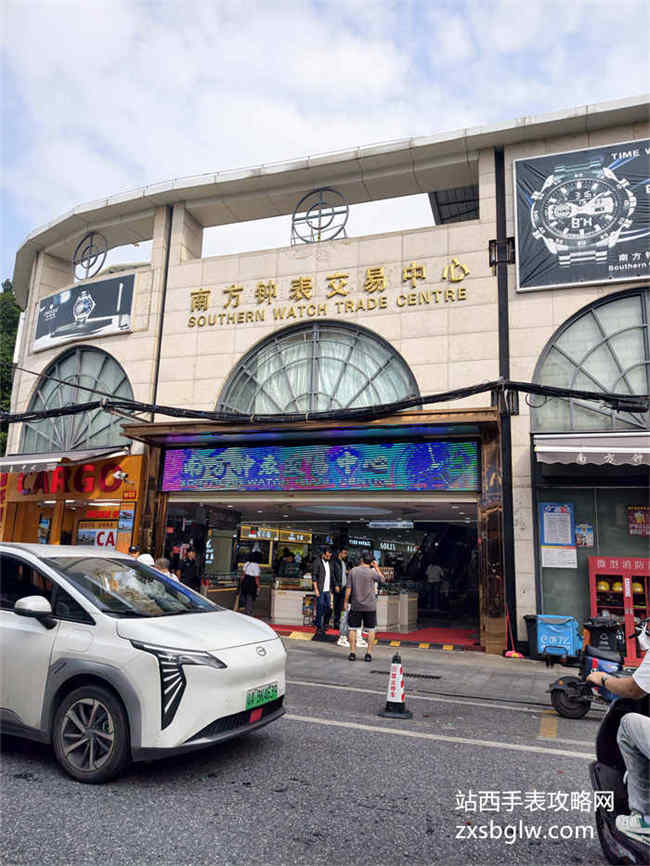
This is where the bulk of the volume happens, roughly 80 to 200 RMB. Here, you start seeing better materials. We are talking about stainless steel cases, sapphire crystal on some models, and movements that actually keep decent time. You'll find these in the mid-level floors of the Zhanxi Commercial Center. The designs mimic popular brands like Rolex or Omega, but the finishing is rougher. The hands might feel loose, and the lume (glow) fades quickly. I remember a buyer from Texas who ordered 500 units of this tier thinking he got a deal. He didn't realize that while the movement was okay, the water resistance was non-existent. One drop of rain and the watch stops. This tier is risky for serious resale because the perceived value drops fast once the customer opens the box.
The "Top Copy" or High-Fidelity Tier
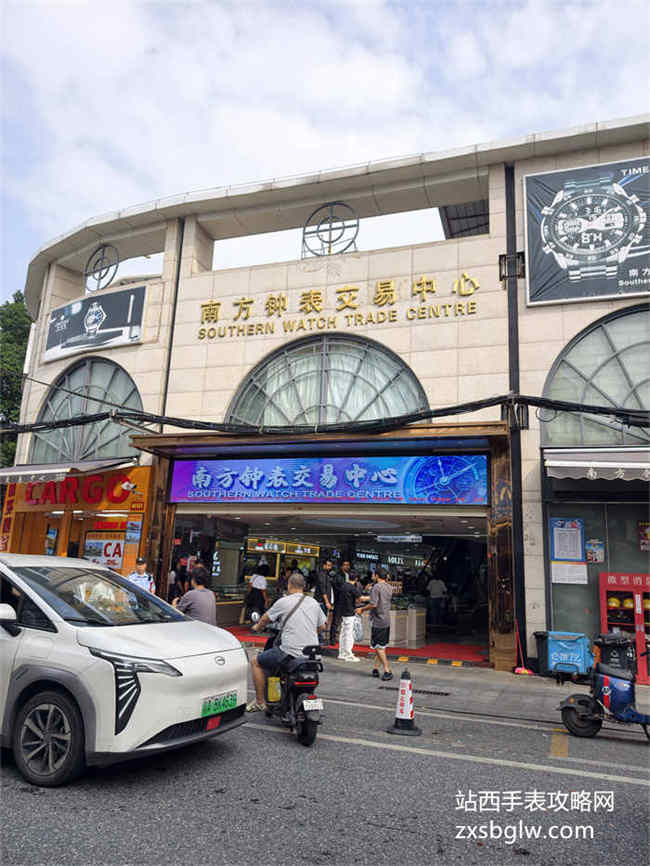
Now we are entering the territory that separates the amateurs from the pros. This is the 300 to 600 RMB range. This is what people mean when they search for "Guangzhou Zhanxi top quality." These watches come from specialized factories that invest in CNC machining and better assembly lines. The weight feels right, the bezel clicks with a satisfying snap, and the movement is often a cloned Seagull or Miyota, sometimes even a modified Swiss ETA clone. I have a specific contact in the basement level of the Zhanxi Building who specializes in this. His shop doesn't display anything flashy; he only shows samples upon request. The difference here is in the details: the alignment of the date window, the texture of the dial, and the smoothness of the second hand sweep. If you want to build a brand around high-end replicas, this is your sweet spot.
The "Super Clone" Niche
This is the elite tier, ranging from 800 to 1,500 RMB. These are not just copies; they are engineering challenges. The factories producing these use parts that are indistinguishable from the original without a microscope. The movements are often fully disassembled and reassembled by hand to match the torque and beat rate of the genuine article. I've seen clients pay a deposit for a single batch of these because the demand from their local markets is so high. However, the risk is higher. Because the profit margins are lower per unit compared to the volume game, suppliers often cut corners on packaging or shipping insurance. Also, the supply chain is volatile. A factory making these might shut down overnight if the pressure from IP enforcement increases. You need a trusted relationship to access this tier consistently.
The "Custom OEM" Wildcard
Finally, there is the tier that no one talks about enough: custom manufacturing. This isn't about copying a brand; it's about creating your own design using Zhanxi's supply chain capabilities. You bring your blueprint, choose the movement, select the case material, and dictate the dial color. The cost varies wildly based on complexity, usually starting at 2,000 RMB per unit for small batches. This is where I help my long-term partners differentiate themselves. Instead of fighting over which copy is better, they create unique products that can't be easily copied. It requires more upfront capital and patience, but the loyalty of the customers is unmatched.
Navigating the Floor: My On-Ground Sourcing Strategy
Walking into Zhanxi Market without a plan is a recipe for disaster. The layout is confusing, and the sellers are aggressive. When I guide a new buyer through the market, I always start with a strict protocol. First, never buy the first sample you see. Second, always ask for the "factory price" rather than the "retail price." Third, inspect the movement yourself if possible.
The Inspection Protocol
When I'm vetting a supplier, I don't just look at the watch face. I check the clasp mechanism. Does it lock securely? Is the engraving deep and sharp? I also test the water resistance by submerging the watch in a bowl of water for ten minutes—a trick I learned the hard way when a batch of "waterproof" watches failed within days. I also verify the movement type. Some sellers claim they have Swiss movements when they are actually Chinese clones. I carry a loupe and a movement tester to verify this on the spot.
Building Relationships Over Transactions
The biggest mistake foreign buyers make is treating every transaction as a one-off. In Zhanxi, relationships are currency. If you treat a seller well, they will hold back the best stock for you. They will give you priority shipping when supplies are tight. I recommend visiting the same few stalls repeatedly. Build trust. once a stall owner knows you are a serious buyer, they will show you the "hidden" stock that isn't displayed on the shelves. This is where the real deals happen.
Common Pitfalls and How to Avoid Them
Even after all these years, I still see buyers fall into traps. The most common is the "sample vs. bulk" discrepancy. The sample you receive looks perfect, but the bulk shipment arrives with mismatched colors or loose screws. To prevent this, always order a small trial batch before committing to a large order. Another pitfall is ignoring the logistics. Shipping watches internationally involves customs issues. Make sure your supplier knows how to declare the goods properly to avoid seizure.
Price Comparison Table
| Tier | Price Range (RMB) | Quality Level | Best For |
|---|---|---|---|
| Entry-Level | 10 - 50 | Fashion/Costume | Low-cost giveaways |
| Mid-Range | 80 - 200 | Basic Copy | Budget retail |
| High-Fidelity | 300 - 600 | Top Quality | Resale/Brand building |
| Super Clone | 800 - 1,500 | Ultra-High Fidelity | Premium collectors |
| Custom OEM | 2,000+ | Unique Design | Private Label |
Final Thoughts from the Ground
The Guangzhou Zhanxi Market is a beast. It's chaotic, loud, and incredibly rewarding if you know how to navigate it. There is no magic button for finding the best watches; it comes from experience, observation, and building genuine connections with the locals. Whether you are looking for "China Guangzhou Zhanxi watches" for your next inventory run or trying to understand the nuances of the replica industry, remember that quality is subjective until you touch it. Don't rely on photos online. Come to the floor, talk to the owners, and trust your instincts. That is the only way to succeed in this market.