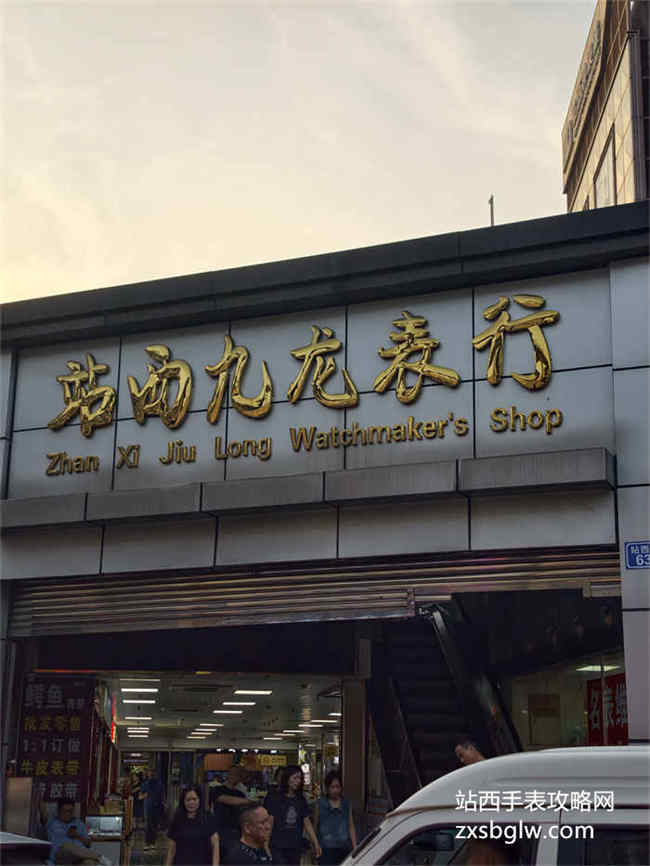
Why You Need to See the Goods: My 15 Years at Guangzhou Zhanxi
Listen, I've been standing behind this counter in the Zhanxi market for over fifteen years. While you guys are scrolling through TikTok or Instagram watching those flashy "Zhanxi watch delivery videos," I'm actually living the reality that goes on behind the camera. Those videos? They're just the highlight reel. They show the shiny boxes and the fast cars, but they don't show the sweat, the stress, or the thousands of dollars lost because someone didn't know how to check a movement properly. If you are thinking about importing watches from China, specifically from the Guangzhou Zhanxi watch market, stop relying on what you see online. The real game is played here, in the dusty corridors of these buildings, face-to-face with the bosses who hold the keys to the supply chain.
The Myth of the Delivery Video
When you see a video titled "Guangzhou Zhanxi watch delivery," it usually features a guy loading a trunk full of boxes into a luxury car. It looks effortless. But let me tell you, if you order based solely on that visual, you are walking into a trap. In my experience, the quality variance between a "delivery ready" unit and a piece that actually passes international customs or satisfies your customers is massive. I've seen clients lose their entire deposit because they ordered "Grade A" based on a photo, only to receive pieces that looked like toys under a magnifying glass. The video doesn't show the micro-scratches on the bezel or the loose clasp mechanism. That's why I always tell my overseas partners: come here. Don't just watch the video; touch the metal.
Navigating the Labyrinth: Where to Actually Go
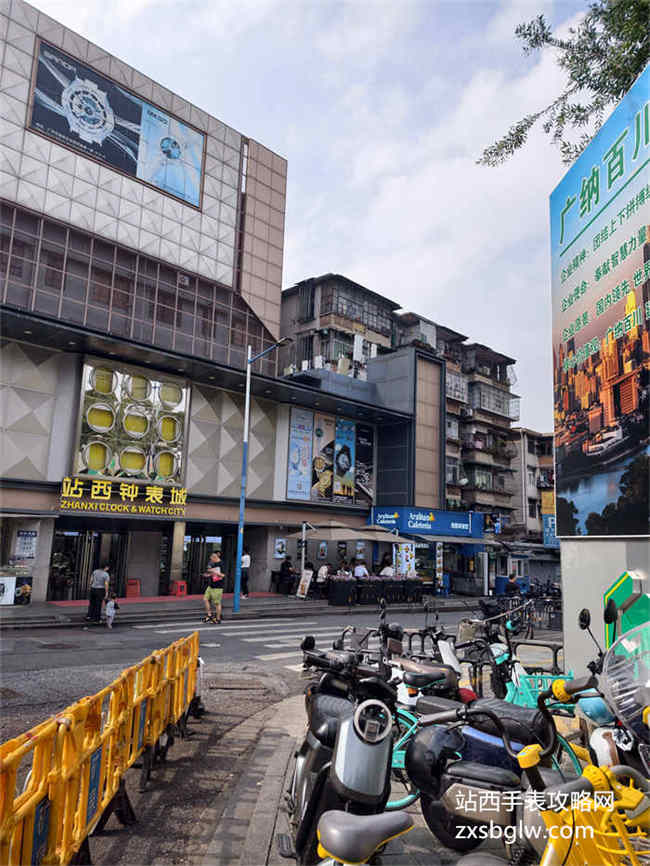
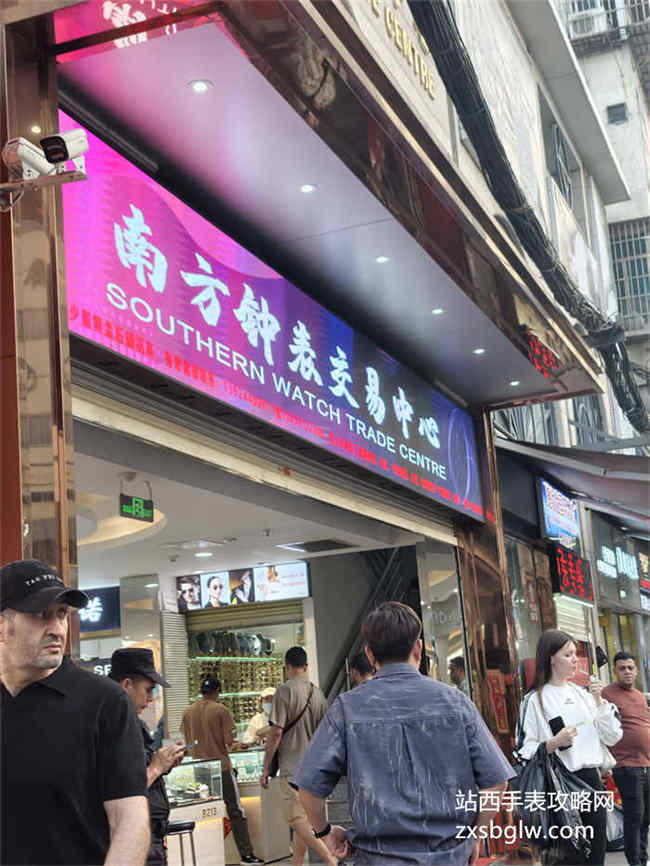
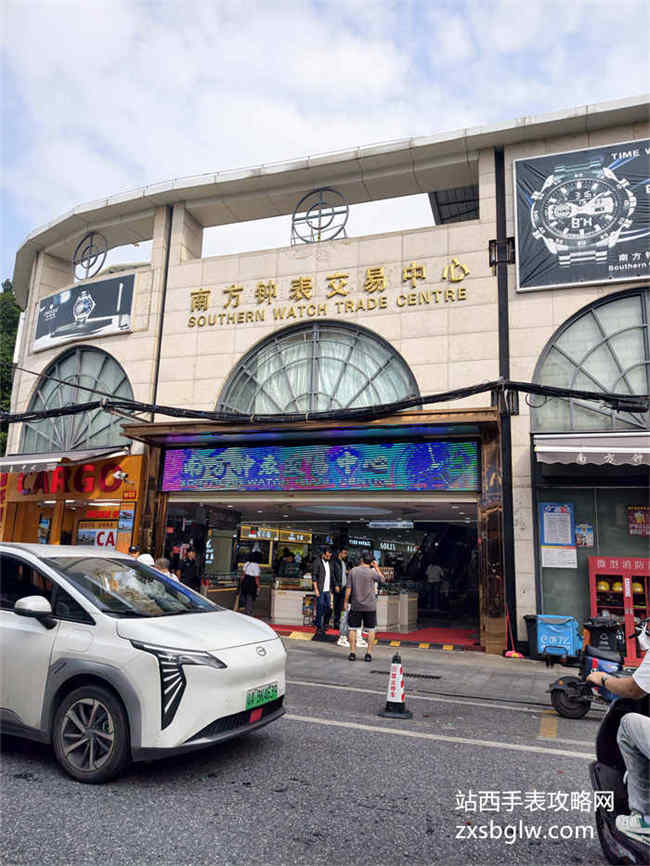
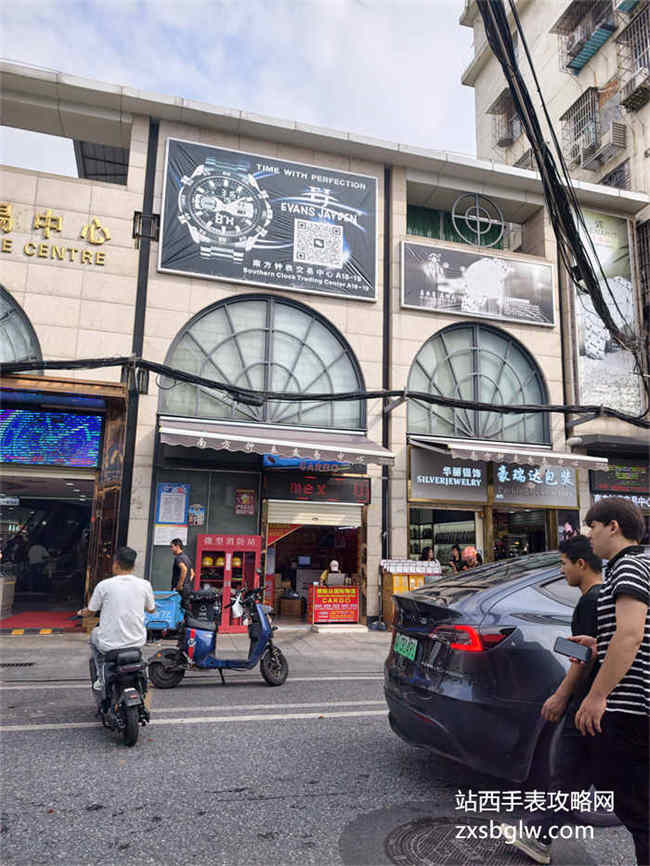
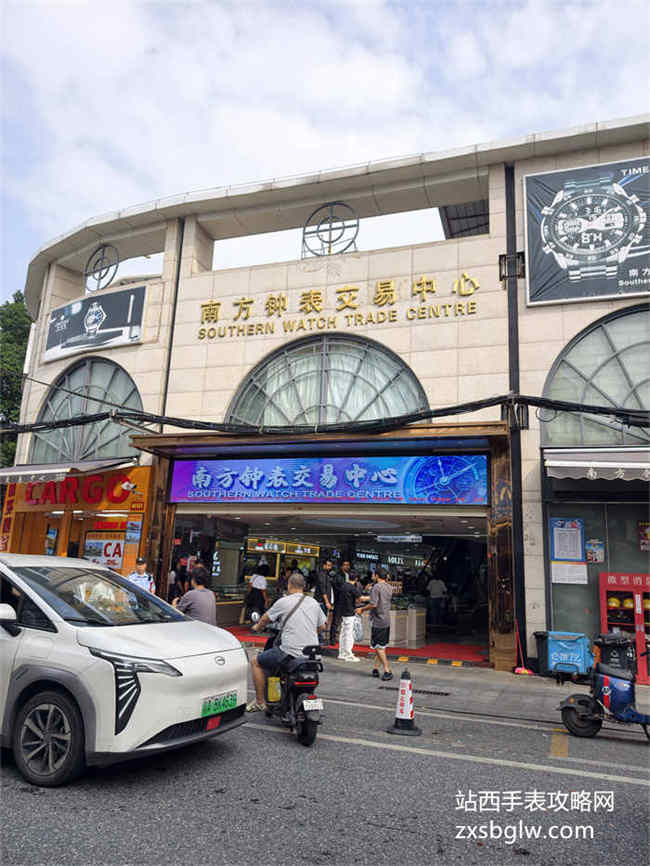
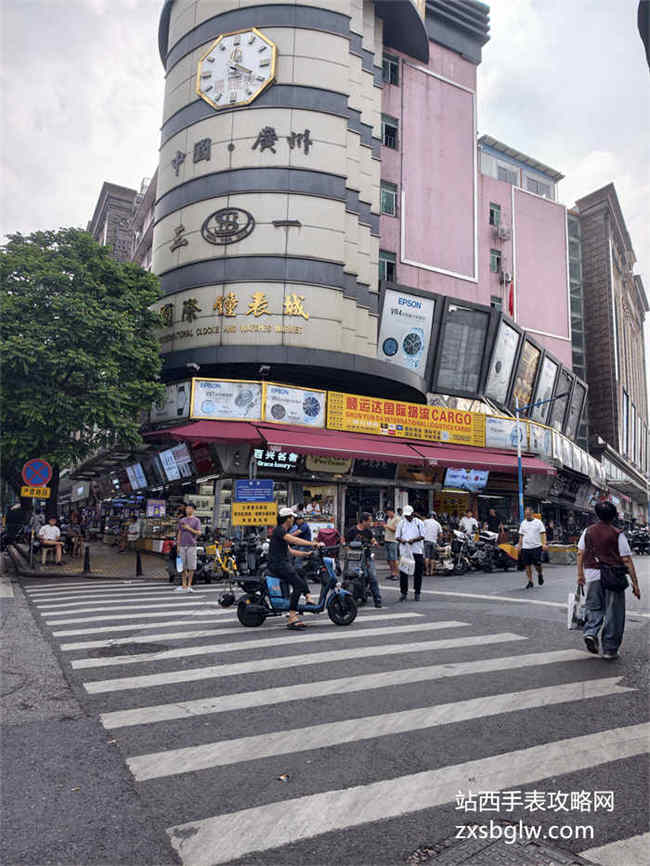
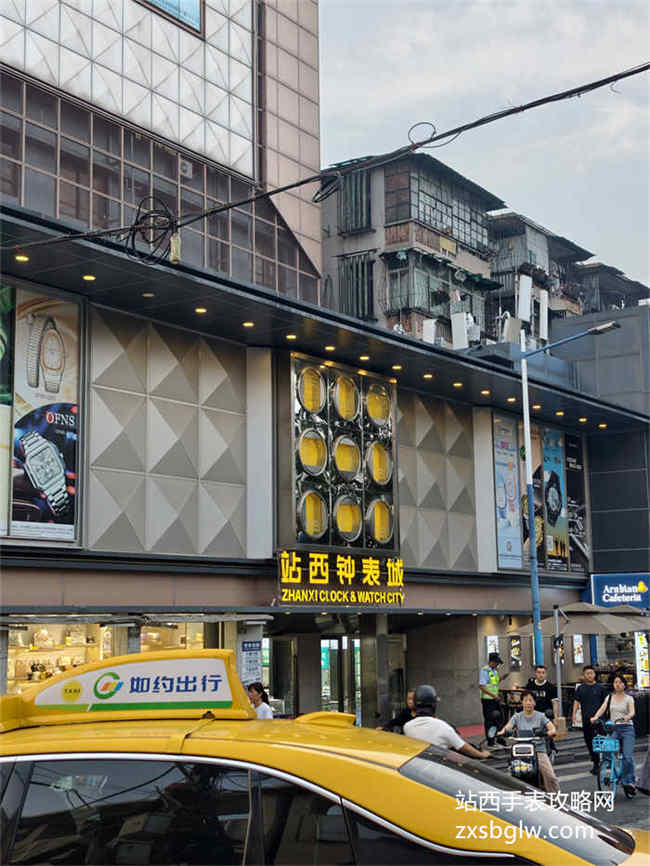
The Zhanxi area isn't just one building; it's a sprawling ecosystem of wholesale markets, mostly concentrated around the Liuhua Road district. If you walk in without a plan, you will get lost in seconds. The layout changes slightly every year as renovations happen, but the core hubs remain the same. Most of the serious wholesale action happens in the older buildings like the Zhanxi Watch Building and the nearby commercial complexes that house hundreds of small stalls.
Floor by Floor Strategy
You need to know which floor holds what. On the lower floors, say the first and second levels, you'll find the high-volume, mass-market stuff. These are the places where you see the most traffic, but also the most confusion. This is where the "replica" conversation starts, and honestly, it's a minefield. If you want legitimate sourcing or high-end custom manufacturing, you need to go up. The third and fourth floors are where the serious players operate. These are the booths that have been here for a decade. They don't scream for your attention; they wait for you to ask the right questions. I recommend starting your search on the upper floors to avoid the low-quality noise. Look for signs that say "Factory Direct" or "Customization Available." These are your green lights.
The Art of Inspection: What I Look For Before I Buy
Here is the truth that no delivery video can capture: inspection is everything. When I am helping a client select stock, we spend hours looking at movements. We aren't just checking if the watch ticks; we are listening to the beat. A genuine high-grade automatic movement has a specific sound, a rhythmic hum. If it sounds scratchy or erratic, it's a cheap clone, no matter what the box says. I remember one time, a client wanted to buy 500 units of a specific model. He loved the look of the dial. But when I put it under our loupe, I saw the printing was slightly off-center. The ink bled into the markers. I told him, "No." He insisted. Two weeks later, he returned them all. His customers complained about the poor finish. That mistake cost him $15,000. Never skip the physical inspection.
Checking the Movement and Case Back
The movement is the heart of the watch. In Zhanxi, you will see clones of Swiss movements, Japanese Seiko calibers, and domestic Chinese movements. Each has its own signature. If you are buying from a supplier claiming to use Swiss ETA movements, demand to see the movement itself. Open the case back. Look for the serial number etching. Is it clean? Is it deep? Cheap copies often have shallow, laser-etched numbers that fade quickly. Also, check the case back engraving. Does it match the font of the original brand? In my shop, we keep a reference library of authentic engravings so we can spot fakes instantly. If the font is even slightly wrong, walk away. It shows the mold maker didn't pay attention to detail.
Dealing with Suppliers: Negotiation and Trust
once you find a stall you like, the negotiation begins. This is where many foreigners fail because they try to negotiate like they are in a Western retail store. Here, it's a dance. You need to build rapport. Start by asking about their production capacity. How many units do they make per day? Do they have their own factory, or are they just middlemen? If they are middlemen, you are paying an extra margin. I prefer dealing directly with the workshop owners. They are more transparent about lead times and quality control. When discussing price, don't just ask for a discount. Ask for value. Can they include better packaging? Can they offer a warranty on the movement? In Zhanxi, the best deals come from long-term relationships, not one-off transactions.
Red Flags to Avoid
There are specific behaviors that signal a bad supplier. If a vendor refuses to let you open the case back, that's a huge red flag. If they push you to pay via a personal WeChat transfer instead of a formal invoice or trade assurance, be extremely cautious. I've seen too many scams where the money is sent, and the goods never arrive, or worse, a different batch is shipped. Always insist on a sample first. Even if it costs a bit more, getting one unit to test before ordering fifty is worth every penny. Another sign of trouble is when the supplier is too eager to sell you "top tier" goods at rock-bottom prices. If it sounds too good to be true, it is. The market is competitive, but there is a baseline cost for quality materials and labor.
Real data: Cost vs. Quality Breakdown
Let's talk numbers, because that's what matters to your bottom line. based on my daily operations here, here is a rough breakdown of what you can expect for different tiers of watches in the Zhanxi market:
| Quality Tier | Estimated Unit Cost (USD) | Movement Type | Typical Lead Time | Best For |
|---|---|---|---|---|
| Budget Entry | $15 - $25 | Chinese Clone / Basic Quartz | 3-5 Days | Low-cost promotional items |
| Mid-Range Standard | $35 - $60 | Japanese Seiko Clone / Miyota | 7-10 Days | General retail, fashion brands |
| High-End Custom | $80 - $150+ | Swiss ETA Clone / High-Grade Automatic | 14-21 Days | Premium boutiques, serious collectors |
| Ultra-Premium | $200+ | True Swiss Movement / Sapphire Crystal | 30+ Days | Luxury niche markets |
Notice the jump in price between the mid-range and high-end? That difference comes from the sapphire crystal, the weight of the steel, and the precision of the movement assembly. Don't try to buy high-end specs at budget prices. The math simply doesn't work in manufacturing.
My Final Advice for Overseas Buyers
If you are serious about sourcing from Guangzhou Zhanxi, treat it like a business trip, not a vacation. Spend at least three days in the market. Visit at least ten different stalls. Compare the same model across different vendors. I can tell you that two shops selling the exact same "Rolex Submariner" might have a 20% price difference and a completely different quality level. The one with the higher price might use better lubricants for the movement, ensuring it runs smoother for longer. That is the kind of insight you only get by being here. Don't rely on the delivery videos. They are marketing tools. Come to the source, meet the people, inspect the goods, and build a relationship that lasts. That is how you succeed in the global watch trade.