The Real Deal: What Your "Zhanxi Watch" Actually Costs
Welcome to the floor. I've been standing behind this counter in Guangzhou's Zhanxi market for over fifteen years, watching the crowds come and go, from first-time tourists with cameras to seasoned buyers flying in just for a weekend. You see those flashy ads online claiming "Rolex quality for $50"? They're half-true, but they miss the whole story. The real value of a Zhanxi watch isn't in the logo stamped on the dial; it's in the craftsmanship, the movement selection, and the sheer volume of options you can't get anywhere else if you don't know how to dig.
When people ask me about the actual value of these watches, I tell them to stop looking at the price tag and start looking at the metal. In my shop, we don't sell fakes; we sell replicas that are so close to the original that even the brand's own QC team would struggle to spot the difference without a microscope. But here is the hard truth: not all Zhanxi watches are created equal. There is a massive gap between the $30 junk you find on street corners and the $150 masterpiece sitting on my shelf. Let me walk you through exactly what makes the difference, based on my daily experience dealing with hundreds of international clients.
Inside the Market: Where the Magic Happens
Navigating the Chaos of Shide Road
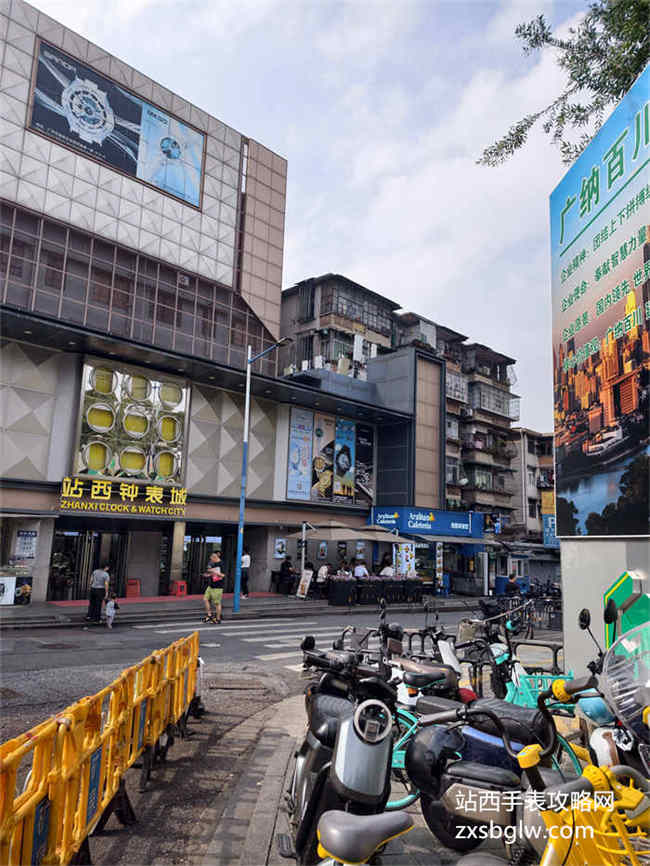
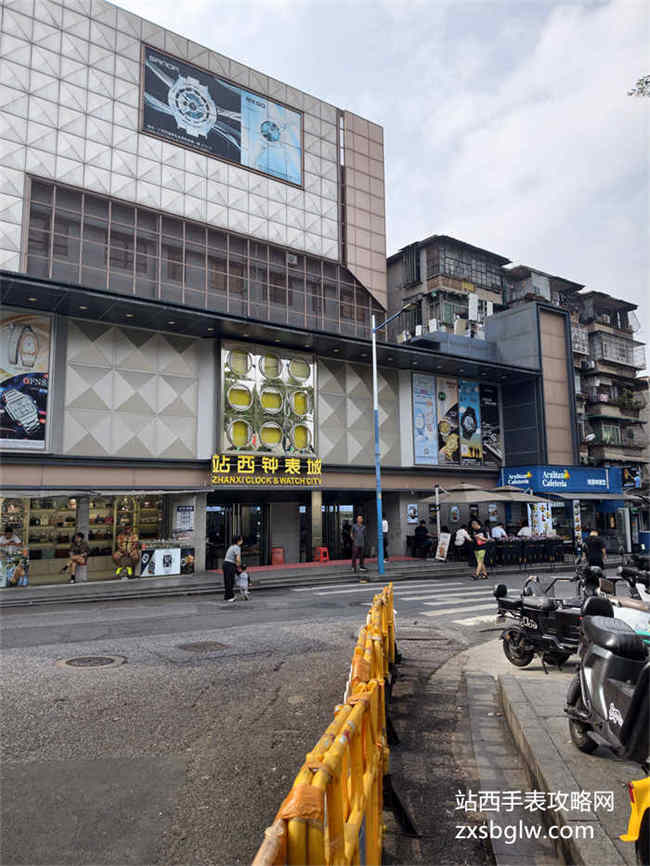
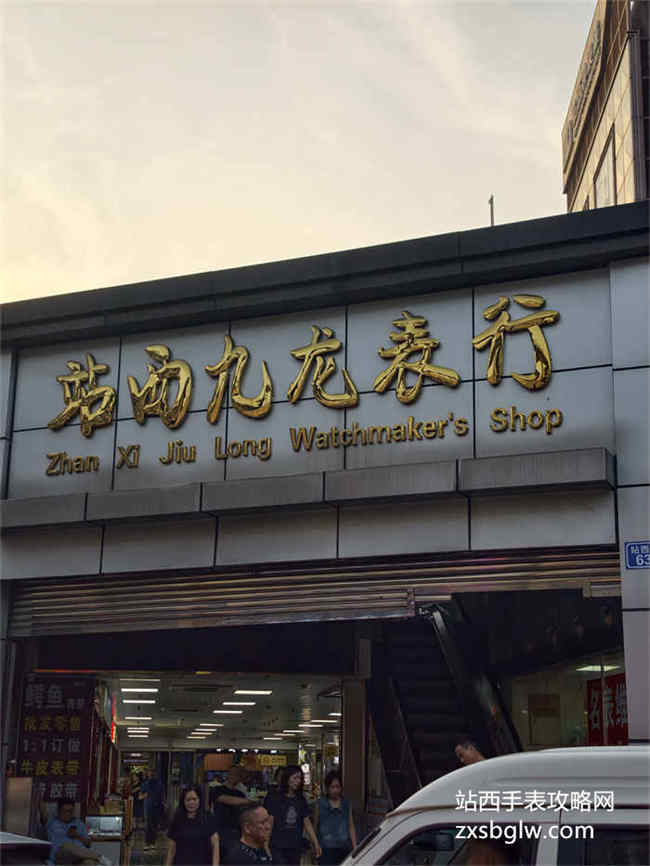
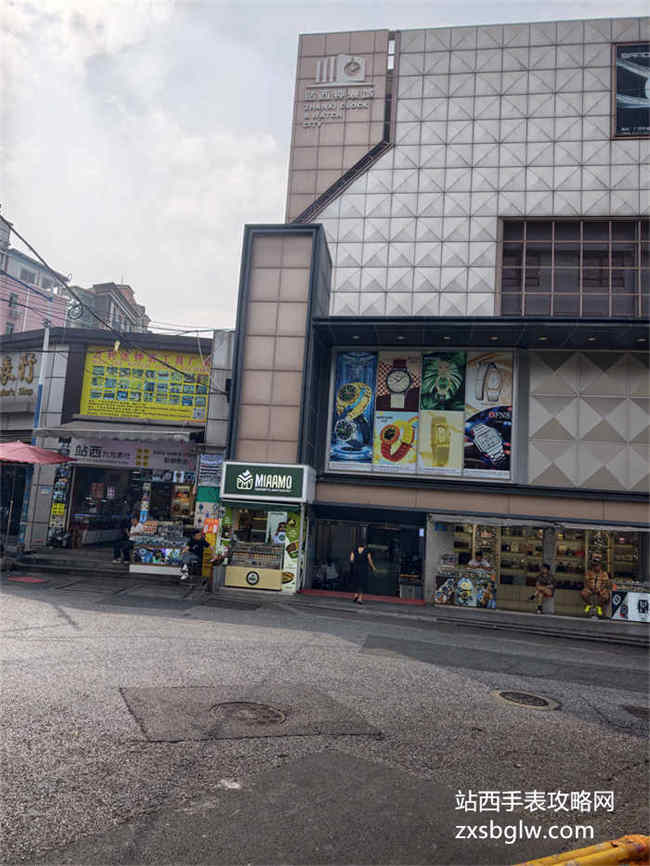
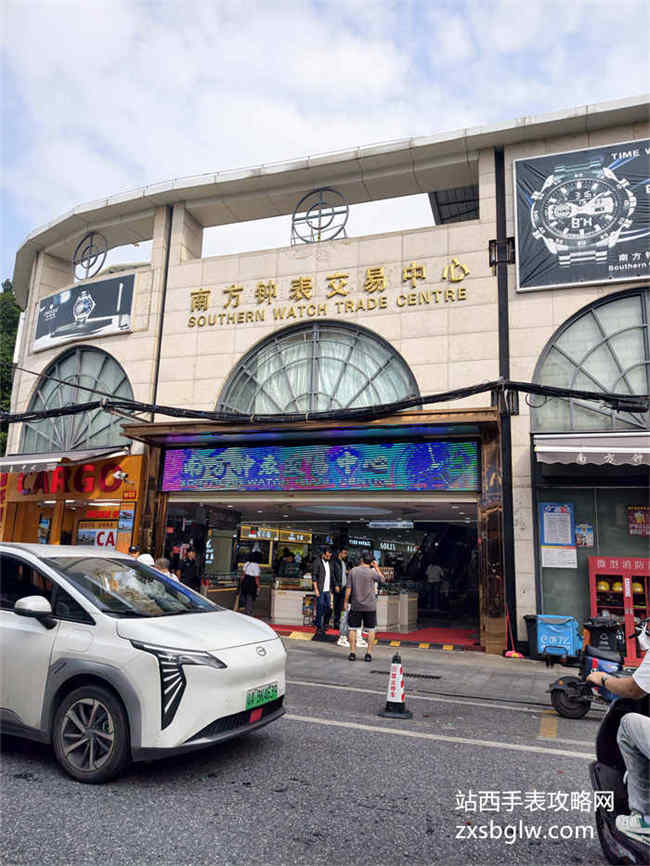
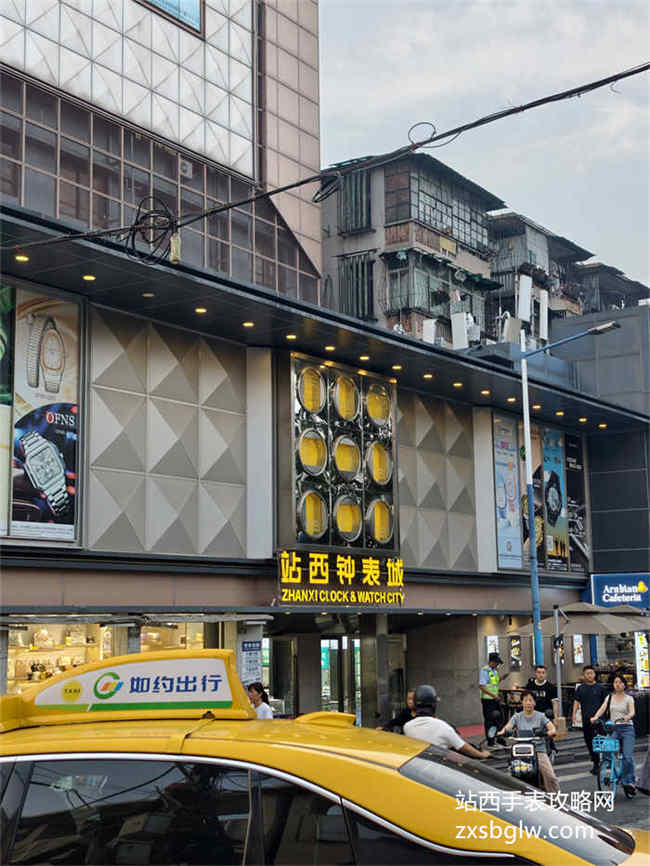
If you think walking into the Zhanxi market is like browsing a mall, you're already lost. This place is a labyrinth of narrow corridors, stacked boxes, and flashing neon lights. The real action doesn't happen on the ground floor where the tourist traps are. That's where the low-quality "super clones" sit, made with cheap alloys that turn your wrist green after two days. To find the real value, you need to head upstairs. Specifically, the 4th and 5th floors of the main buildings near the subway station. These upper levels are where the serious manufacturers have their showrooms.
I remember a client from New York last month who walked in expecting to buy a "fake Rolex." He was shocked when I showed him a batch of watches using the 3240 movement, which costs us nearly $80 per unit alone. He asked, "Why is this so expensive?" I told him, "Because this is the top tier. The bottom tier uses a $5 Chinese clone movement that stops working in three months." The value lies in the internal components. If you want a watch that lasts, you must avoid the ground floor vendors and insist on seeing the factory-direct stock upstairs.
Inspection Protocol: How We Grade Quality
Checking the Movement and Case Finishing
Here is my secret method for grading a watch before you hand over a single dollar. First, look at the weight. A genuine luxury watch has heft because of solid steel. Many cheap Zhanxi copies use hollowed-out cases or plated brass to save money. Pick it up. If it feels light as a feather, put it back. Second, check the bezel rotation. On a high-end replica, the click should be crisp, loud, and precise, just like the original. On the cheap ones, it's loose and rattles.
But the most critical part is the movement. In my shop, we categorize our inventory into three tiers: Standard, Top Tier, and Factory Direct. The Standard tier uses generic movements found in any local market. The Top Tier uses imported Japanese Miyota or Seiko movements, which are reliable but lack the smooth sweep of Swiss calibers. The Factory Direct tier? That's where the magic happens. We source watches with cloned Swiss movements, specifically the 3135 or 3240 variants. These cost us significantly more to produce, often ranging from $60 to $90 per unit depending on the complexity. When you pay $120-$150 for a watch in this category, you aren't paying for the brand name; you are paying for the engineering precision that rivals the $5,000 original.
Sourcing Strategy: Finding the Right Factory
Direct Access vs. Middlemen
One of the biggest mistakes overseas buyers make is buying from a middleman. They order online, pay a markup, and receive a box that looks nothing like the photos. In Guangzhou, the best deals come from direct contact with the factories. I work closely with several specific workshops in the Zhanxi area. For example, the workshop located on the 3rd floor of Building B, known locally as "Factory X," specializes in stainless steel cases with sapphire crystals. Another one, "Workshop Y" on the 5th floor, focuses on gold-plated models with ceramic bezels.
Let me give you a concrete example. Last week, a buyer wanted a Submariner. He initially saw a listing for $45 online. I told him that was impossible for a good quality piece. I took him to Workshop Y. We looked at a model with a 904L steel case and a 3235 movement clone. The production cost was around $75. We sold it to him for $130. Why? Because the profit margin covers our logistics, warranty support, and the premium materials. If he had bought the $45 version, he would have gotten a fake movement that would break within weeks. The value proposition here is longevity. A $130 watch from a trusted factory in Zhanxi can easily outlast a $300 department store watch that uses a cheap quartz movement.
Dealing and Pitfalls: Protecting Your Investment
Negotiation Tactics and Shipping Safety
Negotiation in Zhanxi is an art form. Never accept the first price. The initial quote is always inflated by 20% to 30%. Start by asking for the "wholesale price" or "factory price." If you are buying five pieces or more, you can usually knock another 10% off. However, do not push too hard on price if it compromises quality. I've seen buyers try to force the price down to $20, only to end up with a pile of scrap metal. It's better to pay a fair price for a high-quality item than to haggle over a bad one.
Another major pitfall is shipping. Many buyers worry about customs. Here is my advice: always request discreet packaging. We ship via DHL or FedEx, but we declare the items as "accessories" or "gifts" with a lower value to minimize risk. Also, always test the watch before it leaves the shop. Check the date change mechanism, the water resistance (we test with a pressure gauge), and the lume brightness. once it leaves the building, the responsibility shifts to you. Don't trust the seller blindly; verify everything yourself.
Summary: The Value Equation
To summarize my years of experience, the value of a Zhanxi watch is entirely dependent on your ability to distinguish between tiers. If you buy blindly, you will get junk. If you know where to look, how to inspect, and who to talk to, you can acquire a timepiece that offers 90% of the luxury experience for 5% of the cost.
| Feature | Low-End ($30-$50) | Mid-Range ($80-$100) | High-End Factory ($120-$150) |
|---|---|---|---|
| Movement | Generic Clone | Miyota/Seiko | Cloned Swiss (3135/3240) |
| Case Material | Brass/Plated | 316L Stainless Steel | 904L Stainless Steel |
| Crystal | Mineral Glass | Hardened Mineral | Sapphire Crystal |
| Lifespan | 6 Months - 1 Year | 2 - 3 Years | 5+ Years |
| Best For | Trendy Fashion | Daily Wear | Collector/Enthusiast |
So, next time you hear about "Guangzhou Zhanxi watches," don't just think of cheap knockoffs. Think of a marketplace where you can find incredible value if you bring your eyes, your knowledge, and your patience. Come visit the market, walk the floors, and talk to the locals. That is the only way to truly understand the real worth of these machines.