What Exactly Are "Zhanxi Watches"? A Veteran's No-Nonsense Guide
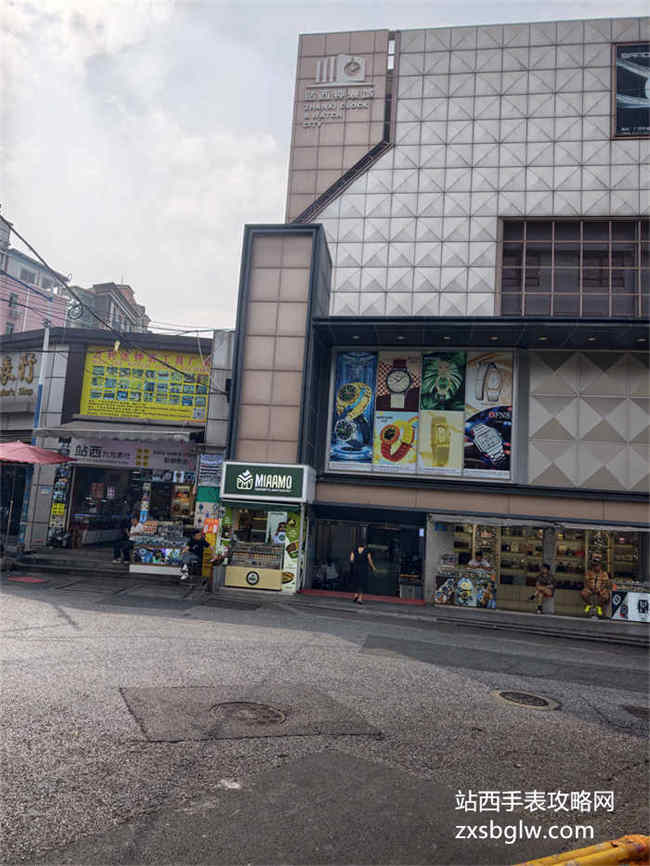
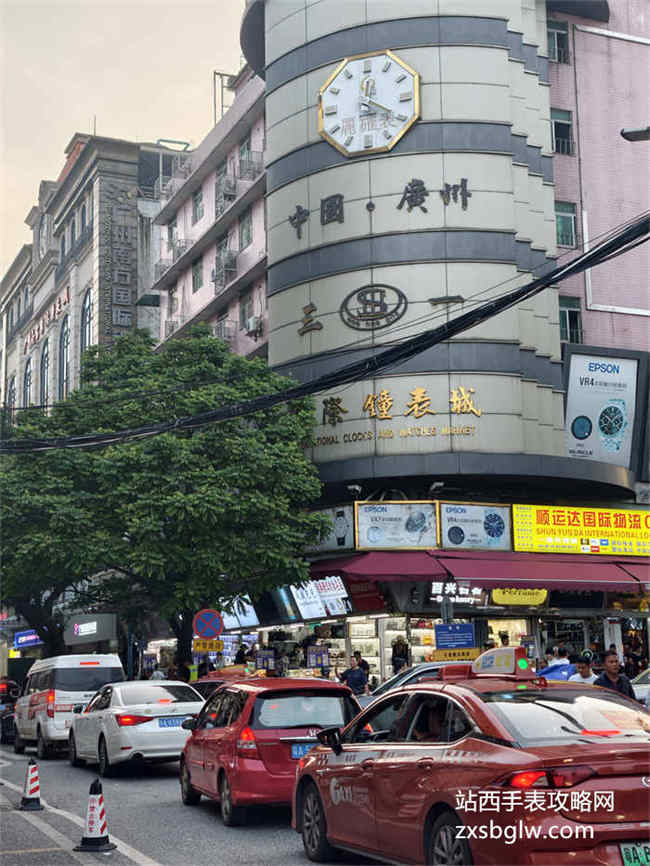
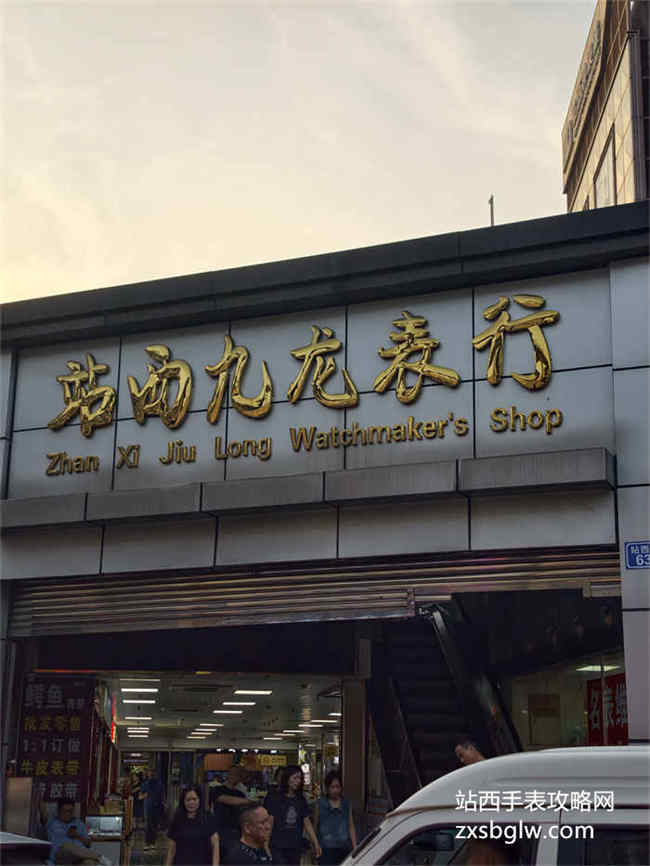
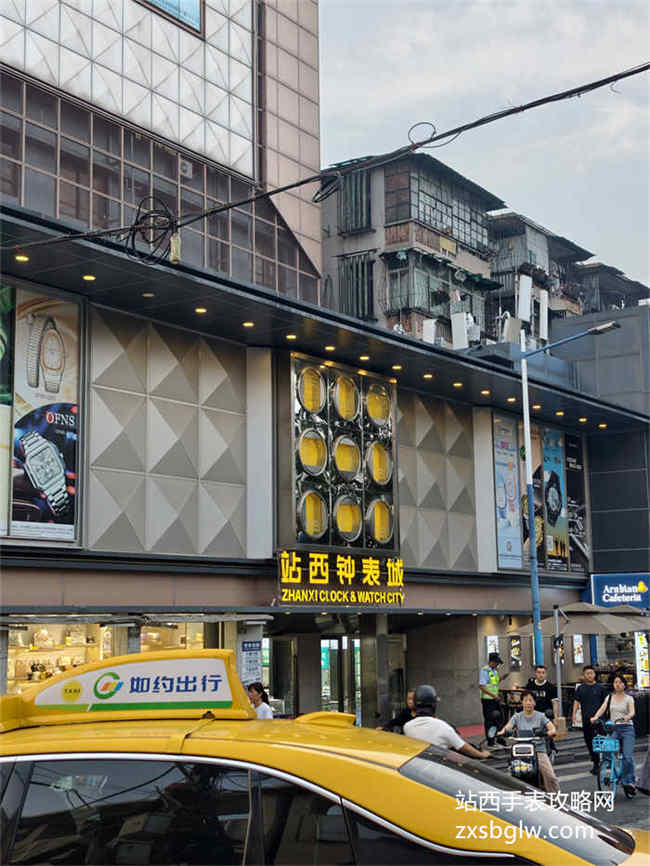
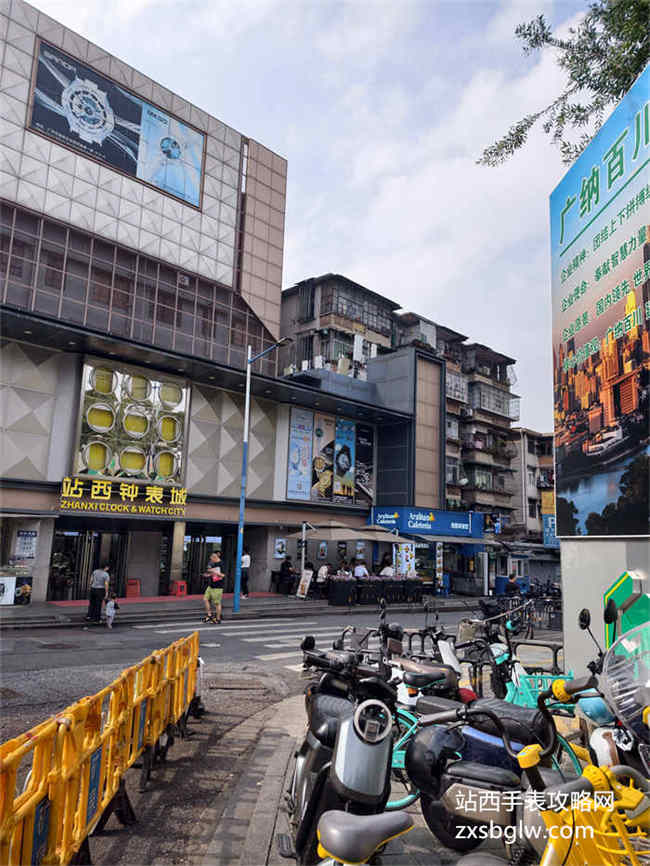
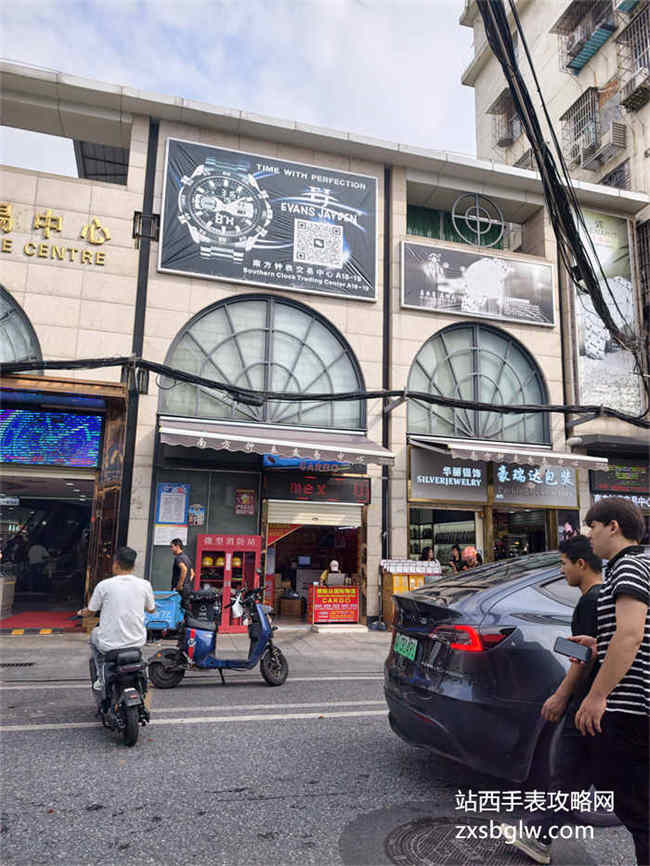
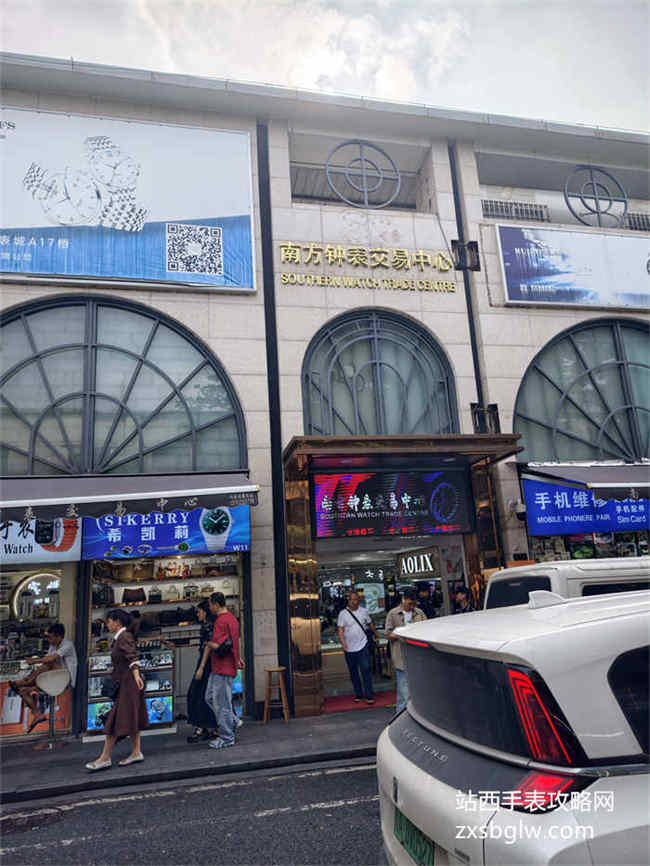
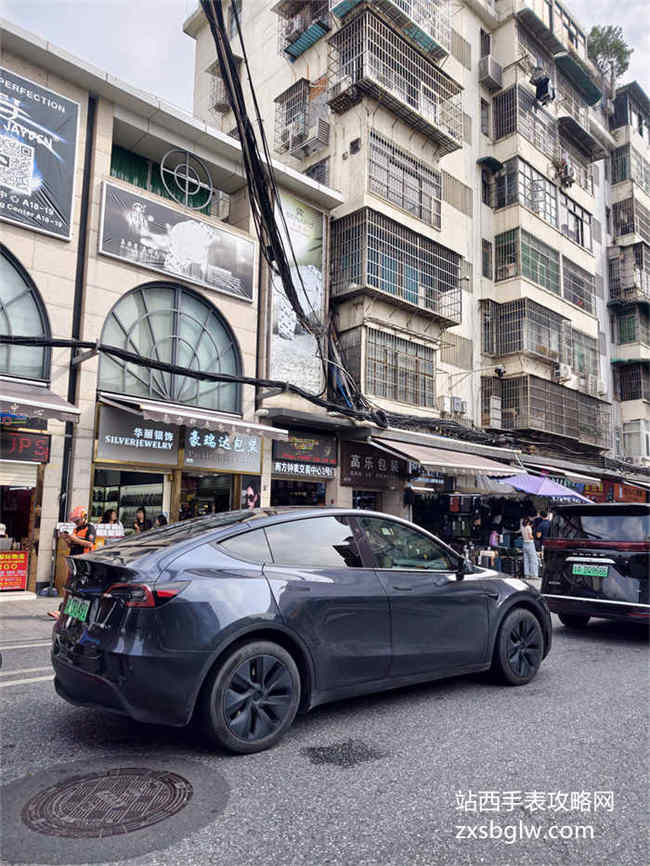
If you've been scrolling through TikTok or Instagram and saw videos flashing "Zhanxi watches" with prices that seem too good to be true, you're probably confused. I've been standing in the Guangzhou Zhanxi watch market for over twenty years. I've seen the crowds come and go, the styles change from vintage gold to modern minimalist, and the rumors fly faster than a delivery scooter. Let me cut through the noise: "Zhanxi watches" isn't a specific brand you can buy at an Apple Store. It is the collective name for the massive wholesale hub located right here in Guangzhou, China, specifically around the Zhanxi Road area. When people talk about sourcing from there, they are talking about the epicenter of replica and high-end imitation timepieces that supply shops globally.
The truth is, if you walk into this market without a guide, you will get lost. The sheer volume of goods is overwhelming. But if you know how to navigate it, like I do, you can find pieces that rival luxury brands for a fraction of the cost. This isn't just about cheap junk; it's about understanding the hierarchy of quality that exists within these concrete corridors.
Navigating the Concrete Labyrinth: Where to Start
When I first started in the 90s, the market was chaotic. Today, it's organized but still intense. Most newcomers make the mistake of thinking they can just walk in and buy anything. You need to know which building holds what tier of product. The core of the action happens in buildings like the International Watch City (International Plaza) and the nearby Zhanxi Building.
The Tier System: Understanding Quality Levels
Here is the reality check that most online sellers won't tell you. In Zhanxi, we categorize watches into three main tiers based on movement and finishing. First, you have the "low-end" stuff, often called "market grade." These use cheap quartz movements or very basic automatic calibers. They might look okay from ten feet away, but open the case back, and you'll see the rough edges. Second is the "mid-range," which uses better Japanese Miyota movements or cloned Swiss movements. Finally, there is the "top tier," often referred to as the "1:1" or "super clone" category. These use high-beat movements, sapphire crystals with anti-reflective coating, and weight that matches the genuine article.
I remember a client from New York who bought a "Rolex Submariner" online for $500. He thought he got a steal. When it arrived, the bracelet felt like hollow plastic, and the bezel didn't click. That was low-tier stock. If he had walked into my shop in the International Plaza, Floor 3, I could have shown him the same model with a real 3135 clone movement for $450, but with solid steel and proper weight. The price difference between a fake and a "fake" is huge, and it all depends on where you source.
On-the-Ground Sourcing: How to Talk to the Bosses
Walking into a stall in Zhanxi isn't like shopping at a mall. There are no price tags. Everything is negotiable. The key is to speak the language of the trade. Don't ask "How much?" immediately. Instead, ask about the movement type, the material composition, and the batch number. Most of the bosses here speak broken English, but they understand industry terms perfectly.
Building Relationships Over Transactions
One thing I learned early on is that you don't get the best deals by being a one-time buyer. The bosses in Zhanxi love repeat customers. If you show up once, you pay retail price. If you come back next week, you get the "wholesale price." I always carry a small notebook to record the models I like and the prices I paid. This helps me track trends. For example, when the new Rolex Daytona came out, the first batch in Zhanxi used a generic movement. By the second month, the local factories upgraded to the 4130 clone. Knowing this timeline saves you months of waiting.
Let me give you a specific tip: Go to the stalls on the 4th floor of the International Watch City. That's where the serious wholesalers hang out. They don't display everything on the counter. They keep the top-quality stock in the back room. You have to build trust to see those pieces. I usually start by buying a few lower-cost items to establish a relationship, then ask to see their "VIP collection." once they see you are serious, they pull out the heavy hitters.
Inspection and Verification: Don't Get Burned
This is where most overseas buyers fail. They rely on photos sent via WeChat. Photos can be edited, angles can be hidden, and lighting can lie. You must inspect the watch physically. When I am helping clients, I bring a loupe and a magnetic field detector. I check the engraving depth, the alignment of the dial markers, and the smoothness of the sweep hand.
The Movement Check: The Heart of the Matter
The movement is the soul of the watch. In Zhanxi, the difference between a $200 watch and a $600 watch is almost entirely in the movement. I always recommend checking if the movement has a "glide" or if it ticks loudly. High-end clones use silent, sweeping movements. Also, check the date wheel. Does it jump instantly at midnight? Is the font correct? I've seen many "high quality" watches fail because the date font was slightly off compared to the original. It's these tiny details that separate a pro from a tourist.
Another critical point is the packaging. Many stalls sell the watch without the box. If you want the full experience, including the green box and papers, you have to specify that upfront. However, be warned: the boxes themselves vary in quality. Some are cardboard, some are hard plastic. I always advise my clients to buy the watch separately and source the box from a different vendor if they want the highest quality presentation.
Logistics and Shipping: Getting It Home Safely
once you have selected your watches, the next challenge is shipping. This is a nightmare for many. Customs regulations vary wildly by country. In the US, importing replicas can lead to seizure. In Europe, the rules are strict but sometimes more lenient depending on the value declared. As a veteran, I always suggest using a reliable freight forwarder who specializes in electronics and accessories.
Declaring Values and Packaging
Never declare a $500 watch as a $50 item. That is a red flag for customs. Conversely, declaring it as $500 invites higher taxes. The sweet spot is usually around $80-$100 per unit, depending on the destination. I work with a few trusted couriers in Guangzhou who handle the paperwork. They know how to pack the watches securely to prevent damage during transit. I also recommend using bubble wrap and rigid boxes, not just the soft pouches the stalls provide.
Summary of Key Takeaways for Buyers
| Aspect | Beginner Mistake | Veteran Strategy |
|---|---|---|
| Location | Walking randomly through the street | Focusing on International Plaza, Floors 3-4 |
| Quality | Buys based on photos only | Inspects movement and weight personally |
| Pricing | Asks for "retail price" | Negotiates based on volume and relationship |
| Shipping | Uses standard mail services | Uses specialized freight forwarders with tax optimization |
So, what are "Zhanxi watches"? They are the result of decades of craftsmanship, adaptation, and supply chain mastery in Guangzhou. They represent a world where you can get incredible value if you know how to play the game. It's not about finding a bargain; it's about finding the right partner. Whether you are looking for a specific model or trying to restock your boutique, the Zhanxi market offers opportunities that no other place on earth can match. Just remember: trust your eyes, verify the movement, and build relationships. That is the secret sauce that keeps me in business after all these years.