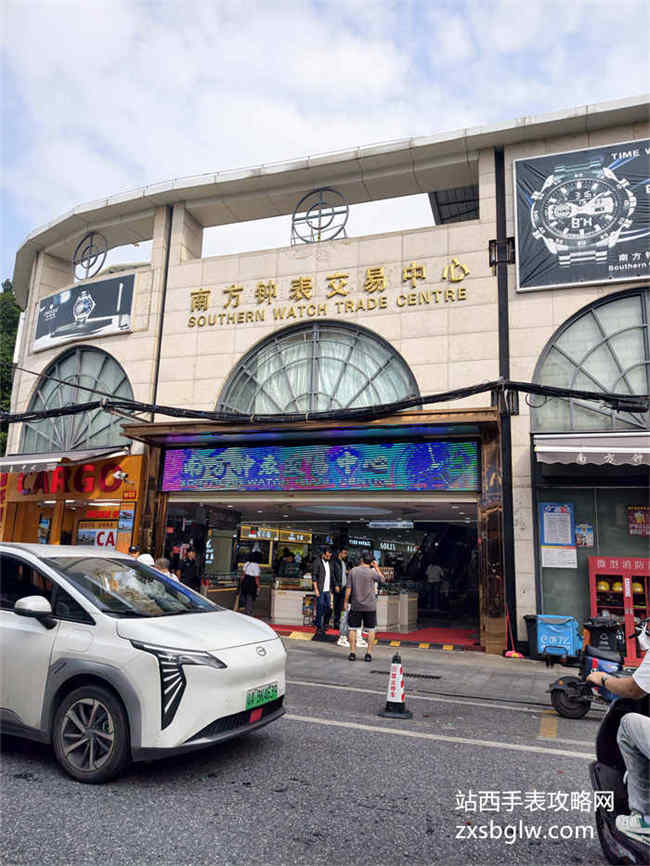
Why I've Been Selling Watches in Guangzhou Station West for 15 Years
Listen, if you are reading this from the US, UK, or Europe, you probably think buying watches in China is a game of Russian Roulette. You hear stories about fakes, scams, and getting stuck with junk that looks nothing like the photos. I get it. But after fifteen years standing right here at the Baiyun Station West market, watching the tide come and go, I can tell you one thing: the risk isn't in the location; it's in your lack of preparation. Most people walk into these corridors looking for "Rolex" and end up crying over a $20 plastic watch. That is not how we do business here. This is a real wholesale hub, a place where supply chains move faster than you can blink. If you want to source high-quality timepieces without getting burned, you need to stop thinking like a tourist and start thinking like a buyer.
The Reality of the Market Floor
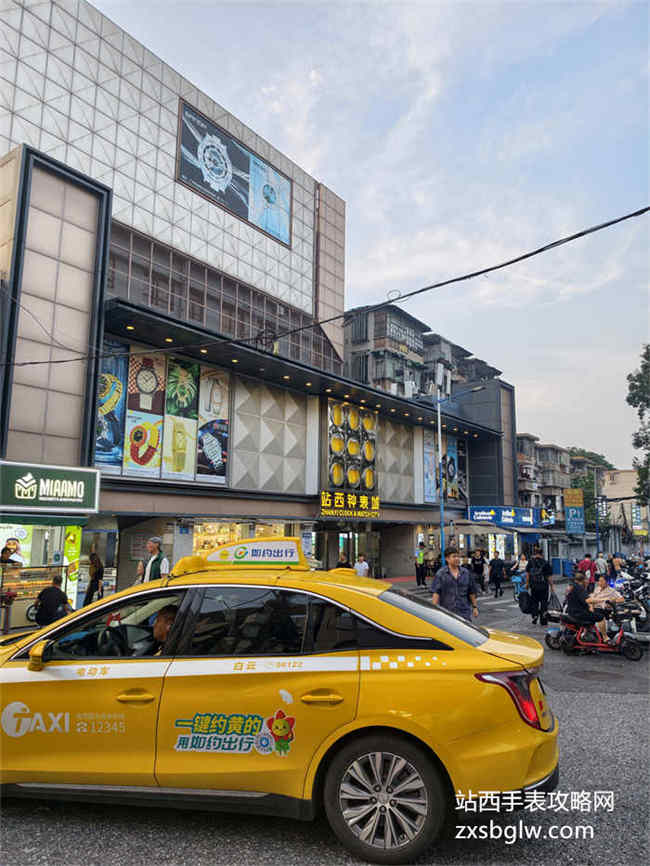
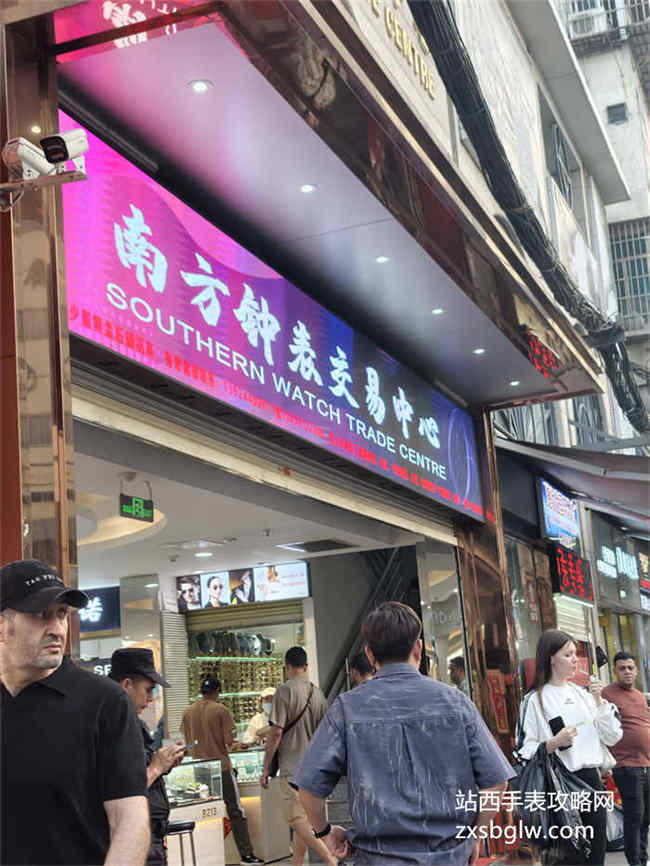
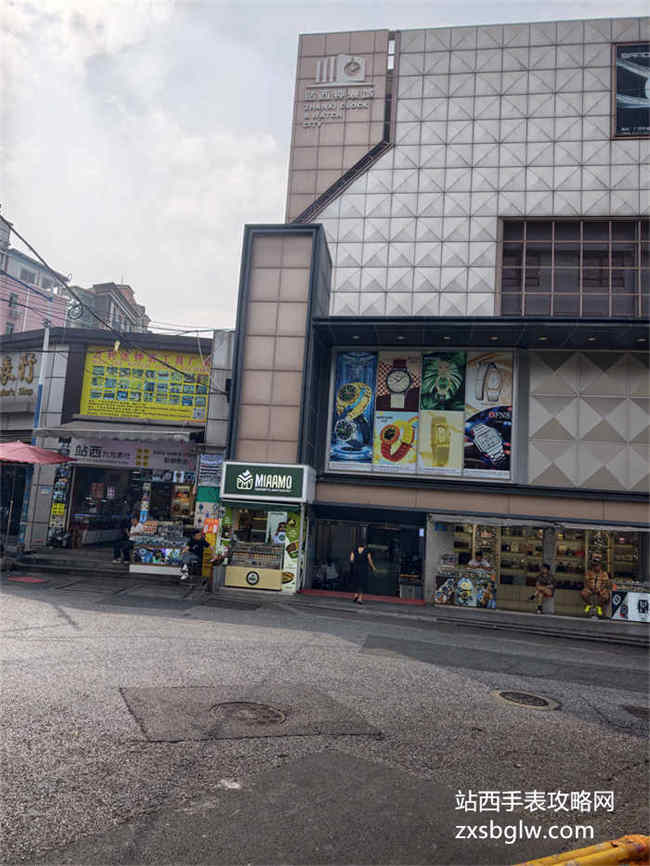
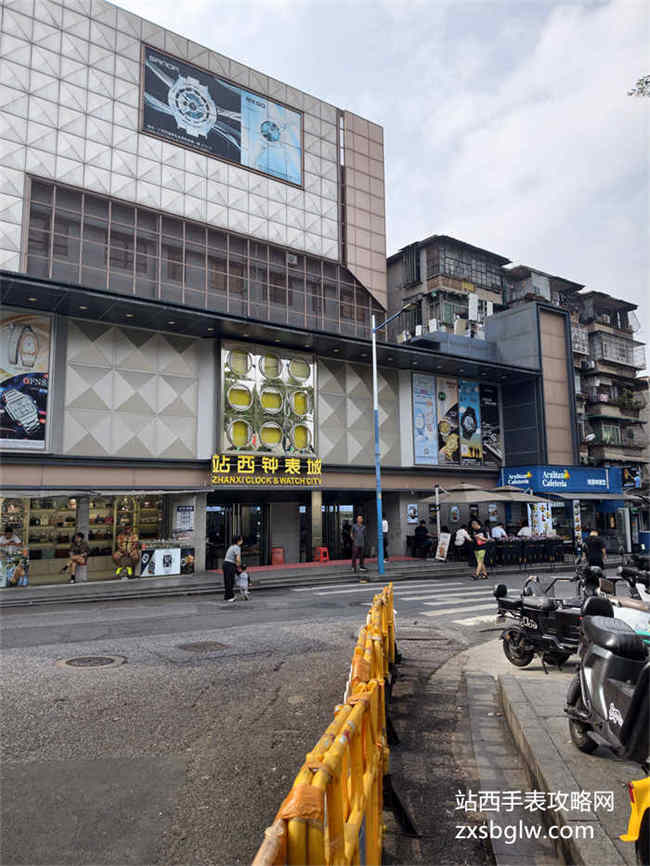
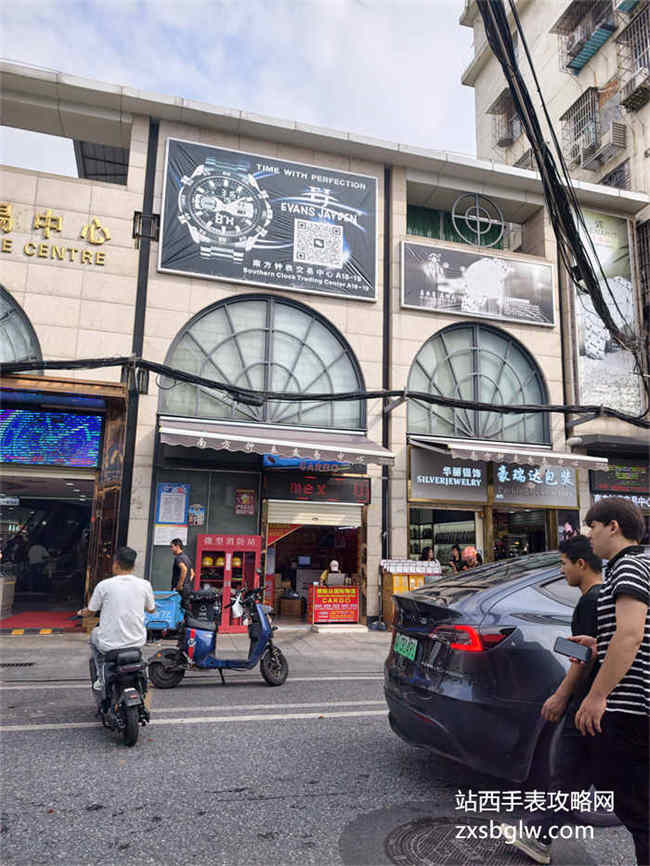
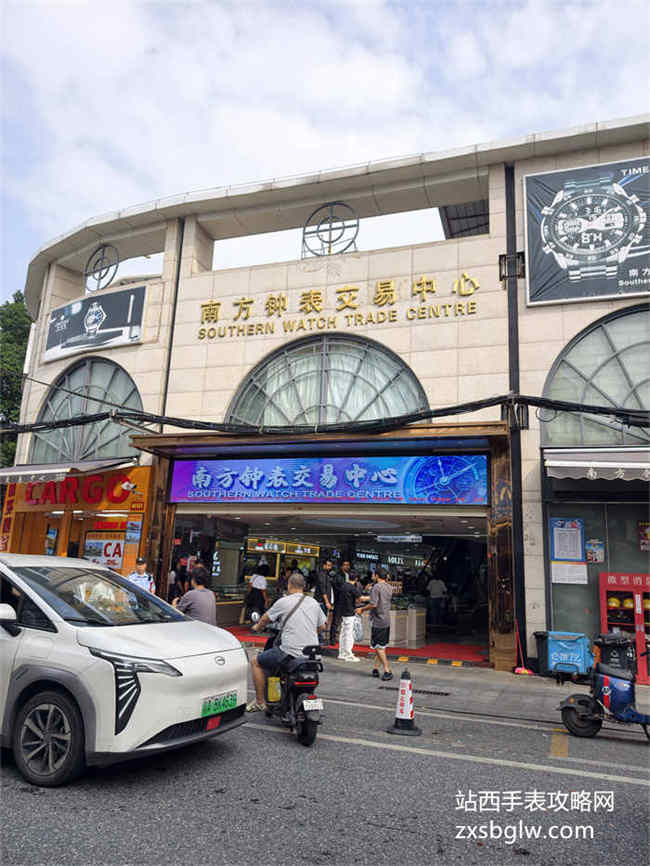
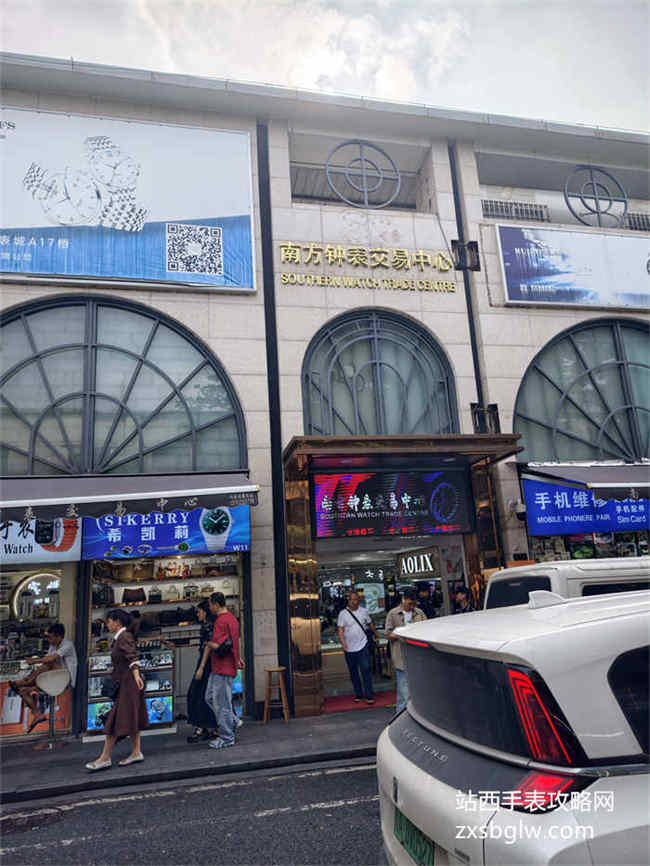
When you first step into the Baiyun Station West area, the noise hits you. It is chaotic, loud, and smells like coffee and soldering iron. Do not let this intimidate you. The chaos is actually a sign of health. A dead market doesn't have this much foot traffic. Here, you will see rows upon rows of shops, some flashy with gold signs, others tucked away in narrow alleys. The key is to ignore the ones screaming "Luxury Replica" on their windows. Those are for tourists who don't know better. The serious buyers, the ones moving thousands of units a month, operate differently.
Navigating the Corridors Without Getting Lost
The market is a maze. If you just wander around, you will waste half your day. My advice? Pick a specific building and stick to it. For example, the buildings near the main entrance often cater to lower-end mass production. If you are looking for what we call "Grade A" or "Top Tier" movements, you need to head deeper into the older sections where the shop owners have been there since the early 2000s. These veterans know exactly which factory produces the best cases and which supplier has the most reliable quartz movements. Don't be afraid to ask the security guards or even the delivery guys where the "real" wholesalers are. They usually point you toward the back rooms where the heavy lifting happens.
How to Spot Quality Before You Pay
This is the part where most overseas buyers fail. They rely on WhatsApp photos. Let me tell you, a photo can lie. A good lighting setup can make a cheap alloy case look like stainless steel. When you are standing in front of a counter, you need to use your hands. Touch the weight. A genuine high-quality movement feels substantial. A fake one feels hollow. Listen to the tick. In a quiet corner of the shop, put your ear close to the watch. The sound should be smooth, rhythmic, and consistent. If it sounds scratchy or erratic, walk away immediately.
The Movement Matters More Than the Logo
I cannot stress this enough: the logo is just paint. The movement is the heart. In Guangzhou, we have access to everything from Seiko NH35 clones to custom-built automatic movements that rival Swiss ETA calibers. When I am helping a client select stock, I never ask them to show me the brand name. I ask them to open the case back. Look at the finishing. Are the screws polished? Is the rotor balanced? If the movement looks rough inside, no amount of polishing on the outside will save it. We have seen clients buy 500 units of a "luxury" watch only to find out the movement fails within three months because they didn't check the internal components. That is a loss of thousands of dollars.
Dealing with Suppliers and Negotiating Prices
once you find a shop that looks promising, do not start haggling immediately. Build rapport. Ask them about their history. How long have they been in this building? Who are their regular customers? If they hesitate or give vague answers, move on. Trust is the currency here. once you establish a connection, you can talk numbers. Never say "I want to buy." Say "I am looking for a partner." This shifts the dynamic from a one-time transaction to a potential long-term relationship.
Understanding MOQ and Pricing Tiers
You might see a price tag of $15 on a watch online. That is the retail price for a single unit. In the wholesale market, the price drops significantly as volume increases. However, be wary of prices that seem too good to be true. If a shop offers a "Swiss Made" style watch for $5, it is a scam. Real quality costs money. We typically see a tiered structure: 10 units at $45, 50 units at $38, and 100+ units at $32. This is standard for the Baiyun Station West market. If a seller refuses to give you a volume discount, they are likely a middleman, not a factory direct source. Always try to negotiate based on your projected annual volume, not just your first order.
Common Pitfalls and How to Avoid Them
I have seen so many smart business owners lose money because they fell for the same traps. The biggest mistake is rushing the inspection. Do not pay until you have physically inspected the goods. Another common error is ignoring the packaging. In the US and Europe, presentation is everything. If you receive a box that falls apart or a strap that smells like chemicals, your customers will return the product. Make sure your supplier includes high-quality packaging in the deal. Also, be careful with shipping. Many suppliers offer "DDP" (Delivered Duty Paid) services, but they often cut corners on customs declarations. Always verify the shipping method and ensure the tracking number is valid before releasing the final payment.
Red Flags to Watch Out For
- Vague Factory Names: If they refuse to name the factory producing the movement, run.
- No Sample Policy: Legitimate suppliers always allow you to buy a sample first. If they say "no samples," they are hiding something.
- Pressure Tactics: If they push you to pay quickly with threats of "price increase tomorrow," it is a classic scam tactic.
My Top Recommendations for Specific Sourcing
Now, for those asking for specific names, I will share what works for my own network. For automatic movements, I recommend visiting the shop on the 3rd floor of Building C, specifically the stall named "Guangzhou Precision Time." They have been operating for over a decade and specialize in high-grade clones with excellent finishing. Their owner, Mr. Chen, is very transparent about the movement types. For quartz watches, head to the ground floor of the adjacent complex, Stall 42, known as "Fast Track Quartz." They are famous for their battery life and water resistance testing. If you need leather straps, the small alley behind the main building has a few dedicated tanneries that sell directly to the watch shops. I personally use "Golden Leather Supply" for my premium orders. Remember, these are not endorsements; they are proven partners I have vetted over years. Always visit them yourself to confirm current stock and pricing.
Summary of Key Takeaways
| Factor | What to Do | What to Avoid |
|---|---|---|
| Location | Go deep into older buildings for quality. | Stick to the flashy front entrances. |
| Inspection | Check movement, weight, and finish physically. | Rely solely on photos or videos. |
| Pricing | Negotiate based on volume tiers. | Accept fixed low prices without discounts. |
| Trust | Ask for samples and factory details. | Pay full amounts without verification. |
Buying watches in Guangzhou Station West is not easy, but it is rewarding if you approach it with the right mindset. It requires patience, observation, and a willingness to learn the local language of trade. By following these steps and avoiding the common pitfalls, you can build a solid supply chain that gives you a competitive edge in your home market. The market is alive, and the opportunities are real. Just remember: trust your eyes, trust your hands, and never rush the process.