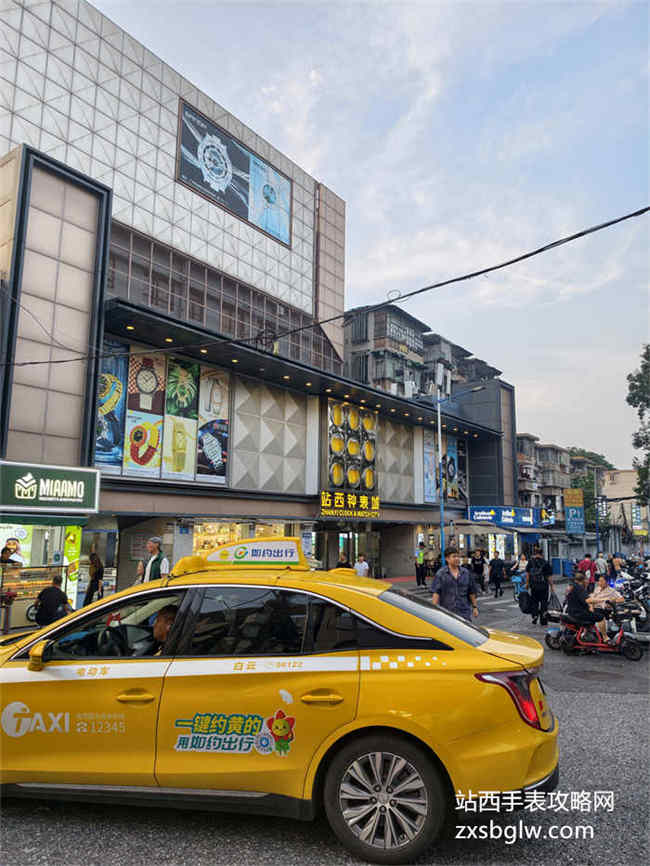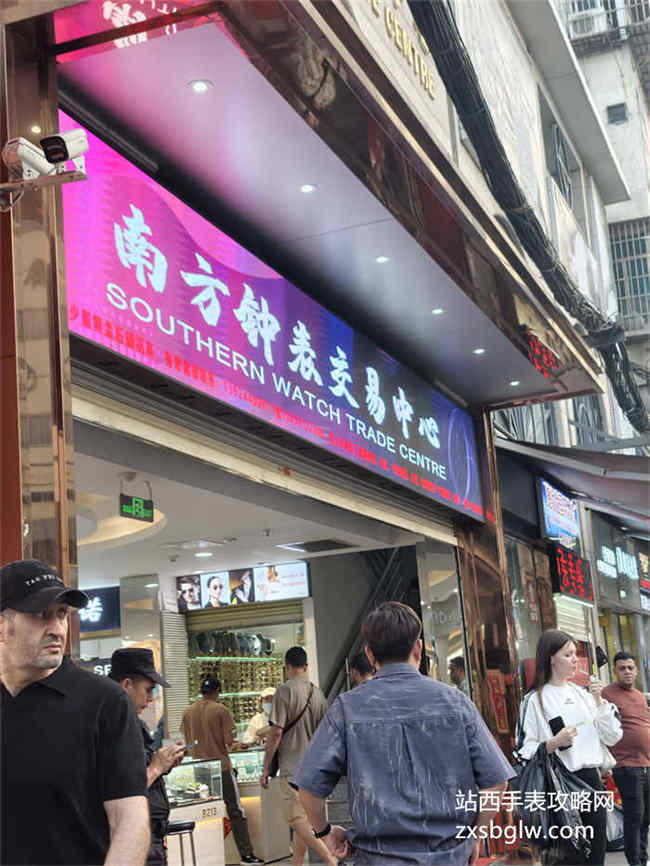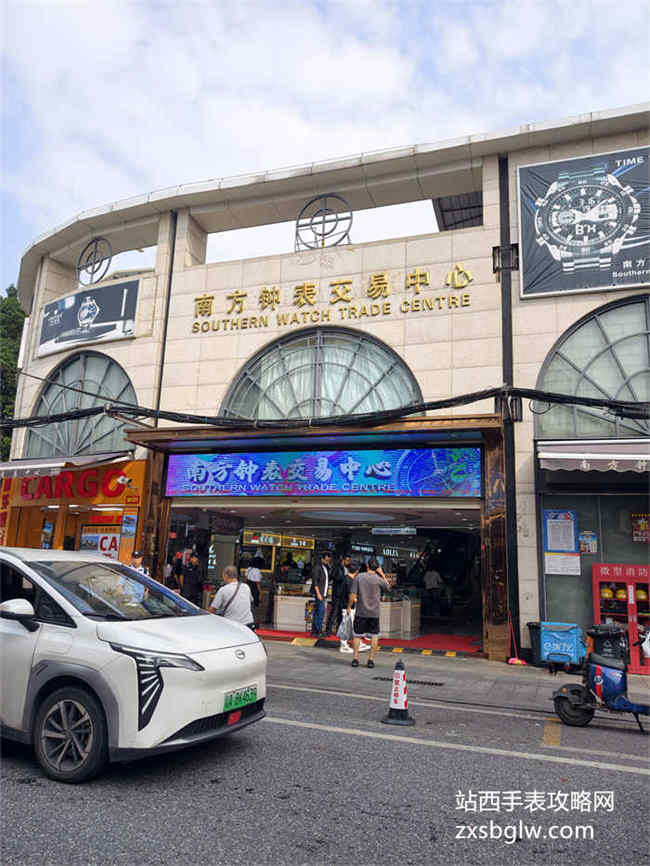
Why the "Station West" Legend Still Holds Water in 2024
I've been standing behind this counter in Guangzhou Station West for over fifteen years. While the internet is flooded with articles about "cheap watches," most of them are written by people who have never stepped foot inside the actual market. They talk about prices they saw on a screen, not the dust, the noise, and the sheer chaos of the wholesale floor. If you are an overseas buyer looking for genuine sourcing opportunities, let me tell you: the magic isn't in the price tag alone; it's in the handshake and the inspection.
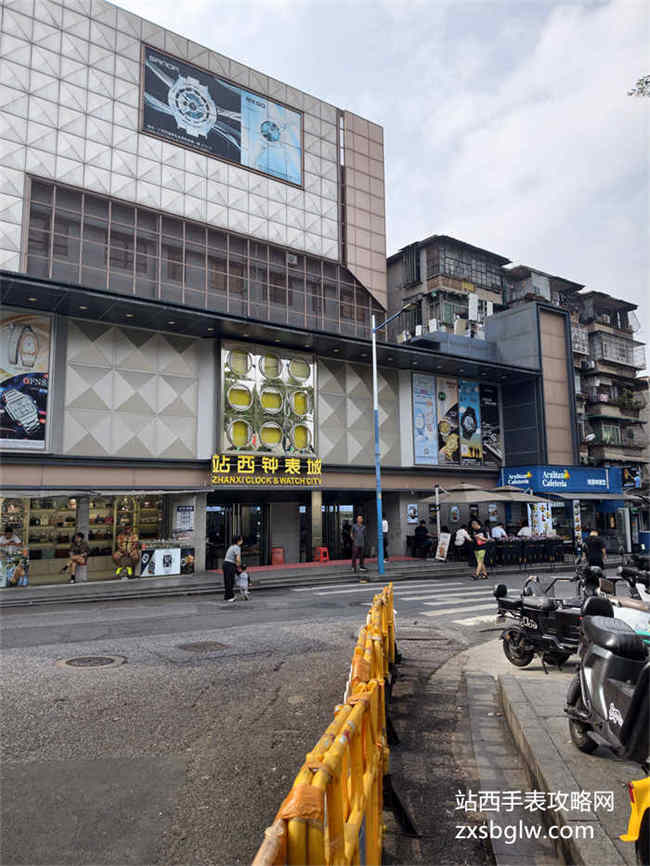
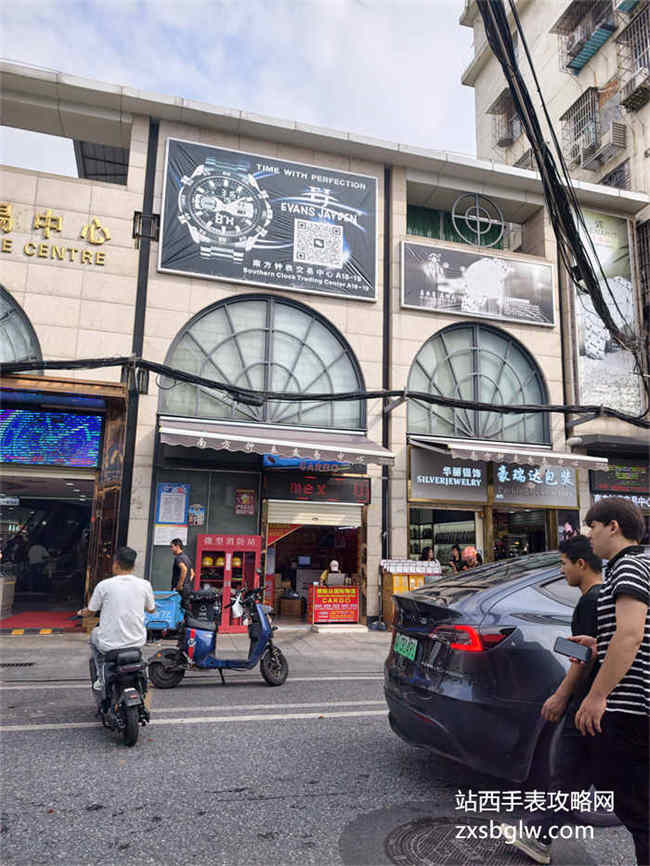
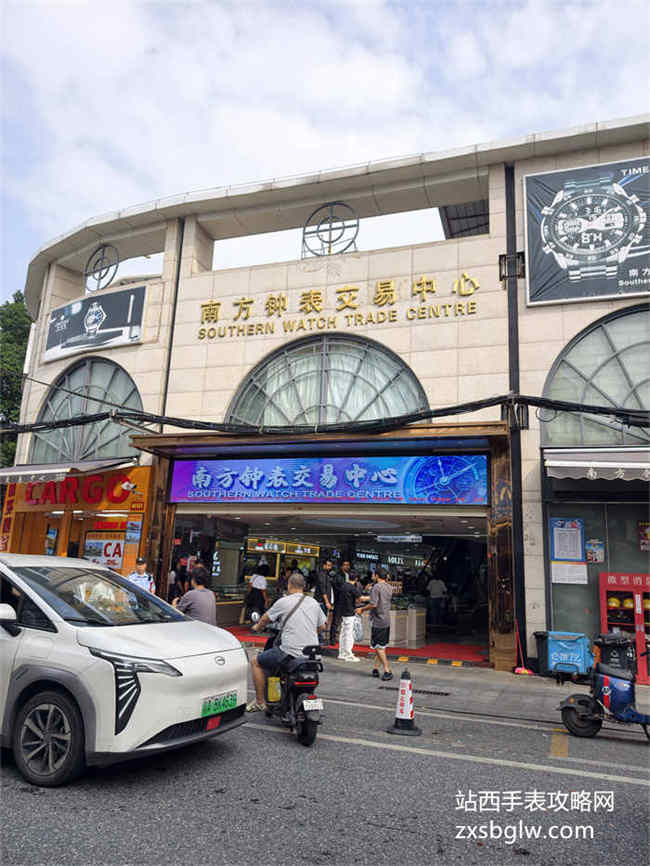
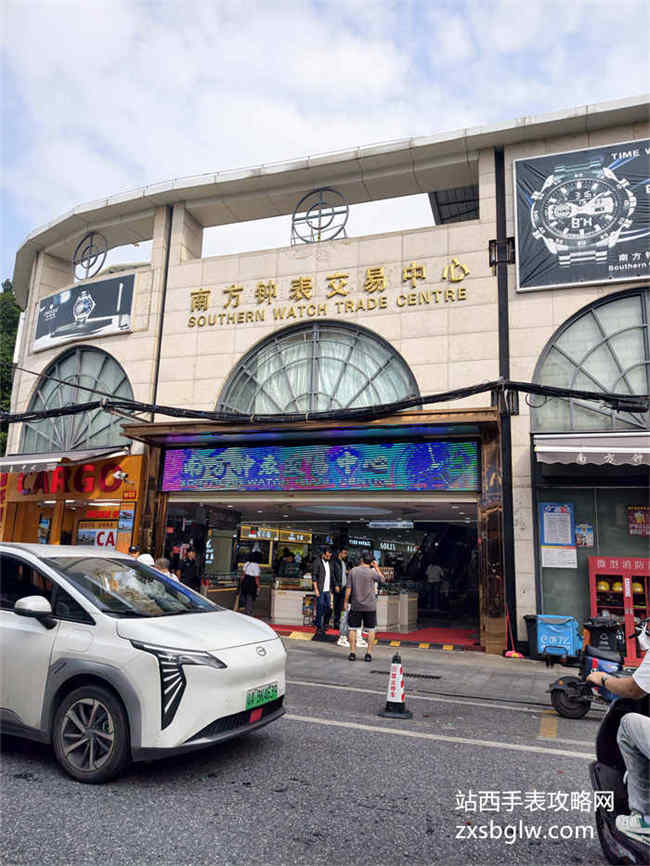
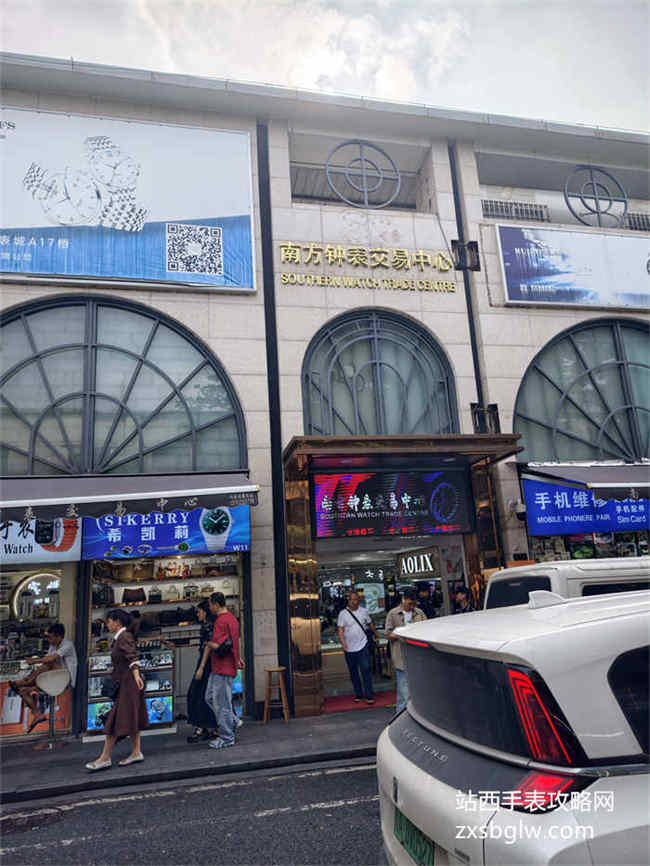
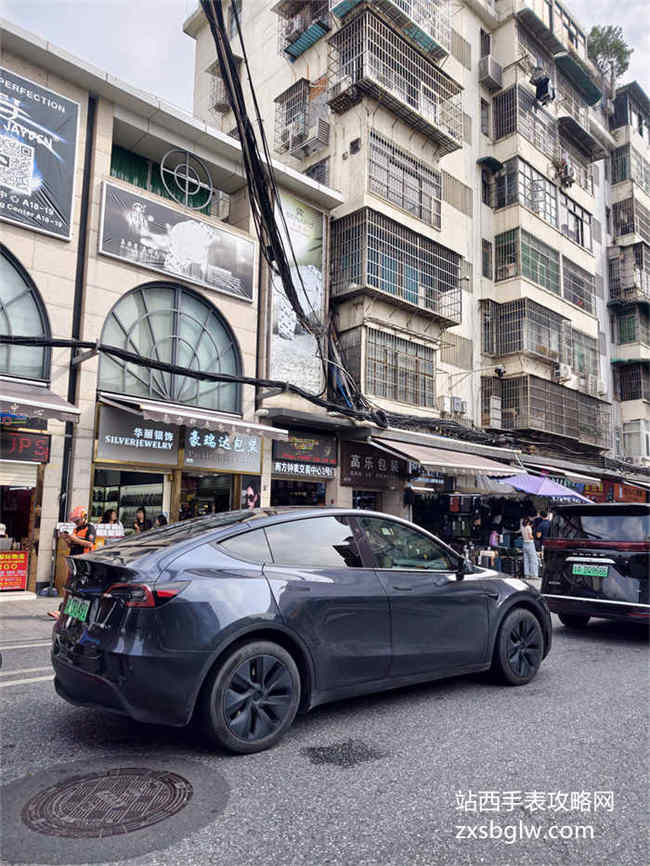
The term "Guangzhou Station West cheap watches" often gets a bad reputation online because of the scams that happen outside the main buildings. But inside? It's a different beast entirely. This is where the world's supply chain for mid-range timepieces actually breathes. I'm not here to sell you a dream; I'm here to show you how to navigate the concrete jungle of shops like the famous Watch City (Biao Cheng) and the surrounding blocks without getting burned.
Navigating the Labyrinth: Where to Actually Go
First things first, stop looking at random Google Maps pins. The real action happens in specific clusters. When I guide my regular international clients, we don't wander aimlessly. We head straight for the core hubs. The most critical building is the Watch City complex, specifically the lower floors where the high-volume wholesalers operate. You need to look for signs that say "Factory Direct" or "Wholesale Only."
The Floor Strategy: Don't Waste Time on Level 5
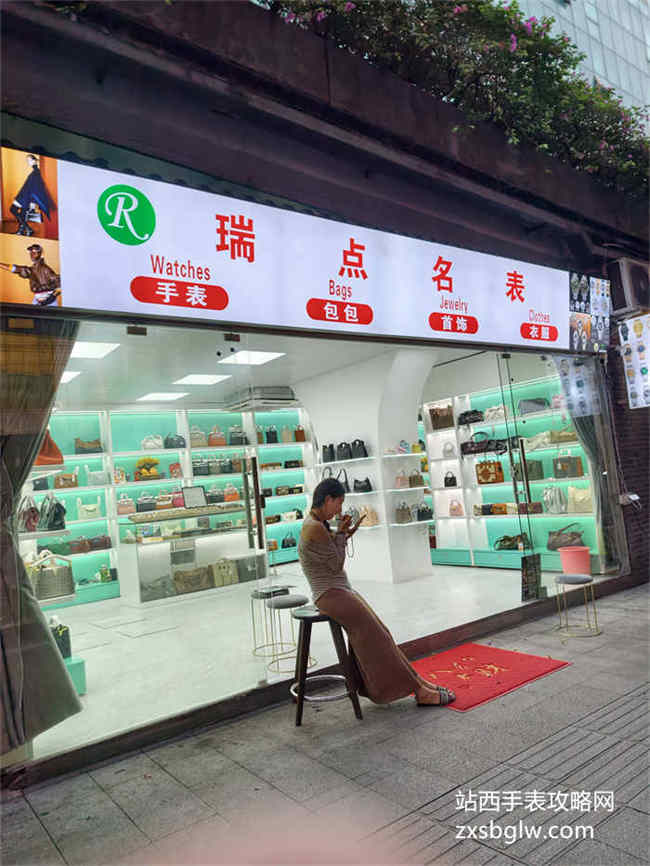
Here is a hard truth from my experience: if you are looking for the best deals on replica or budget-friendly movements, avoid the top floors initially. Those levels are often filled with retail-style displays aimed at tourists with higher markups. The real factory-direct pricing lives on the ground floor and the basement levels of the major complexes. That's where the bulk orders happen. I remember a client last year who wasted three hours on the upper floors before I pulled him down to the basement. There, he found a stall selling Seiko clones with the same movement specs as the ones upstairs but at 40% less cost because the overhead was lower.
Identifying the Real Factories vs. Middlemen
You will see hundreds of stalls claiming to be "factory owners." Most aren't. In this market, there are three types of players: the actual manufacturers, the large distributors, and the middlemen. A true manufacturer usually has a messy back room with boxes of parts and assembly lines visible through the glass. A distributor has neat rows of finished goods. A middleman just has a catalog. My advice? Ask to see their inventory depth. If they can only show you five models, they are likely a reseller. If they can pull out fifty variations of the same case type from the back, they are the source.
The Art of Inspection: What Your Eyes Need to See
This is where 90% of overseas buyers fail. They rely on photos sent via WhatsApp. Let me be clear: photos lie. Lighting, angles, and editing can hide a thousand sins. When you are physically standing in a stall in Station West, you need to inspect the watch with a magnifying loupe. I always carry one in my pocket.
Checking the Movement: The Heart of the Matter
When discussing "Guangzhou Station West cheap watches," the movement is everything. Are you looking for a Japanese Miyota clone, a Chinese Seagull, or a generic automatic? Open the case back. Look at the finishing. A cheap movement might run fine for a month, but if the gears are rough or the rotor is noisy, it will die quickly. I once had a buyer reject a batch of Rolex Submariner homages because the second hand ticked too loudly. He thought it was a defect, but I told him it was a sign of poor lubrication. We swapped those for units with better oiling, and the difference in sound was night and day.
Case Finishing and Weight Analysis
Don't just look at the dial. Pick up the watch. Does it feel light? Cheap alloys feel hollow. Good plating feels substantial. Check the clasp mechanism. Does it click firmly? Is the engraving sharp or blurry? In the bustling environment of Station West, you can compare ten different watches side-by-side. Use your hands to feel the texture of the bracelet links. If the metal feels cold and smooth, it's likely stainless steel. If it feels warm and slightly rough, it might be zinc alloy plated. This tactile test is impossible to replicate online.
Negotiation Tactics: How to Get the Real Price
Pricing in Station West is not fixed. It is a dance. The sticker price or the initial quote is almost always inflated for foreigners. I've seen quotes double for someone who looks like a tourist. To get the real wholesale price, you need to speak the language of volume.
The Volume Game: Why Quantity Matters
If you walk in asking for one piece, you will pay retail. If you ask for ten, you get a discount. If you ask for fifty, you get the factory price. I always advise my clients to start with a "test order" of 20-30 pieces rather than trying to buy 100 immediately. This builds trust. once the owner sees you are serious and willing to move stock, the price drops significantly. For example, a watch quoted at $15 for a single unit might drop to $8 if you commit to a box of 50. That is the reality of the market.
Bypassing the Middleman Markup
Many stalls act as aggregators. They buy from smaller workshops and add a margin. To cut this out, ask directly: "Who makes this?" If they hesitate, they are a middleman. If they point to a specific workshop number or mention a specific movement supplier, they are closer to the source. I have a contact list of about twenty direct factories in the area. When my clients want the absolute bottom price, I connect them directly, saving them another 15-20% on the final cost.
Common Pitfalls: Lessons Learned the Hard Way
Even after all these years, I still see new buyers make the same mistakes. Here are the traps I've helped others avoid.
The "Too Good to Be True" Trap
If a seller offers a "Rolex" for $20 that claims to have a Swiss movement, it is a scam. No one sells Swiss movements at that price. In Station West, you can find high-quality replicas for $30-$50 that use reliable Chinese movements, but anything cheaper is likely plastic and glue. Don't let greed blind you to quality.
Shipping and Customs Nightmares
One of the biggest headaches for overseas buyers is shipping. Many sellers in Station West are not experienced with international logistics. They might ship via standard mail, which gets seized by customs. Always insist on using a reliable courier service that specializes in electronics or jewelry. I always recommend using a freight forwarder based in Guangzhou who knows how to declare goods properly to avoid seizure. Never accept a seller's suggestion to ship via a random postal service unless you are sure of the destination country's regulations.
Summary of Sourcing Strategy
To wrap up, sourcing from Guangzhou Station West requires patience, observation, and a bit of street smarts. It is not a place for the faint-hearted, but for those willing to dig deep, the rewards are immense. Here is a quick checklist for your next trip:
| Action Step | Key Detail | Pro Tip |
|---|---|---|
| Location | Focus on Ground/basement Floors | Avoid upper floors for wholesale deals |
| Inspection | Use Loupe & Feel Weight | Check movement noise and case finish |
| Negotiation | Start with 20-30 units | Build trust before demanding bulk discounts |
| Logistics | Use Specialized Couriers | Avoid standard post for high-value items |
Remember, the "Guangzhou Station West cheap watches" market is vast. It is full of gems if you know how to sift through the dirt. Don't rush. Talk to the shopkeepers, build relationships, and always verify what you are buying with your own eyes. That is the only way to succeed in this business.