Why You Need to Walk the Floor: My 15 Years in Guangzhou Station West
Listen, if you think you can just order a "high-quality replica" from a website and expect it to match what I see every morning at the Station West market, you are dreaming. I've been running this stall on the third floor of the Da Dong building for over a decade. I've seen thousands of tourists walk through those doors, eyes wide, clutching their iPhones, ready to spend big. But here is the hard truth: the magic doesn't happen online. It happens when you stand right next to the glass display case, feel the weight of the movement, and smell the leather.
The term "Guangzhou Station West watches" isn't just a keyword; it's a lifestyle for us dealers. When people ask me about sourcing, I always tell them to forget the search engine results for now. The real value lies in the physical inspection. In my experience, the difference between a $50 watch and a $500 watch that looks identical to the naked eye comes down to one thing: the micro-details that only exist in the flesh-and-blood environment of the wholesale district.
Navigating the Labyrinth: Wher to Actually Go
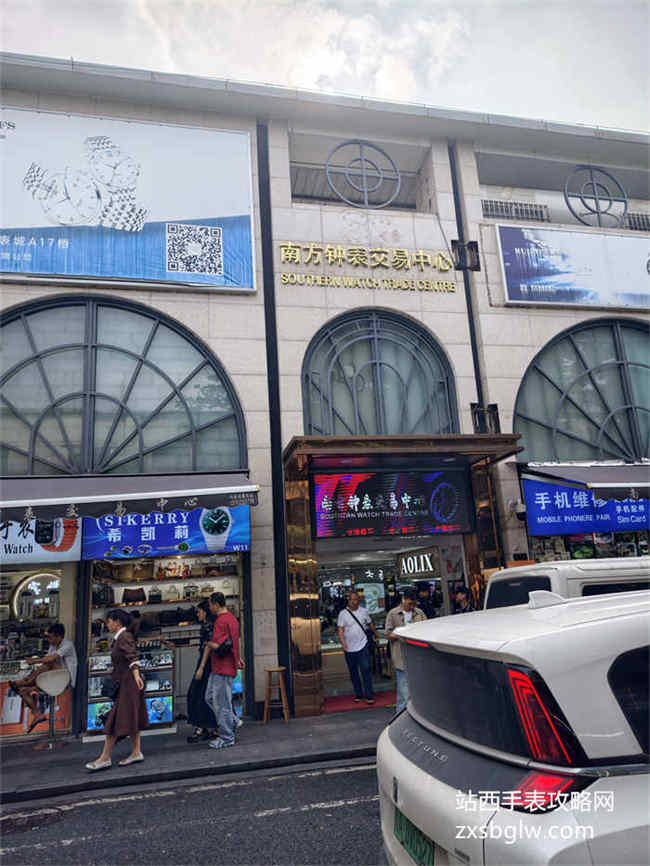
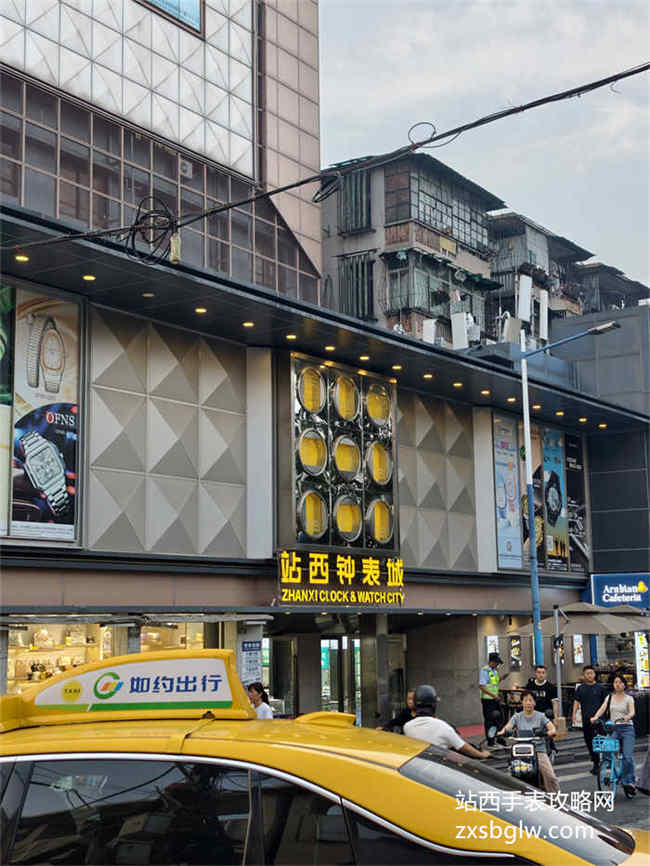
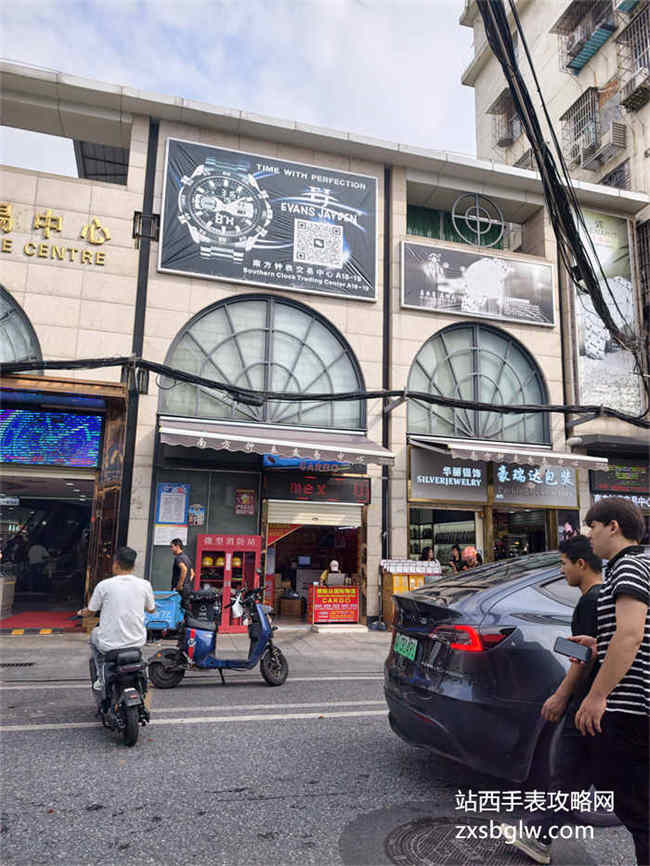
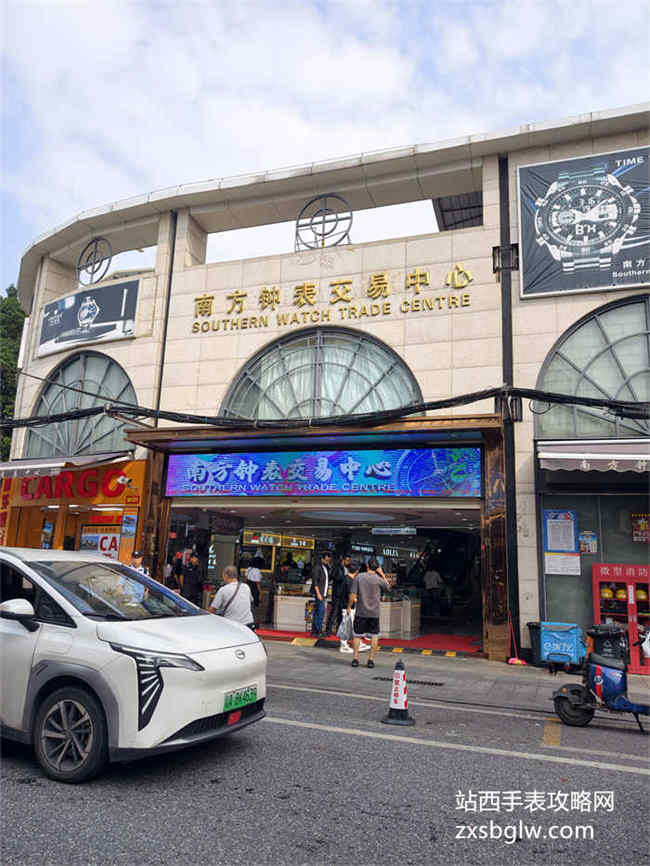
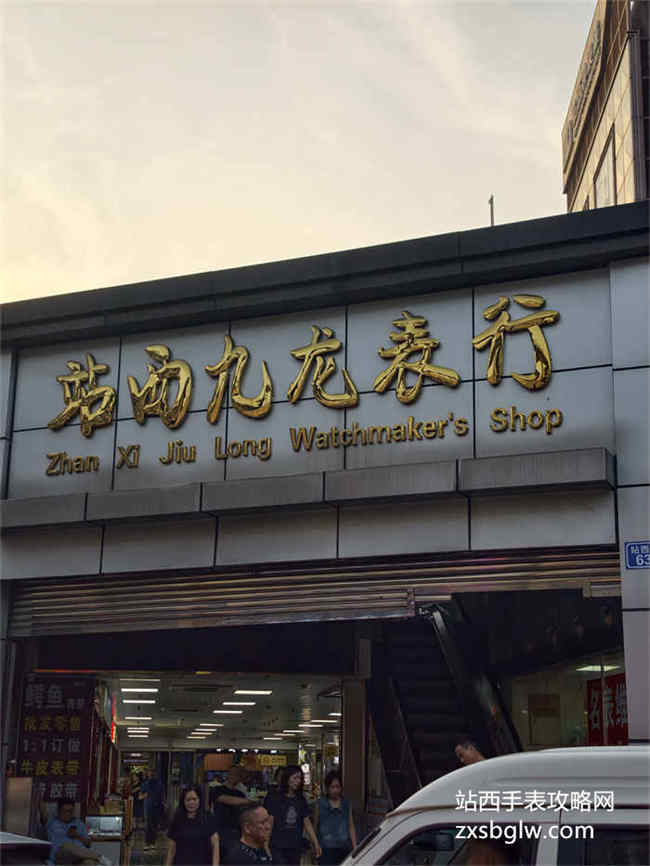
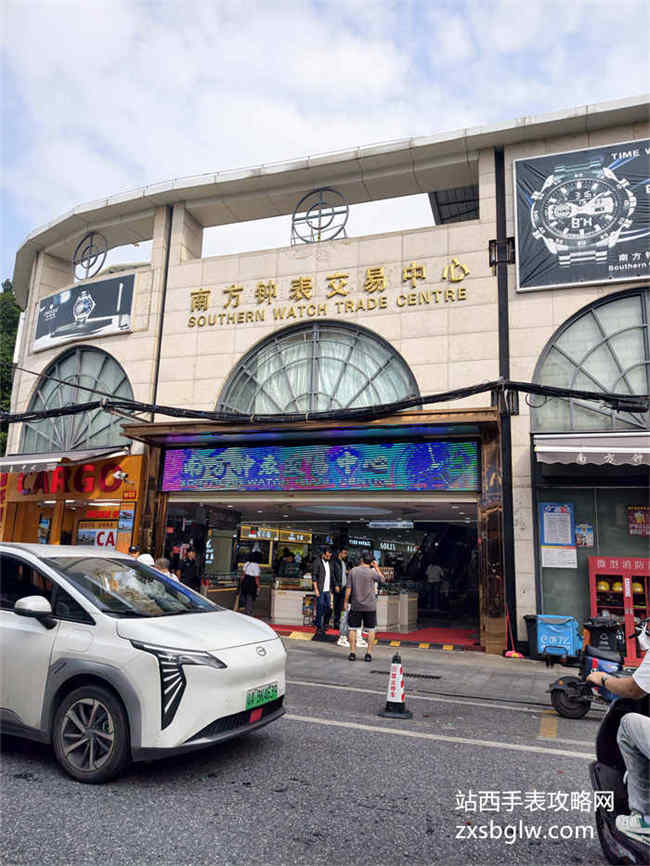
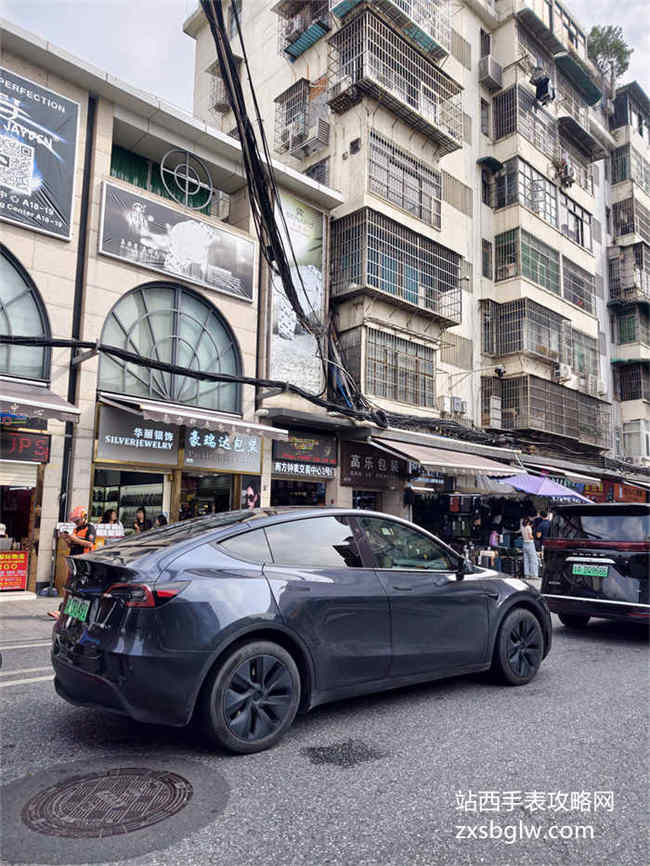
First things first, don't get lost. The station west area is a maze of old buildings and narrow alleys. If you show up without a plan, you will be swindled by touts before you even find the entrance. I usually guide serious buyers straight to the Da Dong Building or the nearby Bai Shi Building. These are the hubs wher the actual wholesalers operate, not the tourist traps selling fake Rolexes made in a basement.
The Third Floor Goldmine
My own stall is on the third floor, but let me tell you about the layout. The ground floor is mostly for retail tourists who want to pay double. The second floor has some decent stock, but the real gems—the ones with the Swiss movements and the sapphire crystals—are upstairs. Specifically, look for the corridor near the elevator shaft. That is wher the heavy hitters are. I remember a buyer last month who wanted to source "China Guangzhou station west watches" for his boutique in New York. He walked into a random shop on the first floor and got quoted $80 for a "top tier" piece. I took him to my neighbor, Uncle Li on the third floor, and showed him the same model. Uncle Li charged $65 because he knew the volume was there. The price difference wasn't in the quality; it was in the overhead.
Factory Direct vs. Middlemen
You need to know who you are talking to. Many shops claim to be factories, but they are just middlemen buying from other stalls. To find the real source, ask to see the "batch numbers" or the packaging boxes. Real factories have specific batch codes printed on the inner box labels. If a seller hesitates or says "we don't keep records," run. I once saw a guy try to sell me a batch of "Grade A" watches that turned out to be Grade B mixed with Grade C. The movement was ticking, but the dial printing was slightly off-center. only by opening the back case did I spot the cheap Chinese clone movement instead of the Seiko NH35 upgrade we agreed on.
The Art of Inspection: What I Look For Before Paying
When I am negotiating with overseas clients, I always tell them: "Don't trust the photos." Photos can be edited, lighting can be manipulated, and angles can hide flaws. Here is my checklist for inspecting a watch before I hand over the cash.
Weight and Feel
This is the first thing I check. A genuine high-end replica should feel substantial. Cheap versions use hollow cases or low-density alloys. When I pick up a watch from my shelf, I can tell within three seconds if it feels like a toy or a tool. For example, a standard stainless steel bracelet should have a solid clasp mechanism, not a flimsy snap. I had a client from London who ordered five hundred units based on a video call. When they arrived, the bracelets were too light, and the links rattled. They lost money because they didn't verify the weight locally.
The Movement Check
This is wher the rubber meets the road. Most buyers don't know how to open a watch case, so they rely on the sound. A good movement ticks silently and smoothly. A bad one sounds like a clockwork toy. In the Station West market, we have access to movements ranging from the cheap Chinese clones to the upgraded Japanese Miyota and even the Swiss ETA clones. I always recommend the "Miyota 9015" upgrade for automatics. It costs maybe $15 more per unit, but it lasts twice as long. I've seen dozens of watches fail after six months because the seller used a $5 movement to cut corners. Don't do it.
Negotiation Tactics: How to Get the Best Price
Price negotiation in Guangzhou is an art form. If you act like a tourist, you will pay the tourist price. If you act like a pro, you get the wholesale rate. Here is how I handle it.
The Volume Game
I never start negotiations with a single unit. Even if you only need ten pieces, tell me you are testing the market for a larger order. Say you plan to order 500 units next month. This changes the dynamic immediately. Sellers are willing to dro the price from $45 to $38 if they think they can make up the margin later. I remember a deal wher a buyer from Dubai wanted 20 watches. I offered him $40 each. He countered with $35. I told him, "If you take 50, I'll give you $36." He took the 50. We both won. The key is showing you understand the volume game.
The "Walk Away" Power
If the price isn't right, stand up and leave. Seriously. In the Station West market, sellers are desperate for volume. If you walk away, they will often call you back or offer a better deal. I've seen this happen a dozen times. One time, a buyer refused to budge on the price for a specific model. I said, "Okay, I'll send you the contact info for the factory down the street." Within two minutes, the seller called me back and offered a free shipping upgrade and a 5% discount. Never be afraid to walk away.
Common Pitfalls and How to Avoid Them
Even with all my experience, mistakes happen. But knowing the common pitfalls can save you thousands of dollars.
The "Fake Factory" Scam
Some shops will show you a factory tour video or a photo of a massive warehouse. Do not believe it. These are stock photos. Real factories in Guangzhou are often small, cramped workshops, not gleaming skyscrapers. If they can't show you the actual production line or let you visit the workshop, they are likely resellers.
Quality Control Blind Spots
Many buyers focus on the front of the watch and ignore the back. I always check the engraving on the case back. Is it deep? Is it clean? Are the serial numbers consistent? I once caught a batch wher the serial numbers were stamped in different fonts. That meant they were mixing parts from different batches. It's a red flag for poor quality control.
Summary of Key Takeaways
| Factor | What to Watch For | My Pro Tip |
|---|---|---|
| Location | Avoid Ground Floor Retail Shops | Go to 3rd Floor of Da Dong Building |
| Movement | Check for smooth ticking, no noise | Insist on Miyota 9015 upgrades |
| Pricing | Tourist prices are inflated | Negotiate based on volume (50+ units) |
| Verification | Check engravings and case back | Open the case back to verify movement |
Buying from the Guangzhou Station West market is not just about getting a cheap watch. It is about understanding the supply chain, building relationships, and knowing exactly what you are paying for. If you follow these steps, you will avoid the scams and get the best deals possible. Remember, the best deals are found in person, not on a screen. Come to the market, talk to the locals, and see the products with your own eyes. That is the only way to truly master the art of sourcing.
 On-site Visits
 Free Sharing
 Avoid Scams
 Updated Frequently
 For Reference Only