From the Floor: My 15 Years in Guangzhou's Zhanxi Market
Listen, I've been standing on this concrete floor of the Zhanxi market since before you were even born. While everyone online is talking about "Pudong watches" or generic replicas, my world is built on the dust, the noise, and the specific handshake deals that happen between 8 AM and 6 PM right here in Guangzhou. You hear people say "Pudong watch" as if it's a brand, but in my experience, that term is often just a marketing label for low-end goods that never make it to the top tier of what we actually produce here. The real story isn't about the name; it's about the factory lines hidden behind these unassuming shop fronts.
I'm not going to give you some robotic definition of what a replica is. I'm going to tell you how I buy, how I check, and exactly wher you need to go if you want to source high-quality timepieces without getting ripped off by middlemen who don't know their way around a movement. This is the ground truth from a local boss who has seen thousands of boxes come and go.
The Myth of "Pudong" vs. The Reality of Zhanxi
First, let's clear up the confusion. When overseas buyers ask me for "Pudong watches," they are usually looking at listings from Taobao or WeChat shops that claim to be direct from the famous manufacturing hub. But here's the hard truth: most of those sellers are just resellers sitting in other cities, buying from us in Guangzhou and marking up the price by 30% or more. The actual production powerhouses—the ones making the 904L steel cases and the Swiss-grade movements—are located right here in the Zhanxi area.
Why "Pudong" is Often a Red Flag
In my fifteen years, I've learned that "Pudong" is often used as a catch-all term for lower-tier goods. If a supplier tells you they have "Pudong quality" for $50, run. That's the entry-level stuff, the kind with poor plating that turns your wrist green after two weeks. The real magic happens when you talk about the "Zhanxi Grade A" or "Super Clone" tiers. These terms mean something specific to us locals. It refers to the precision of the movement, the weight of the bracelet, and the clarity of the sapphire crystal. Don't get distracted by the geographic name; focus on the grade of the product.
The Zhanxi Ecosystem Explained
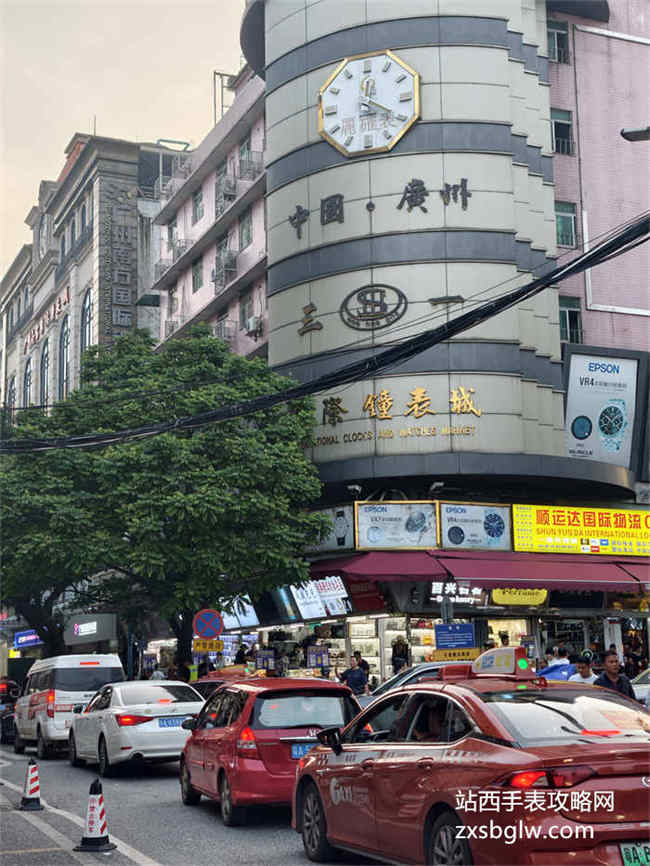
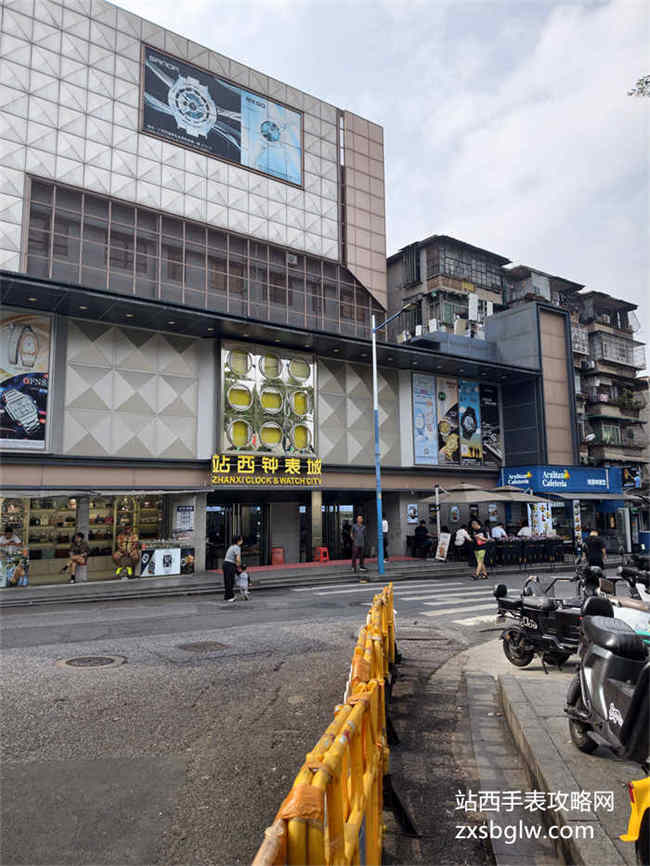
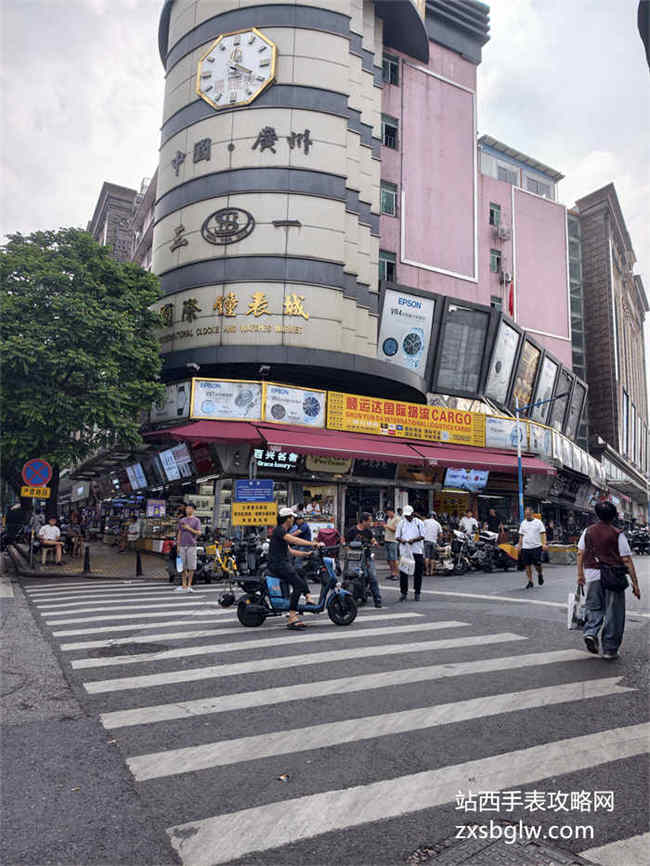
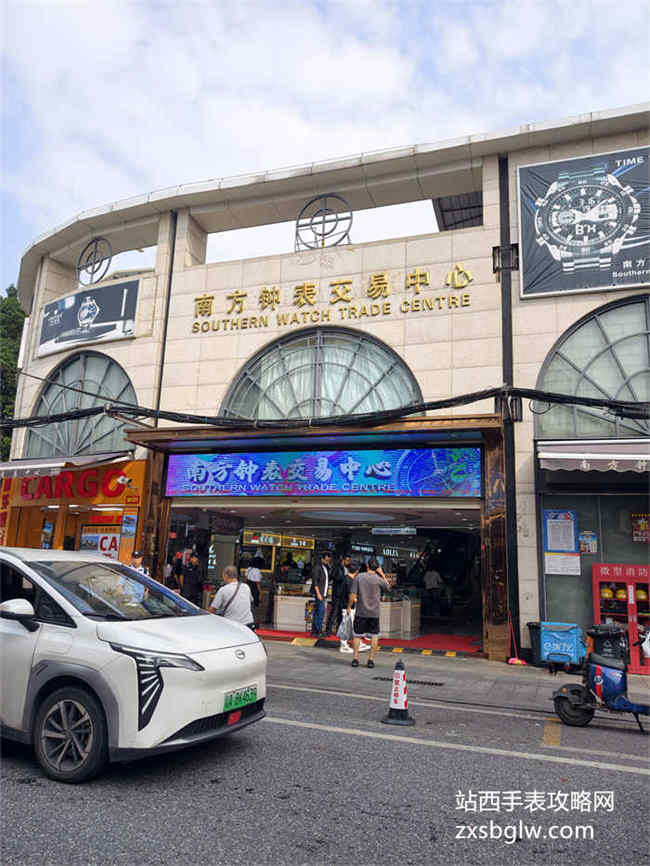
Zhanxi isn't just one building; it's a sprawling network of wholesale markets like the Da Dong Building, the Xingfu Building, and the newer, cleaner complexes nearby. Each building has its own specialty. Some floors are dedicated to luxury sports models, while others handle dress watches. The key is knowing which floor houses the factories that actually do the assembly versus the ones that just glue stickers on cheap cases. I'll show you exactly wher to go in the next section.
Navigating the Markets: Wher to Find Real Goods
If you walk into Zhanxi without a plan, you will get lost. There are hundreds of stalls, and many look identical. My advice? Go straight to the core buildings wher the serious wholesalers operate. You won't find the best stock in the flashy storefronts on the main street; you'll find them tucked away in the back corridors.
The Golden Zone: Da Dong and Xingfu Buildings
For the highest quality pieces, specifically the "Super Clones" that mimic the Rolex Submariner, GMT-Master II, or AP Royal Oak, head to the Da Dong Building (Dadong Plaza). Specifically, look for the 7th and 8th floors. This is wher the heavy hitters are. I personally deal with a few key bosses here. For example, there is a stall on the 8th floor, near the elevator, known simply as "Factory Direct." They don't put their name on the door, but if you ask for the "9015 movement" guys, they point you there. Another reliable spot is on the 3rd floor of the Xingfu Building, wher they specialize in Omega Seamaster and Speedmaster replicas. These aren't random stalls; these are established warehouses with inventory ready to ship globally.
Identifying the Factory Fronts
How do you spot a real factory front? Look for the lack of flashy signage. Real factories care about volume, not branding. Their counters are often cluttered with boxes, tools, and loose parts. If a shop looks too clean and has a fancy logo painted on the glass, they are likely a retail outlet or a middleman. Ask to see the "raw materials"—the movement plates, the bezel inserts, or the dial blanks. If they can't show you the components, they aren't the source.
The Art of Inspection: What I Look For Before Paying
This is wher most overseas buyers fail. They rely on photos sent via WeChat, which are easily manipulated. I always insist on seeing the physical piece before finalizing the deal. Here is my checklist, the same one I use for my regular clients in the US and Europe.
Checking the Movement: The Heart of the Watch
The movement is everything. In Zhanxi, we have different tiers of movements. The standard Seagull ST2130 is common, but for true quality, you want the VX-2130 or the VSOP clones of the Swiss ETA 2824. I open the case back immediately. Does the rotor spin smoothly? Is the engraving crisp? On the cheaper "Pudong" style watches, the engravings are often blurry or laser-etched poorly. On the real Zhanxi goods, the finishing is mirror-polished. I also check the beat rate. A good clone should tick at 28,800 vph, just like the original. If it ticks slower, it's a lower-tier movement.
Weight and Material Verification
Pick up the watch. Does it feel heavy? High-quality stainless steel, especially 904L, has a distinct heft. Many fake watches use hollow links or lighter alloys to save costs. I weigh every watch against a reference scale. If a Submariner feels light as a feather, it's a red flag. Also, check the clasp. Does it click firmly? Are the screws tight? On the lower end, the clasps feel flimsy and the logos are often misaligned. I've seen clients lose money because they didn't check the clasp mechanism until the watch arrived in their country.
Negotiation Tactics and Avoiding Scams
once you've picked the watch, the negotiation begins. Prices in Zhanxi are not fixed; they are fluid based on volume and relationship. Never accept the first price quoted. The markup for foreigners is often 20-30% higher than for locals.
The Volume Discount Strategy
If you are buying just one piece, expect to pay the retail price of the stall. But if you mention you are sourcing for a store or a group of friends, the price dros significantly. I always tell my international clients to start by asking for the "wholesale price" (Baojia). Then, negotiate based on quantity. For example, buying 5 pieces might drop the price per unit by $20-$30. I've seen deals wher the price difference between buying one and buying ten is massive. Don't be shy about asking for a discount; it's expected in this market.
Avoiding the "Sample Trap"
One of the biggest scams I've encountered is the "sample trap." A seller shows you a perfect sample, takes your deposit, and then sends you a inferior batch. To avoid this, always ask for a video call inspection. I require my suppliers to film the watch being packed, showing the serial numbers and the movement close-up. I also recommend using a trusted third-party agent if you can't visit in person. But if you are here, trust your eyes, not their words.
Summary of Key Sourcing Locations and Tips
To wrap up, if you want to succeed in sourcing from Guangzhou, you need to stop thinking about "Pudong" and start focusing on the specific zones within Zhanxi. Here is a quick reference guide based on my years of experience:
| Location | Floor/Zone | Specialty | Recommended Contact Type |
|---|---|---|---|
| Da Dong Building | 7th & 8th Floors | High-end Sports Models (Rolex, AP) | Direct Factory Bosses (No middlemen) |
| Xingfu Building | 3rd Floor | Omega, Cartier, Dress Watches | Established Wholesalers |
| Local Street Stalls | Ground Level | Low-end, Fashion Watches | Avoid for Quality Sourcing |
Remember, the Zhanxi market is a living, breathing ecosystem. It changes fast, new factories open, old ones close. But the core principle remains: quality comes from the details. Whether you are looking for a "Guangzhou Zhanxi watch" or a specific model, the secret is in the movement, the material, and the relationship you build with the seller. Don't settle for the generic "Pudong" label. Come to the source, inspect the goods, and negotiate like a pro. That's how you get the best value for your money.
 On-site Visits
 Free Sharing
 Avoid Scams
 Updated Frequently
 For Reference Only