The Real Deal: Why "Station West" Watches Still Rule the Global Market
Welcome to the chaos. If you are reading this, you probably think you know about Guangzhou watches. You've seen the TikTok videos, the dropshipping ads, and maybe even tried ordering from a website that claims to be "the factory." Let me tell you something straight from my booth in the Station West area: 90% of what you see online is a lie. I have been standing right here at the Guangzhou Station West watch wholesale market for over twenty years. I've watched the internet boom, the rise of e-commerce, and the endless stream of foreigners walking through these doors looking for the next big thing. The term "Station West watches foreigner" isn't just a search query; it's a lifeline for buyers who want the real deal without getting ripped off.
This place is not a mall. It is a battlefield of commerce where deals happen in seconds, prices fluctuate by the hour, and trust is the only currency that matters. When I say "Guangzhou Station West watch market," I am talking about the physical epicenter of the global replica and high-end copy industry. But let's be clear: we don't sell fakes in the sense of cheap junk. We sell "high copies" or "1:1s" that often confuse collectors because the craftsmanship is so close to the original. My job isn't just to sell you a watch; it's to teach you how to navigate this jungle so you walk away with profit, not regret.
Navigating the Labyrinth: Your First Steps into the Market
Forget the Maps, Trust Your Feet
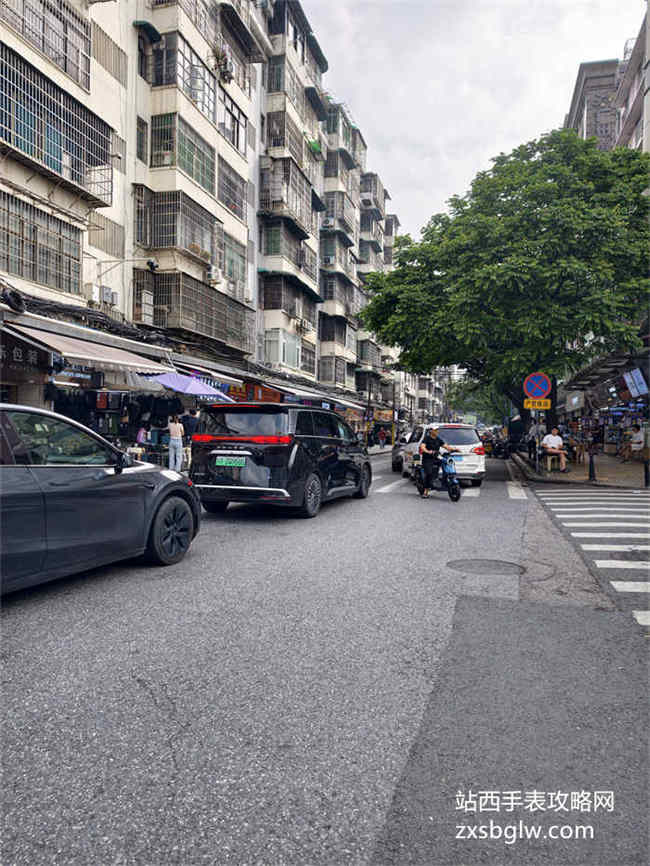
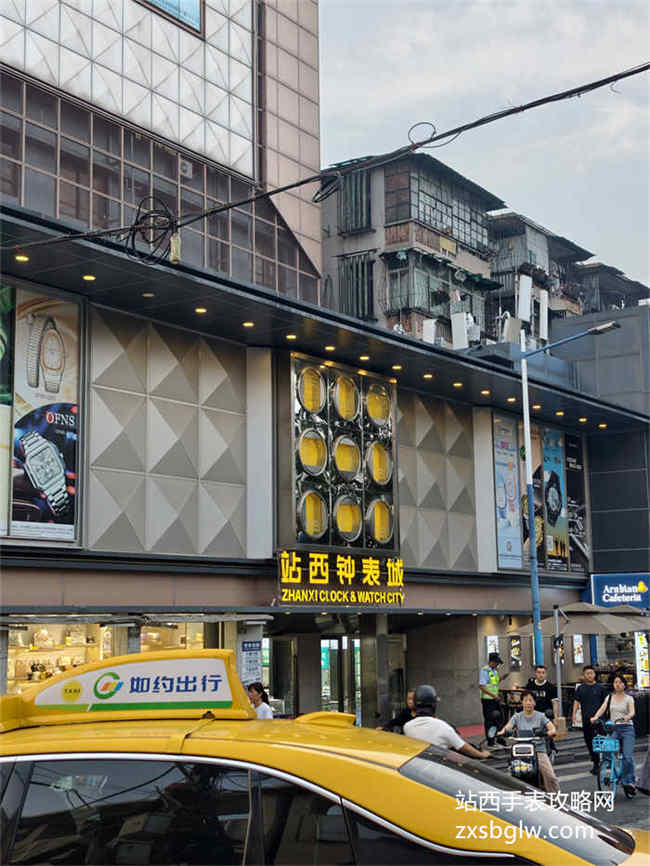
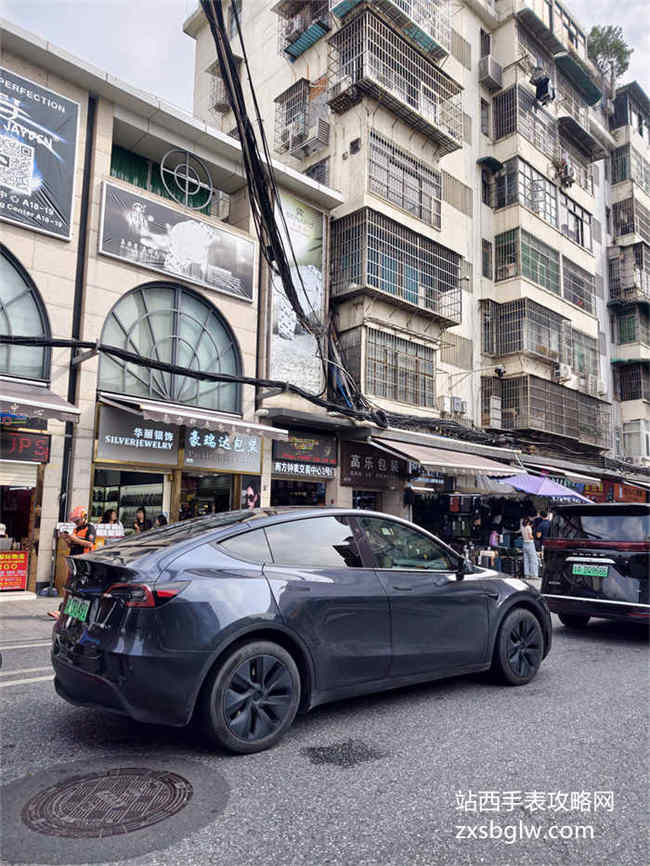
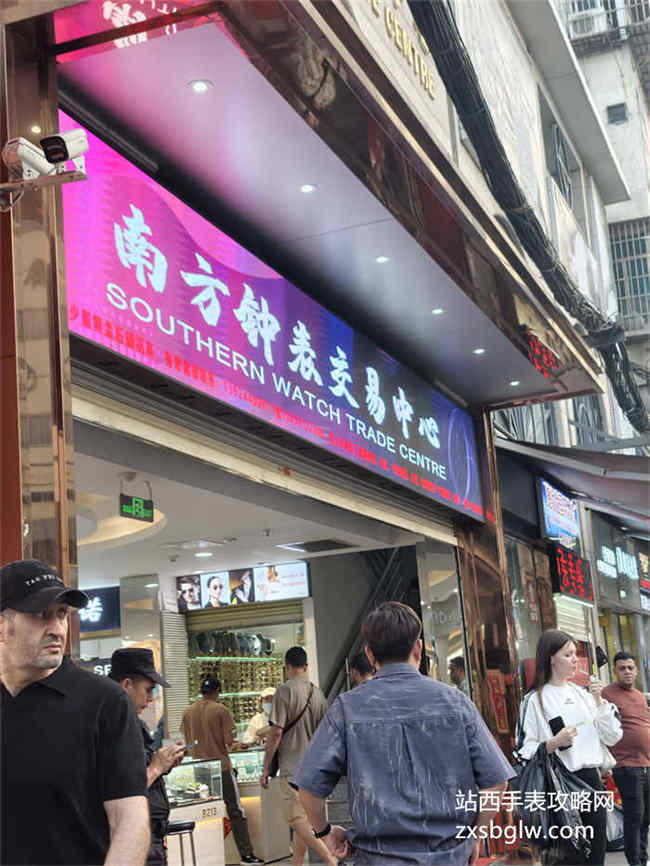
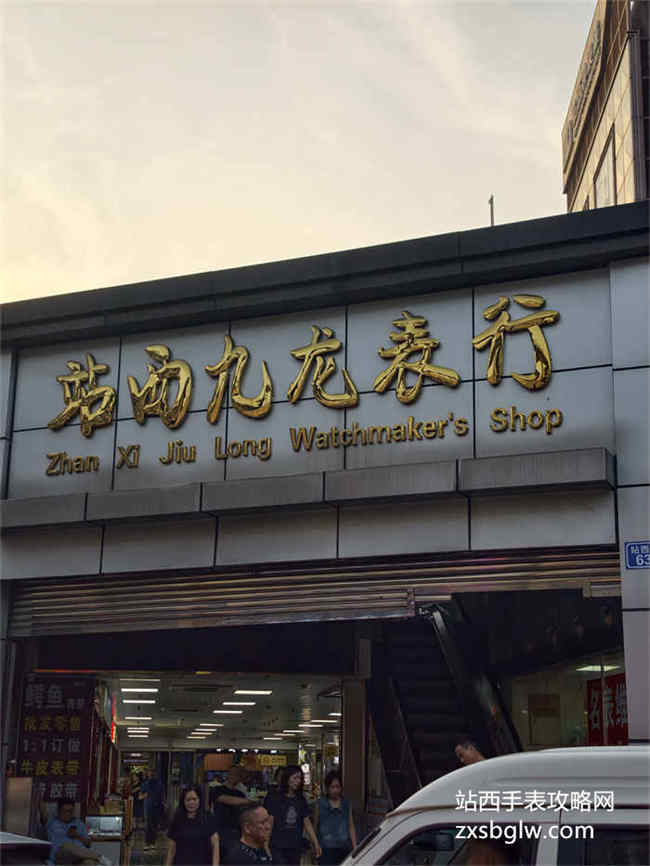
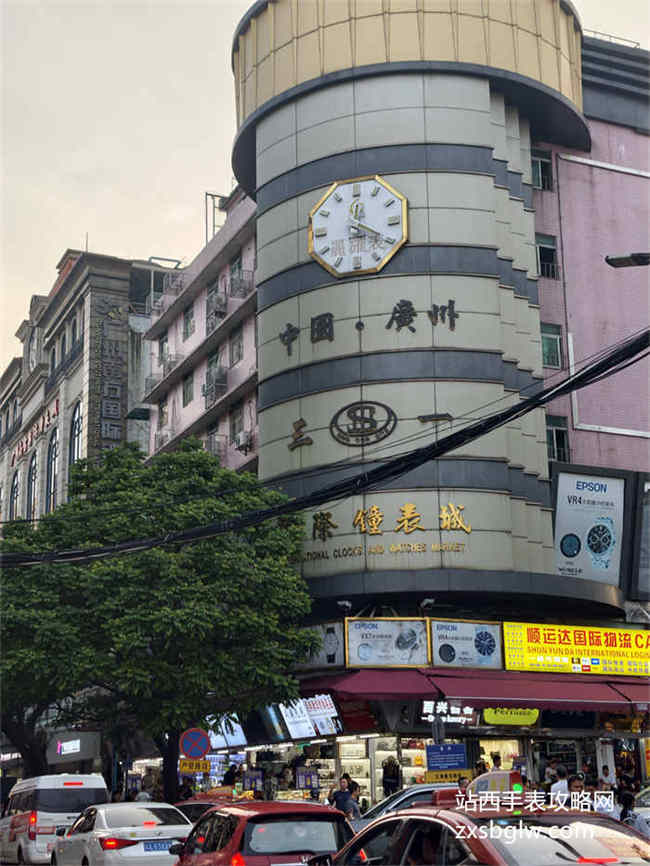
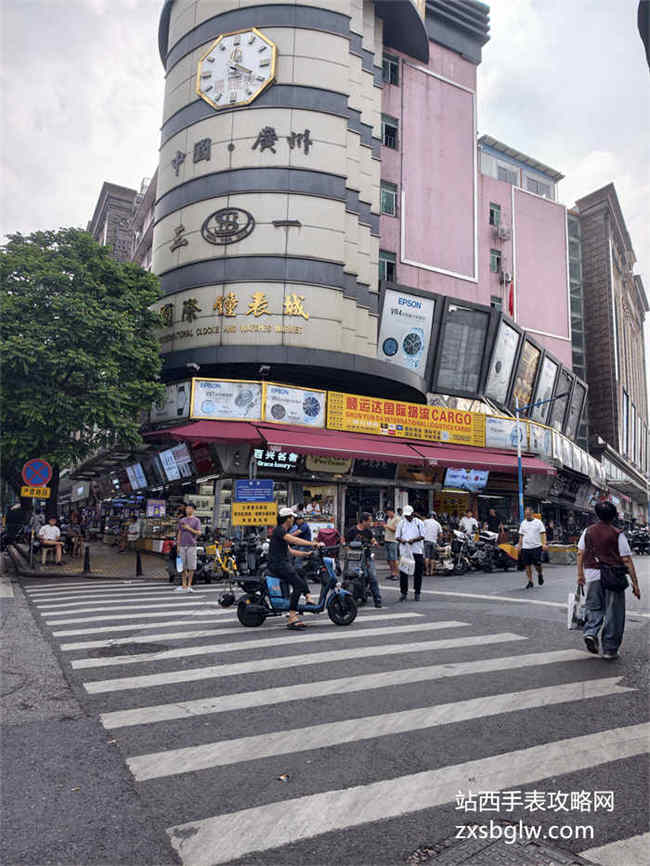
When you first arrive in Guangzhou, you might try to use Google Maps or ask a taxi driver for "Station West." They will take you to the general area, but finding the specific building is an adventure in itself. The market is a cluster of buildings like the famous Zhongda Building, the Xingfa Building, and the newer commercial complexes nearby. Do not expect a clean, organized layout. Expect narrow corridors, flashing neon signs, and hundreds of small booths crammed together.
I remember a client from New York last month who spent three hours trying to find his way using a map app. He ended up in a different district entirely. Here is my advice: once you are near the main intersection, stop asking strangers and start walking. Look for the crowds. Look for the guys carrying boxes. That is where the action is. The best deals are never advertised on a sign; they are whispered between the shop owners. When you step inside, ignore the flashy displays in the front. The real inventory is usually tucked away in the back rooms or under the counter, accessible only after a conversation.
The Language Barrier is Your Best Friend
You might worry about speaking English. In the Station West market, your inability to speak perfect Mandarin is actually an advantage. Many local vendors assume tourists can't negotiate, so they quote higher prices initially. However, if you show up with a translator or use a translation app confidently, you signal that you are serious. But here is the secret: you don't need to speak fluent Chinese to do business. You need to speak "business."
I always tell my foreign clients to bring a simple notebook. Write down the model numbers, the movement types (like Seagull, Miyota, or Clone movements), and the price points. When you point to a watch and say "Seagull 8215, 1:1 quality, what is the best price?", the vendor knows exactly what you mean. This cuts through the fluff. In my experience, the most successful transactions happen when the communication is direct and visual. Show them photos on your phone of the specific details you care about—the dial texture, the clasp mechanism, the weight. This is how you bridge the gap between a confused tourist and a savvy buyer.
Sourcing Strategy: How to Pick Winners and Avoid Trash
Quality Tiers: Know What You Are Buying
One of the biggest mistakes I see foreigners make is thinking all "Station West watches" are the same. They are not. There is a hierarchy, and understanding it is the difference between making money and losing your shirt. At the bottom, you have the "market grade" watches. These are the ones you see in street stalls for $20-$40. They look okay from a distance but fall apart in a week. Do not buy these unless you are selling to someone who doesn't know better.
Then there is the "High Copy" tier, which is what I specialize in. These watches use better materials—sapphire crystals, genuine leather straps, and reliable clone movements. The price range here is typically between $80 and $250 depending on the complexity. Finally, there is the "Top Tier" or "Super Clone" category. These are the ones that cost $300 to $600 and are nearly indistinguishable from the original even to experts. When I talk to buyers, I always ask: "What is your target market?" If they want to sell to budget-conscious customers, I recommend the mid-tier. If they are targeting luxury enthusiasts, we go straight for the top tier. Never compromise on the movement. A bad movement ruins the whole watch, no matter how good the case looks.
The Art of Inspection: Don't Trust Your Eyes Alone
Here is a hard truth: you cannot judge a watch by looking at it from two feet away. In the Station West market, lighting is often dim, and reflections hide flaws. When I inspect a batch for a client, I bring a loupe and a magnetic field tester. I check the alignment of the markers, the smoothness of the bezel rotation, and the sound of the movement. I also weigh the watch. A heavy watch usually indicates solid steel, while a light one suggests hollow plating or poor casting.
I recall a situation last year where a buyer wanted to purchase 50 units of a popular diver model. He liked the look immediately. I stopped him. I asked him to wait while I opened the case back. Inside, the movement was a cheap clone that would fail within six months. The exterior looked perfect, but the heart was dead. I saved him $1,500. This is why you need a local partner. If you are buying alone, bring a magnifying glass and test every single function. Press the buttons, wind the crown, check the date change. If anything feels sticky or loose, walk away. The market is full of "display models" that look great but are defective.
Negotiation and Logistics: Closing the Deal Like a Pro
The Dance of Price Negotiation
In the West, you haggle. In Station West, you negotiate with precision. Vendors here expect you to bargain, but they also expect you to know the market value. If you ask for a discount on a low-quality item, they will laugh. If you ask for a bulk discount on a high-quality item, they will respect you. My rule of thumb is to start at 60% of their asking price and work your way up. For example, if a watch is listed at $100, I suggest offering $60. Then, slowly increase your offer based on the volume. "If I take 100 pieces, can you do $75?" This is the standard negotiation tactic.
Also, never pay the full amount upfront. Always keep a portion of the payment until the goods are inspected and shipped. This gives you leverage. I have seen many buyers get scammed by paying 100% before seeing the goods. Even if the vendor promises "quality guarantee," cash flow is king. If they refuse to hold any money, run. The best deals come from long-term relationships. If you build trust with a vendor, they will give you better prices and priority access to new stock. That is the real value of being a regular customer.
Shipping and Customs: The Hidden Hurdles
once you have your watches, the next challenge is getting them out of China. Shipping from Guangzhou to the US or Europe can be tricky due to customs regulations. Many vendors offer "DDP" (Delivered Duty Paid) services, but these are often expensive and slow. I recommend using a freight forwarder who specializes in electronics and accessories. They know how to package the goods to minimize inspection risks. Always declare the value accurately, but be aware that some countries have strict limits on watch imports.
For my clients, I usually suggest splitting shipments. Instead of sending 100 watches in one box, send them in smaller batches. This reduces the risk of the entire shipment being seized. Also, ensure the packaging is discreet. No logos, no branding on the outside. Just plain boxes. This is standard practice in the industry. I have a list of trusted forwarders who handle thousands of packages monthly. They know exactly how to label the contents to avoid delays. If you try to ship everything yourself, you will likely face fines or confiscation.
My Top Picks: Where to Go and Who to Talk To
Now, let's get specific. You want names? You want locations? I am not going to give you a generic list. I am going to tell you exactly where to go in the Zhongda Building and the Xingfa Building. These are the hubs where the best quality is found.
- Zhongda Building, Floor 3, Booth 305: This is my personal favorite spot for "Super Clone" movements. The owner, Mr. Li, has been in the business for 15 years. He specializes in Rolex-style watches with Swiss-grade clones. His prices are slightly higher, but the quality is unmatched. If you want the best, go here.
- Xingfa Building, Floor 2, Booth 212: Known for Omega and Tudor styles. The owner, Mrs. Zhang, is excellent for mid-range buyers. She offers great value for money and is very patient with foreigners. Her stock rotates quickly, so you need to visit often.
- Station West Plaza, Ground Floor, Booth G-18: This is the go-to for entry-level watches. Great for beginners who want to test the market without spending too much. The quality is decent, but don't expect miracles.
These are not random suggestions. I have tested these vendors personally. I have bought from them, sold from them, and recommended them to dozens of clients. They are reliable, honest, and know the market inside out. If you go to these specific booths, mention my name, and you might get a better deal. But remember, the market changes fast. New vendors open, old ones close. Always verify the current status before you travel.
Final Thoughts: The Future of Station West
The Station West market is evolving. With stricter laws and increased scrutiny, the days of selling openly are changing. But the demand for affordable, high-quality timepieces remains strong. As a local veteran, I believe the future belongs to those who understand the nuances of quality and logistics. Don't just chase the lowest price. Chase the best value. Build relationships. Learn the craft. And most importantly, never stop learning.
If you are planning a trip to Guangzhou, do not treat it as a vacation. Treat it as a business mission. Come prepared, stay alert, and trust your instincts. The Station West market is a treasure trove for those who know how to dig. For everyone else, it is a minefield. Choose wisely. Good luck, and may your profits be high.