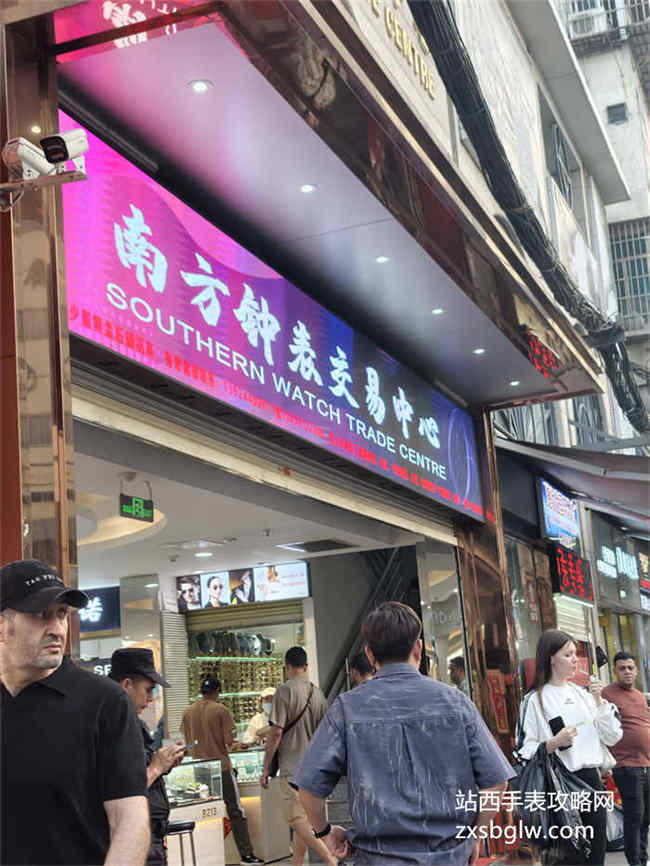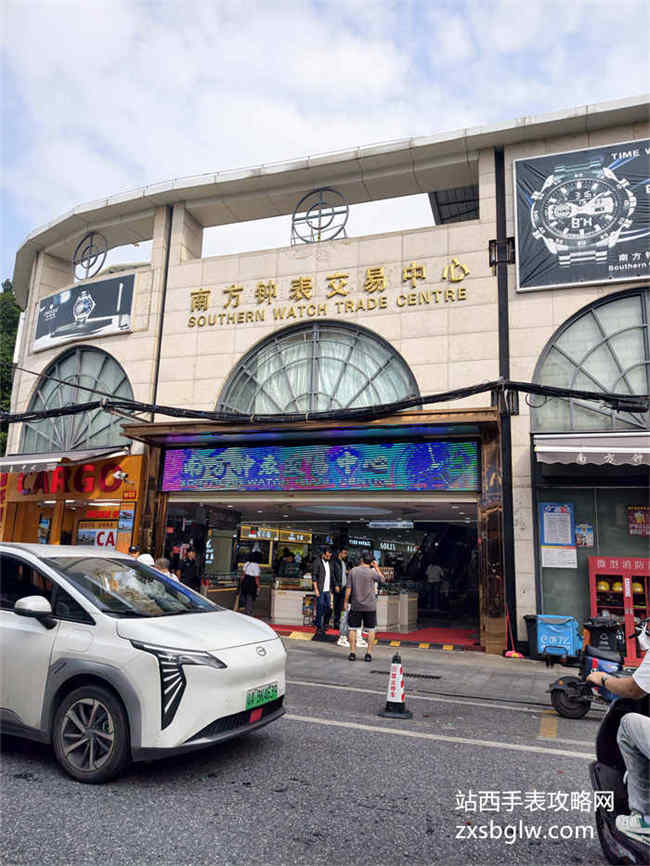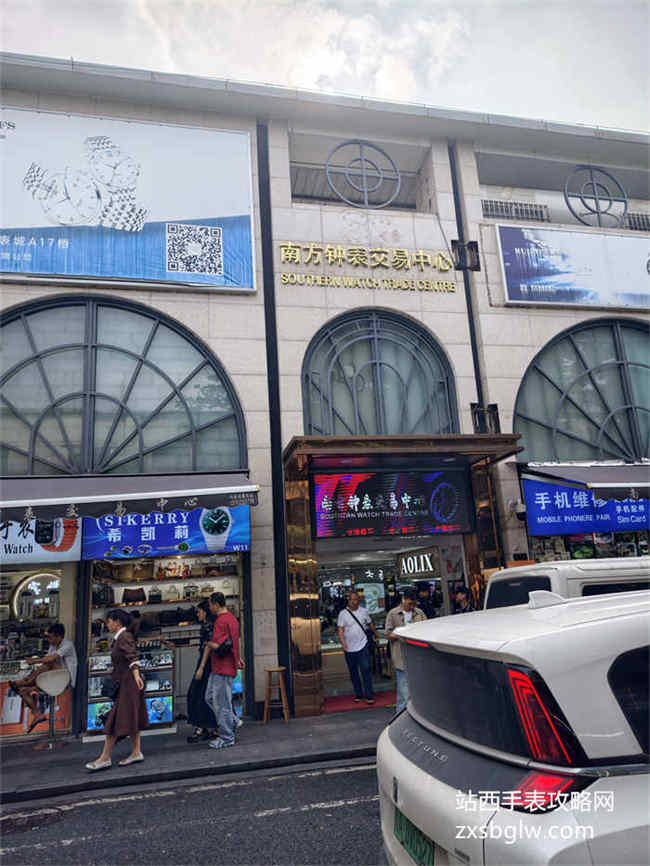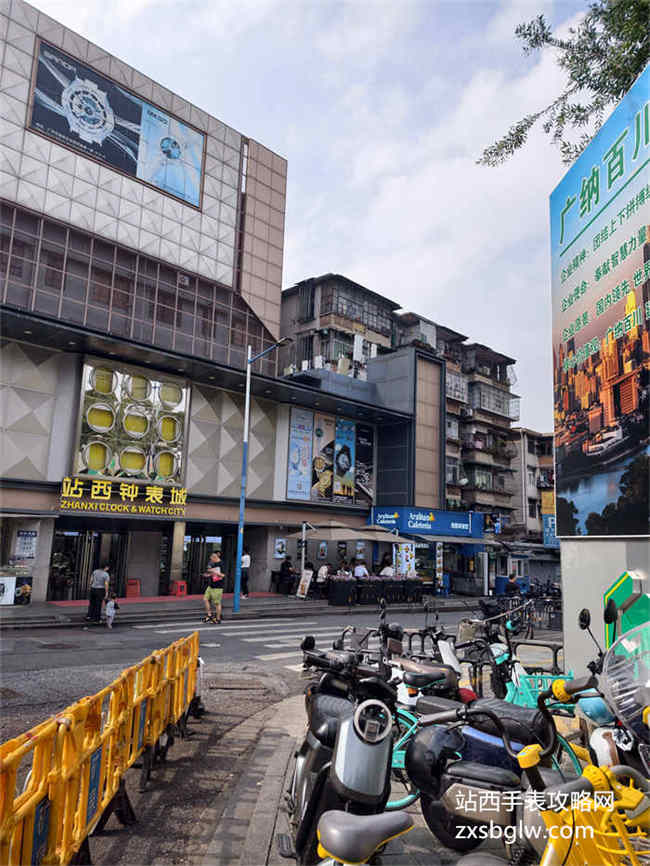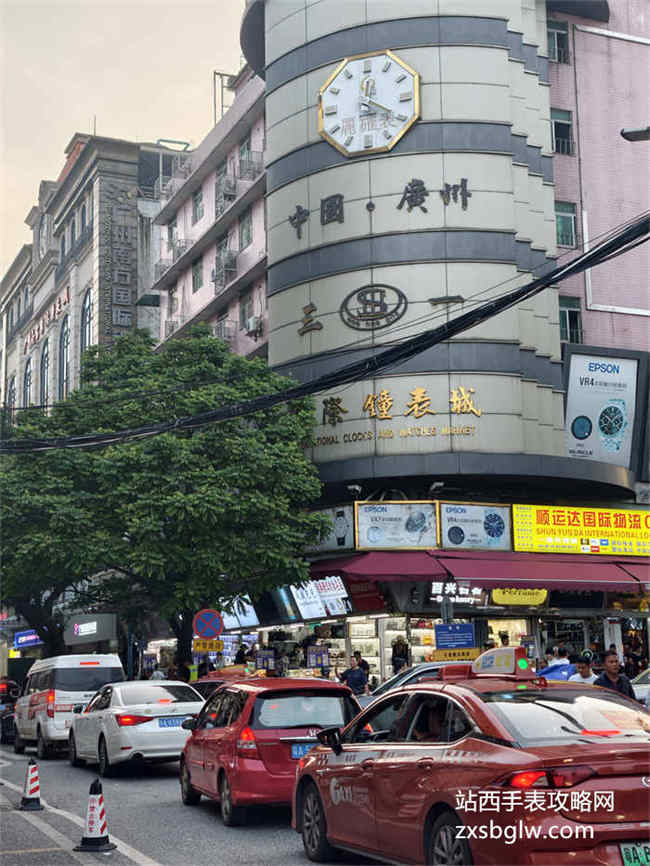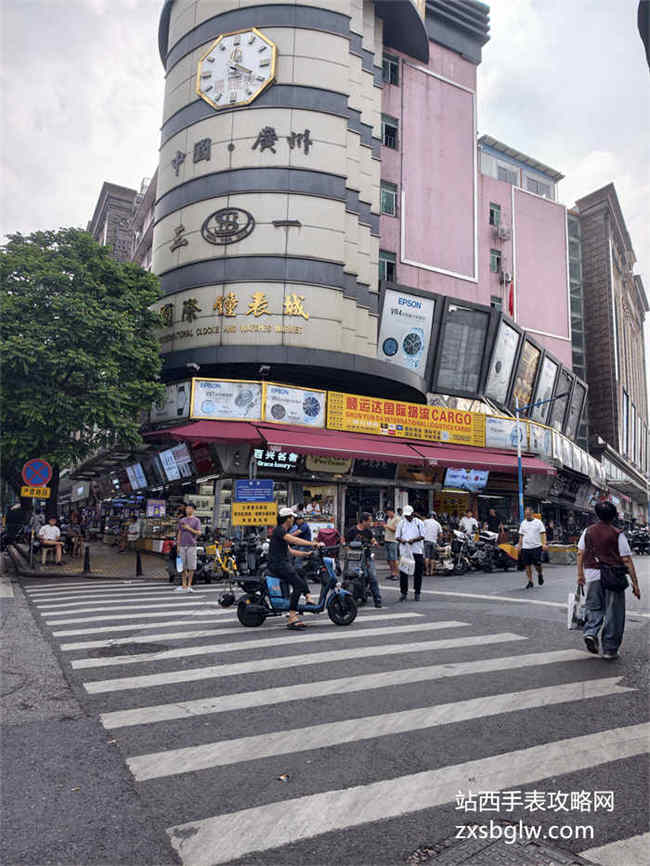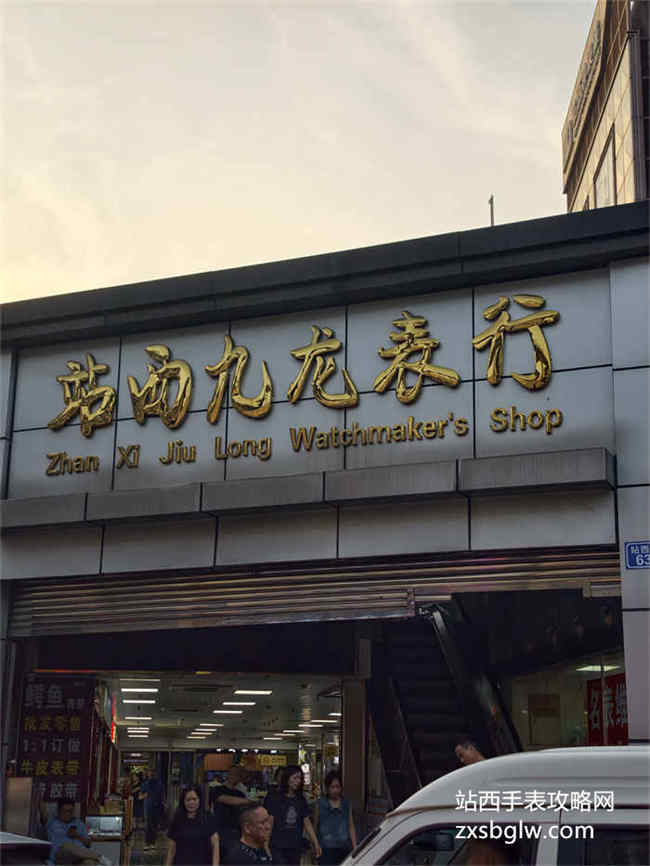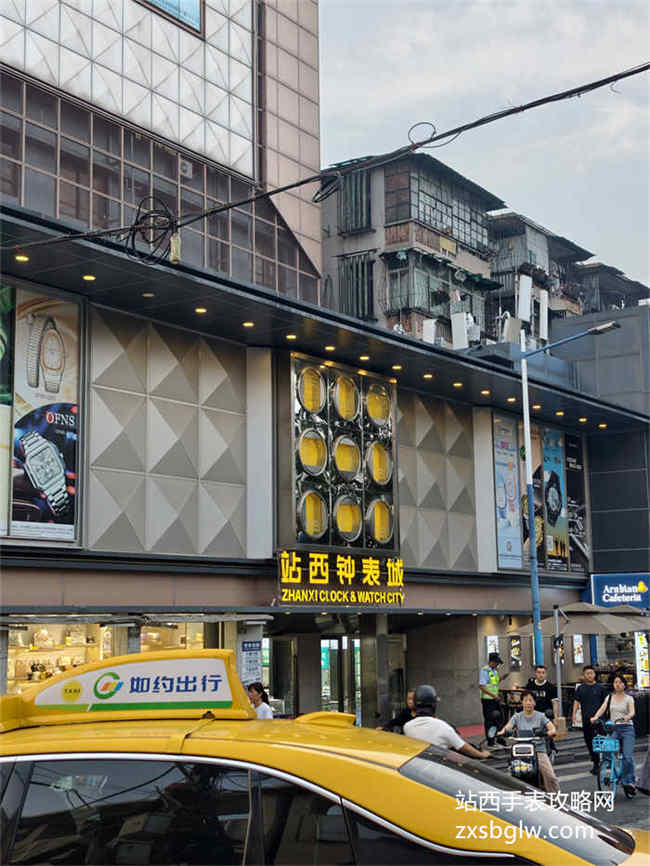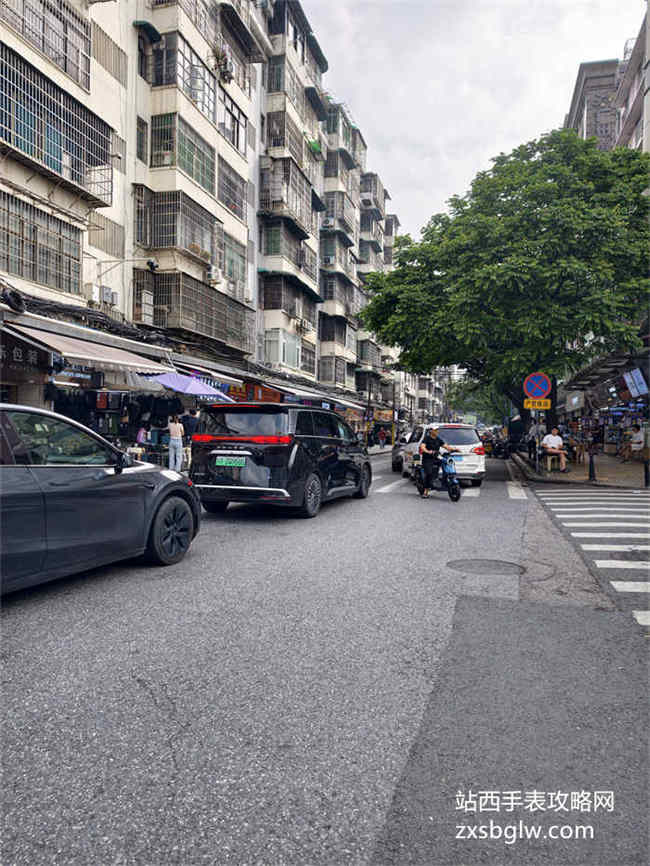
The Real Pulse of Guangzhou: Why I Still Stand at the West Station
Listen, if you are reading this thinking you can just order a "luxury replica" from a website and expect it to be perfect, you are already losing money. I have been standing in the West Station market here in Guangzhou for over fifteen years. My feet know every crack in the floor tiles of the Da Dong Building better than my own face. People ask me all the time, "Why go to China? Can't I just buy online?" The answer is simple: because the internet shows you what they want you to see, but the West Station shows you what actually exists.
When I talk about Guangzhou West Station watch market, I am not talking about the tourist traps or the fake luxury stores on the street level. I am talking about the back alleys, the crowded corridors on the 3rd and 4th floors, and the specific counters where the real wholesale action happens. This is where the supply chain breathes. If you want to source high-quality timepieces, you need to understand that this isn't a retail experience; it is a battlefield of negotiation, inspection, and trust.
Navigating the Labyrinth: Where to Actually Go
First things first, stop looking at Google Maps for the "best" location. The map doesn't show you which building has the best stock for your specific budget. The West Station is a massive ecosystem. Most tourists get lost in the main plaza, but the real goods are hidden inside specific buildings like the Da Dong Building (Dadong) and the nearby Shengli Building. Let me give you the layout so you don't waste your flight.
The Hierarchy of Buildings
If you are looking for top-tier replicas that use sapphire crystals, Swiss movements, and 904L steel, you need to head straight to the upper floors of the Da Dong Building. Specifically, look for the shops on the 4th and 5th floors. These aren't the flashy storefronts with neon lights; they are often unmarked doors or small counters tucked behind a curtain of hanging clothes. I remember one specific counter on the 4th floor, near the elevator shaft, run by an uncle named Old Chen. He doesn't have a sign, but his stock is legendary. He deals exclusively with the "1:1" grade, nothing less. If you walk past him, you are missing out on the gold standard.
On the other hand, if you are looking for mid-range options—good quality but more affordable—you should hit the Shengli Building. The ground floor there is mostly retail, but the basement and the second floor hold the wholesalers who deal in bulk. Here, you will find the "super clone" category. It's important to know the difference between these two zones. One is for precision engineering, the other is for volume and value.
The Art of Inspection: Don't Trust Your Eyes Alone
This is where most overseas buyers fail. They think a photo looks good, so they pay. In the West Station, we have a saying: "The eye sees the surface, the hand feels the truth." When you are standing in front of a counter, do not just look at the dial. You need to bring a loupe. A cheap magnifying glass from a pharmacy works fine.
Checking the Movement and Weight
Let's talk about the movement. Many sellers will tell you they have "Swiss ETA" movements. Be careful. In the West Station, the term "ETA" is often used loosely. Some are genuine, some are clones, and some are Chinese automatic movements disguised as Swiss. To verify, you need to open the case back. If the seller refuses, walk away. That is a red flag. I once saw a buyer pay $800 for a watch that looked perfect until he opened the back and found a generic Chinese movement ticking at a weird speed. The weight is another clue. High-quality steel watches feel heavy. If it feels light as a feather, the metal is likely plated brass or low-grade alloy.
I also recommend checking the engraving. On the clasp and the case back, the font should be sharp, deep, and consistent. Cheap fakes have laser etching that looks fuzzy under a loupe. At the counter, I always ask the owner to show me three different angles of the same model. If the engraving changes depth or style between the three, it means they are mixing batches or using different molds. Consistency is key.
Negotiation and Sourcing: How to Get the Real Price
You cannot walk into a shop in West Station and expect to pay the "retail" price listed on their phone screen. That is the starting point for negotiation. The culture here is aggressive but fair. If you act like a tourist, you will get ripped off. If you act like a buyer, you get respect.
The "Bulk" Mindset
Even if you are buying just one piece, you must negotiate as if you are buying ten. Start by asking for the "wholesale price" or the "dealer price." Do not mention your country or your budget immediately. Let them guess. once they give you a number, counter-offer with 60% of their asking price. Yes, 60%. It sounds crazy, but in the West Station, the initial quote is usually inflated by 50% to 70% to leave room for haggling.
Here is a real scenario: A watch is quoted at $500. I would start at $300. We argue for five minutes. Then I say, "I am serious, I need this today, but I can only do $350." Usually, they will meet you at $380 or $390. If they refuse to budge, it means the price is already tight, or the item is low quality. Never accept the first price. Also, always ask for a warranty card or a receipt that states the return policy. Even though many transactions are cash-based, having a paper trail helps if the watch arrives damaged.
Pitfalls to Avoid: What I Learned the Hard Way
I have seen thousands of people come and go. Some make mistakes that cost them hundreds of dollars. Here are the biggest traps I have seen in the West Station market.
The "Customs" Trap
Many buyers worry about customs seizures. While I cannot advise on how to bypass laws, I can tell you that shipping methods matter. Do not ship via standard post. Use a reliable courier that offers "DDP" (Delivered Duty Paid) services. Many vendors in the West Station have relationships with logistics companies that specialize in handling sensitive goods. Ask your vendor specifically about their shipping partner. If they suggest a random DHL account without tracking, run. Always insist on a trackable service with insurance.
The "Sample" Switch
Another common trick is the sample switch. You inspect a beautiful watch on the counter, agree to buy it, and then the vendor hands you a box. Inside, the watch looks slightly different. The color is off, or the bracelet links are loose. This happens when the vendor runs out of stock and tries to pass off a lower grade. To prevent this, take photos of the serial numbers and specific details of the watch you inspected before you pay. When the package arrives, compare it immediately. If it doesn't match, you have proof.
Summary of Key Locations and Strategies
To wrap up, sourcing from Guangzhou West Station is not just about buying a watch; it is about understanding the supply chain. Here is a quick reference guide based on my years of experience:
| Location | Best For | Floor Recommendation | Price Range Strategy |
|---|---|---|---|
| Da Dong Building | High-end 1:1 Replicas, Sapphire, Swiss Movements | 4th & 5th Floor (Back Corridors) | Negotiate hard; expect $300-$600 range |
| Shengli Building | Mid-range, Volume, Good Quality Steel | basement & 2nd Floor | Lower entry price; focus on bulk discounts |
| Street Level Shops | Tourist Traps, Low Quality | Ground Floor Only | Avoid completely unless you want to be scammed |
Remember, the West Station is dynamic. New shops open, old ones close, and trends shift weekly. But the core principle remains: trust your eyes, test the product, and never settle for the first offer. If you follow these steps, you will find that the Guangzhou West Station watch market is indeed the best place in the world to source timepieces. It takes effort, yes, but the reward is getting products that are far superior to anything you can find online without ever stepping foot in China.