Why I've Been Selling Watches at Guangzhou Zhanxi for Over a Decade
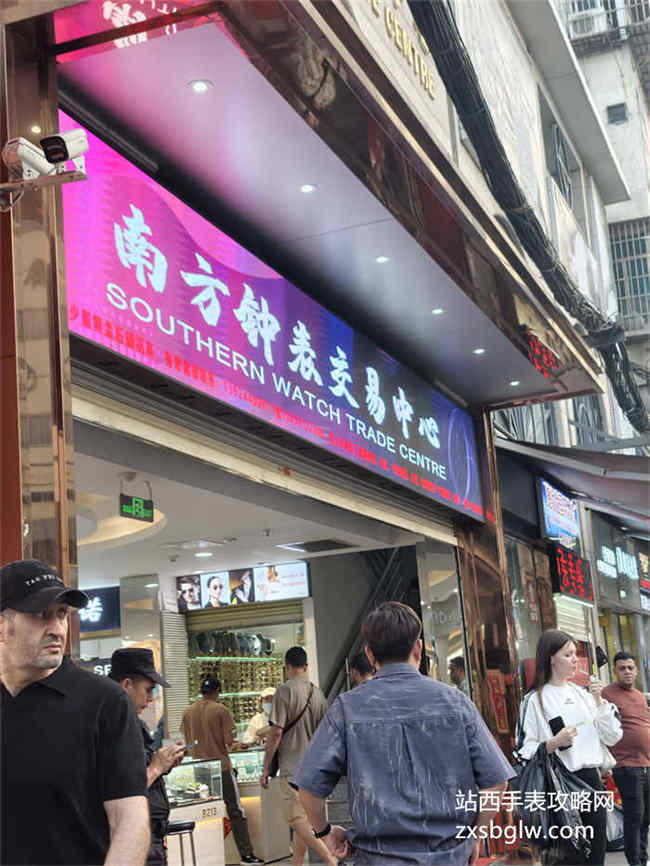
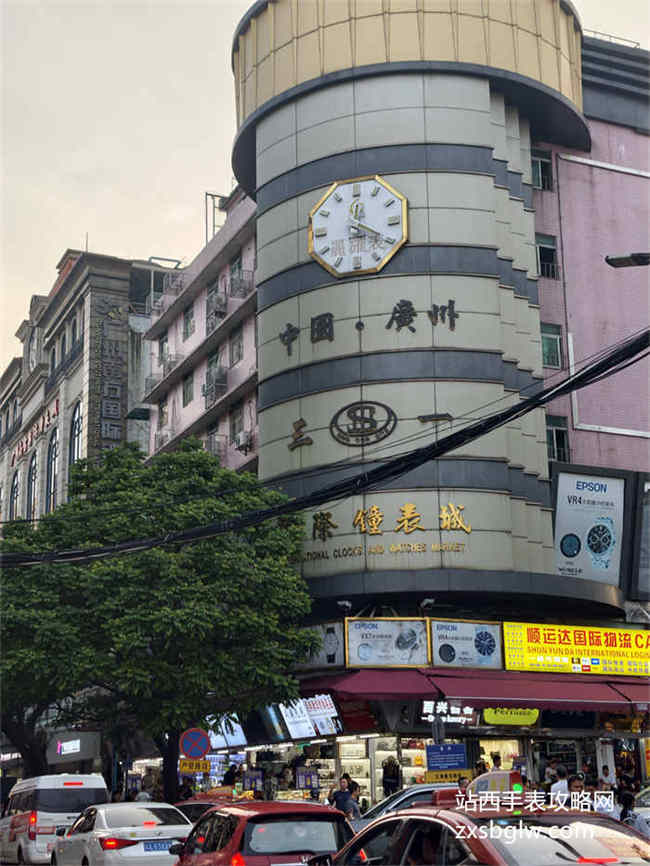
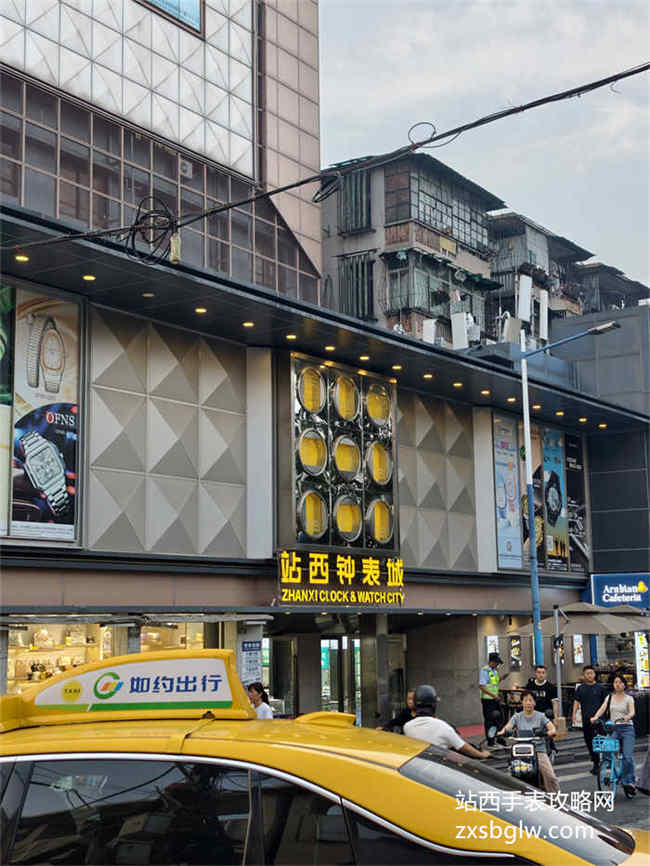
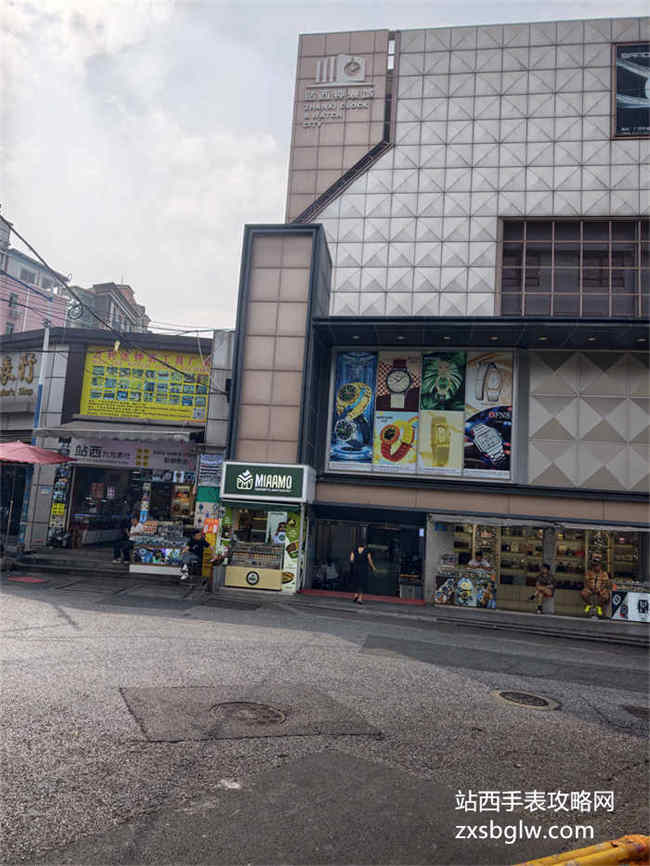
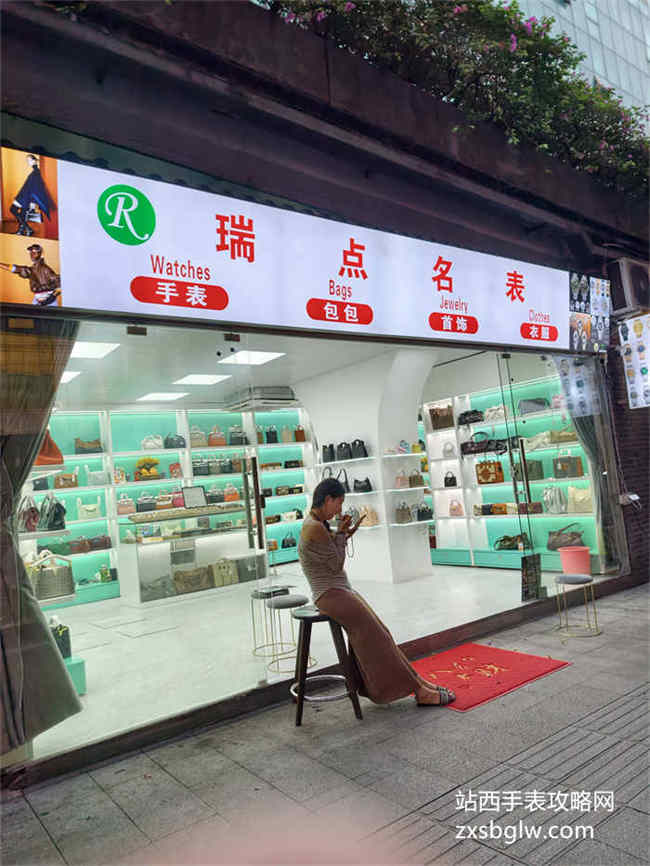
If you are reading this, you probably think the watch market in Guangzhou is just a maze of fake goods and scams. Let me tell you something: that's half true, but it misses the real story. I have been standing behind my counter at the West Station (Zhanxi) wholesale market for twelve years now. My shop is right near the exit of the Metro station, where the air always smells like fried noodles and expensive leather. I have seen thousands of buyers come and go. Some walk in with a clear plan and leave with a truckload of inventory. Others get confused by the noise, buy the wrong stuff, and lose money before they even catch their flight home.
The truth is, the Zhanxi market is not about selling "fake" watches to tourists. It is a massive industrial hub where the world's most ambitious watch brands source their movements, cases, and straps. When people talk about Guangzhou Zhanxi watch market, they are talking about the engine room of the global timepiece industry. If you want to succeed here, you need to stop thinking like a tourist and start thinking like a buyer. You need to know which floor has the best quartz movements, which alleyway holds the top-tier Swiss clones, and how to spot a factory that actually cares about quality control versus one that just wants your deposit.
Navigating the Physical Market: Where to Go and What to See
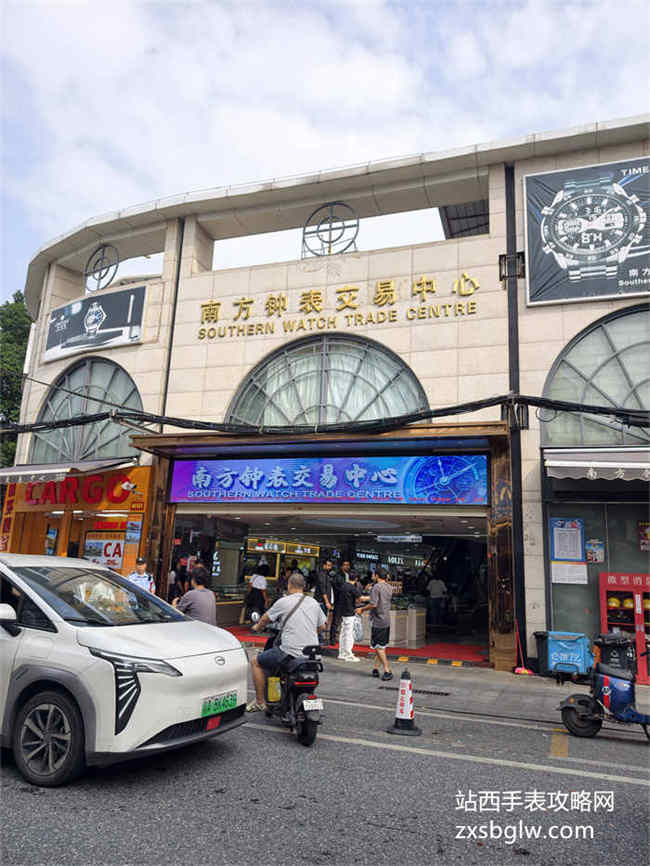
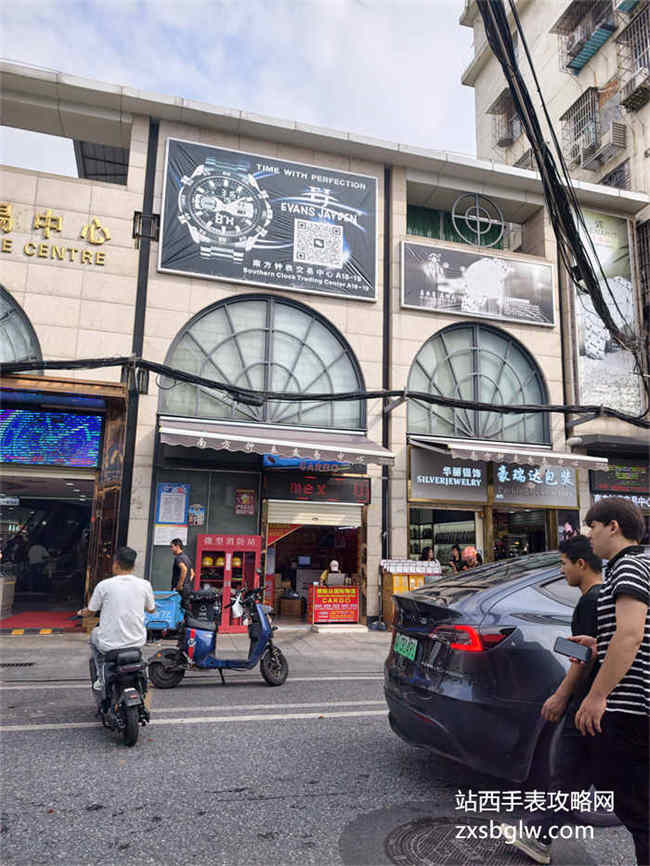
First things first: do not rely on Google Maps or WeChat screenshots alone. The Zhanxi market is a living organism that changes every few months. When I guide new international buyers through the complex, we usually start at the famous Tianyuan Building. This is the heart of the operation. But if you only look at the ground floor, you are missing 80% of the action.
The Upper Floors Hold the Real Gems
Many first-time visitors make the mistake of staying on the lower levels where the flashy displays are. They see the gold-plated Rolex replicas and think that is all there is. In reality, the magic happens on floors three through five. That is where the serious manufacturers keep their sample rooms. I remember a client from Dubai who wanted high-end automatic movements. He was ready to pay $50 per unit. On the ground floor, he was quoted $15. But when we went up to the third floor of the Tianyuan Building, specifically to the corridor near the stairwell, we found a small booth that had been supplying factories for twenty years. They showed him a movement that cost them $45 to build but looked identical to the original. That is the difference between a street vendor and a supplier.
The Hidden Alleys of Dongda Plaza
Another critical location is the Dongda Plaza area. While Tianyuan is for the big players, Dongda is where the niche styles live. If you are looking for vintage-inspired pieces or specific luxury brand homages that aren't mass-produced, you need to walk the narrow alleys connecting these buildings. I once helped a buyer from Brazil find a specific model of a diver watch that no one else could source. We walked past ten dead-end stalls before finding a tiny workshop in the back of a building that specialized in titanium cases. They didn't have a sign; they just had a pile of samples on a table. That is the kind of place you need to find.
The Art of Inspection: How to Spot Quality Before You Pay
When you are standing in front of a stall owner, the conversation is never just about price. It is about verification. In the Guangzhou Zhanxi watch market, the term "quality" is subjective unless you know what to look for. I always tell my clients to bring a loupe and a magnetic field tester. Here is my personal checklist that I use every single day.
Checking the Movement: The Heart of the Matter
The movement is everything. A beautiful case with a cheap movement is a toy. A plain case with a Seagull ST9000 or a Miyota 9015 clone is a tool. When I inspect a watch, I open the case back immediately. I look for the finishing. Are the gears polished? Is the rotor balanced? I remember a time I bought a batch of watches for a client in London. The seller claimed they were using "Swiss ETA clones." I opened the first one, and the rotor was stamped with a logo that didn't exist. I walked out, told the seller to stop, and we moved to a different booth. That saved us weeks of returns later. Always ask to see the movement under a microscope if possible. If they refuse, run.
The Case and Strap: Feel the Weight
Weight tells a story. Cheap zinc alloy feels light and hollow. High-quality stainless steel feels heavy and cold to the touch. I have a rule: if a watch weighs less than 150 grams for a full steel diver, it is likely made of inferior materials. Also, check the clasp. Does it snap shut with a satisfying click? Does the engraving on the clasp look sharp or blurry? These details separate the $20 watches from the $200 ones. I once saw a buyer ignore the strap quality because the dial looked perfect. The strap broke after two days. That is why I always emphasize checking the entire package, not just the face.
Negotiation Tactics and Avoiding Common Pitfalls
once you have selected your items, the negotiation begins. This is where many foreigners fail. They try to bargain too hard or not hard enough. In Zhanxi, the price is rarely fixed. It depends on volume, payment terms, and your relationship with the seller.
The Power of Volume and Repeat Orders
I have learned that the best deals come from showing intent to return. If you say, "I will buy 50 units today," the seller might give you a discount. But if you say, "I will buy 50 units today and 500 next month," the price drops significantly. I always advise my clients to be honest about their long-term plans. Sellers respect transparency. They know that a one-off buyer is a risk, but a repeat customer is an asset. For example, a typical markup for a mid-range automatic watch in Zhanxi is around 30-40%. If you order 100 units, you can negotiate that down to 20%. If you order 1,000, you might get it for 10%. The math is simple, but the psychology is key.
Avoiding the "Sample Trap"
One of the biggest mistakes I see is the "sample trap." A seller shows you a perfect prototype, takes your deposit, and then sends you a box of junk. This happens often with new buyers who don't know the process. To avoid this, always insist on a "pre-production sample" that matches the final batch exactly. I recommend paying a small fee for a custom mold if you are ordering a unique design. This ensures the factory knows you are serious. Also, never pay 100% upfront. A standard practice in the Guangzhou Zhanxi watch market is 30% deposit and 70% before shipment. If a seller demands 100%, they are either a scammer or they are desperate for cash flow.
Summary of Key Strategies for Success
To wrap up, sourcing from Guangzhou Zhanxi requires patience, knowledge, and a bit of street smarts. It is not a place for quick fixes. It is a place for building relationships. Here is a quick summary of the strategies I have shared:
| Strategy | Actionable Tip | Common Mistake to Avoid |
|---|---|---|
| Location | Focus on floors 3-5 of Tianyuan and hidden alleys of Dongda. | Staying only on the ground floor where prices are inflated. |
| Inspection | Use a loupe to check movement finishing and weigh the case. | Ignoring the strap and clasp quality. |
| Negotiation | Leverage volume and future orders for better margins. | Paying 100% upfront without a contract. |
| Relationships | Treat sellers as partners, not just vendors. | Being rude or overly aggressive during bargaining. |
Remember, the Guangzhou Zhanxi watch market is a dynamic ecosystem. The suppliers change, the trends shift, but the fundamentals of quality and trust remain constant. If you approach this market with respect and a willingness to learn, you will find opportunities that no online platform can offer. I have seen countless businesses grow from a single visit to a multi-million dollar enterprise. All it took was the courage to step into the market, look closely at the details, and build the right connections. So, pack your bags, bring your loupe, and let's get to work.