The Real Talk on Guangzhou Zhanxi Watch Packaging
Welcome to the trenches. I've been standing behind this counter in the Zhanxi market for over fifteen years, watching the dust settle and the trends shift from vintage Seikos to the latest "super clones" that look identical to the Swiss giants. You are probably reading this because you want to source watches from China, but you are terrified of getting scammed or receiving a box full of junk. Let me tell you something: the packaging is not just about the box; it's the first handshake between your brand and your customer. In Zhanxi, we don't sell watches; we sell the entire experience, starting with how it arrives at your doorstep.
Why Packaging Defines Your Margin
Most overseas buyers think they can buy a watch for $50 and sell it for $500. They forget that if the packaging looks cheap, the perceived value drops instantly. When I talk to new clients, I always ask them what their target price point is. If they say $100, I tell them to stop looking at the standard white boxes used by street vendors. Those boxes scream "cheap." In the Zhanxi market, specifically around the 4th floor of the Zhanxi International Building, there are specialized packaging suppliers who work directly with the top-tier factories. They offer custom inserts, magnetic closures, and even leather-wrapped cases that cost only $2 more per unit but allow you to charge double.
Navigating the Physical Market: A Day in the Life
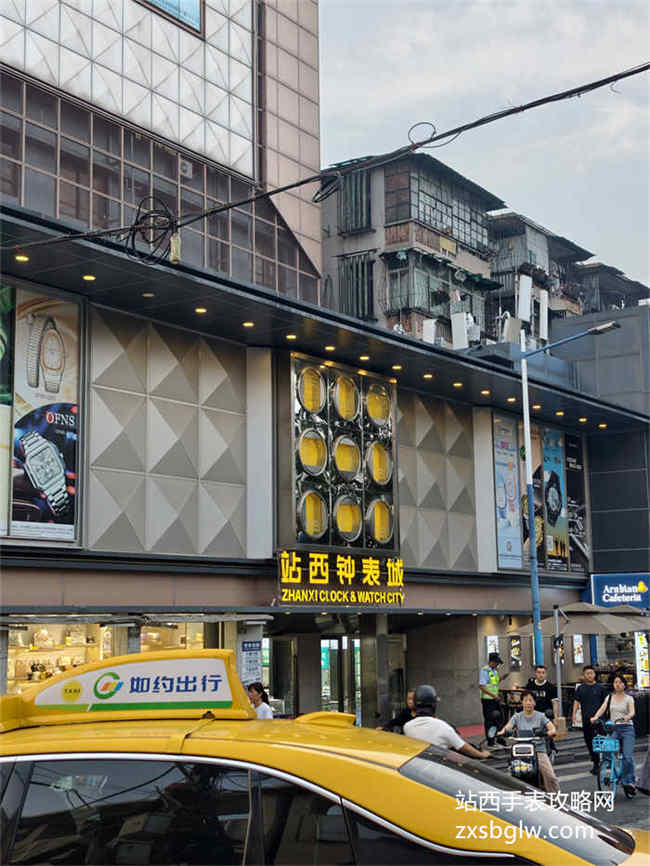
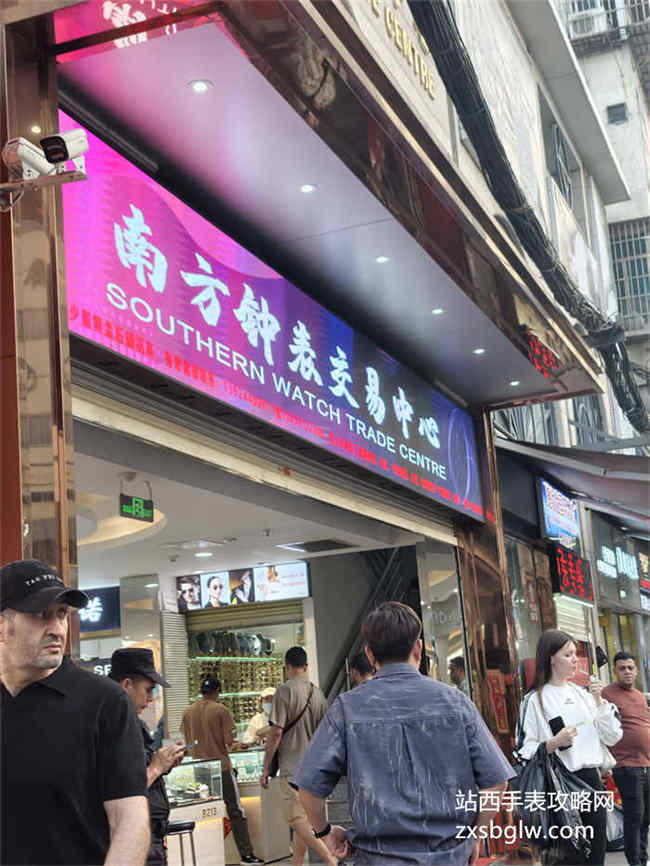
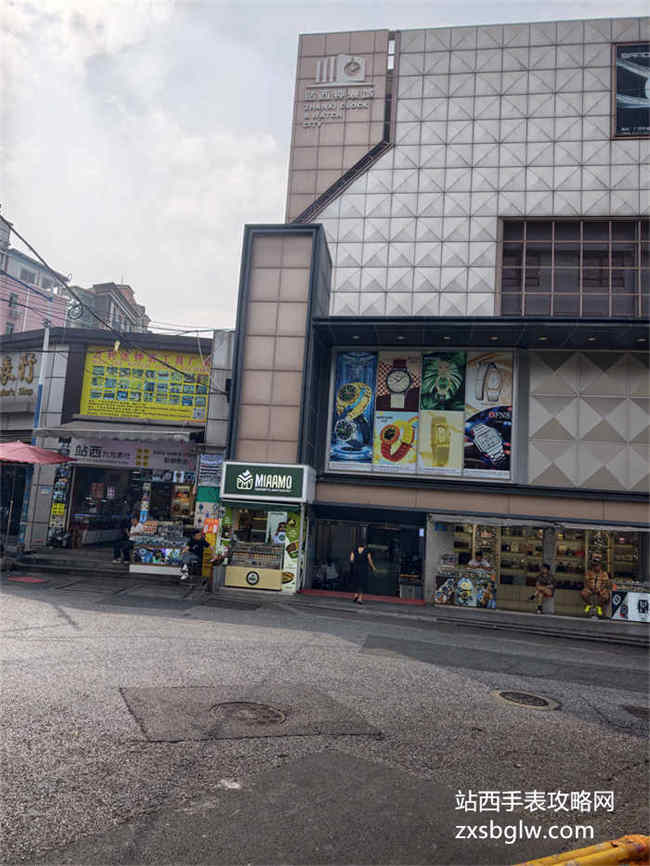
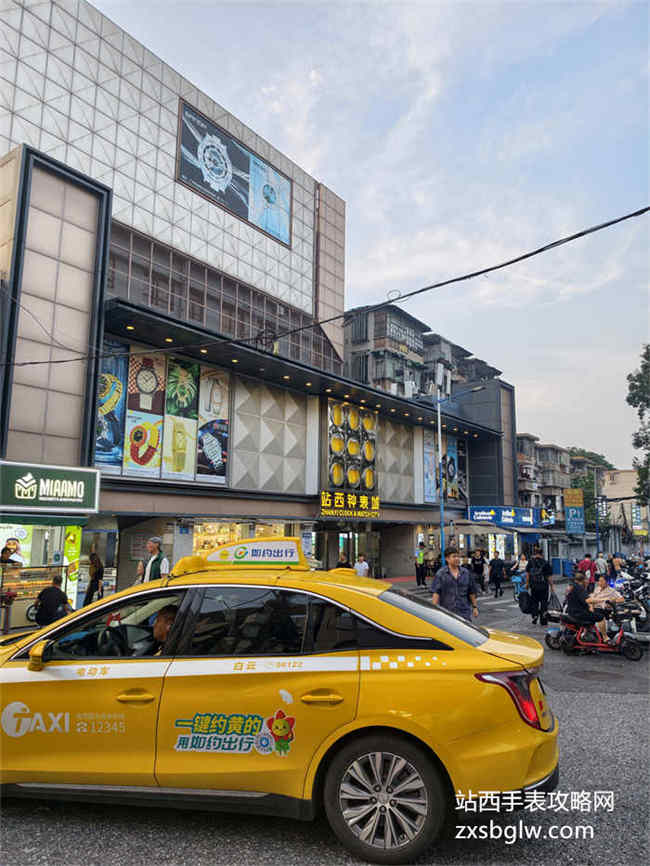
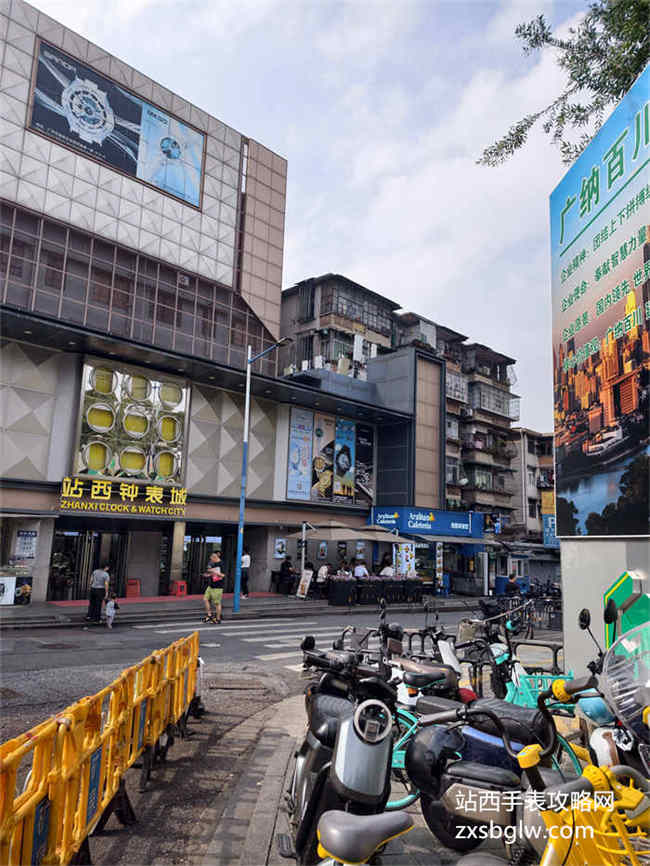
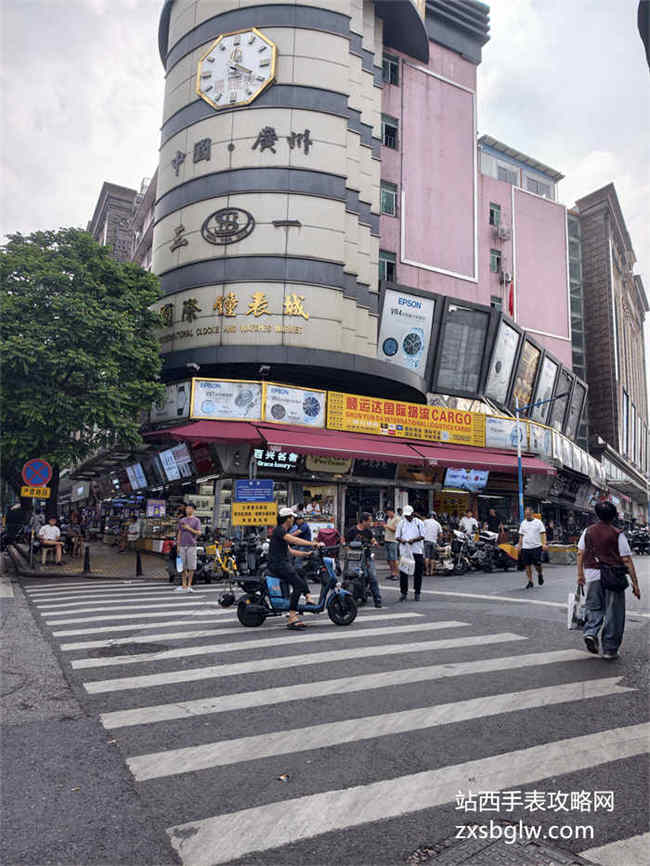
You cannot source high-quality goods from Zhanxi purely online. The internet is full of photoshopped images that hide the flaws. You need to be here, walking the aisles, feeling the weight of the metal, and smelling the glue on the boxes. My advice? Start early. The market opens at 9 AM, but the real action happens by 10:30 AM when the factory reps arrive with fresh stock.
The Art of the Factory Visit
Don't just walk into a random stall. Go to the specific zones known for high-end replication. For instance, if you are looking for Rolex-style packaging, head to the stalls near the entrance of the building where the heavy-duty machinery hums. These aren't just resellers; they are often the direct distributors for the factories in Dongguan and Shenzhen. I remember one time, a client wanted to order 500 units. He tried to negotiate based on a photo he saw on WeChat. I told him to wait. We went to the workshop, and I showed him the difference between a machine-pressed logo and a hand-stamped one. The machine version was perfect but felt hollow. The hand-stamped one had depth. That small detail is what separates a $20 watch from a $200 watch.
Selecting the Right Box Materials
When discussing packaging, we talk about materials like PU leather, genuine leather, and hard plastic. In Zhanxi, the term "Zhanxi watch packaging" has evolved. It's no longer just about the outer shell. It's about the interior lining. High-end stalls now use velvet or microfiber that doesn't scratch the crystal. I once saw a batch of watches returned because the foam insert was too soft, causing the watch to slide around during shipping. The lesson? Always request a sample pack before placing a bulk order. Ask for three different types of boxes: a budget option, a mid-range option, and a premium option. Compare the weight, the smell of the glue, and the tightness of the fit.
Inspection and Quality Control: Don't Skip This Step
This is where most people fail. They pay the deposit, wait two weeks, and then receive a container full of damaged goods. In my experience, the best way to avoid this is to implement a strict inspection protocol right here in the market. Before the goods leave the stall, you must open every single box. Check the hinges, the magnets, and the alignment of the logo. I have a rule: if one box is defective, reject the whole batch. Why? Because if you get one bad review from a customer who received a broken box, you lose trust for good.
The Hidden Costs of Shipping
Many buyers underestimate the shipping costs associated with bulky packaging. A standard watch box might weigh 200 grams, but add the manual, the warranty card, the extra cushioning, and the outer carton, and you are looking at significant volume. In Zhanxi, we often advise clients to use "flat-pack" designs for international orders. This reduces the shipping volume by up to 40%. However, this requires a specific type of packaging that folds flat and snaps together upon arrival. Not all stalls offer this, so you have to find the ones that specialize in export-ready packaging. I recommend asking for the "export standard" package which includes reinforced corners and moisture-proof bags inside the box.
Building Relationships with Local Suppliers
The secret sauce of Zhanxi is the relationship. If you treat the stall owners like strangers, you will get stranger prices. If you treat them like partners, they will give you access to the best inventory. I always bring tea when I visit. It sounds cliché, but in Chinese business culture, sharing a cup of tea breaks the ice. once the barrier is down, they start showing you the "hidden gems"—the watches that haven't hit the market yet and the packaging options that are exclusive to regular customers.
Negotiating Terms and MOQ
Let's talk numbers. For a first-time buyer, the Minimum Order Quantity (MOQ) for custom packaging is usually around 500 units. Some smaller stalls might accept 100, but the quality won't match. If you are serious about building a brand, aim for the 500-unit mark. Negotiate the price per unit, but also negotiate the lead time. During peak seasons, like before Christmas or Black Friday, production lines slow down. I always advise my clients to place orders at least six weeks in advance. If you rush, you end up paying a premium for expedited shipping, which eats into your margins.
Common Pitfalls to Avoid
I have seen too many businesses crash because they ignored the basics. One common mistake is ignoring the "Made in China" label requirements for your target country. Some countries have strict labeling laws. Another mistake is choosing a design that is too trendy. Trends change fast in Zhanxi. What is hot today might be dead next month. Stick to classic designs that have longevity. Also, never skip the sample phase. Even if the supplier says "we guarantee quality," test it yourself. Drop the box, open it, close it, and see how it feels.
Summary of Best Practices
| Aspect | Beginner Mistake | Pro Strategy (My Advice) |
|---|---|---|
| Packaging Material | Buying generic white boxes | Use custom PU leather with magnetic closure |
| Order Volume | Ordering 50 units for testing | Order 500 units for better pricing and consistency |
| Inspection | Checking only the outside | Open every box, check internal lining and hardware |
| Shipping | Ignoring volume weight | Request flat-pack designs to reduce freight costs |
| Supplier | Dealing via WeChat only | Visit the physical stall in Zhanxi to build trust |
So, there you have it. Sourcing from Guangzhou Zhanxi is not a game of luck; it is a game of preparation, observation, and relationship-building. The market is vast, chaotic, and incredibly rewarding if you know how to navigate it. Don't let the fear of scams hold you back, but do not be naive either. Come to the market, touch the products, talk to the owners, and make sure your packaging tells the story you want your brand to tell. That is the true art of the Zhanxi trade.