Why I've Been Selling Hublot Replicas in Guangzhou Station West for 15 Years
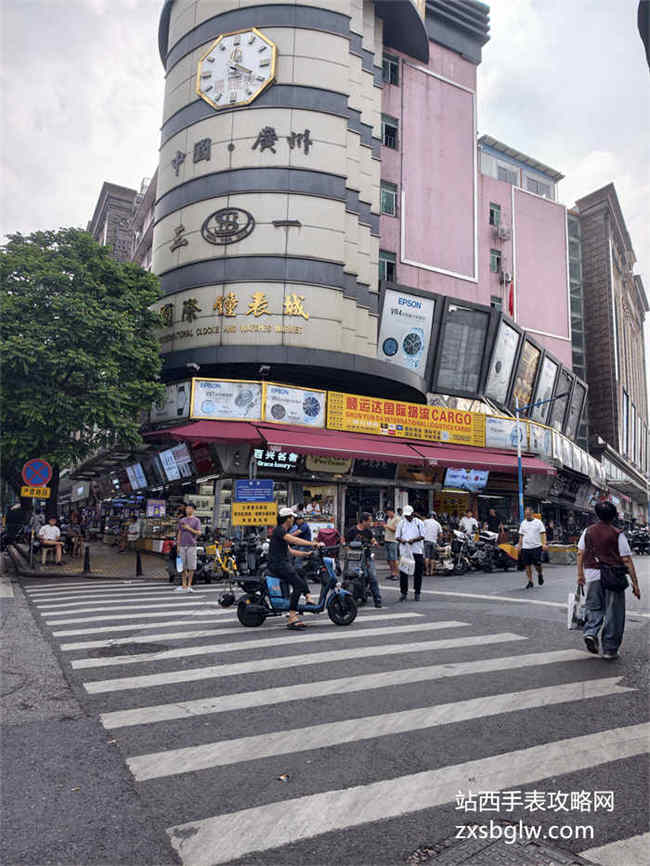
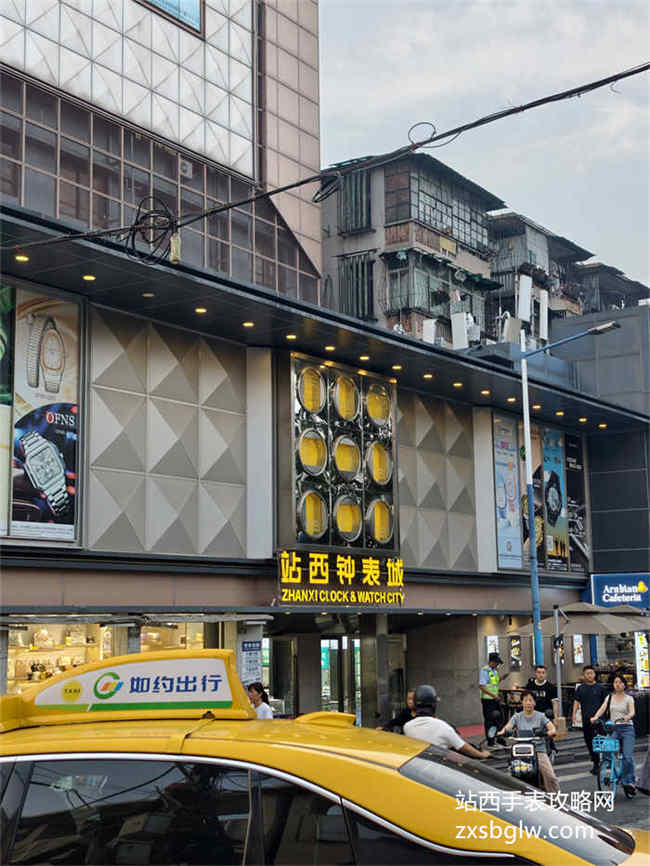
Listen, if you are reading this from the US or Europe and thinking about flying to China to buy luxury watches, stop. Don't just book a flight yet. You need to understand where the real action happens before you even step off the plane. For me, it's not about some fancy mall in Shanghai or a boutique in Beijing. It is all about the chaotic, electric, and incredibly profitable world of the Guangzhou Station West market. I have been standing behind my counter here since 2008, watching thousands of tourists walk by, looking confused, while serious buyers know exactly which corridor to take.
The term "Hublot replica" often gets thrown around on forums, but let's be honest: most people don't know what they are actually looking for when they say that. They see a picture online, they see the price, and they think they can get a factory direct deal. But the truth is, the quality gap between a $300 watch and a $3,000 watch is massive, and the difference between a $3,000 watch and a $15,000 original is... well, you know. My job has always been to help you bridge that gap without getting ripped off. This isn't a sales pitch; it's a survival guide based on fifteen years of dealing with international clients who thought they were smart until they walked into the wrong building.
Navigating the Labyrinth: Where to Actually Find the Good Stuff
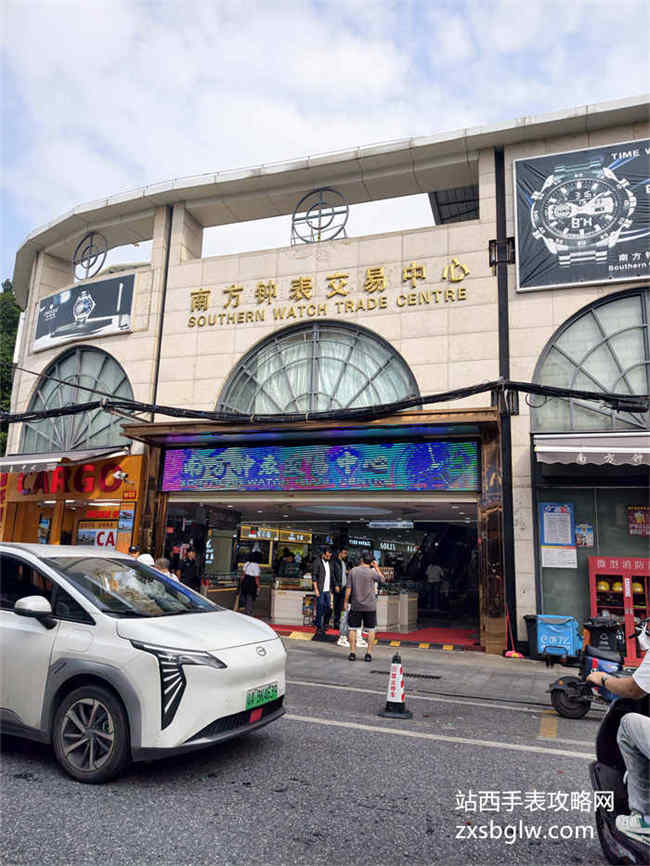
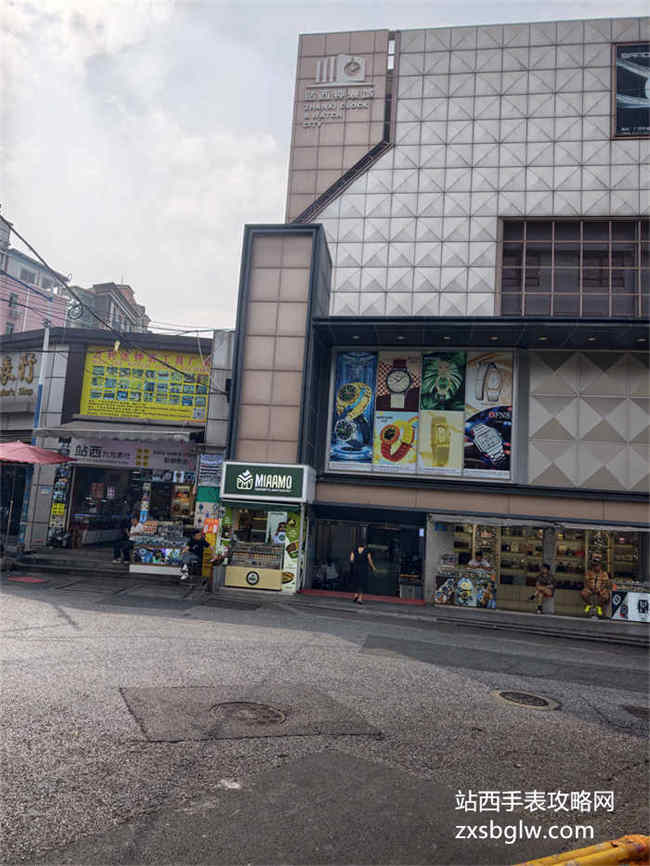
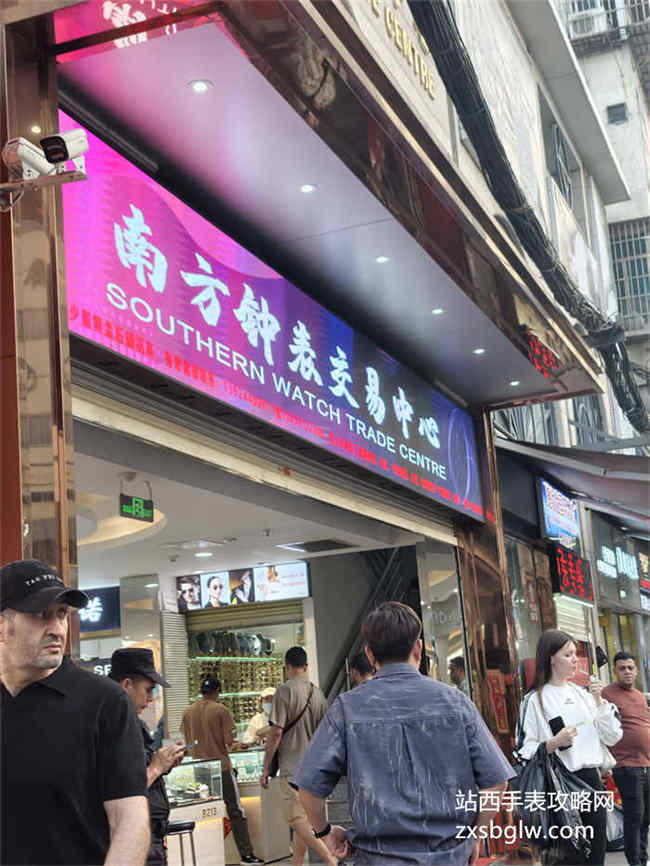
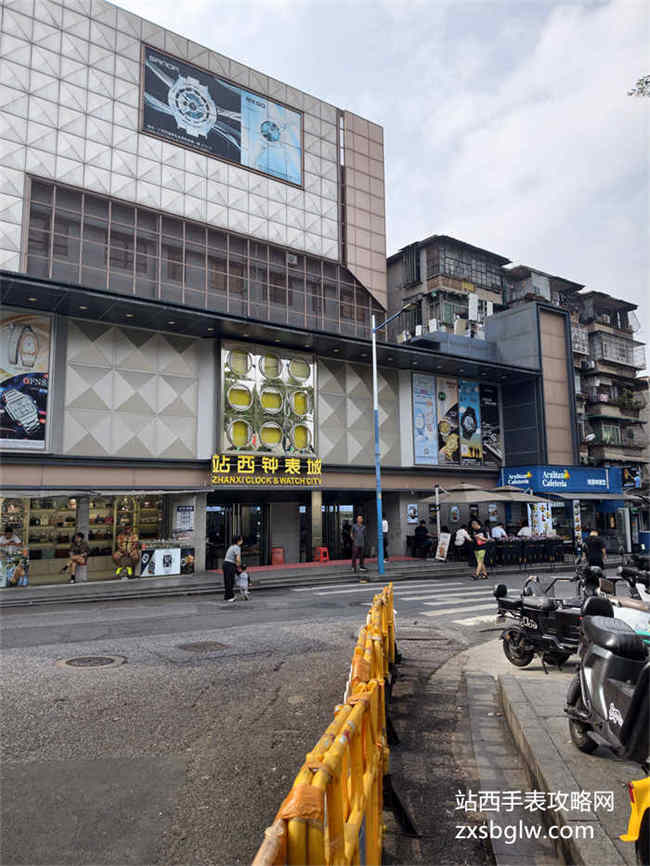
When you first arrive at the station west area, you will feel overwhelmed. There are hundreds of buildings, endless corridors, and signs in Chinese that mean nothing to you. If you ask a random security guard where the "best" watches are, they will point you to a tourist trap selling fake Rolexes made in a basement with no movement. You need to go straight to the core. The real hub of high-end replica trading, including the top-tier Hublot clones, is concentrated in specific buildings like the Da Dong Building and the nearby commercial complexes connected to the railway station.
The Golden Rule: Never Walk In Without a Local Guide
I cannot stress this enough. Do not try to navigate the maze alone. The layout changes every six months as vendors move stalls to avoid crackdowns. When I started, I used to lead foreign clients myself because I knew every corner. Now, I recommend hiring a local fixer who speaks English and knows the current floor plan. Why? Because the best stock is never on the ground floor. That is where the "tourist grade" stuff sits—cheap movements, plastic bezels, and logos that peel off after a week.
The real action is on the upper floors, specifically the 4th and 5th floors of the main wholesale buildings. These are the "showrooms" for the factories. Here, you won't find rows of identical boxes. You will find open tables with velvet pads, magnifying glasses, and stacks of papers. This is where the actual business happens. If you walk in alone, you will be treated like a customer who wants to buy one piece at retail price. If you come with a guide or a local contact, you are treated like a buyer who moves volume. The difference in price can be 30% to 50%. That is the margin I make, and that is the margin you save.
Inspection Time: How to Spot a Fake Hublot Before You Pay
Let's talk about the product itself. When I say "Guangzhou Station West Hublot," I am not talking about the cheap junk you see on AliExpress. We are talking about the "Super Clone" tier. These are the watches that use 7750 movements modified to look like the ETA 2892 or even the proprietary Hublot Caliber HUB1112. But how do you tell them apart? I have seen buyers spend thousands on a watch that looks perfect from a distance but falls apart in three months.
The Movement Test: Listen to the Heartbeat
The first thing I do when a client brings a watch to my counter is put it on the table and listen. A genuine Hublot has a very specific sound. The sapphire crystal case back allows you to see the movement, but even without that, the ticking rhythm is unique. Most low-end replicas use a generic Chinese movement that ticks loudly and erratically. The high-end ones we sell here use Swiss movements or highly modified Japanese movements that mimic the smooth sweep of the original.
Another critical detail is the ceramic bezel. Hublot is famous for its ceramic. On a cheap clone, the ceramic is painted on metal. Over time, the paint chips, revealing the silver underneath. On the good stuff we source from the factories in the Shiqiao area, the ceramic is molded and fired. It feels cold, heavy, and the color is consistent throughout. I once had a client who bought a "top quality" Hublot Big Bang from another vendor. He came back to me two weeks later because the black coating was peeling off the bezel. That was a $400 mistake he could have avoided if he checked the material density right there in the shop.
The Weight and Finish: Feel the Difference
You cannot fake weight. A genuine Hublot is heavy. It has a presence on your wrist. Many cheap replicas use hollowed-out cases to save money, making them feel light and flimsy. When you hold a proper clone from the Station West market, it should feel substantial. The brushing on the titanium or steel should be uniform. No scratches, no uneven lines. If you see any rough edges on the lugs or the crown, walk away. That is a sign of poor tooling.
I also check the dial printing. On the lower end, the text is slightly blurry or the font is wrong. On the high-end pieces, the printing is crisp, and the luminescence glows brightly in the dark. I keep a UV light in my pocket for this. If the lume doesn't glow, it's a fake, even if the rest looks okay. These details matter because they are the things that separate a watch you wear with pride from one you hide in a drawer.
The Negotiation Dance: Getting the Real Factory Price
once you have inspected the watch and decided it's the real deal, the negotiation begins. This is where most foreigners lose out. They think they can haggle down to $100. Let me tell you, the cost of materials alone for a high-quality Hublot clone is higher than that. The gold plating, the ceramic, the movement, the packaging—it all adds up.
Volume vs. Single Unit Pricing
If you are buying just one watch, expect to pay a premium. The vendors here operate on thin margins but high volume. If you want the absolute bottom price, you need to buy in bulk. However, for individual buyers, the strategy is different. I always advise my clients to show interest in multiple models. Say, "I'm interested in the Big Bang Unico and the Classic Fusion." This signals that you are a serious buyer, not a tourist looking for a souvenir.
In my experience, the best deals come from establishing a relationship. If you come back next month, you get better prices. If you become a regular, I might even give you access to the "secret" stock that isn't displayed on the shelves. These are the prototypes or the latest batches that haven't hit the general market yet. This is the kind of insider knowledge that keeps my business running for 15 years.
Avoiding the Scams: Red Flags to Watch For
There are scams everywhere in the market. Some vendors will offer you a "factory direct" deal but then try to switch the watch once you leave the store. Others will promise a warranty that means nothing. Always insist on seeing the watch in person before paying. Never transfer money via Western Union or crypto unless you trust the vendor implicitly. I always recommend using Alipay or WeChat Pay with a third-party escrow service if possible, or simply paying cash upon delivery of the goods.
Also, be wary of vendors who push you to buy "limited edition" colors that don't exist. They use scarcity tactics to make you buy quickly. Take your time. Look at the watch under a loupe. Check the serial numbers (even though they are fake, they should match the model). If something feels off, trust your gut. There are hundreds of other shops down the hall.
My Personal Experience: Lessons Learned the Hard Way
I remember a few years ago, a client from New York came to me wanting to buy a Hublot for his brother. He had read online that the "best" place was somewhere else, so he tried to negotiate with a vendor in a different building. He ended up paying double the price for a watch that broke within a month. He came back to me crying, asking for help. I fixed the watch, gave him a discount on a replacement, and taught him the ropes. That day, I realized that the value I provide isn't just the watch; it's the peace of mind.
Another lesson: The market changes fast. What was hot last year might be obsolete today. The demand for certain models shifts. I always keep an eye on the trends. Right now, the Classic Fusion is more popular than the Big Bang among younger buyers. If you are planning to resell, you need to know what is in demand. Don't buy what you think is cool; buy what sells.
Summary Table: Quick Reference for Buyers
| Aspect | What to Expect | Pro Tip |
|---|---|---|
| Location | Upper floors (4th-5th) of Da Dong Building | Never buy from ground floor tourist traps |
| Movement | Swiss or Modified Japanese (ETA/7750) | Listen for smooth sweep, not loud ticking |
| Material | Fired Ceramic, Solid Titanium/Steel | Check for chipping paint on bezels |
| Pricing | $300-$600 for high-end clones | Bulk orders get better rates; single units cost more |
| Payment | Cash, Alipay, WeChat Pay | Avoid crypto/Western Union for first-time buyers |
So, if you are ready to dive into the world of Guangzhou Station West Hublot watches, remember this: preparation is key. Don't just show up and hope for the best. Know what you are looking for, bring a guide, inspect the goods thoroughly, and negotiate with confidence. The market is tough, but it is also full of opportunities for those who know how to play the game. I have been doing this for 15 years, and I still learn something new every day. That is why I love this business. It is dynamic, challenging, and rewarding. If you follow these tips, you will walk away with a watch that looks and feels amazing, without breaking the bank. Welcome to the real world of watch trading.