Why You Need to Be in Guangzhou Station West for Real Watch Sourcing
I've been standing behind the counter at the Station West market in Guangzhou for over fifteen years. While you might see flashy videos on TikTok or Instagram showing "luxury replicas" being shipped overnight, the reality of sourcing here is far more grounded, gritty, and strategic. If you are an overseas buyer thinking about ordering watches from China without ever stepping foot in this district, you are already losing money before you even place your first order. The term Guangzhou Station West watch market isn't just a location; it's a living ecosystem where supply chains breathe, die, and evolve daily. I'm not going to give you some generic advice found on a corporate blog. I'm going to tell you exactly how we operate when the sun goes down and the real business begins.
The Myth of the online Catalog
Most foreign buyers try to source via WeChat catalogs or Alibaba listings. They send screenshots of a Rolex Submariner or an Omega Speedmaster and ask, "Can you make this?" My answer is always the same: "Show me the movement." In the physical market, specifically around the Station West watch wholesale district, quality is judged by weight, sound, and the finish of the case back. A photo can hide a cheap alloy casing that feels like plastic, or a cloned movement that ticks loudly. When you are physically here, you hold the watch. You feel the heft of the 904L steel versus the hollow feeling of 316L. You listen to the sweep of the second hand. This tactile experience is impossible to replicate online. I've seen buyers lose thousands of dollars because they trusted a high-resolution image of a "top tier" clone that turned out to be a mid-tier product with a fake sapphire crystal that scratches easily.
Navigating the Labyrinth: Where to Find the Good Stuff
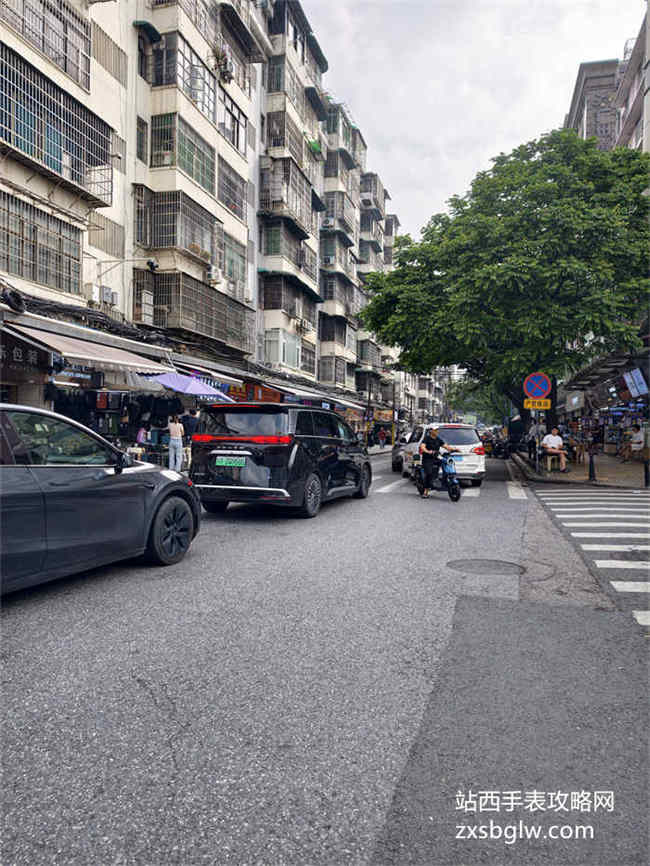
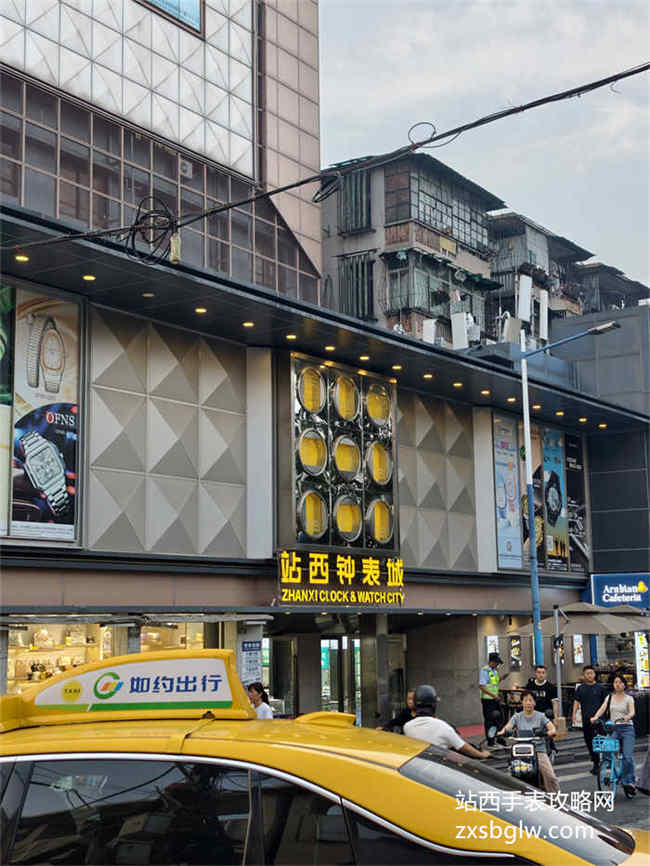
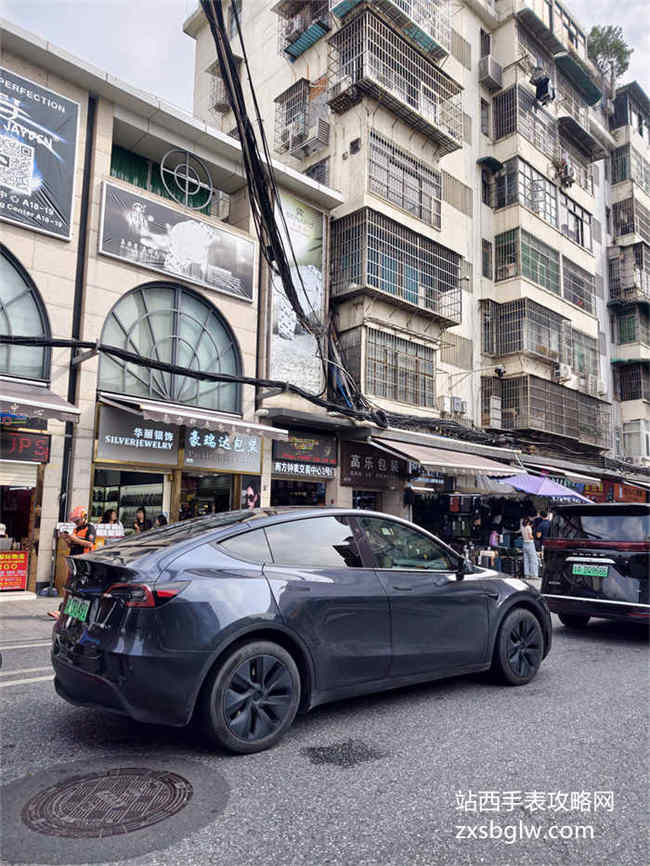
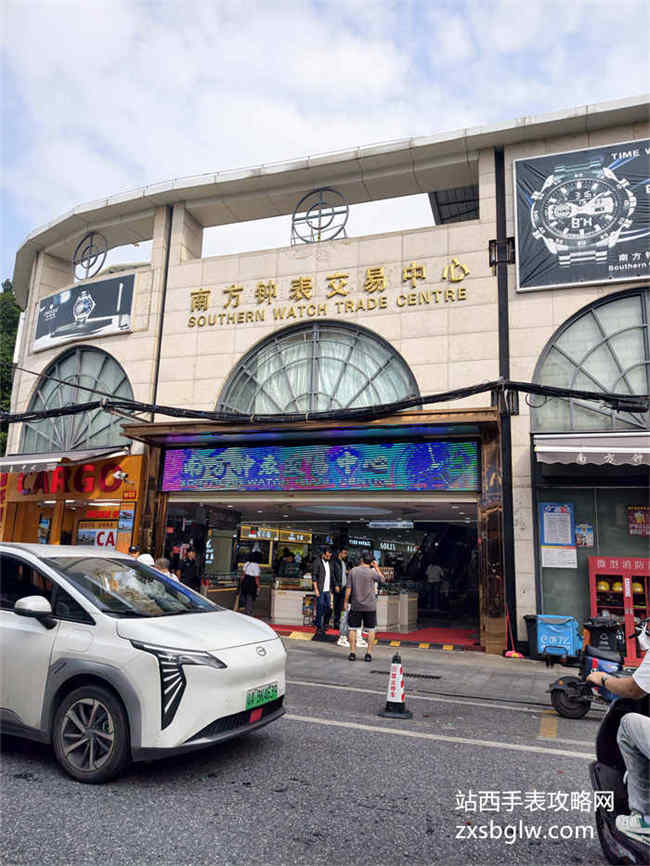
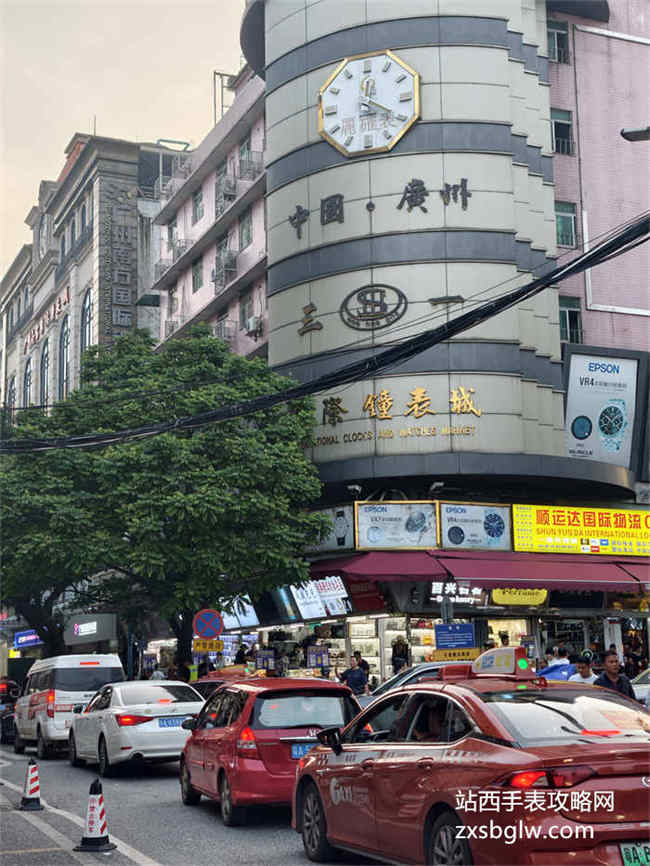
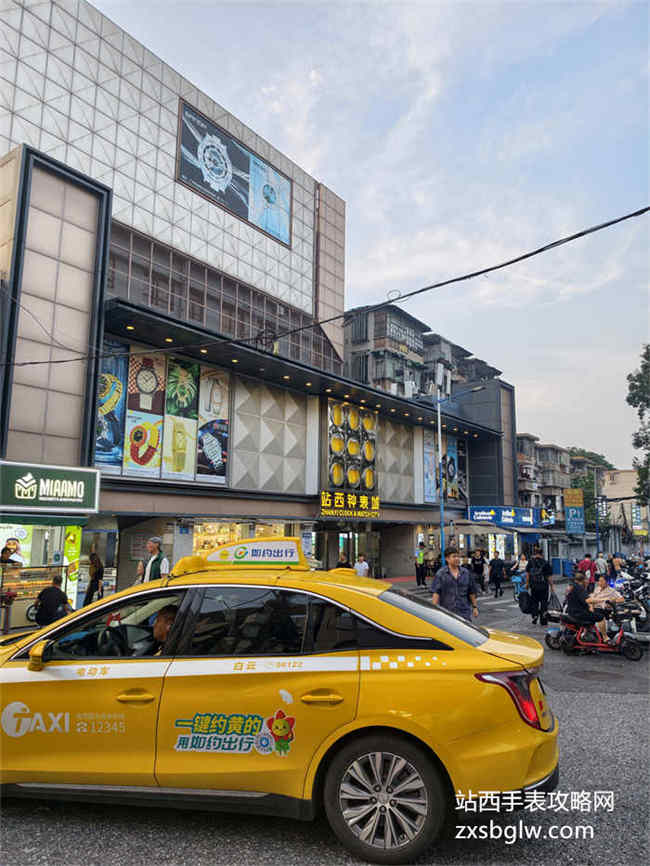
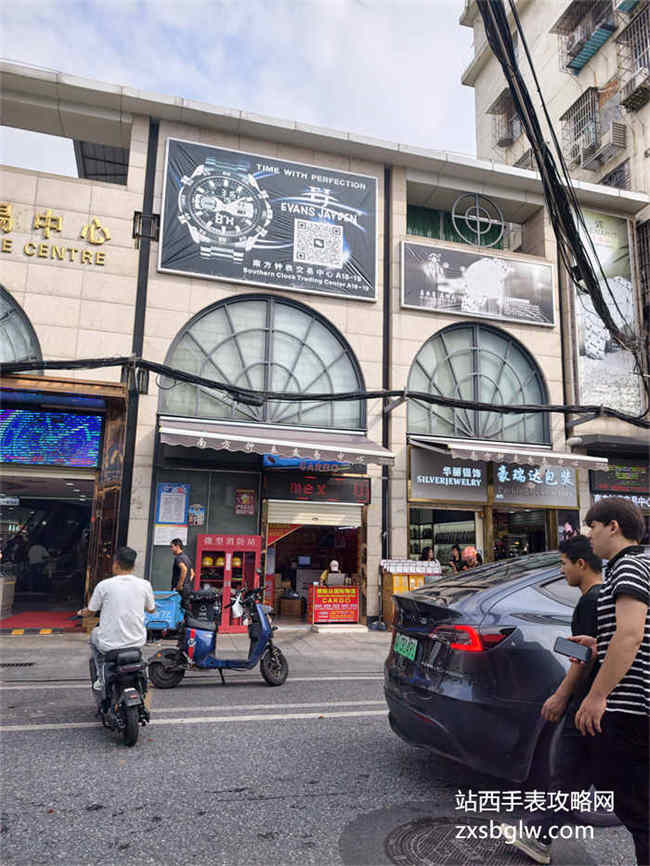
The Station West area is a maze of buildings, alleys, and hidden courtyards. It's not a single mall; it's a cluster of interconnected structures. If you walk into the main building and ask for "Rolex," you will likely be shown the lowest grade items available, priced to attract tourists. The real action happens deeper inside, often on upper floors or in specific side streets that aren't marked on Google Maps.
The Hidden Gems: Specific Locations and Stalls
Let me give you the names of places where the serious buyers go. First, head to the Hengda Plaza (Hengda Guangchang). This is the heart of the operation. Inside Hengda, avoid the ground floor shops that cater to street vendors. Go straight to the third and fourth floors. There, you will find stalls like Stall 305A and Stall 412. These are run by families who have been in the business for decades. They don't shout prices; they wait for you to inspect the goods. Another critical spot is the Jinxiu Building. On the fifth floor, there is a cluster of workshops known as "The Movement Zone." Here, you can actually see the assembly process. One specific workshop, often referred to locally as Factory B-7, specializes in high-end movements like the Seagull ST19 and custom clones of the ETA 2824. If you want to source for a boutique brand, this is where you need to be.
Understanding the Floor Hierarchy
In my experience, the floor level dictates the quality. Ground floors are for mass production and low-margin sales. Floors two through four are for mid-range customization. Floors five and above are reserved for the "Top Tier" or "Mirror Quality" segments. I remember a client from Brazil who insisted on buying from the ground floor to save $5 per unit. He ended up with watches that had water damage within a week because the gaskets were poorly installed. By moving him to the fourth floor, we sourced from a different supplier, increasing his cost by only $12 but doubling the lifespan of the product. That is the difference between a one-time sale and a loyal customer base.
The Art of Negotiation and Inspection
once you are in the right stall, the real work begins. Do not show excitement. In the Guangzhou Station West watch wholesale scene, emotion is weakness. Walk in, look bored, and start asking technical questions. Ask about the movement type, the dial printing technique, and the clasp mechanism. If the seller starts talking about "brand value" or "design inspiration," they are lying to you. They should talk about materials and tolerances.
Inspection Protocols: What I Look For
When I inspect a batch of watches, I use a magnifying loupe to check the laser engraving on the case back. Cheap copies have shallow, fuzzy engravings. High-quality ones have sharp, deep lines. I also check the bezel rotation. Does it click? Is it smooth? Does it have play? I once caught a supplier trying to pass off a "Grade A" watch as "Grade S" simply because the bezel was loose. I walked away immediately. In this market, trust is earned through scrutiny. I always bring a digital caliper to measure the thickness of the case and the width of the bracelet links. Consistency is key. If one watch in a batch of ten has a slightly different lug width, the whole batch is suspect.
Negotiating the Price and MOQ
Pricing here is fluid. The sticker price is never the final price. If a watch is listed at $50, you should aim to close at $35 if you are buying 50 units. However, if you are looking for the absolute best quality, the price floor is higher. I recommend starting negotiations by asking for their "best friend price" rather than "wholesale price." This signals that you know the game. Also, be clear about your Minimum Order Quantity (MOQ). Many stalls claim no MOQ, but they will charge a premium for small orders. For example, Stall 305A might sell you 10 pieces at $45 each, but if you buy 100, the price drops to $32. Always calculate the total landed cost, including shipping and duties, before agreeing to a deal.
Avoiding Pitfalls: Lessons from the Trenches
There are traps everywhere in the Guangzhou Station West watch market. The most common one is the "sample trap." A seller shows you a perfect sample, takes your deposit, and then ships you a box full of inferior goods. To avoid this, always pay via a secure method that allows for dispute resolution, or better yet, meet in person for the first transaction. Another pitfall is the "customization scam." Some sellers promise to add your logo to the dial for free. In reality, they use a cheap stamping method that peels off after a few months. I advise paying extra for laser etching or high-quality printing.
Shipping and Logistics Reality Check
Don't rely on the seller to handle shipping unless you trust them implicitly. Most local suppliers in Station West use informal courier services that are fast but risky. For international buyers, I recommend using a freight forwarder based in Guangzhou who specializes in electronics and luxury goods. They can consolidate your orders from multiple stalls into one shipment, saving you significant shipping costs. I have a contact list of reliable forwarders who understand the nuances of customs clearance for watches. Using them prevents your goods from getting stuck at the border.
Summary of Key Takeaways
| Action Step | Key Insight |
|---|---|
| Location | Focus on Hengda Plaza (Floors 3-4) and Jinxiu Building (Floor 5). |
| Specific Stalls | Visit Stall 305A, Stall 412, and Factory B-7 for high-quality movements. |
| Inspection | Use a loupe for engraving depth and calipers for dimensions. |
| Negotiation | Ask for "friend price," not wholesale; expect 20-30% discount on bulk. |
| Logistics | Use a specialized Guangzhou freight forwarder for consolidation. |
Going to the Guangzhou Station West watch market is not a tourist activity; it is a professional mission. It requires patience, knowledge, and a keen eye for detail. But if you follow these steps, visit the right stalls, and negotiate with confidence, you will unlock a supply chain that is unmatched anywhere else in the world. Don't settle for what you see online. Come here, touch the metal, hear the tick, and build a business that lasts.