The Myth of the "Thinnest" Watch in Zhanxi
Listen, I've been standing behind this counter in Guangzhou's Zhanxi market for over fifteen years. You come here looking for the "thinnest watch," and honestly, that is the first trap most overseas buyers fall into. When you type "Guangzhou Zhanxi watches" into Google, you see a million results promising the thinnest movement, the slimmest profile, the ultimate luxury look for a fraction of the price. But let me tell you something straight from the floor: there is no such thing as a mass-produced "thinnest watch" that actually works well without compromising quality.
I remember a guy from New York last month who wanted a replica of a specific ultra-thin Swiss model. He asked me, "Can you get me the thinnest one?" I laughed and showed him two stacks of watches. One was 3mm thick but the crystal popped off after three days because the case wasn't reinforced. The other was 4.5mm thick, had a sapphire crystal, and a solid movement that kept perfect time. Which one did he want? He thought thinness was everything. In Zhanxi, we know better. Thinness isn't just about numbers; it's about engineering limits and material strength. If you are serious about sourcing, you need to stop chasing a number and start understanding the factory capabilities.
Why "Thinnest" is a Dangerous Keyword
The Engineering Reality Check
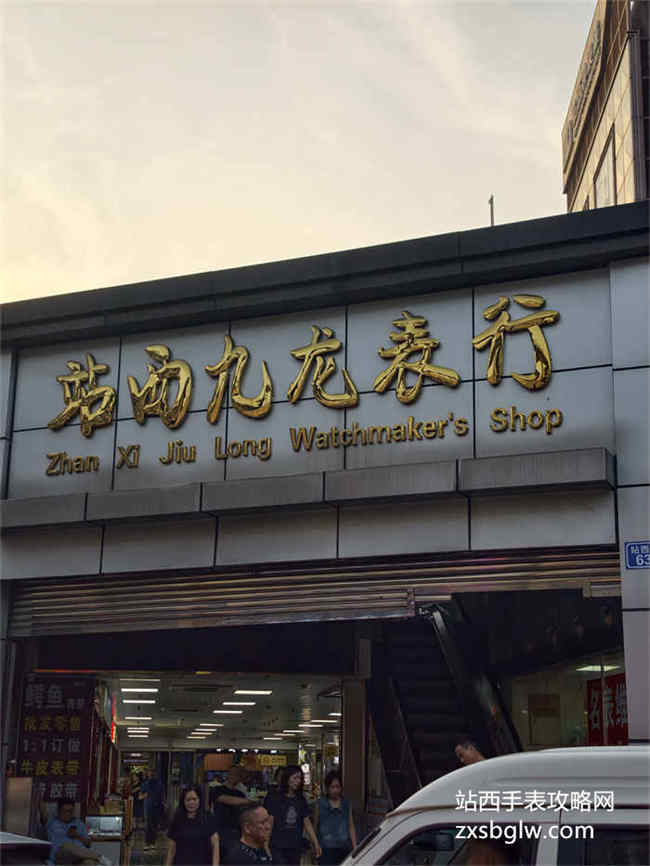
When you walk into the Zhanxi market, specifically around the Tianyi Building or the nearby wholesale corridors, you will see hundreds of shops claiming to have the "newest ultra-thin movement." Here is the hard truth: if a watch is under 3.5mm thick with a standard quartz or automatic movement, it is usually a joke. The gears are too small, the lubrication dries up in weeks, and the battery compartment becomes a nightmare to open. I've seen factories try to push these "ultra-thin" models, and they end up with high return rates. My advice? Don't be fooled by marketing terms like "Zhanxi thinnest watch."
We focus on balance. A good watch needs a case thickness that allows for water resistance and durability. In my experience sourcing for clients in Europe and the US, the sweet spot is between 8mm and 10mm for automatics, and 6mm to 7mm for quartz. Anything thinner than that in the Chinese manufacturing sector often means cutting corners on the movement caliber or using cheap alloys that bend easily. I once had a client order 500 units of a "3mm slim" watch based on a photo. When they arrived, the cases were so thin the hands were rubbing against the dial. We had to scrap the whole batch. That cost them thousands, and I learned not to sell that kind of junk again.
Navigating the Physical Market: Where to Look
Tianyi Building vs. The Side Streets
If you want to find the best quality, you cannot just browse online listings. You must come to Guangzhou. The heart of the action is the Tianyi Building (Tianyi Da Sha). This is where the serious wholesalers operate. On the lower floors, you'll find the flashy displays, but the real gems are on the upper floors where the factories have their direct counters. I recommend heading straight to the 4th and 5th floors. That is where the "high-end replica" and "custom OEM" shops are located.
For those specifically interested in slim profiles, I suggest visiting the shop run by Uncle Li on the 5th floor, near the elevator. His shop specializes in movements from Seagull and Miyota clones that are optimized for slimmer cases. He doesn't advertise "the thinnest watch" on his signboard because he knows better. Instead, he shows you the actual movement specs. Another place to check is the small alleyway behind Tianyi, where several smaller workshops do custom casing. If you bring your own design files, they can machine a case to be slightly thinner than standard, but you pay extra for the tooling.
Don't waste time on the street vendors selling $5 watches. They don't care about precision. Go inside the buildings. Talk to the owners. Ask them about the movement brand. Are they using the Japanese NH35 clone? Or the Chinese ST2130? These details matter more than the millimeter count on the spec sheet.
The Art of Negotiation and Quality Control
Testing Before You Pay
once you find a supplier who understands what you need, the negotiation begins. In Zhanxi, prices are never fixed. If you ask for the "best deal," you get the lowest quality. If you ask for the "best value," you get a partner. When I negotiate with overseas buyers, I always tell them to bring a caliper. Measure the watch yourself. Compare it to a reference model. If the case is supposed to be 9mm and it measures 10mm, walk away. The tolerance in Zhanxi can vary, but a 1mm difference is unacceptable for a premium product.
Here is a trick I use: ask for a "sample batch" before committing to a full order. Most factories in Tianyi will let you buy 5-10 pieces at a slightly higher unit price. Test them for a week. Wear them. See if the crown pops out. Check if the date wheel changes correctly at midnight. I once saved a client from a disaster by testing a sample batch of "slim" watches. The movement was fine, but the strap attachment points were too weak for the thin case. The straps snapped within two days. By catching this early, we switched to a different factory that used reinforced lugs.
Also, discuss the packaging. Many "thin" watches come in flimsy boxes that crush the watch during shipping. Insist on a rigid box with foam inserts. It adds a little cost, but it protects your reputation. Remember, you are building a brand, not just moving inventory.
Common Pitfalls and How to Avoid Them
Shipping, Customs, and Fake Claims
One of the biggest mistakes I see is ignoring customs regulations. When you import watches from China, especially replicas or high-quality homages, you need to be careful. Some sellers promise "no issues" with customs, but that is a lie. Always declare the correct HS code. If you are importing genuine-style watches, ensure you have the proper documentation. Do not rely on the seller to handle everything. Hire a reliable freight forwarder who knows how to handle electronics and accessories.
Another pitfall is the "fake movement" claim. Some shops in Zhanxi will show you a Miyota movement, then ship you a generic Chinese clone that looks similar but fails quickly. Always request a video call to inspect the movement before shipping. I have a friend who runs a logistics company in Guangzhou; he charges a small fee to verify the goods before they leave the warehouse. It is worth every penny. Also, be wary of "free samples." If a seller offers free samples, they are likely trying to hook you into a bad deal later. Real factories charge for samples to cover their labor and materials.
Summary of Sourcing Strategy
| Factor | What to Expect | My Recommendation |
|---|---|---|
| Thickness | Standard is 9-10mm; <3.5mm is risky | Aim for 8-9mm for durability |
| Location | Tianyi Building (Floors 4-5) | Visit Uncle Li's shop or side workshops |
| Movement | Seagull, Miyota clones, NH35 | Verify movement brand via video call |
| Pricing | Variable based on volume | Buy 5-10 samples first, then scale |
| Risk | Customs, quality variance | Hire third-party inspection, clear docs |
So, when you think about "Guangzhou Zhanxi watches," forget the hype about the "thinnest watch." Focus on the craftsmanship, the movement reliability, and the supply chain stability. The market is huge, and the opportunities are endless if you approach it with patience and knowledge. Come down to the floor, touch the metal, feel the weight, and talk to the people who know the trade. That is how you win in Zhanxi.