Why Material Matters More Than Brand on the Watch Market Floor
I've been standing behind this counter in Guangzhou's Zhanxi market for over fifteen years. While tourists and new importers often ask me about "fake Rolex" or "replica Omega," I always steer them toward a more critical question: what is the material actually made of? In my experience, the difference between a watch that lasts five years and one that falls apart in six months isn't the logo on the dial; it's the steel grade, the sapphire clarity, and the plating thickness.
When you walk into the bustling corridors of Zhanxi, you are surrounded by noise, flashing lights, and hundreds of vendors shouting prices. But if you want to source high-quality timepieces for your overseas store, you need to ignore the hype and focus on the tactile details. The materials used here range from cheap 304 stainless steel to genuine 904L, and the gap in price and durability is massive. Let me walk you through exactly how we vet these materials on the ground.
The Steel Debate: 316L vs. 904L vs. The Cheap Stuff
Most buyers think all stainless steel is the same. They aren't. When I first started sourcing, I learned the hard way that "stainless steel" is just a category, not a guarantee. In the lower tiers of the market, you will find watches made from 304 steel or even worse, alloy metals plated to look like gold. These rust within months, especially if your customers live near the ocean or sweat heavily.
Spotting the Real 316L and 904L
Here is the truth about the premium tier. Genuine 316L medical-grade steel is the standard for good replicas and high-end clones. It resists corrosion far better than 304. However, the top-tier factories in Guangzhou now use 904L steel, which is the same material Rolex uses for their Oyster cases. This steel is harder to machine, costs significantly more, and has a deeper, richer luster that doesn't fade easily.
How do you tell the difference without a lab test? Simple. Look at the weight. A 904L case feels denser and heavier than a 316L one of the same size. Also, check the edge finishing. Cheap steel has rough burrs where the bracelet links meet the case. High-grade 904L is polished so smoothly you can't feel any seam with your fingernail. I once had a client from the US who bought a batch of "gold-plated" watches from a random stall. Two weeks later, they were green around the wrists because the base metal was inferior alloy. That cost him his reputation.
Sapphire Crystal: Don't Get Fooled by Hardness Claims
Another major pain point I see every day is the crystal. Many vendors claim their watches have "sapphire glass." In reality, most of them are using mineral glass or even acrylic, which scratches easily. If you drop a key on an acrylic face, it's game over. For serious buyers, we only deal with double-domed sapphire crystals with anti-reflective coating (AR).
The Water Drop Test and Scratch Reality
When I am inspecting stock at the factory floor, I don't trust the vendor's word. I perform a quick water droplet test. On real sapphire, water beads up tightly due to the hydrophobic AR coating. On mineral glass, it spreads out flat. But the real test is the scratch resistance. I keep a small diamond tip in my pocket. I gently drag it across the crystal. If it leaves a mark, it's not sapphire. We also check the bevel. High-quality sapphire has a sharp, clean bevel that catches the light beautifully. Cheap ones have a dull, rounded edge that looks cloudy.
I remember a specific order for a client in Dubai last year. He wanted 500 units of a specific diver model. The initial quote was low, but when I inspected the sample, the crystal was clearly mineral glass despite the vendor's claims. I walked away. Three days later, he called back, frustrated because the first batch he bought elsewhere was already scratched. He came back to my booth, paid the extra $15 per unit for the real sapphire, and hasn't had a single return since. That is the value of knowing your materials.
Plating and Coating: The Secret to Longevity
Gold plating is where the biggest margin lies, and also where the biggest scams happen. You will hear terms like "IP Gold," "PVD," and "Electroplating." In the Zhanxi market, the difference between a 1-micron layer and a 10-micron layer is the difference between a watch that looks great for a month versus one that lasts years.
Understanding PVD and IP Plating Standards
True Physical Vapor Deposition (PVD) is the gold standard. It bonds the gold layer at a molecular level, making it incredibly durable against sweat and water. I recommend sticking to vendors who explicitly state they use 18k PVD plating with a thickness of at least 5 microns. Some top factories in the building even offer 10-micron plating for an extra fee. Avoid anything labeled simply as "gold tone" or "electroplated" unless you know the exact micron count.
I have a go-to supplier on the third floor of Building C who specializes in PVD coatings. Their factory name is often whispered among us as "Golden Horizon Workshop." They don't advertise much, but their plating passes the salt spray test consistently. If you are sourcing for a boutique, ask for a certificate of plating thickness. If they hesitate, move on.
Practical Sourcing: How to Negotiate and Verify
Walking into the market can be overwhelming. There are thousands of stalls, but only a few hundred are legitimate manufacturers. Most are middlemen reselling goods from other floors. To get the best price and quality, you need to find the actual production hubs.
Where to Find the Best Factories
If you are looking for the absolute best materials, head to the upper floors of the main buildings. The ground floor is mostly for retail and quick turnover. The second and third floors house the workshops. Specifically, look for stalls that display raw materials like steel bars or unpolished movements. This indicates they control the supply chain. I personally frequent the area near the entrance of the West Wing, where several long-standing factories operate. One notable spot is the workshop run by "Master Craft Watch Co." on the fourth floor; they specialize in 904L steel and custom movements.
When negotiating, don't just ask for the price. Ask for the material specifications in writing. Say, "I need 316L steel, 18k PVD gold, and double-domed sapphire with AR coating." If they agree, get it on the invoice. This protects you if the goods arrive with inferior materials. Also, always request a pre-shipment inspection. I never ship a container without checking a random sample myself.
Summary of Material Standards for Overseas Buyers
To wrap up, sourcing from Guangzhou Zhanxi requires a keen eye for detail. Here is a quick reference guide based on my fifteen years of experience:
| Material Component | Low Quality (Avoid) | High Quality (Recommended) |
|---|---|---|
| Case Steel | Alloy, 304 Stainless | 316L Medical Grade, 904L |
| Crystal | Mineral Glass, Acrylic | Double-Domed Sapphire with AR |
| Plating | Standard Electroplating (<1 micron) | PVD Gold (5-10 microns) |
| Movement | No-name Chinese Movement | Seagull, Miyota, or Custom Caliber |
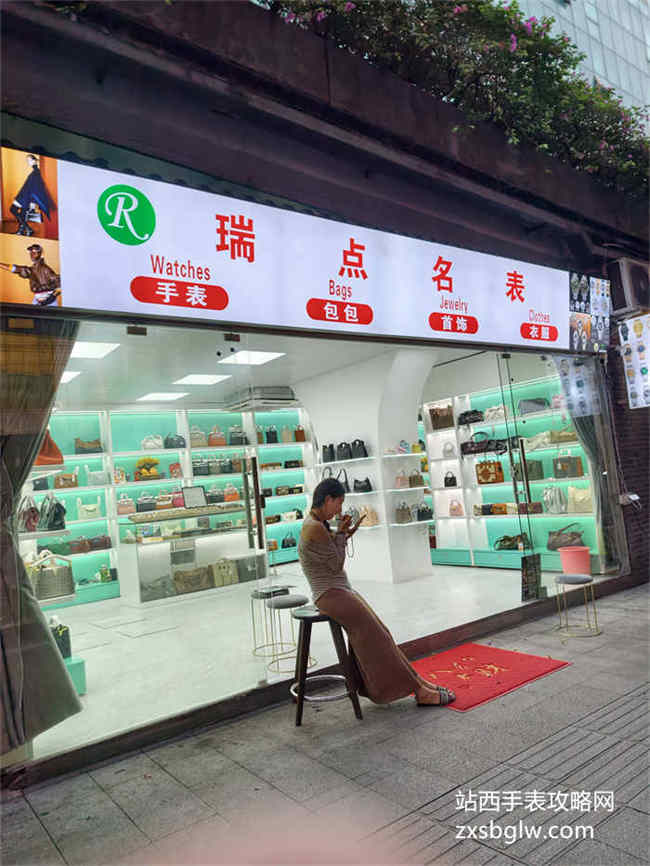
Remember, the Zhanxi market is a jungle. The best deals are hidden behind the walls of reputable factories, not in the flashy storefronts. By focusing on the materials—steel, crystal, and plating—you ensure your customers get a product that stands the test of time. Don't let the low price tag fool you; a cheap watch that breaks is a loss for everyone involved. Stick to the standards I've shared, verify everything yourself, and you will build a loyal customer base that trusts your brand.