The Real Talk on Station West Watches: What I've Seen After 15 Years
If you are reading this, you probably heard the rumors. You saw a video on TikTok or Instagram showing a "Rolex" for $50 and thought, "Is this real? Can I make money?" Let me stop you right there. I have been standing in the Guangzhou Station West watch market since before most of these brands even had websites. I am not a corporate PR guy; I am an old shop owner who has seen thousands of boxes come in and go out. The truth about "Station West watches good or bad" isn't a simple yes or no. It is a spectrum that ranges from absolute junk to pieces so close to the original that only a master horologist can tell the difference.
When people ask me if Station West watches are good, I always laugh and ask them what they mean by "good." Are they good for wearing to impress your friends at a party? Or are they good for a serious collector looking for value? The market here is chaotic, filled with noise, but it is also where the world's best replicas are born. If you walk in blindly, you will get ripped off. If you walk in with eyes open, you can find gems that cost 1/10th of the retail price but look 95% identical.
Navigating the Chaos: Where to Actually Go
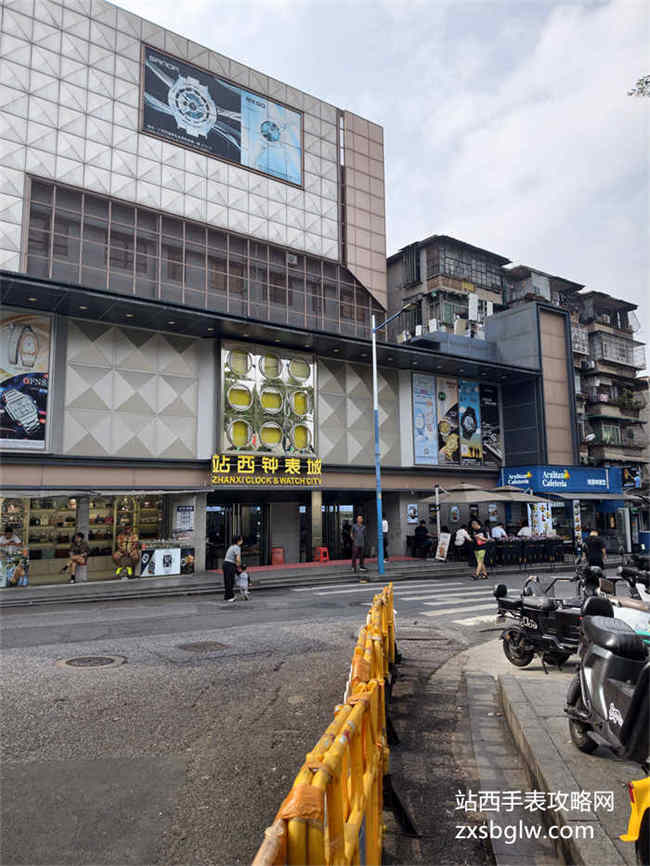
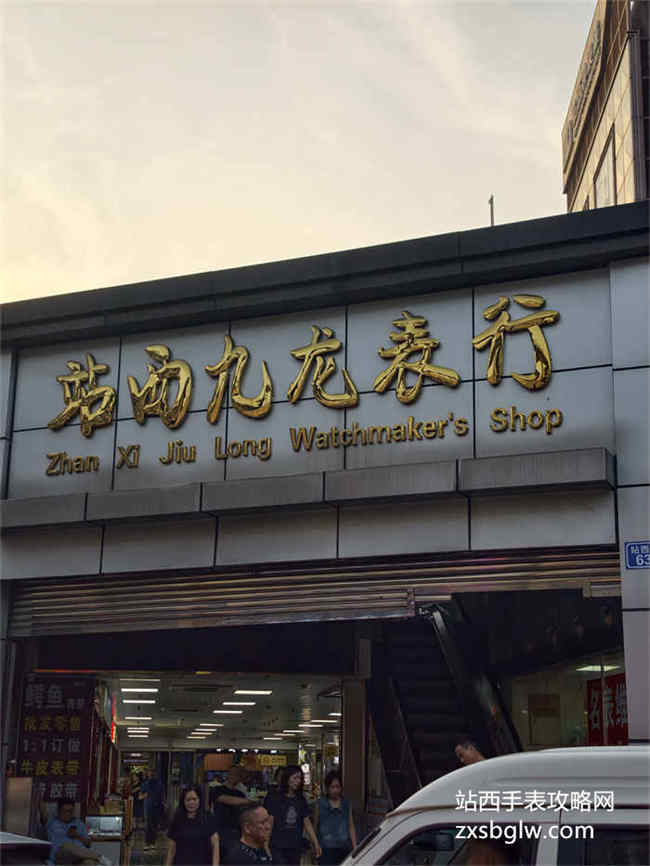
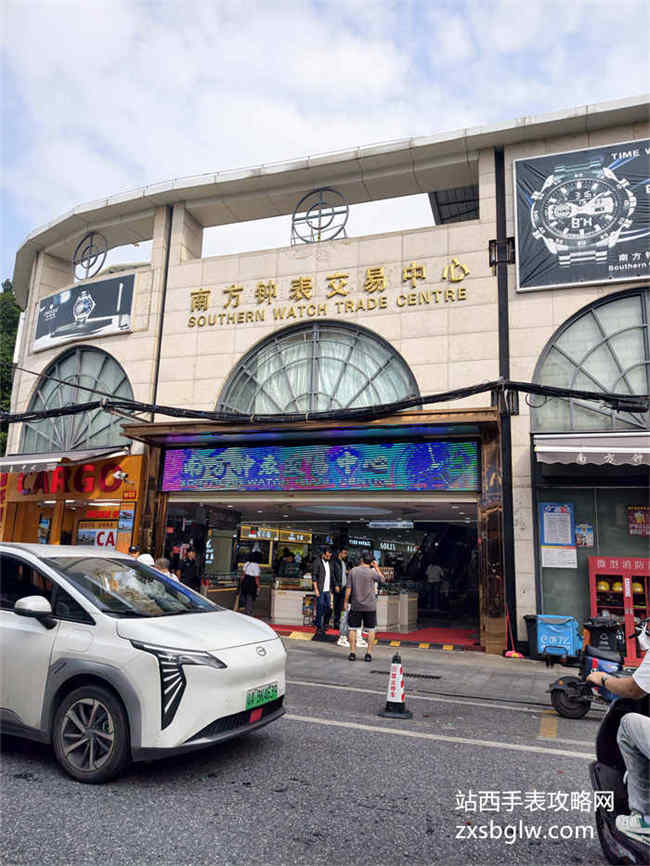
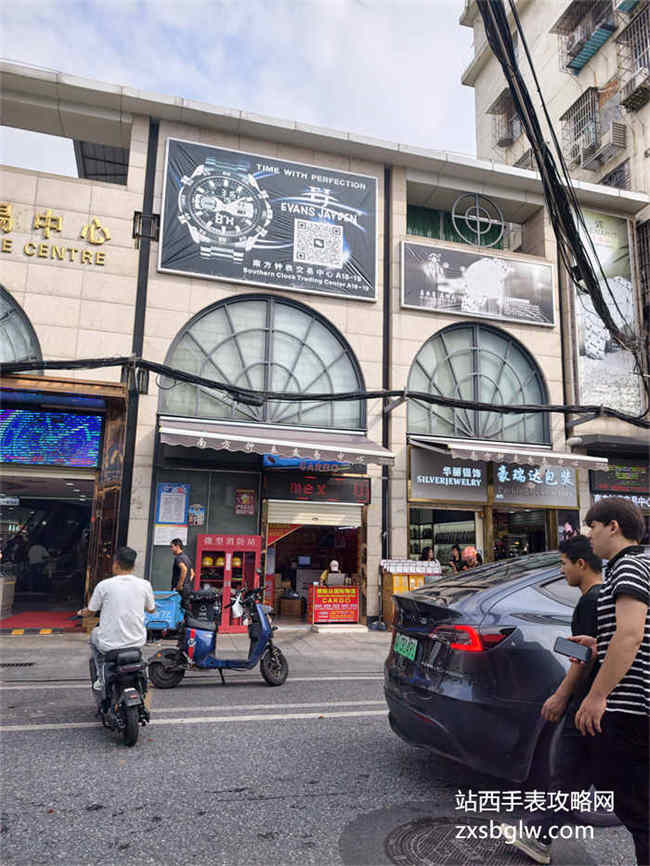
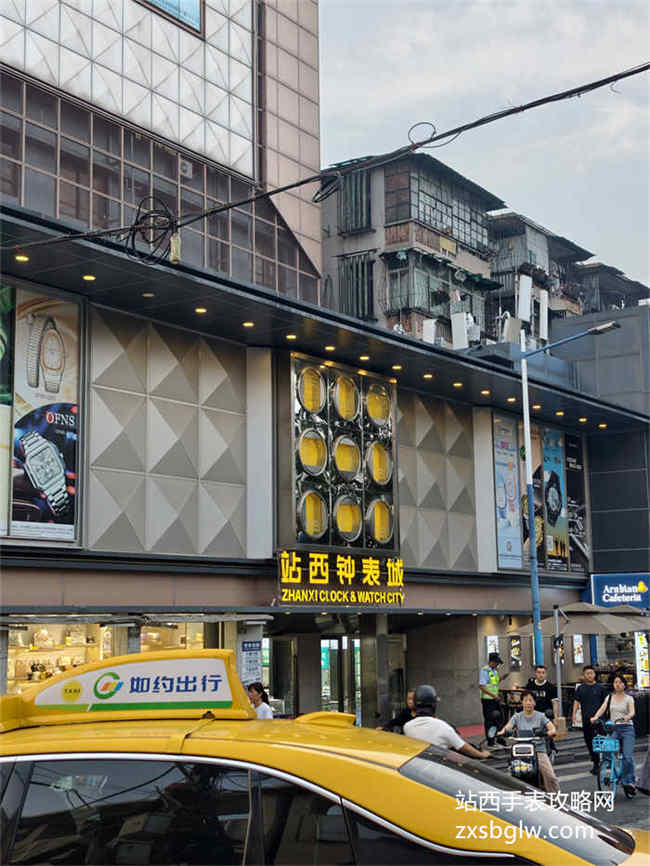
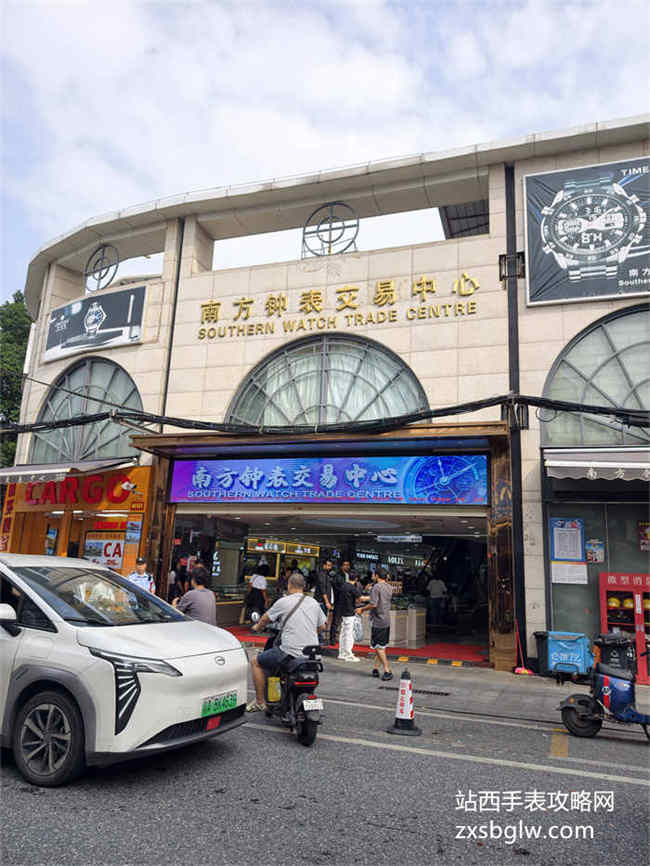
First, let's talk about location. Most tourists get lost immediately. They end up in the small side streets selling cheap fashion jewelry that looks like plastic. To find the real deal, you need to go straight to the main hubs. The core of the industry is around the Tianyu Building and the surrounding blocks near the railway station. This is where the heavy hitters operate.
The Tier System of Shops
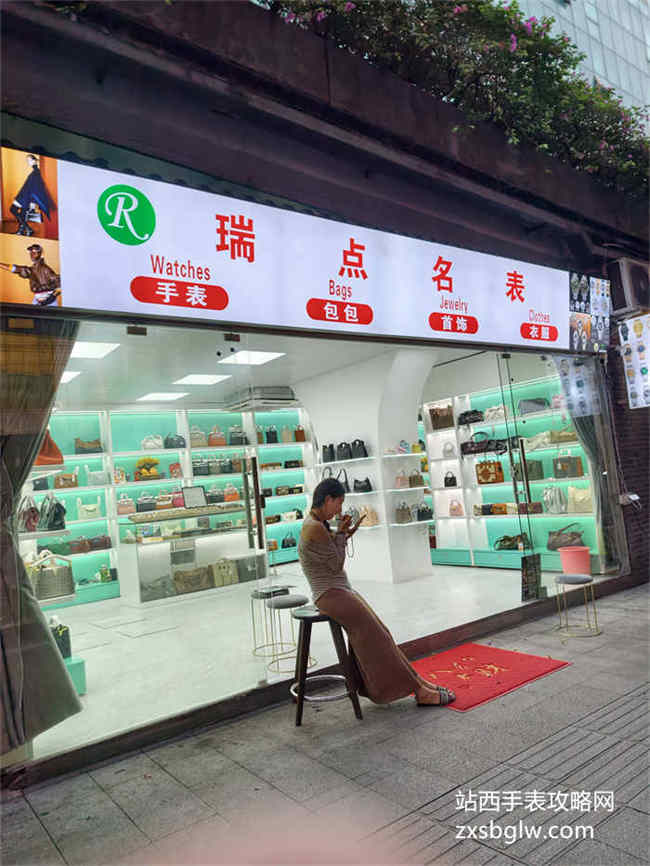
You cannot treat every stall the same. In my experience, we divide the shops into three distinct tiers. The ground floor stalls are mostly for tourists and beginners. They sell "low-end" goods, often using quartz movements instead of automatic ones. These are the watches that break after two weeks. Do not waste your time here unless you want a toy.
The second tier is the upper floors, specifically floors 3 through 6 of the major buildings. Here, you meet the serious wholesalers. These guys know their inventory inside out. They don't show you the fake stuff first; they show you the "high copy" versions. This is where the quality jumps significantly. You start seeing sapphire crystals, better steel alloys, and genuine Seagull or Miyota movements being used as bases.
The third tier is the VIP rooms. These are not visible to the public. You need a referral or a solid relationship to get in. This is where the "Top Tier" or "1:1" versions live. These are the watches made with the exact same molds as the factories producing the originals. The movement might be modified to mimic the smooth sweep of a Swiss caliber. This is where the real money is made for resellers.
The Art of Inspection: How to Spot the Difference
Many buyers think they can just buy based on photos. That is a mistake. In the Station West market, photos are heavily edited. A watch that looks perfect on a phone screen can have a terrible finish in person. When I inspect a batch of watches, I use a specific checklist that I have refined over 15 years.
Checking the Movement and Weight
The first thing I do is pick up the watch. Cheap copies feel light because they use hollowed-out cases or low-grade zinc alloy. A high-quality replica should feel substantial, almost exactly like the genuine article. Next, I check the movement. I look for the "glide" of the seconds hand. Low-end copies tick once per second or jump erratically. High-end copies from reputable suppliers in Guangzhou Station West use cloned movements that sweep smoothly, just like the real thing.
I also check the engraving. On cheap watches, the serial numbers are laser-etched poorly and look blurry. On the good ones, the depth and font spacing are precise. I remember one time a buyer bought a batch of "Patek Philippe" clones that looked great until he checked the case back. The engraving was slightly too deep, which gave it away immediately. That is why you must bring a loupe or a macro lens when you visit.
The Dial and Hands Alignment
This is where most fakes fail. Look at the alignment of the hands. Do they sit perfectly flat against the dial? Is the date window centered? In the lower tiers, the date window is often crooked, and the hands are misaligned. In the top-tier batches, these details are corrected. I once found a supplier who spent three extra days fixing the date wheel alignment on a batch of Rolex Submariners. That attention to detail is what separates the $200 watch from the $20 watch.
Dealing with Suppliers: Negotiation and Trust
Buying in Guangzhou is not like shopping online. You have to build trust. When I walk into a stall, I don't ask, "How much for this?" I ask, "What is your best price for 10 pieces?" This signals that I am a wholesaler, not a tourist. The pricing structure here is complex. You will see prices like $80, $150, and $300 for the same model. The difference lies in the materials and the movement.
Understanding the Price Tiers
Let me give you some real data. A standard "low copy" of a popular model usually costs between $40 and $60 USD wholesale. These use generic Chinese movements and poor plating. A "mid-range" version, which uses a better clone movement and 316L stainless steel, runs around $120 to $180. The "top tier" or "super clone" versions, which often include custom packaging and the highest level of finishing, can range from $250 to $400 depending on the complexity of the model.
Never pay full price upfront. Always negotiate. If a seller says $300, offer $250. If they refuse, ask for free shipping or a replacement guarantee. In this market, the margin is thin for the seller, so they are willing to move volume. But be careful: if a price seems too good to be true, it is. A $50 watch claiming to be a "Swiss movement" is lying to you.
Common Pitfalls and How to Avoid Them
I have seen many overseas buyers lose money because they didn't understand the local dynamics. One common mistake is trying to ship directly from the street without a proper agent. Customs seizures are a real risk. Another mistake is relying solely on WeChat images. You must see the physical product.
The "Sample First" Rule
My golden rule is simple: never place a bulk order without buying a sample first. Even if you have dealt with a supplier for years, always test a new batch. I once had a client who ordered 50 watches from a trusted source. When they arrived, the straps were different from the sample. The leather was fake, and the clasp broke within a week. Because I insisted on checking samples, I caught the issue before the bulk shipment left the factory.
Summary of Quality Levels
| Quality Tier | Price Range (USD) | Movement Type | Best For |
|---|---|---|---|
| Low End | $40 - $70 | Generic Quartz / Basic Auto | Novelty gifts, short-term wear |
| Mid Range | $120 - $180 | Cloned Seagull / Miyota | Daily wear, entry-level resale |
| High End | $250 - $400+ | Custom Clones / Modified Calibers | Collectors, high-margin resale |
Final Thoughts from the Floor
So, are Station West watches good? Yes, if you know how to buy them. The market in Guangzhou is a treasure trove for those who are willing to put in the work. It is not about finding the cheapest watch; it is about finding the best value for your specific needs. Whether you are looking for a reliable daily driver or a piece to resell to a discerning customer, the quality exists here. Just remember to go to the right floors, inspect the details, and never skip the sample phase. The difference between a disaster and a success story is often just a few minutes of careful inspection on the 4th floor of a busy building in Tianyu.