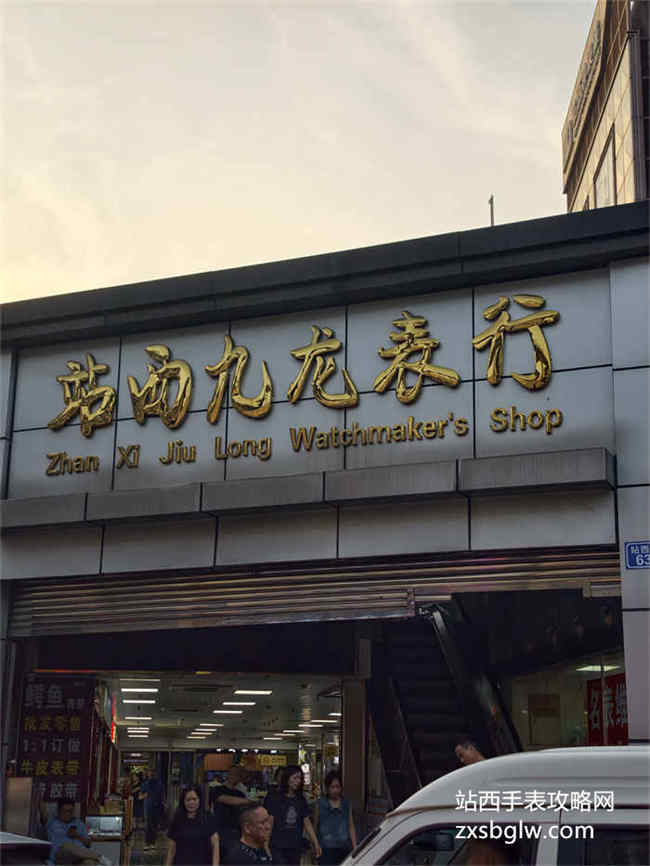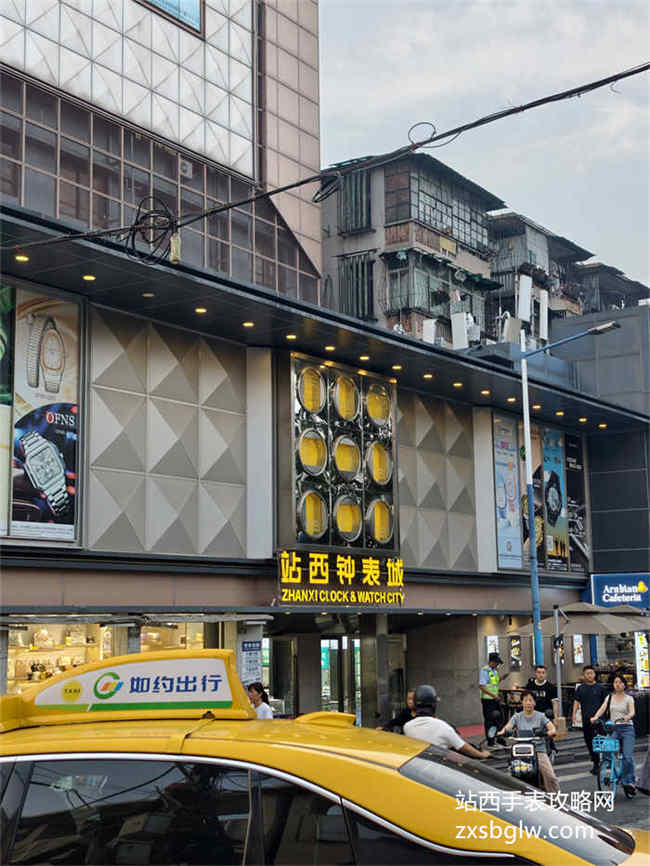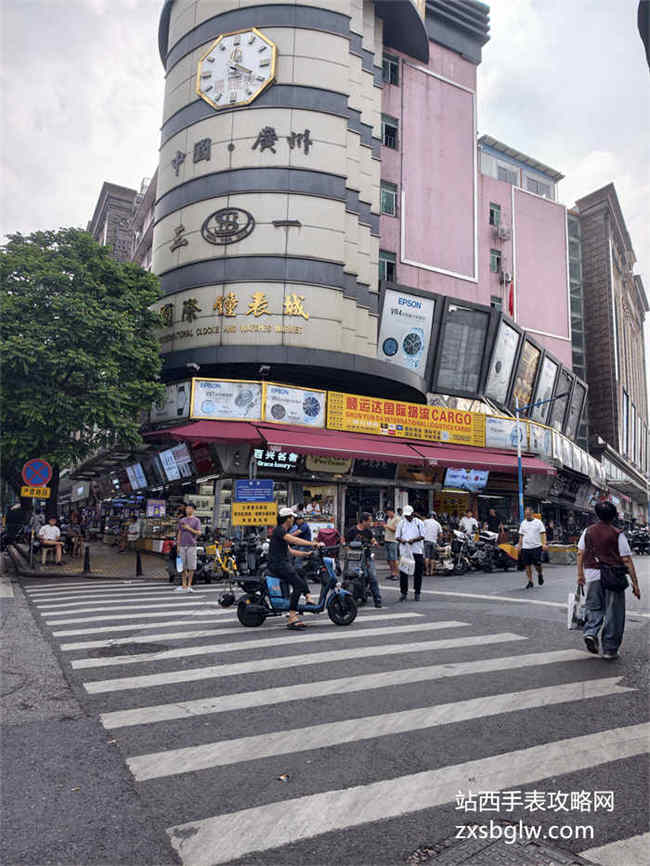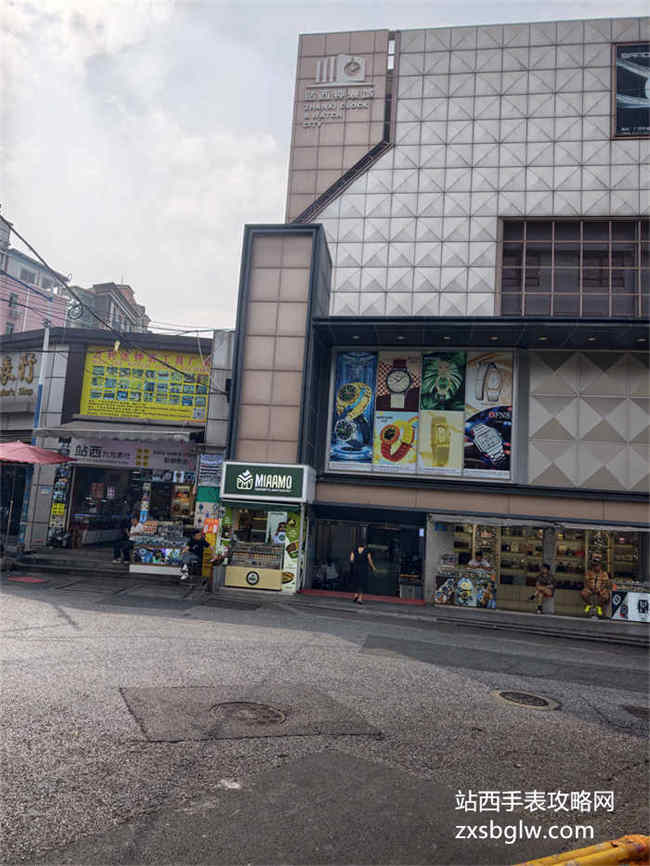
The Real Pulse of Guangzhou: Why Station West is Your only Stop for Seiko
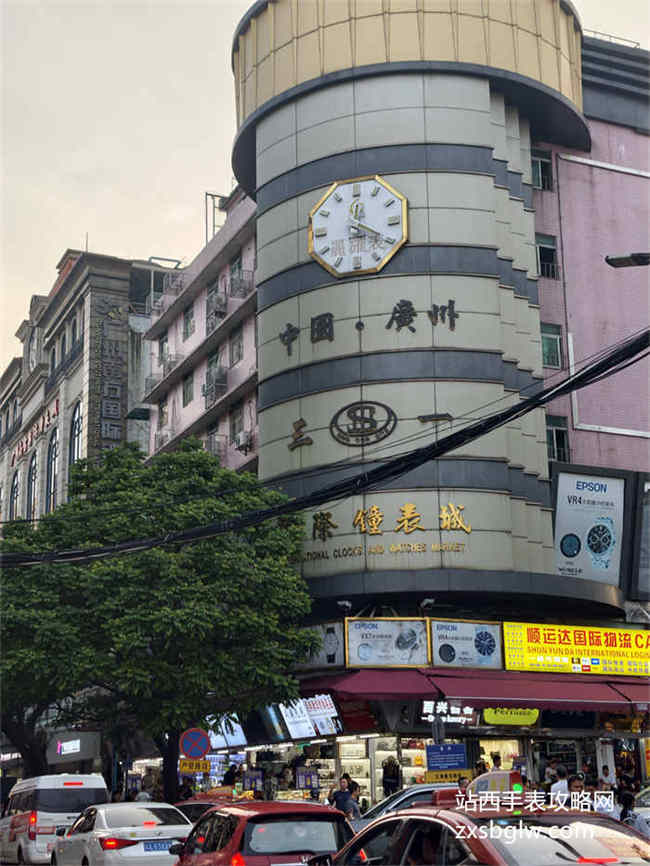
I've been standing behind the counter at my stall in the Station West market since 1998. Back then, you didn't need a map; you just needed to know which alley smelled like fresh coffee and old leather. Today, I see young buyers from Europe and America walking in with their laptops open, looking for "Seiko watches station west" deals online before they even step off the plane. They think they are ready. But let me tell you something straight from the floor: what you see on Alibaba or Taobao is not what you will find here. The real value isn't in the listing; it's in the handshake, the inspection under the loupe, and the negotiation that happens when the lights are dimmed.
Why You Can't Buy This Online
When I talk to overseas clients, they always ask why they can't just order from China directly. The answer is simple: inventory visibility. In Station West, we have thousands of SKUs moving through these narrow corridors every day. A specific batch of Seiko movements might arrive on Tuesday and be sold out by Thursday. If you rely on a static website, you are buying yesterday's news. Here, the stock is fluid. I remember last month, a client from Texas wanted a specific limited edition Seiko dial. He found a supplier online who claimed to have fifty units. When he arrived, we showed him the actual stock. There were only three left, and two were already reserved for regular customers. That is the reality of the physical market. You get access to the "dead stock" and the "new arrivals" that never make it to the digital shelf.
Navigating the Labyrinth: Where to Find the Good Stuff
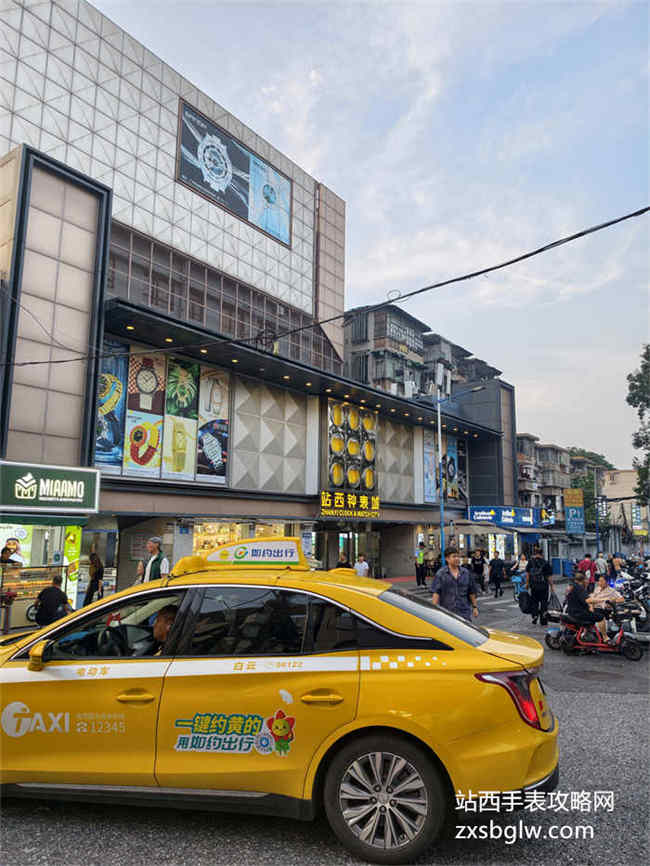
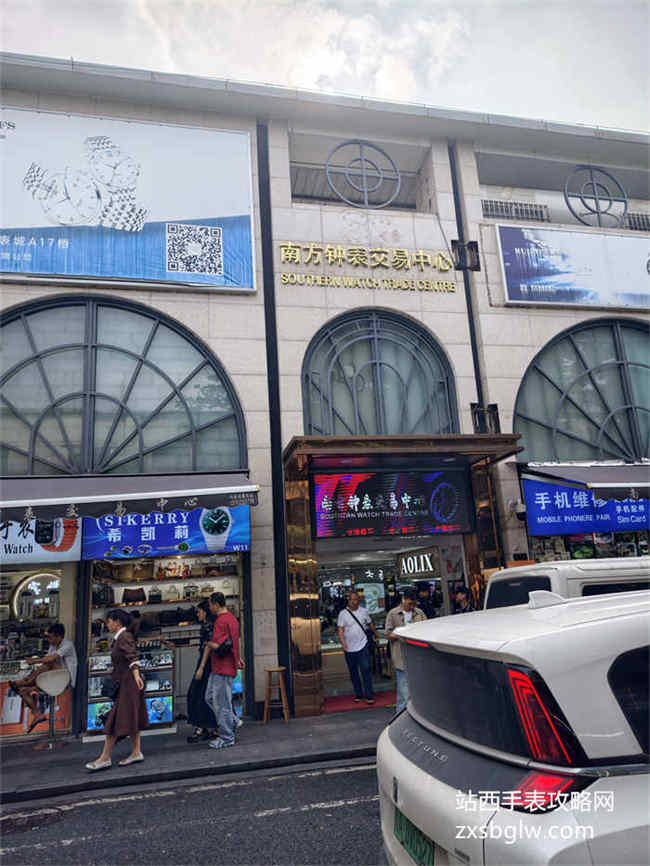
Station West isn't one building; it's a sprawling ecosystem of interconnected malls. For someone hunting for high-quality Seiko components or finished pieces, getting lost is easy. Let me give you the layout that saves you hours of walking.
The Golden Floor Strategy
If you are looking for genuine Seiko parts or high-end replicas that pass strict quality checks, head straight to the upper floors of the Da Dong Building. Specifically, look for the corridor near the elevator on the third floor. This is where the serious wholesalers operate. They don't put flashy signs on the door. Their business is reputation. I often guide my foreign friends to Stall 304, run by Uncle Chen. He has been dealing in Japanese movements for over thirty years. His shop doesn't scream "cheap"; it whispers "precision." If you walk into the ground floor shops, you will mostly find mass-produced fashion watches. To find the real deal, you must climb up.
Identifying the Right Counter
Not all counters are created equal. When I was starting out, I made the mistake of trusting the guy with the biggest display case. Big displays often mean high turnover of low-quality goods. Instead, look for the counters with the glass cases filled with loose movements and disassembled parts. These are the experts. They know the difference between a 7S26 and a 4R36 because they have seen them fail. When you approach a stall, don't ask "Do you have Seiko?" Ask "What is your source for the 6R series calibers?" If they hesitate, walk away. If they start talking about beat rates and power reserve accuracy, you are in the right place.
The Inspection Ritual: Don't Trust Your Eyes Alone
This is where most overseas buyers fail. They bring a magnifying glass but forget the tools of the trade. In my experience, the best way to verify a watch or a movement is to bring a timing machine if possible, or at least a high-powered loupe. But more importantly, you need to understand the tactile feel.
Checking the Movement Finish
Let's say you are buying a Seiko-based movement for assembly. Open the case back. Look at the rotor. Is it brushed or polished? Genuine Seiko rotors have a very specific grain pattern. On the lower-tier copies, the brushing looks messy or too shiny. I once had a client buy a batch of "premium" movements from a different district. When he brought them to my shop for verification, I could tell within seconds they were re-branded generic Chinese movements. The finishing on the bridges was rough, and the balance wheel wasn't adjusted properly. We saved him from losing $5,000. Always inspect the bridge screws. Are they blued? Do they sit flush? These details separate the $20 fake from the $200 good copy.
The Water Resistance Test
Many buyers assume that if a watch looks sealed, it is waterproof. It is not. In Station West, we test everything. Before you hand over cash, ask the vendor to put the watch in the pressure tester. I do this for every single unit I sell to international clients. I remember a time when a buyer from Germany bought a batch of dive watches without testing. Two weeks later, condensation appeared inside the crystals. The seller denied responsibility. Because I insisted on testing before payment, I avoided that headache. Never skip the pressure test. It takes five minutes and protects your investment.
Negotiation and Logistics: Getting Your Goods Home
once you have selected your items, the real work begins: negotiation and shipping. Pricing in Station West is rarely fixed. It depends on volume, relationship, and how much you know.
The Art of the Deal
Don't start by asking for the lowest price. Start by asking for the best quality. Show me you care about the product, and I will show you the best price. For example, if you are buying 50 units of a specific Seiko model, I can offer you a discount of 15% compared to the retail price of a single unit. But if you try to haggle for 50% off immediately, I will stop talking. The margin in this industry is thin. We make money on volume, not on ripping off tourists. I recommend bringing a small gift or offering to pay in advance to build trust. Cash is king here, but bank transfers are becoming more common for larger orders.
Shipping Without Headaches
One of the biggest fears for overseas buyers is customs. Many worry that their package will be seized. Here is my advice: declare the value correctly. Do not mark a $500 watch as $50. Customs officers are smart. However, do not over-declare either. Work with a freight forwarder who specializes in electronics and watches. Most stalls in Station West have relationships with couriers like DHL or FedEx that handle customs clearance smoothly. I have a contact, Mr. Li, who handles logistics for our entire block. He knows exactly how to pack the boxes to prevent damage during transit. He uses double-walled cardboard and bubble wrap, ensuring your watches arrive in perfect condition.
Common Pitfalls and How to Avoid Them
Even after years in this business, I still see new buyers making the same mistakes. Let me share a few stories to help you avoid them.
| Pitfall | Reality Check | Solution |
|---|---|---|
| Buying "Genuine" Seiko at 10% of Retail Price | Impossible. Genuine Seiko costs money to manufacture. | Look for "High Quality Replicas" or "Parts" instead. |
| Ignoring the Return Policy | Most stalls do not accept returns unless there is a defect. | Inspect thoroughly before leaving the shop. |
| Assuming All Sellers Speak English | only a few senior staff speak fluent English. | Bring a translator or use a translation app. |
| Overlooking the Warranty | Warranty terms vary wildly between vendors. | Get the warranty terms in writing on the receipt. |
Final Thoughts: The Value of Being There
Buying from Guangzhou Station West is not just a transaction; it is an experience. It is about seeing the craftsmanship, feeling the weight of the metal, and hearing the story behind the watch. Whether you are sourcing parts for a custom build or looking for unique timepieces to resell, the physical market offers a depth of knowledge that no website can match. My advice to you is simple: come prepared, bring your tools, and trust your instincts. The people here are tough but fair. If you treat us with respect, we will treat you with the best products we have. So, pack your bags, book your flight to Guangzhou, and let's meet at the Station West market. The real Seiko experience awaits you.