Why the Blue Angels Still Rule the Station West Market: A Veteran's Take
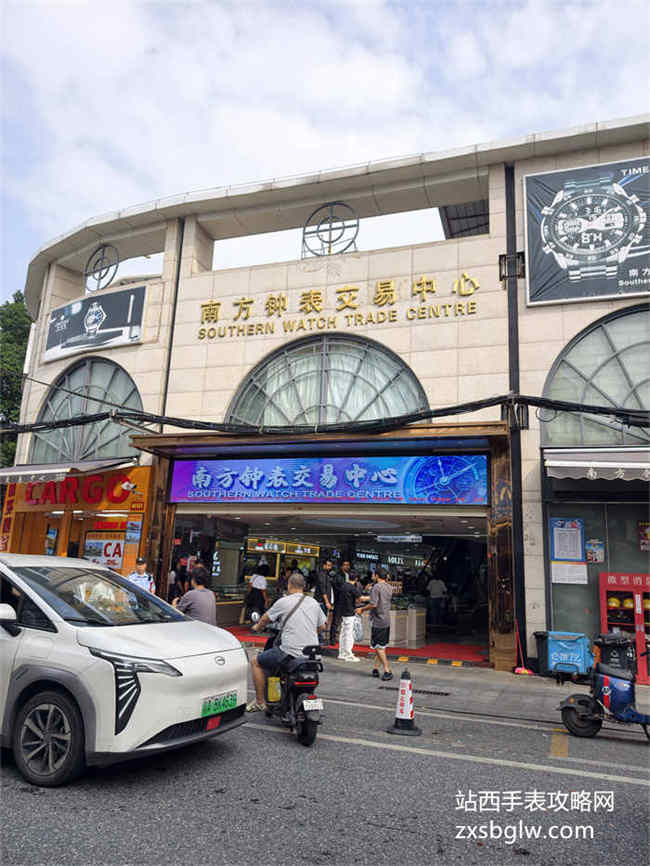
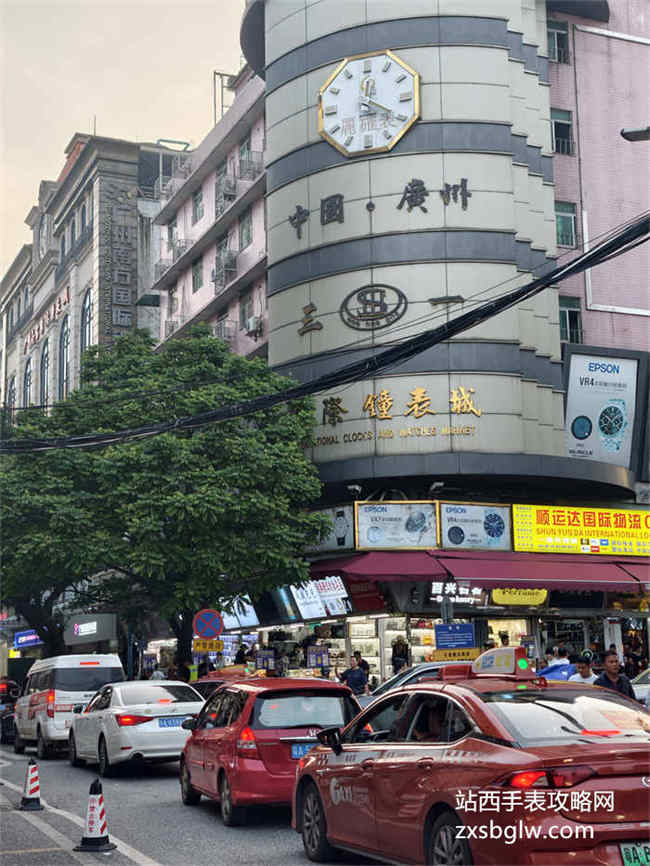
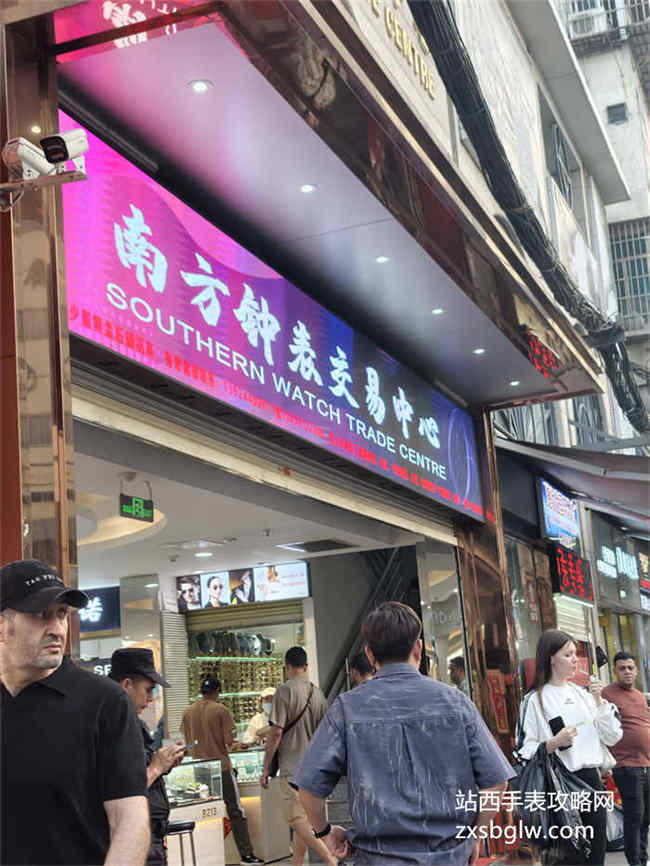
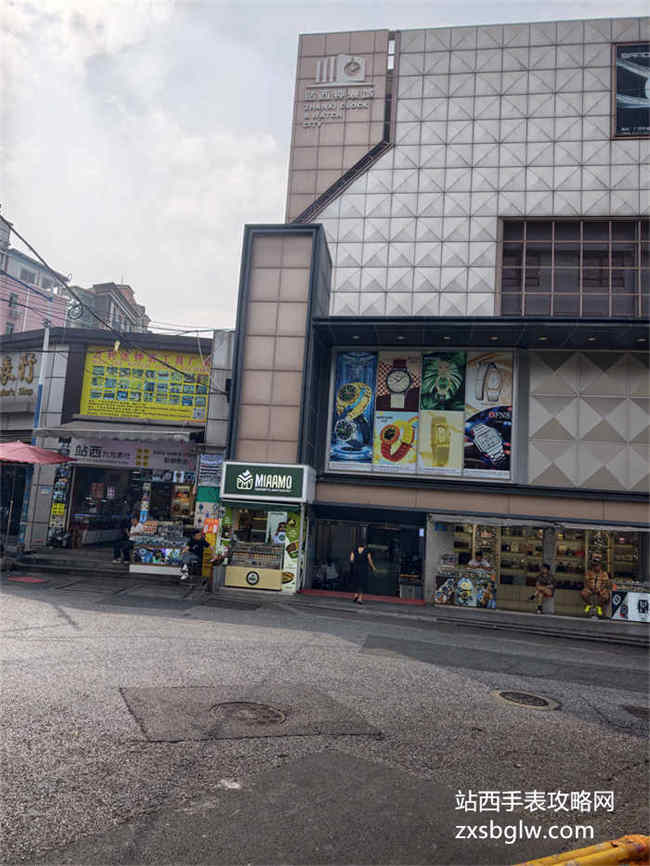
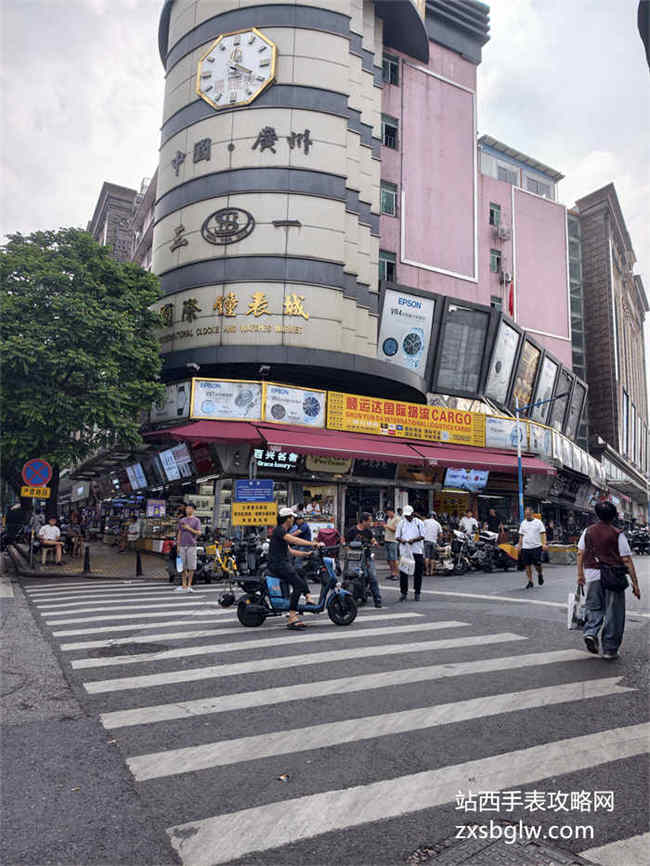
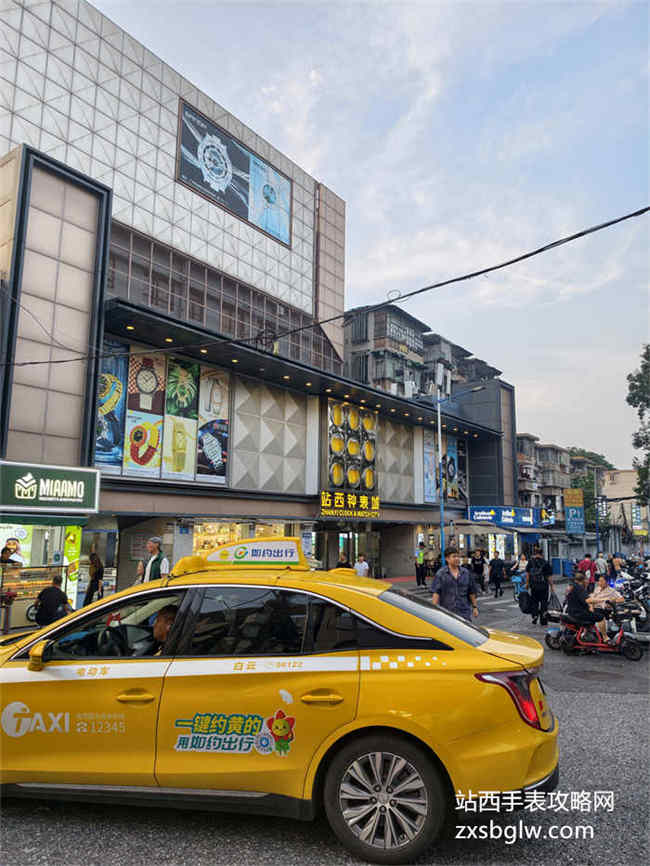
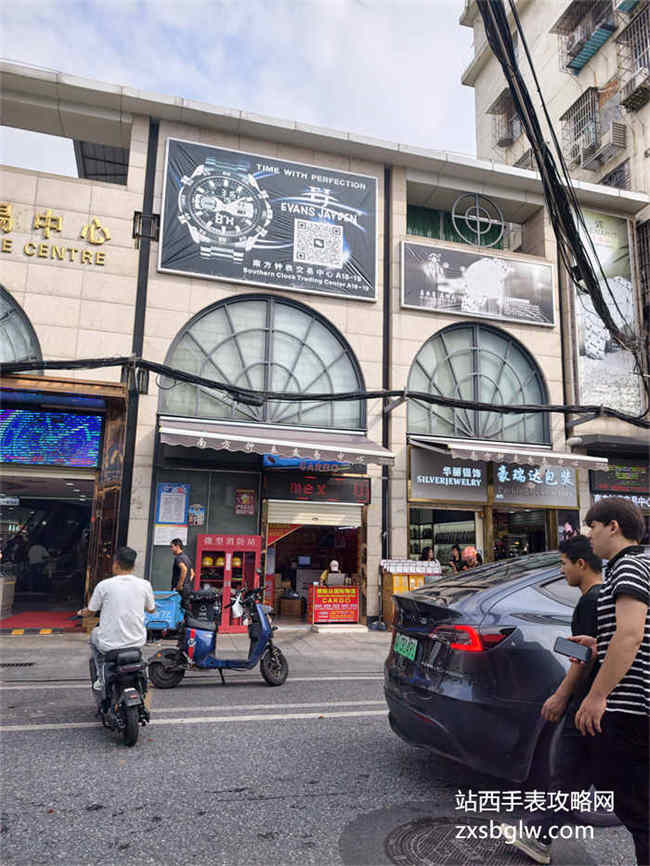
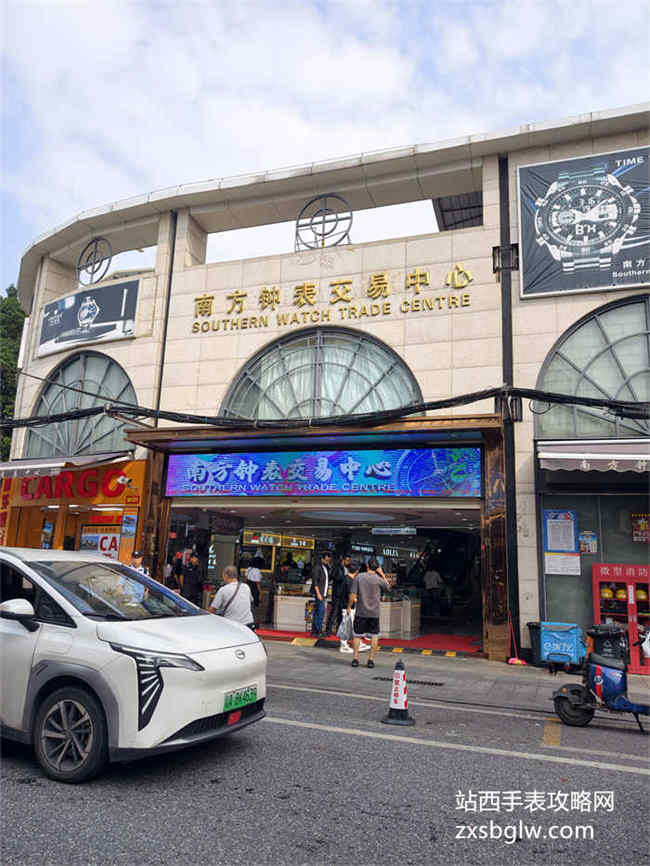
I've been standing behind this counter in Guangzhou's Station West market for over fifteen years. While the internet tries to convince you that everything is just a click away, nothing beats the smell of leather, the hum of air conditioners, and the sheer chaos of the wholesale floor when you're hunting for specific models like the "Station West Watch Blue Angel." People ask me all the time if these watches are still worth buying or if they are just cheap replicas. Let me tell you straight from my boots on the ground: it depends entirely on who you talk to and where you look.
The term "Blue Angel" often gets thrown around loosely online, but in our world, it refers to a specific tier of craftsmanship that mimics high-end automatic movements with a distinct blue dial aesthetic. If you walk into a random shop on the first floor without knowing what you want, you will get ripped off. But if you know how to navigate the back alleys of the market, you can find pieces that rival brands selling for ten times the price. I'm going to share exactly how I source these items for my overseas clients, step by step.
Navigating the Labyrinth: Where to Find Real Quality
When I first started, everyone told me to go to the main entrance. That was a mistake. The real action happens deeper inside, where the crowds thin out and the serious buyers hang out. For the Blue Angel series specifically, you need to head to the upper floors of the main building, usually around the 3rd or 4th floor, where the "high-end replica" shops cluster.
Avoiding the Trap Floors
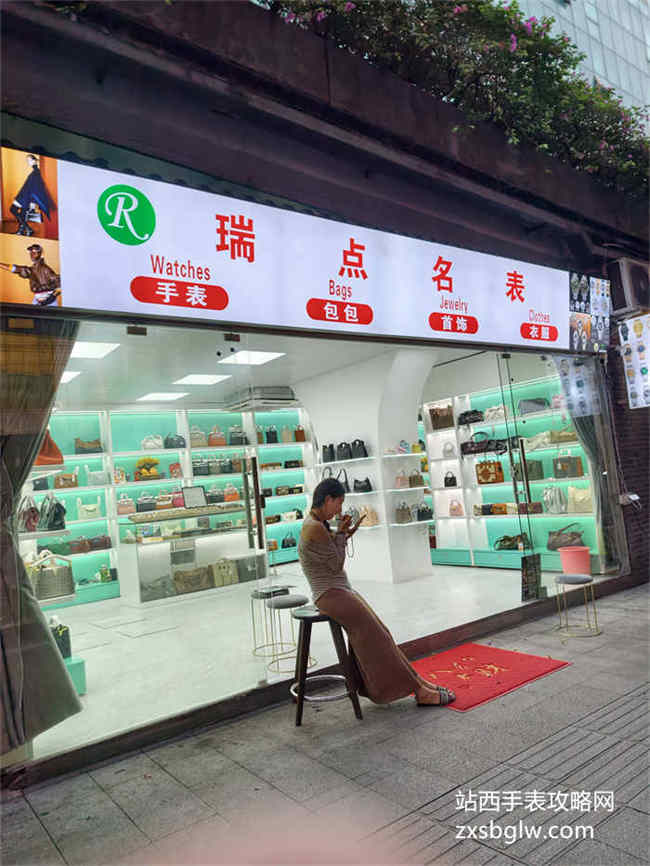
Floor one and two are mostly tourist traps. They sell low-quality quartz movements disguised as automatics. I once saw a client buy a "Blue Angel" there for $150, only to have the movement stop working after three days. The case finish was rough, and the sapphire crystal had bubbles. Don't waste your money there. Instead, walk past the flashy displays and look for the shops with heavy glass counters and no music playing. These are the ones dealing in genuine factory output.
The Factory Connection
Here is a secret most agents won't tell you: the best stock comes from factories located in the Dongguan area, but their showrooms are right here in Station West. One specific factory, let's call them "Guangzhou Precision Time," has a showroom on the 4th floor near the elevator shaft. They don't advertise much. You have to ask for the manager directly. I've been sourcing from them for six years. Their Blue Angel models use the Seagull ST2130 movement, which is the gold standard for affordable automatics. The accuracy is within -10/+20 seconds per day, which is incredible for this price point.
The Art of Inspection: What I Look For Before Paying
Buying wholesale isn't about looking at pictures; it's about touching the metal. When I inspect a batch of Blue Angel watches, I follow a strict checklist that I've refined over decades. This is where you separate the pros from the amateurs.
Checking the Movement Through the Case Back
First, I flip the watch over. Many shops hide the movement behind a fake solid back. I demand to see the rotor spinning. If it spins freely and smoothly, that's a good sign. For the Blue Angel model, the rotor should be decorated with a sunburst pattern that catches the light. If it looks flat or painted on, put it down immediately. I also check the balance wheel. It should oscillate rapidly. If it moves sluggishly, the lubrication is poor, and the watch will lose time quickly.
The Dial and Hands Alignment
This is the hardest part to replicate. In a genuine high-end piece, the date window is perfectly centered, and the hands are aligned precisely with the markers. On the lower-tier copies sold in Station West, the date often sits slightly off-center, or the hour hand doesn't align with the 12 o'clock marker. I measure this with a caliper. If the gap is more than 0.5mm, I reject it. Also, look at the lume. The Blue Angel usually features a strong green or blue glow in the dark. If you shine a flashlight on it and the glow fades instantly, the material is cheap strontium aluminate instead of the premium version.
Negotiation Tactics: Getting the Best Price Without Losing Respect
Many foreign buyers think they can haggle aggressively and get the best deal. In reality, being too aggressive makes the vendor defensive. I always start by showing I am a serious buyer. I never ask, "How much?" First, I ask, "What is your MOQ (Minimum Order Quantity) for this model?" and "Do you have the original box and papers?"
The Volume Discount Strategy
If you are buying 10 units, the price might be $80 per watch. If you buy 50, it drops to $65. If you buy 100, you might get it for $55. I always push for the 50-unit tier because the profit margin is better for my clients. However, I never reveal my total budget upfront. I say, "I am testing the market with 20 first. If the quality holds up, I will order 100 next month." This keeps the price flexible.
Payment Terms and Shipping
Never pay via Western Union unless you trust the person completely. I prefer Alipay or bank transfer with a deposit of 30% and the rest upon shipping photos. For shipping, I always recommend DHL or FedEx for speed, even though it costs more. A package taking 3 weeks via China Post is a nightmare for customer service. I calculate the cost difference myself: paying an extra $10 for shipping saves me hours of arguing with angry customers later.
Common Pitfalls and How I Avoid Them
Over the years, I have seen hundreds of deals go wrong. Here are the biggest mistakes I see overseas buyers make when sourcing from Guangzhou Station West.
The "Original Box" Scam
Sellers love to promise "original boxes" and "warranty cards." Often, these are just generic boxes printed with a logo. I always ask to see the serial number on the card match the serial number on the watch case. If they don't match, it's a fake set. I refuse to buy those. My rule is simple: if the paperwork doesn't match the product, the product is worthless.
Ignoring the Return Policy
Some vendors claim they don't accept returns. This is a red flag. Even if you are buying wholesale, you should negotiate a clause that allows you to return defective units within 7 days. I always write this in the contract. If they refuse, I walk away. There are too many other shops in Station West willing to work fairly.
Summary of Sourcing Data
To help you visualize the differences between the tiers we discussed, here is a quick comparison based on my recent transactions:
| Feature | Tourist Floor (Low End) | Main Showroom (Mid Range) | Premium Factory (High End) |
|---|---|---|---|
| Movement | Generic Quartz | Seagull ST2130 Clone | Genuine Seagull ST2130 |
| Date Alignment | Often Off-Center | Centered but slight variance | Perfectly Centered |
| Lume Quality | Fades in 1 hour | Fades in 4 hours | Lasts 8+ hours |
| Price per Unit (MOQ 50) | $25 - $35 | $55 - $65 | $75 - $85 |
| Recommended Shop | Avoid | Various Mid-Level Shops | Guangzhou Precision Time (Floor 4) |
As you can see, the jump in quality from the tourist floor to the premium factory is massive. The "Station West Watch Blue Angel" is not just a buzzword; it represents a specific niche of high-value replication that requires knowledge to access. If you want to succeed in this business, you cannot rely on Google images. You have to come here, touch the metal, check the movement, and build relationships with the people who actually make the watches.
My advice? Start small. Buy five units from the recommended factory on the 4th floor. Inspect them yourself. Test them for a week. once you see the quality, scale up. The market in Guangzhou is vast, but the gems are hidden in plain sight for those who know where to look. Don't let the noise of the crowd fool you. Go deep, ask the right questions, and you will find the best deals in the world right here in Station West.