Why "Green Candy" is the Real Deal in Guangzhou Station West
Welcome to the chaos. If you are reading this, you probably think you can just order a replica online and get something decent. Let me tell you, after twenty years of standing behind my counter at the Station West market, that is exactly how you lose money. When I hear foreign buyers ask about "Station West Green Candy," they usually picture some high-end Swiss movement or a specific brand name. They don't know that in our world, "Green Candy" (Lü Bing Tang) is slang for a specific tier of quality that sits right between the cheap junk and the expensive custom pieces.
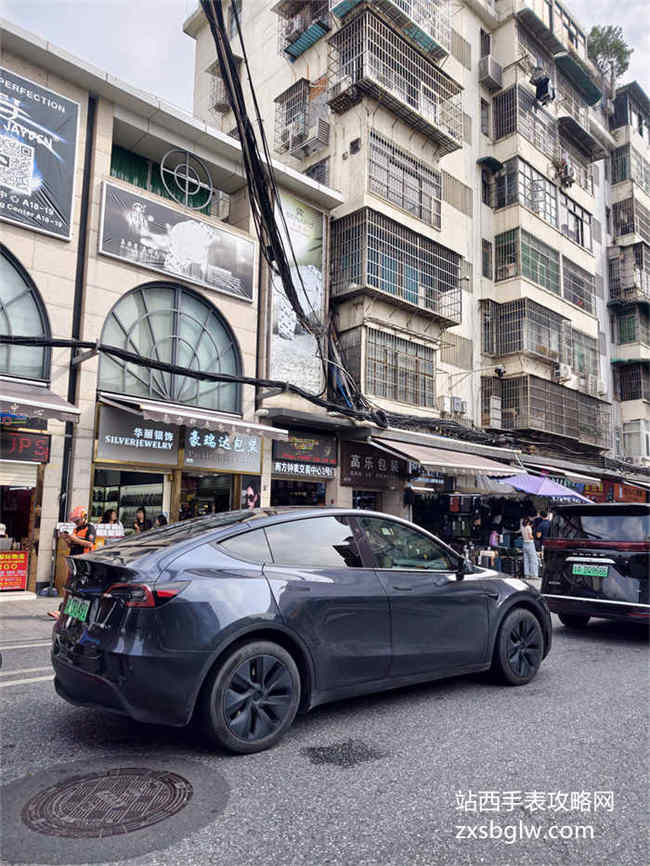
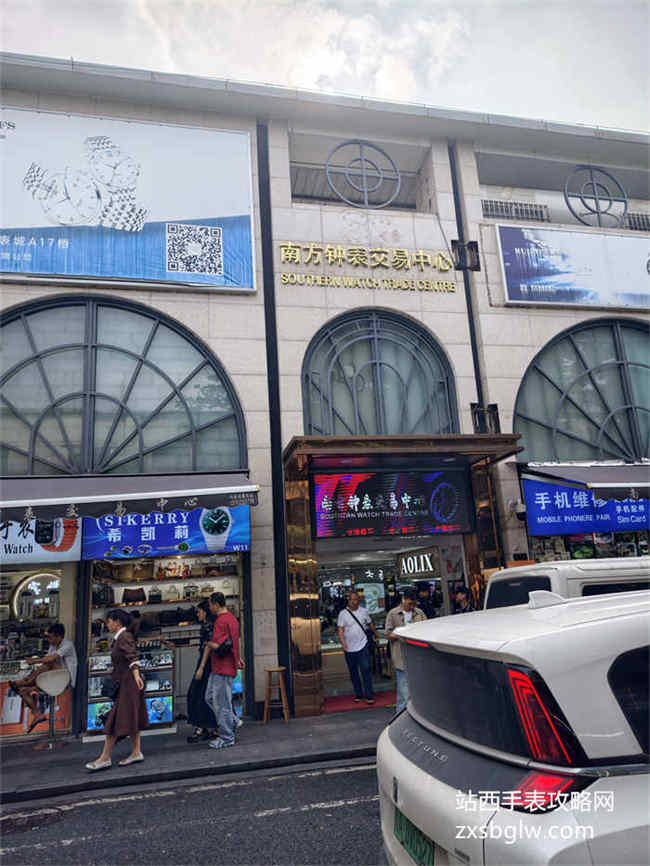
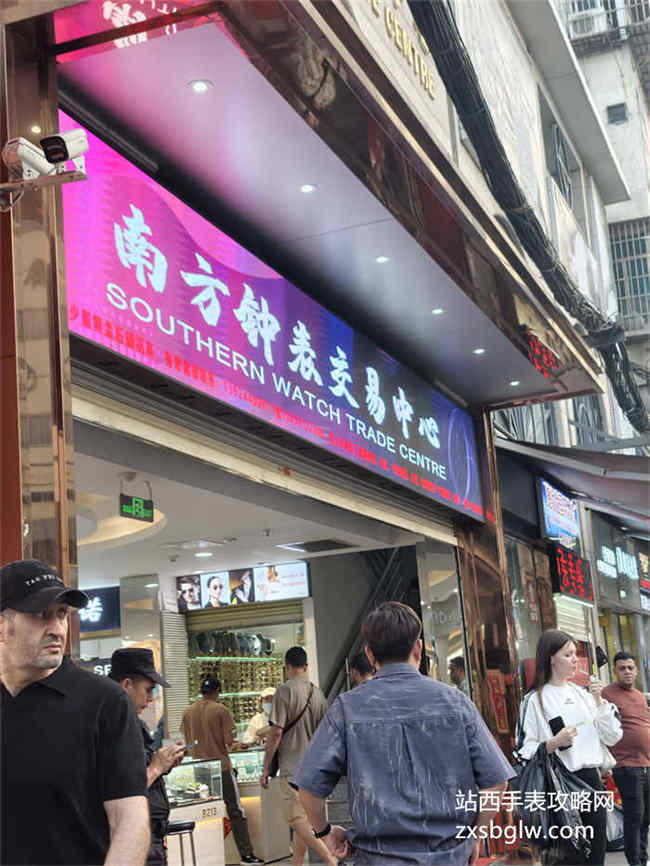
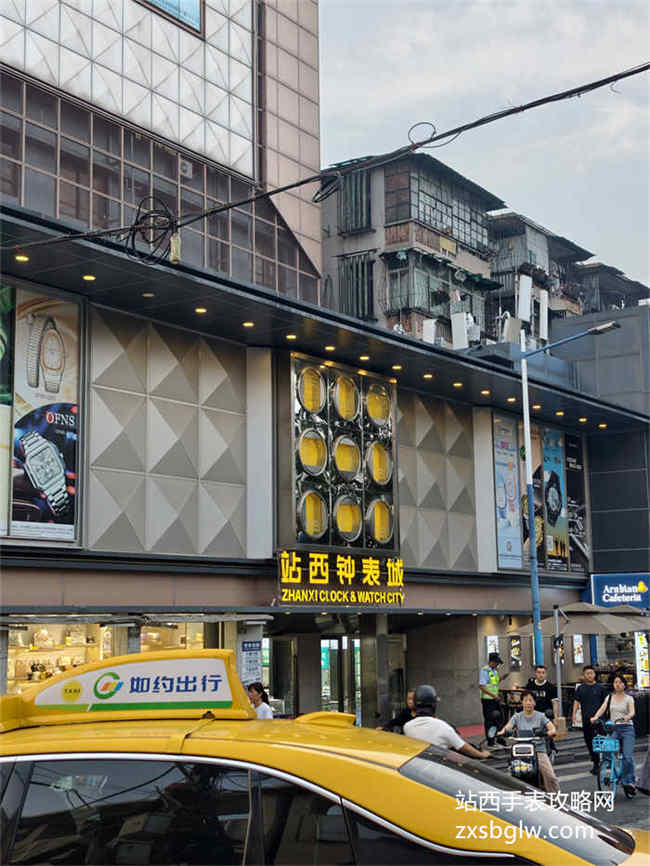
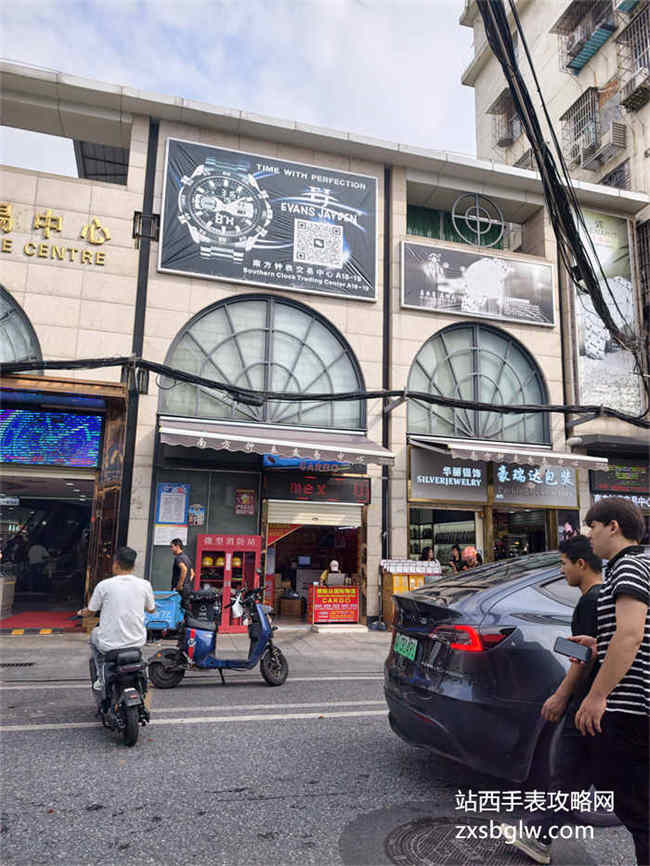
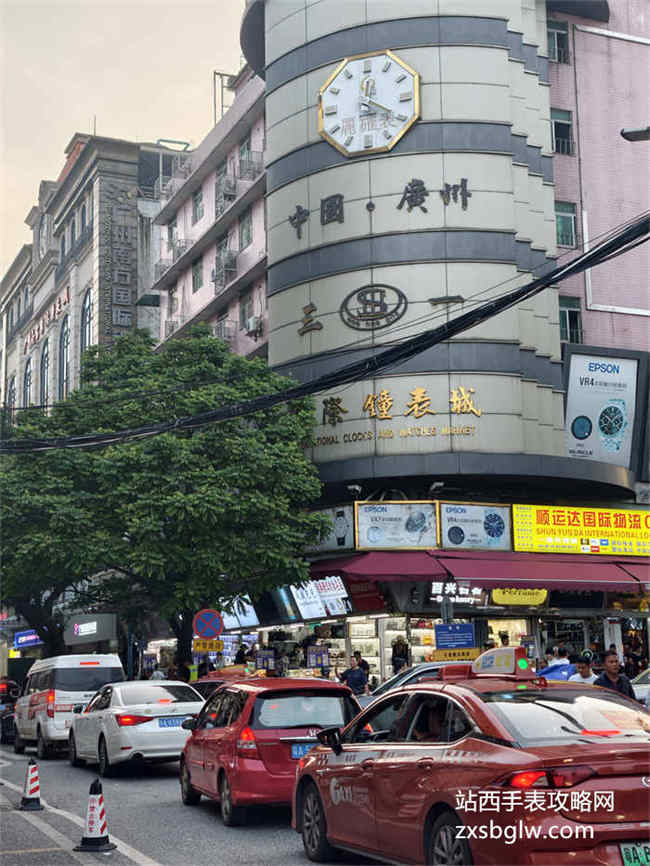
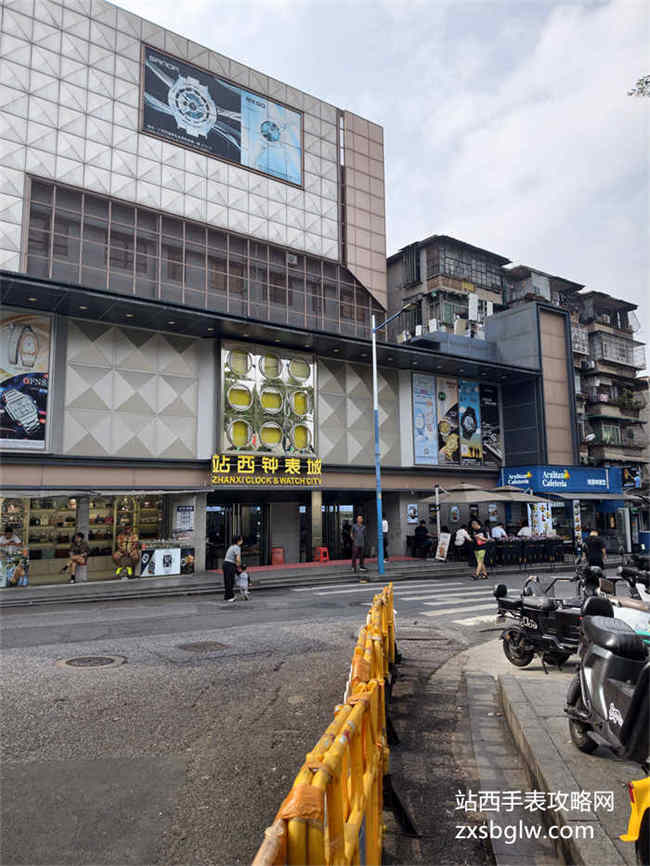
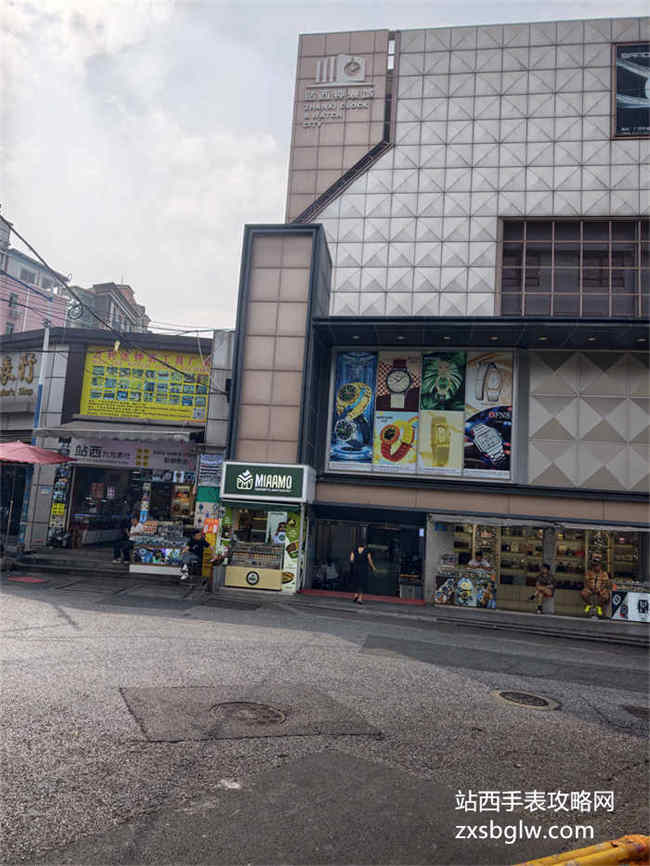
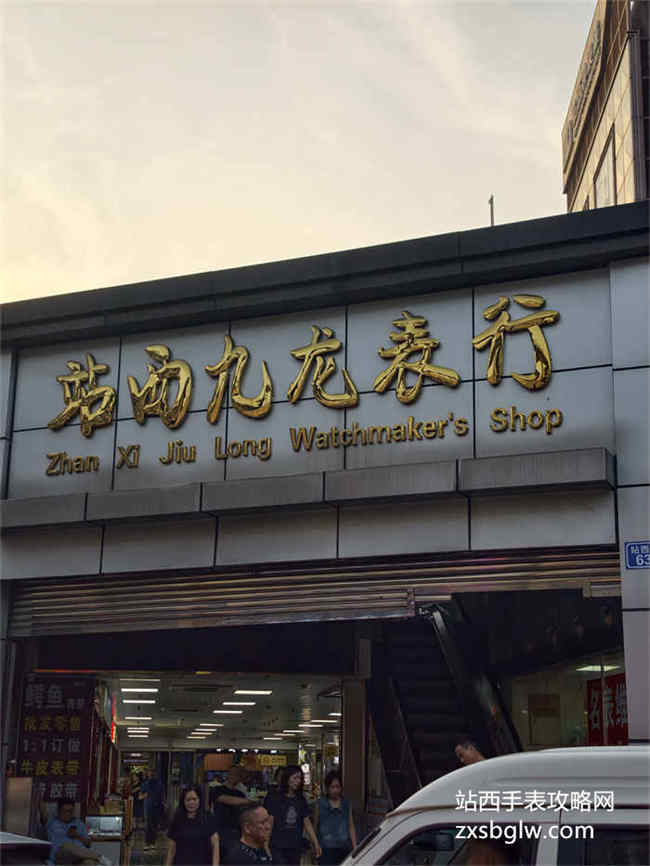
I am not going to give you a sales pitch. I am going to show you what happens when you walk into the building on Liuhua Road. The air here smells like soldering iron smoke, stale coffee, and ambition. This is where the real sourcing happens. If you want to find the best suppliers without getting ripped off, you need to understand the hierarchy of the market. The "Green Candy" label isn't written on a tag; it's whispered between trusted partners who have been doing business for decades. It means the dial has that specific glossy finish, the case finishing is sharp enough to cut paper, and the movement runs with a precision that makes a $500 watch look like a toy.
Navigating the Labyrinth: Where to Find the Real Goods
First things first: do not go to the street level. That is for tourists and people looking for $20 fakes that fall apart in a week. The serious action is upstairs. Most of the legitimate "Green Candy" stock is hidden in the upper floors of the Shengda Building and the surrounding blocks like the New World Plaza. You need to ignore the flashy signs on the ground floor that scream "Rolex" and "Patek." Those are bait.
The Secret Floor Strategy
When I take my overseas clients down here, I always tell them to head straight for the 4th and 5th floors. These are the wholesale floors where the real factories operate out of small offices. I remember one client from Dubai who wanted to buy 50 units of a specific diver watch. He went to the ground floor first and was quoted $15 per unit. I took him up to the 5th floor, walked into a small office with no sign on the door, and showed him the same watch. The price? $8. Why? Because he bought direct from the source, cutting out the middleman who was selling him the "tourist version."
You need to look for shops that have stacks of boxes, not just display cases. A shop that only shows one watch on a velvet pillow is a retail operation. A shop with fifty watches stacked in plastic bins, ready to be shipped, is a factory outlet. This is where you find the "Green Candy" inventory. The owners here are tough, but they respect knowledge. If you ask smart questions about the movement type or the sapphire crystal thickness, they will treat you like a partner. If you just say "I want the best," they will try to sell you the worst.
The Art of Inspection: How to Spot Fake Quality
Let's talk about the product itself. In the past, I saw thousands of watches that looked perfect until you put them under a loupe. Now, the "Green Candy" standard is much higher. Here is my checklist for every single piece I inspect before I let a client touch it.
Movement and Finish
The heart of the watch matters most. For the "Green Candy" tier, we are talking about Seagull ST19 movements or high-grade clones of the ETA 2824-2. Do not settle for Chinese automatics that stop working after three months. When I check a watch, I listen to the beat. A good movement has a smooth, silent sweep. A bad one ticks loudly and erratically. I also check the date change mechanism. Does it snap instantly at midnight, or does it drag on for an hour? The "Green Candy" watches snap instantly. That is a sign of quality assembly.
Then there is the finishing. Look at the edges of the bracelet links. Are they polished to a mirror shine, or do they have rough burrs? In the "Green Candy" category, the brushing should be uniform, and the polishing should be crisp. I once rejected a batch of 200 watches because the lugs were slightly misaligned. My client didn't even notice, but I did. And if I don't accept it, why should you?
The Dial and Crystal
The dial is where the magic happens. The "Green Candy" dials use high-quality printing with perfect alignment. No smudges, no color bleeding. The indices should be perfectly centered. As for the crystal, it must be sapphire. If it is mineral glass, run away. I test this by tapping the crystal with a fingernail. Sapphire sounds hard and clear; mineral glass sounds dull. Also, check the anti-reflective coating. A good "Green Candy" watch has a subtle blue tint when viewed from an angle. If it reflects everything like a mirror, it's low quality.
Dealing with Suppliers: Negotiation and Trust
once you find the right spot, the negotiation begins. In Guangzhou, prices are never fixed. They depend on your volume, your relationship, and your ability to pay cash. I always tell my clients: bring cash. Credit cards are useless here. We deal in RMB, and we deal fast.
Building Long-Term Relationships
Don't act like a tourist. Act like a buyer. Ask about their production capacity. Ask how long they have been making this specific model. If they hesitate, move on. The best suppliers in Station West are those who have been around since the early 2000s. They know the market better than anyone. I have a supplier named Mr. Chen on the 6th floor of the Shengda Building. He has been making watches for over fifteen years. His "Green Candy" line is legendary. He doesn't advertise. He just waits for his regular customers to come back. If you want to work with him, you need a referral or a solid reputation.
Another key point is the sample policy. Never buy a bulk order without seeing a sample first. I always insist on a pre-production sample. This costs a little more, maybe $50 extra, but it saves you thousands. I once saved a client $10,000 by catching a defect in the sample phase. The defect was in the clasp mechanism. It looked fine from the outside, but when you pressed it, it felt loose. We caught it before the mass production started.
Pitfalls to Avoid: What Not to Do
There are so many traps in this market. One common mistake is trusting photos sent via WhatsApp. Photos can be edited. Colors can be changed. only trust what you see with your own eyes. Another mistake is trying to rush the process. Good watches take time to make. If a supplier promises you 100 watches in two days, they are lying. They are either using old stock or cutting corners.
Shipping and Customs
Finally, let's talk about shipping. Many buyers forget to consider customs duties. When you import these watches, you need to declare them correctly. If you try to hide the value, you risk having your goods seized. I recommend using a reliable freight forwarder who knows how to handle electronics and watches. They can help you navigate the paperwork and ensure your goods arrive safely.
Summary of Key Takeaways
| Factor | What to Look For | Red Flag |
|---|---|---|
| Location | 4th-6th Floors of Shengda/New World | Ground floor retail displays |
| Movement | Seagull ST19 or High-grade ETA Clone | Noisy ticking, slow date change |
| Crystal | Sapphire with AR coating | Mineral glass, heavy reflection |
| Payment | Cash or Direct Transfer (RMB) | Credit card only, high fees |
| Supplier | Long-term presence, sample policy | New shop, no samples, rushed delivery |
Walking through the Station West market is an experience unlike any other. It is loud, chaotic, and incredibly rewarding if you know what you are doing. The "Green Candy" watches represent the pinnacle of what this market can offer. They are not just replicas; they are a testament to the skill and dedication of the artisans here. So, next time you are planning a trip to Guangzhou, skip the malls and head straight for the station. Bring your loupe, bring your cash, and be ready to negotiate. That is how you get the real deal.