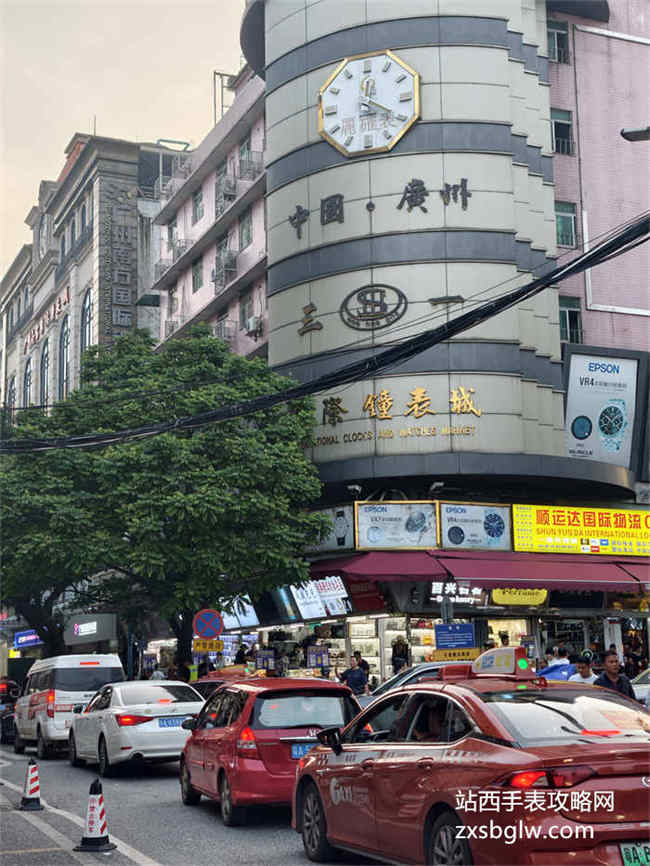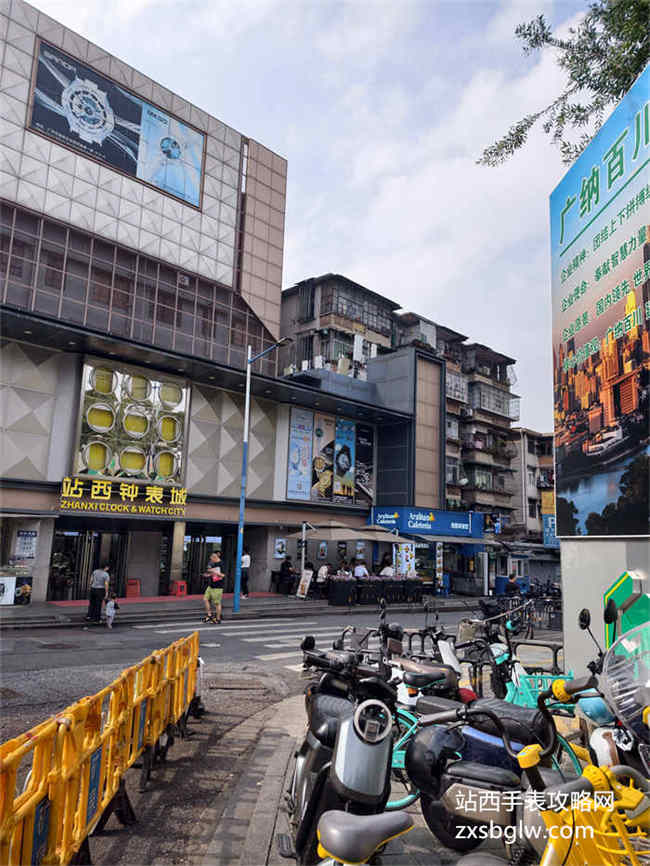
Walking the Floor: My Honest Take on Station West Watch Market
I've been standing behind the counter at Station West in Guangzhou for over fifteen years. While you might see tourists snapping photos of the neon signs or hearing about "super clones" from online forums, the reality of doing business here is a lot grittier and more nuanced than that. If you are an overseas buyer thinking about sourcing watches directly from the source, forget what you read on generic blogs. I'm going to walk you through exactly how we operate, where the traps are, and how to actually find quality without getting ripped off.
The Real Vibe vs. The Internet Myth
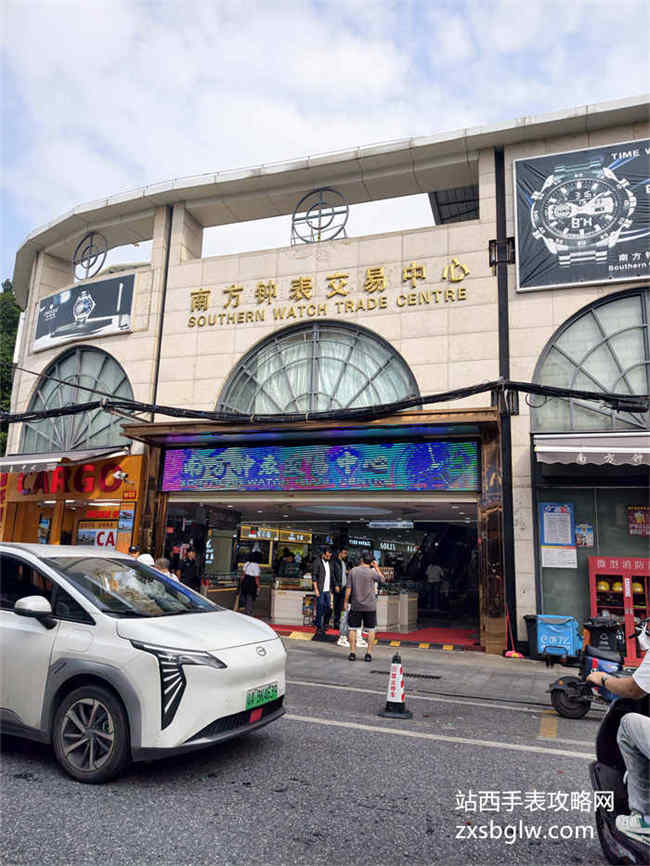
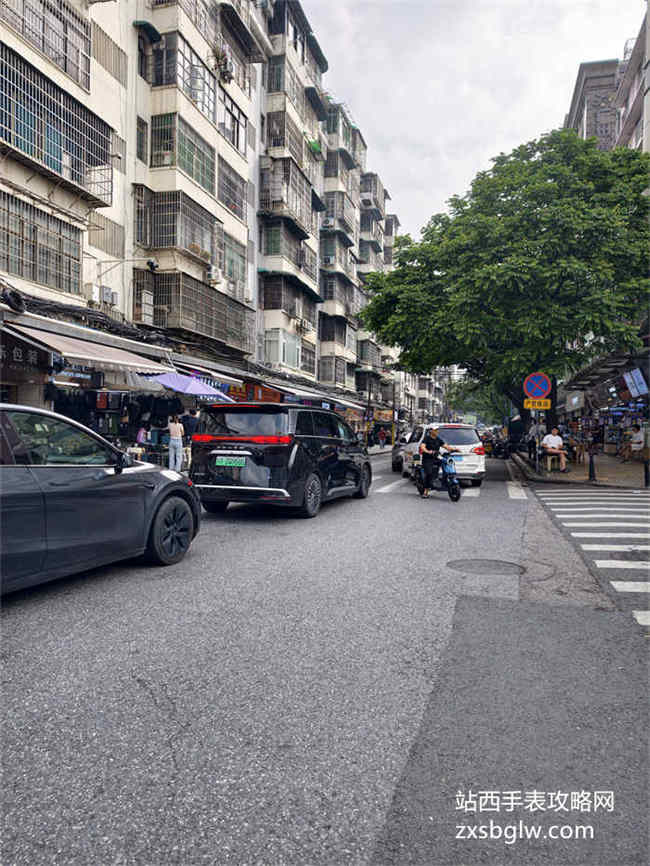
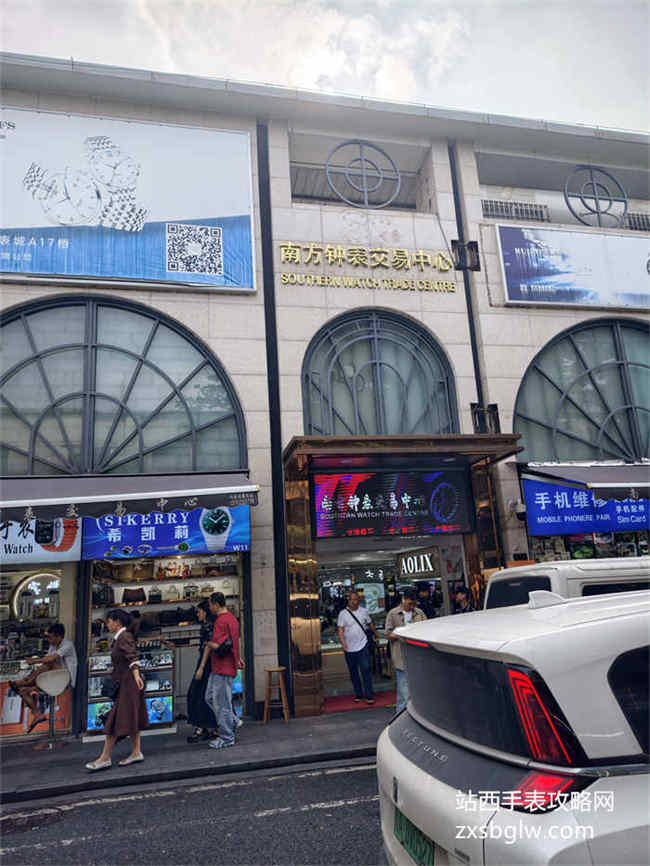
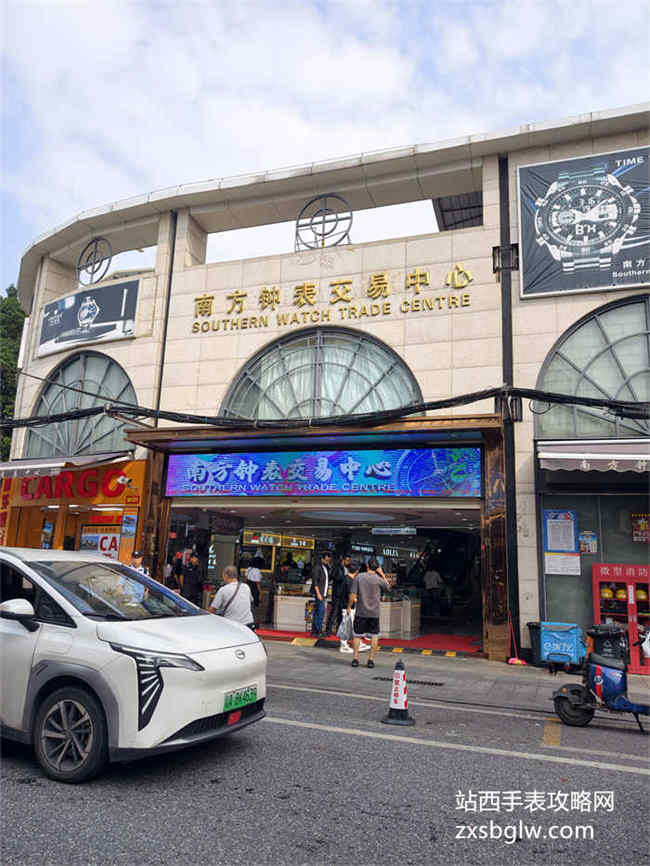
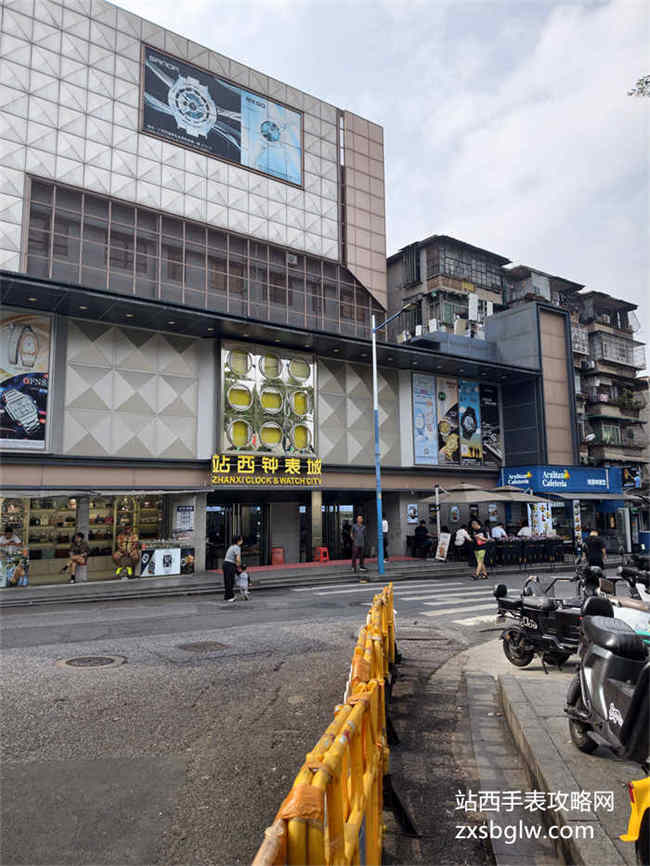
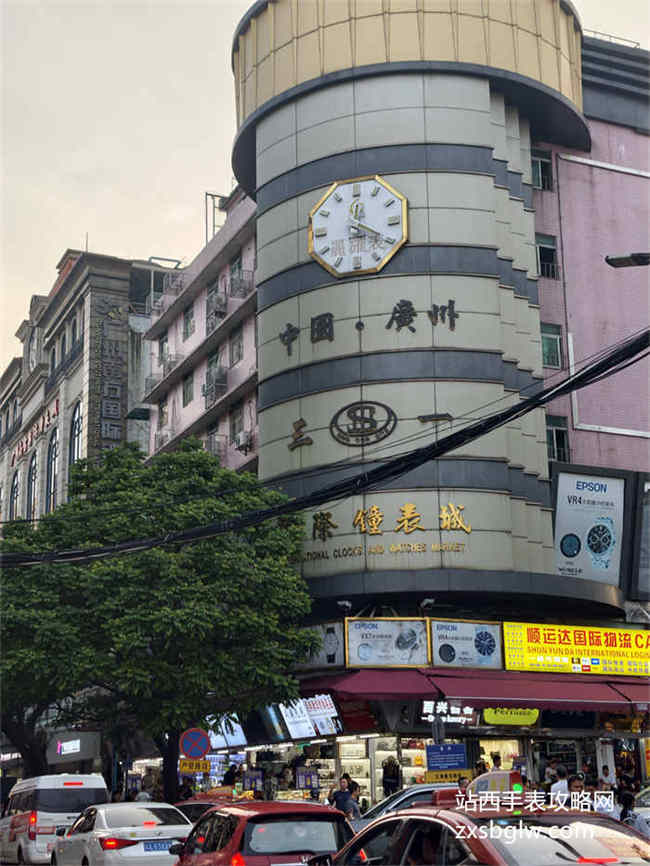
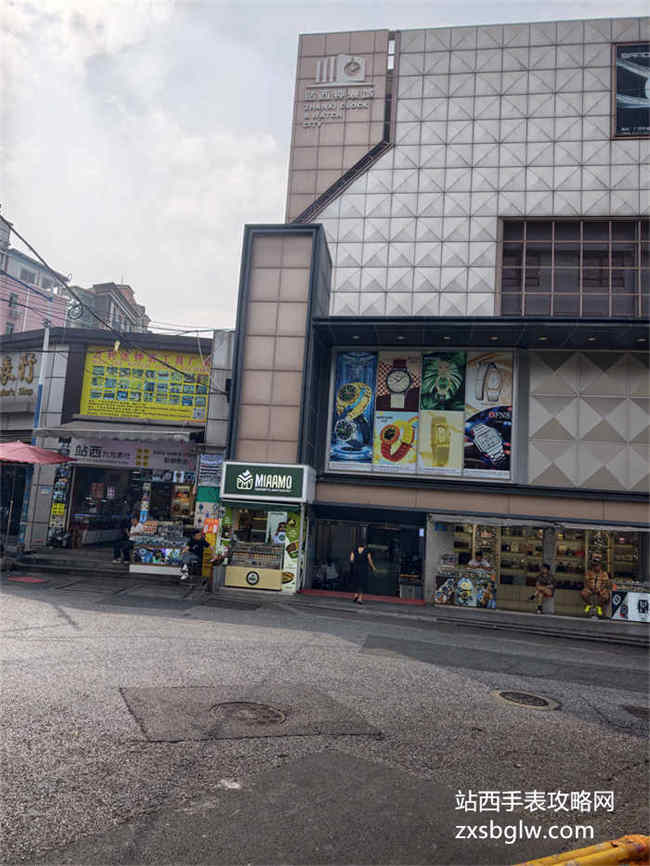
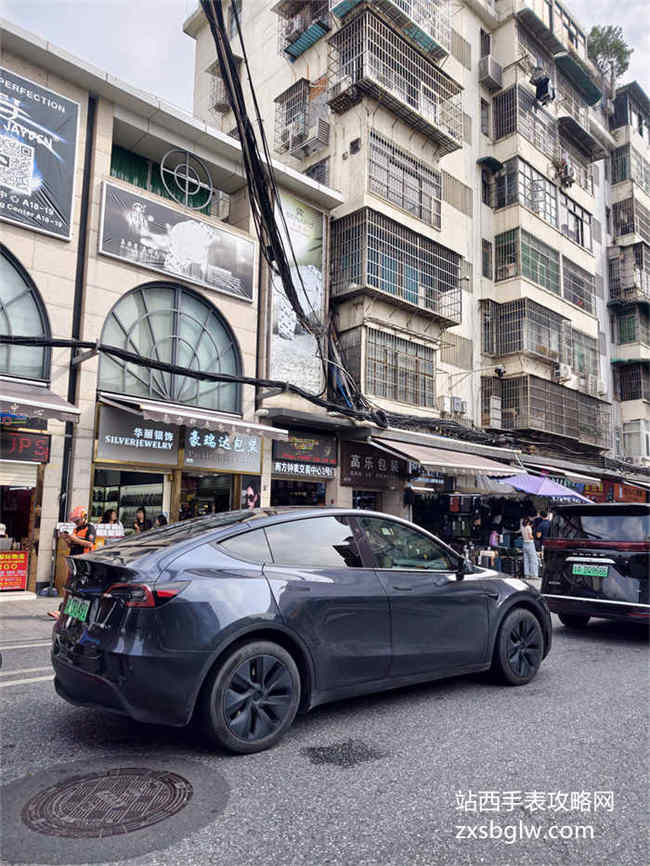
First things first, let's clear up the confusion. When people talk about Guangzhou Station West watch market, they often imagine a chaotic bazaar selling fake Rolexes everywhere. That's half true, but it misses the point. The market is divided into distinct zones. You have the ground floor bustling with street vendors selling cheap fashion watches and obvious fakes, and then you have the upper floors of buildings like the International Trade Center (ITC) and the nearby wholesale complexes where the serious business happens. These upper floors are where the factories' showrooms are located. They don't scream "fake"; they look like legitimate boutique stores. This is where you need to be if you want to discuss OEM production or high-end replicas legally.
Navigating the Showrooms: How to Spot Quality
When I first started, I made the mistake of walking in with a blank checkbook. Big mistake. In this industry, your demeanor tells the seller everything. If you look like a tourist, you get the tourist price. If you look like a buyer who knows their movements, you get the real deal. Here is my step-by-step process for inspecting goods.
Inspecting the Movement and Case Back
Never accept a photo. Period. Even the best photos can hide flaws. When you are at a stall, ask to see the movement. A genuine Seagull ST1900 or a high-grade clone of a Swiss ETA 2824-2 should feel solid. I once saw a buyer pay $500 for a watch that looked perfect until he flipped it over; the case back was glued shut with cheap epoxy, not screwed down properly. At Station West, the difference between a $200 piece and a $600 piece is often the finishing on the movement. Look for the blued screws, the perlage decoration, and the smoothness of the rotor. If the rotor spins loosely or sounds rattly, walk away. We have seen buyers lose thousands because they didn't check the balance wheel stability.
The Weight Test and Crystal Clarity
Weight is a dead giveaway. A heavy stainless steel case should feel substantial. If a watch feels light as a feather, the metal is likely low-grade alloy or hollowed out. Also, check the sapphire crystal. In the past, many stalls used mineral glass that scratches easily. Now, most reputable suppliers use double-domed sapphire with anti-reflective coating. Shine a flashlight on it. If you see rainbow reflections, it's coated. If it looks flat and dull, it's probably just glass. I remember a specific incident where a client bought fifty units from a stall on the third floor of the ITC building, only to realize later that the crystals were not scratch-resistant. They had to write off the entire shipment.
Dealing with Suppliers: Negotiation and Trust
This is where the magic happens. The prices listed on the internet are usually inflated by 30% to 50%. You need to negotiate face-to-face. The key is to build rapport. Don't just ask for the price; ask about the production cycle, the material grade, and the warranty policy. Most sellers at Guangzhou Station West watch market will give you a "wholesale price" immediately, but that's just the starting point.
Building Long-Term Relationships
If you are looking for a steady supply chain, you need to find a supplier who treats you like a partner, not a one-time customer. I recommend visiting the same few stalls multiple times. Consistency builds trust. once a supplier knows you are serious, they will show you samples that aren't even on display yet. They might pull out a prototype from the factory that hasn't hit the shelves. This is how you get access to the latest designs before anyone else. However, be careful. Some sellers try to push "new arrivals" that are actually old stock with new packaging. Always verify the date codes on the movement.
Payment Terms and Logistics
Never pay 100% upfront unless you have a long-standing relationship. For first-time orders, a 30% deposit and 70% upon inspection is standard. As for logistics, don't rely on the seller to handle shipping unless you trust them implicitly. Many sellers offer "DDP" (Delivered Duty Paid) services, but these can be risky if the customs seize your goods. It is better to use a reliable freight forwarder who specializes in electronics and luxury goods. I always advise my clients to use a third-party inspection service before the final payment is released. It costs a fraction of the order value but saves you from disaster.
Common Pitfalls and How to Avoid Them
Even after all these years, I still hear stories of buyers getting scammed. Here are the most common traps I've seen.
The "Factory Direct" Lie
Many stalls claim to be "factory direct," but they are just middlemen. They buy from actual factories and resell to you. To find the real factory, you need to dig deeper. Ask for their business license and visit their workshop if possible. Some factories are located in Dongguan or Shenzhen, not right in the market. If a seller refuses to show you any documentation or claims they are too busy to let you visit, run. Another red flag is when they promise "no minimum order quantity" (MOQ). Real factories usually require a minimum of 10-20 pieces per model to cover setup costs. If they say zero MOQ, they are likely dropshipping from a lower-quality source.
The Hidden Costs
Beware of hidden fees. Some sellers quote a low price for the watch but charge extra for packaging, batteries, or shipping. Always ask for a "landed cost" estimate. I once saw a buyer think they got a great deal on a batch of watches, only to find out that the packaging alone cost more than the watch itself. Make sure everything is included in the final quote.
Summary of Key Takeaways
| Aspect | What to Watch Out For | Pro Tip |
|---|---|---|
| Location | Avoid ground floor street vendors for serious sourcing. | Go to the 3rd-5th floors of ITC or nearby wholesale buildings. |
| Movement | Check for loose rotors or poor finishing. | Use a loupe to inspect the movement details closely. |
| Pricing | Initial quotes are often inflated. | Negotiate based on volume and long-term partnership potential. |
| Shipping | Risk of customs seizure with DDP services. | Use a specialized freight forwarder for better control. |
| Trust | "Factory direct" claims can be false. | Verify business licenses and request factory visits. |
Doing business at Guangzhou Station West watch market requires patience, knowledge, and a sharp eye. It's not a place for impulse buys. But if you take the time to understand the landscape, build relationships with the right suppliers, and follow these practical steps, you can source incredible products at prices that make your business profitable. Remember, the best deals aren't found in the ads; they are found in the quiet corners of the showrooms where the real work gets done. Go there, look closely, and trust your instincts.