Why I've Been Selling Watches at Zhanxi for 15 Years and What You Need to Know Before You Buy
I have been standing behind the counter in Guangzhou's Zhanxi market since before most of you were even born. While the internet is flooded with "Zhanxi replica watch" guides written by people who have never stepped foot inside a single wholesale stall, my advice comes from grease-stained hands and thousands of deals closed over two decades. If you are an overseas buyer looking to source high-quality timepieces, stop scrolling through generic blogs. The real value isn't in reading about it; it's in understanding the chaotic, electric atmosphere of the actual market floor.
The term "Guangzhou Zhanxi watch market" often gets a bad rap online because of the noise surrounding replicas. But let's be honest: if you know how to navigate the maze, this place is the undisputed engine room of global horology. Whether you are sourcing for your own boutique or looking for that specific "top tier" movement that mimics Swiss engineering without the Swiss price tag, the experience here is entirely different from ordering online. I'm going to walk you through exactly how we operate, where the money is made, and the specific traps that will drain your wallet if you aren't careful.
Navigating the Physical Market: It's Not Just about Walking In
The Layout and How to Find the Real Goods
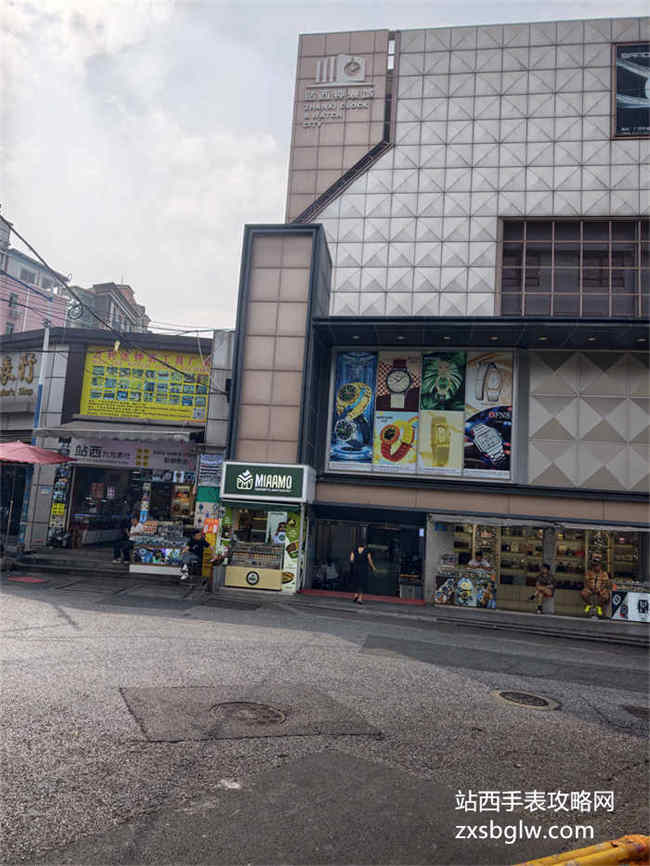
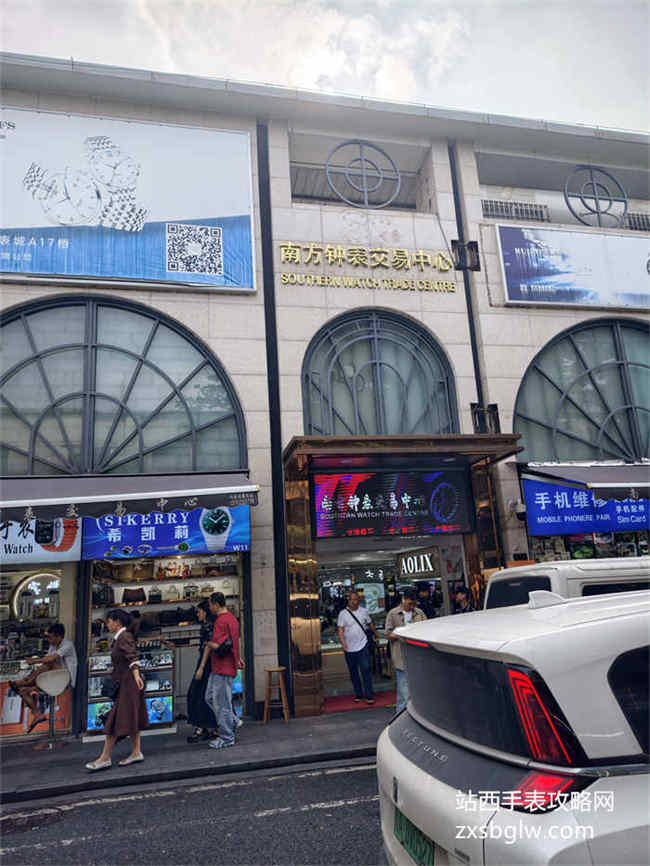
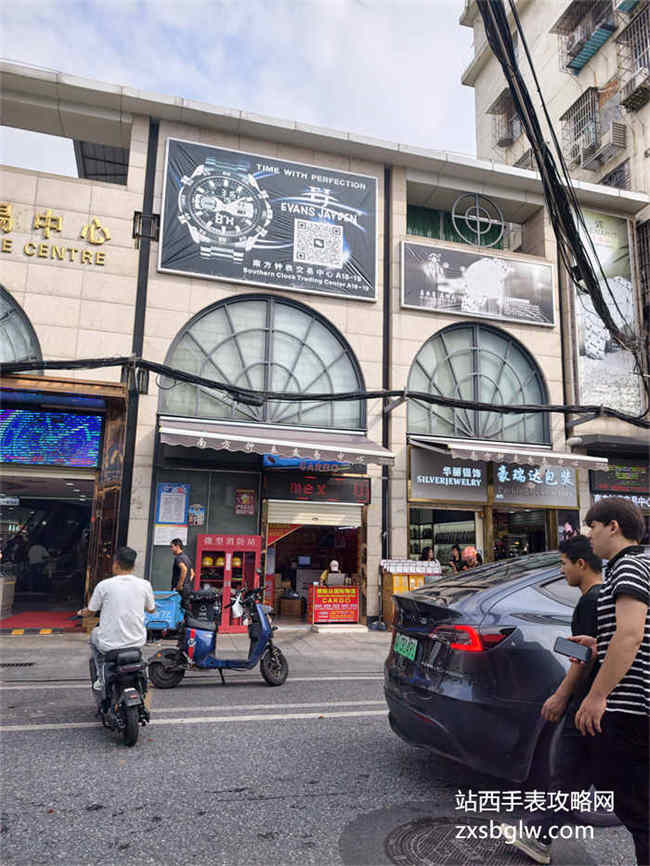
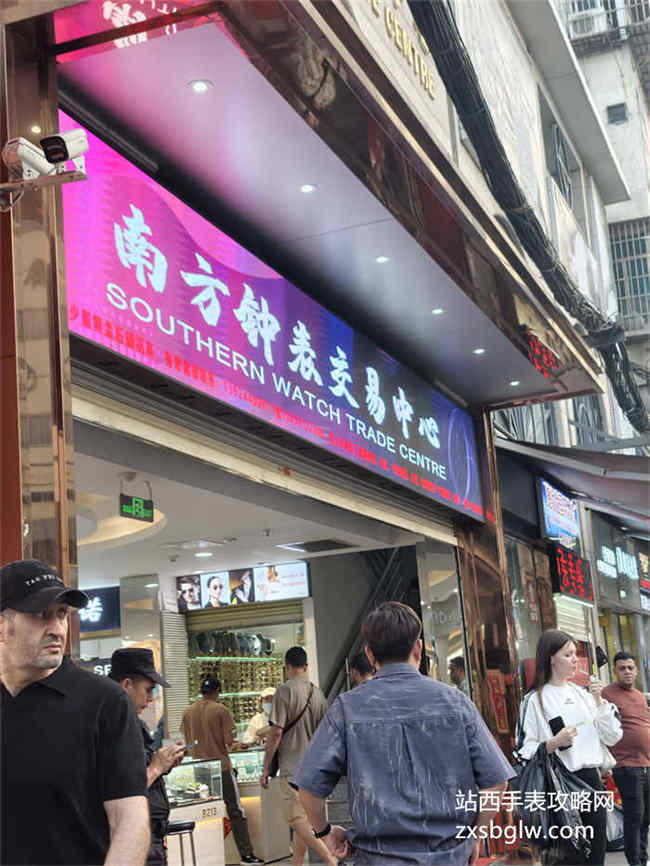
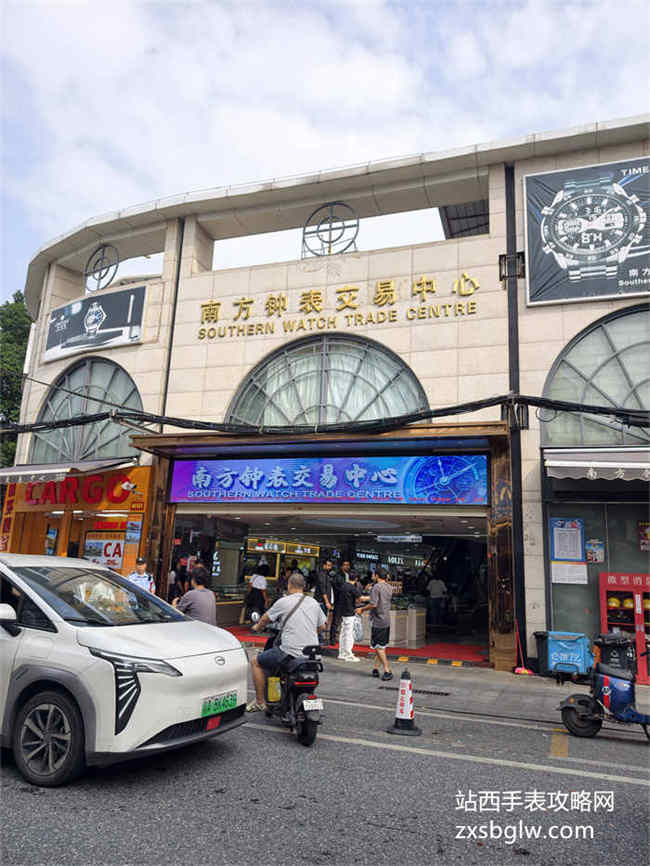
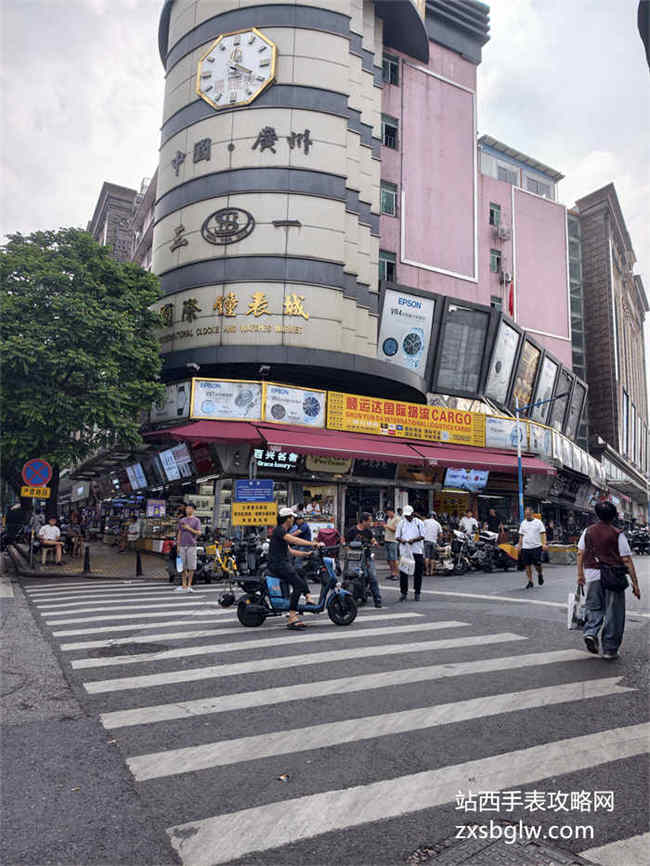
When you first arrive at the Zhanxi area, usually near the Donghao Plaza or the older buildings around Liuhua Road, you might feel overwhelmed. There are hundreds of stalls, but only a handful hold the inventory that actually moves internationally. Most tourists get stuck on the ground floor, which is filled with low-end junk designed for the local street market. Do not waste your time there. The serious buyers, the ones dealing with $500+ pieces that look indistinguishable from the originals, are always on the upper floors or in the back rooms of the larger complexes like the Donghao Building.
I remember a client from New York last year who insisted on buying from a stall he found on Google Maps. He ended up paying double what he should have for a piece that had a fake sapphire crystal and a cheap quartz movement inside. The lesson? The best stock is rarely displayed openly. You need to ask for the "VIP collection" or the "factory direct samples." When you enter a legitimate stall, don't just look at the watches on the table. Ask the owner to open the safe. That is where the real factory-direct goods live. We keep our best movements, like the 3135 clones or the 4130 chronos, hidden away until we establish trust.
Building Trust with Local Stall Owners
In Zhanxi, trust is currency. If you walk in acting like a tourist, asking "How much for this?" without knowing the difference between a Miyota movement and a Seagull clone, they will quote you the retail price meant for locals who don't know better. I treat every foreign buyer as a potential long-term partner. I tell them straight up: "I am not selling you a toy; I am selling you a product that competes with luxury brands." This mindset shift changes everything. When you speak their language—literally and figuratively—you gain access to the unlisted inventory.
For example, if you want to source the "Super Clone" Rolex Submariner, you need to know that the dial printing quality varies wildly between factories. Some use a laser-etched logo, while others use simple painting. At my stall, we work directly with the factory in Shenzhen that supplies the highest grade dials. I can show you the difference under a loupe. A novice sees a black dial; I see the depth of the luminescence and the precision of the indices. This level of detail is why I have clients flying in from Dubai and London every month.
Sourcing Strategy: From Selection to Quality Control
Understanding the Factory Tiers
You need to understand that not all "Zhanxi watches" are created equal. The market is segmented into tiers based on the movement and the finishing. Tier 1 is the absolute top end, often using modified movements that run within seconds of the original. Tier 2 is good for daily wear but lacks the refinement. Tier 3 is the cheap stuff you see in airport shops. When I help clients source, I always start by defining their budget and their target audience.
Let me give you a real data point. Last month, a buyer wanted 50 units of a specific Patek Philippe Nautilus style. He asked for the "best quality." I showed him three options. Option A was from a small workshop, priced at $80 per unit, with a rough finish and a basic movement. Option B was from a mid-tier factory, $150 per unit, with decent polishing but inconsistent water resistance. Option C was from the premium factory I partner with, $220 per unit, featuring a fully customized movement, sapphire case back, and perfect alignment. He chose Option C. Why? Because when he resells them in his US store, he can charge $600-$700. The margin is clear. Buying cheap means you lose credibility.
The Inspection Process: Don't Skip the Loupe
One of the biggest mistakes I see overseas buyers make is relying on photos sent via WhatsApp. Photos lie. They hide scratches, misaligned bezels, and poor lume application. My rule is simple: never ship anything without a physical inspection. When you visit my stall, we sit down with a loupe. I check the movement for you. I show you the engraving on the rotor. I test the water resistance myself. If you are not visiting in person, hire a trusted agent, but do not rely on third-party agents who haven't worked in Zhanxi for years.
We also have a strict policy on packaging. A watch looks great in the box, but if the strap is flimsy or the clasp feels loose, the customer will return it. I personally inspect every strap for stitching consistency. In the past, I lost a big order because I didn't check the buckle mechanism on a batch of 200 watches. The buckles were slightly bent. I caught it before shipping, but it cost me time. That is the kind of operational detail that separates a pro from an amateur.
Dealing with Logistics and Avoiding Common Pitfalls
Cross-Border Shipping and Customs
once you have selected your goods, the next hurdle is getting them out of China without issues. Many buyers panic about customs seizures. Here is the truth: if you declare the value correctly and choose the right shipping method, you are fine. However, do not try to hide the nature of the goods. If you are importing high-end replicas, you need to be aware of the legal landscape in your country. In many places, these items fall into a gray area, but if you are importing for personal use or as a sample, it is generally manageable.
We work with logistics partners who specialize in this. They know how to pack the boxes to avoid damage and how to label the packages to ensure smooth transit. For example, we recently shipped a container of 500 watches to Brazil. The logistics team used a specific courier that handles electronics and accessories efficiently. The delivery took 12 days, and every single watch arrived intact. This reliability is crucial for maintaining your reputation.
Common Scams and How to Dodge Them
The market is full of sharks. Some stall owners will promise you the moon and then send you a box of junk. Others will take your deposit and disappear. To avoid this, always meet in person first. If you cannot come, video call the stall owner and ask to see the specific batch you are buying. Look for the factory stamps on the movement. Check the serial numbers. If they refuse to show you the details, walk away.
Another common scam is the "upgrade" trick. They sell you a lower-tier watch and claim it has been upgraded to a higher tier after payment. I have seen this happen too many times. Always agree on the specifications in writing before you pay. Include details about the movement type, the material (e.g., 316L stainless steel), and the warranty terms. At my stall, we provide a one-year warranty on the movement. If it stops working, we fix it or replace it. This guarantee builds loyalty.
Summary of Key Takeaways for Overseas Buyers
| Action Step | What to Do | Why It Matters |
|---|---|---|
| Visit the Market | Go to Donghao Plaza, skip ground floor, go upstairs. | Avoids low-quality junk and finds genuine factory stock. |
| Inspect Physically | Use a loupe, check movement, test water resistance. | Photos hide defects; physical inspection ensures quality. |
| Verify Factory Source | Ask for factory names, check movement engravings. | Ensures you are buying from the top tier, not a middleman. |
| Secure Logistics | Use specialized couriers, declare value accurately. | Prevents customs seizures and ensures safe delivery. |
| Build Relationships | Treat owners as partners, negotiate long-term contracts. | Gets you better prices, priority stock, and reliable support. |
Buying from Guangzhou Zhanxi is not a game for the faint-hearted. It requires knowledge, patience, and a willingness to dig deep. But for those who put in the effort, the rewards are immense. You get access to the finest craftsmanship in the world at a fraction of the cost. As a local shop owner, I am here to guide you through this process, share my secrets, and help you build a successful business. So, when you are ready to take the plunge, remember: the best deals are not found online; they are found face-to-face in the heart of Zhanxi.