The Real Pulse of Guangzhou Watch Trading: A Veteran's Guide to Zhanxi Night Markets
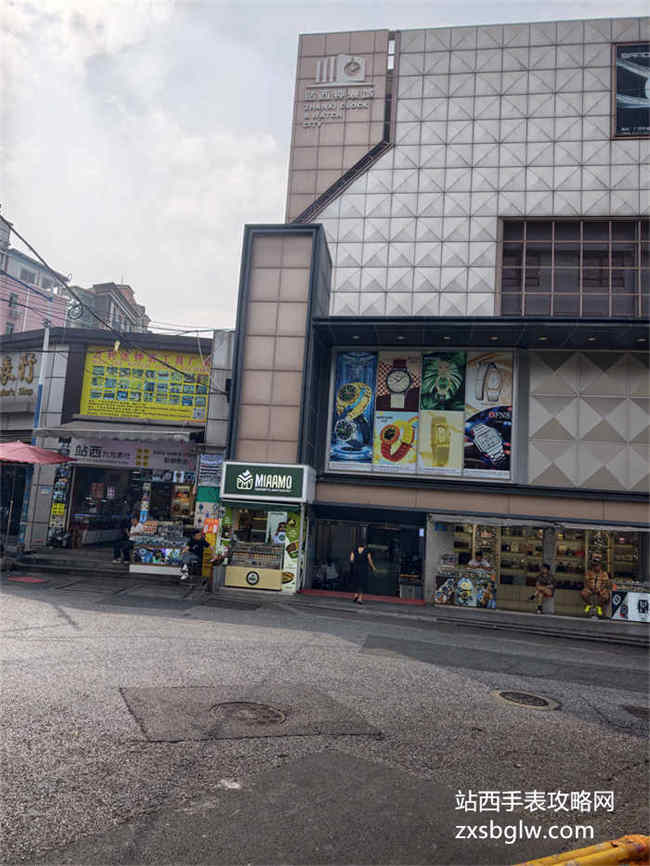
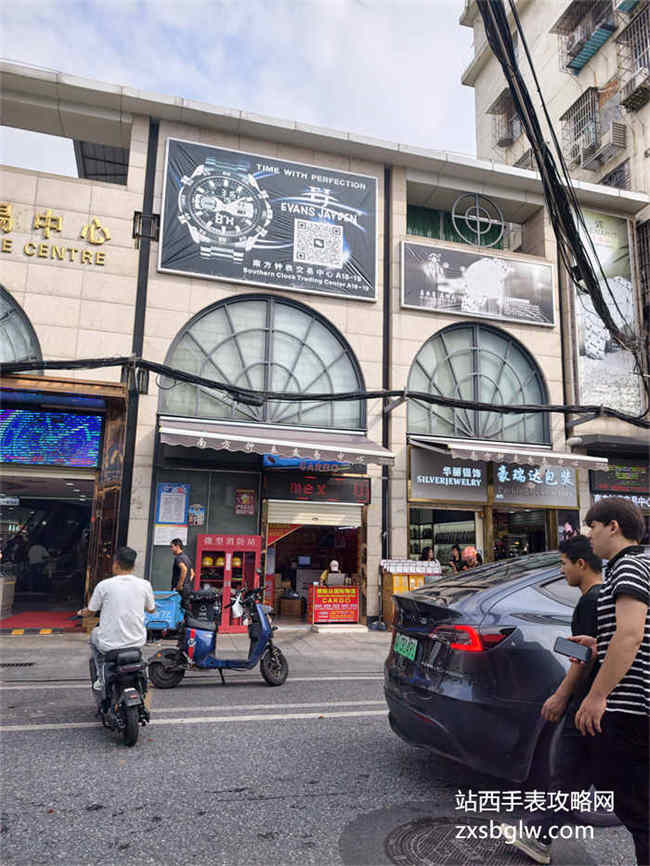
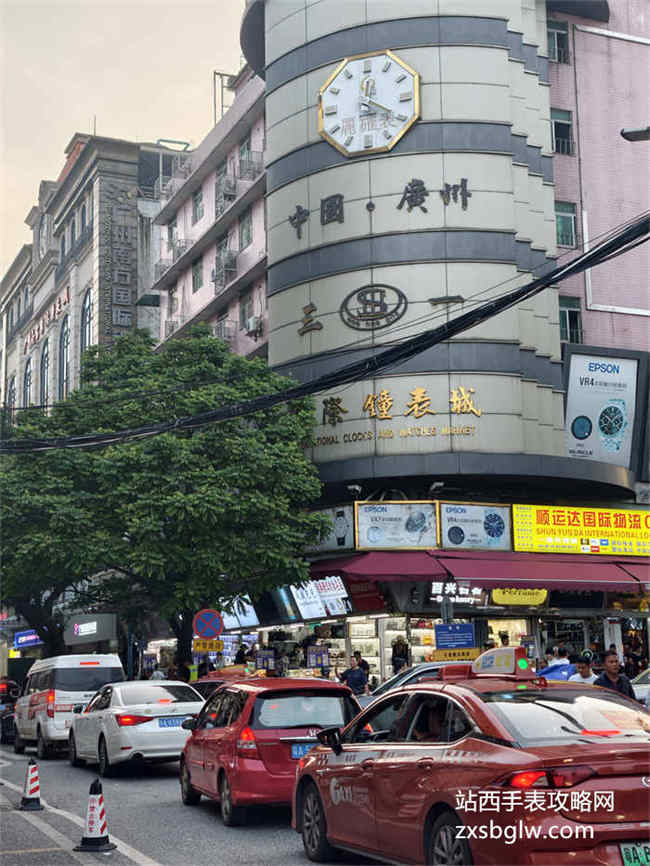
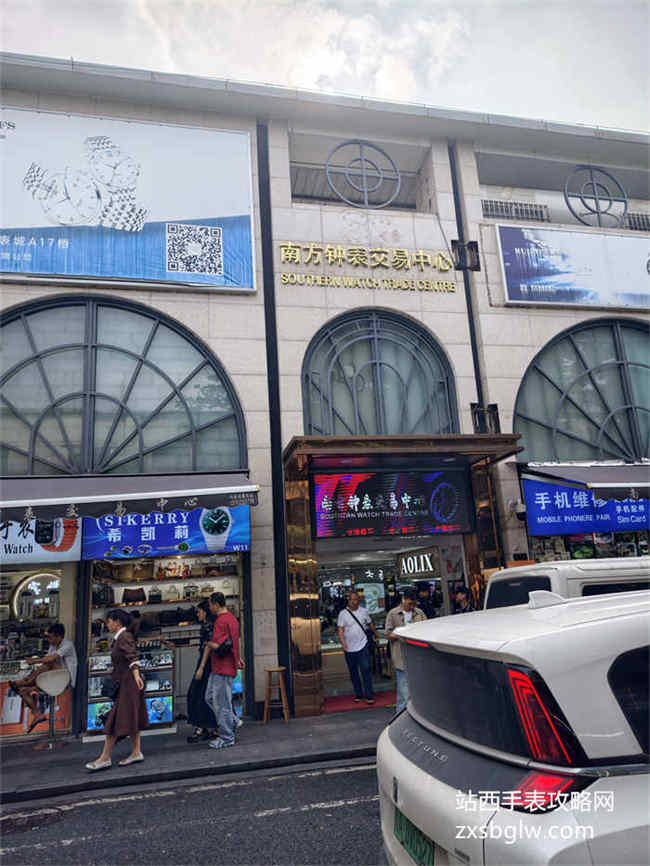
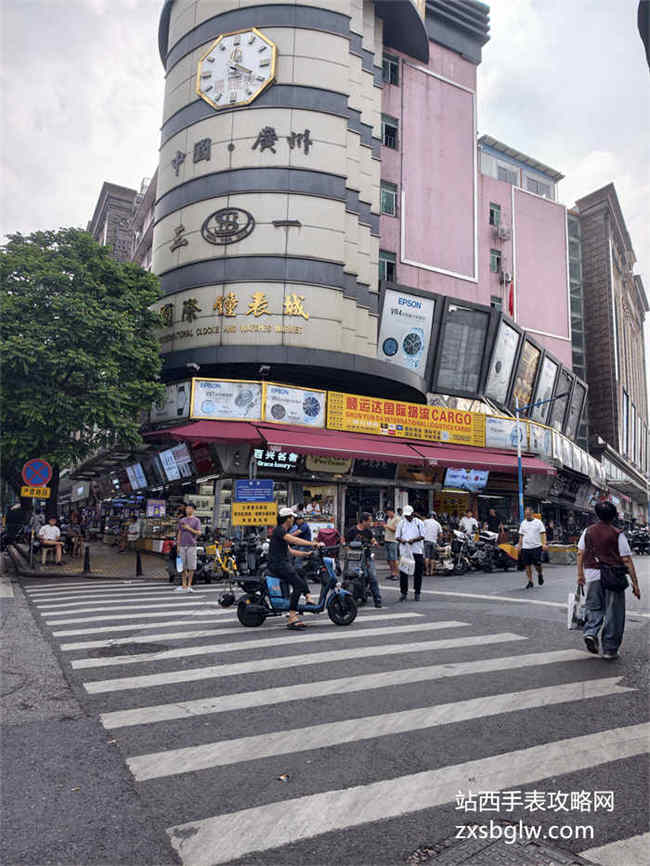
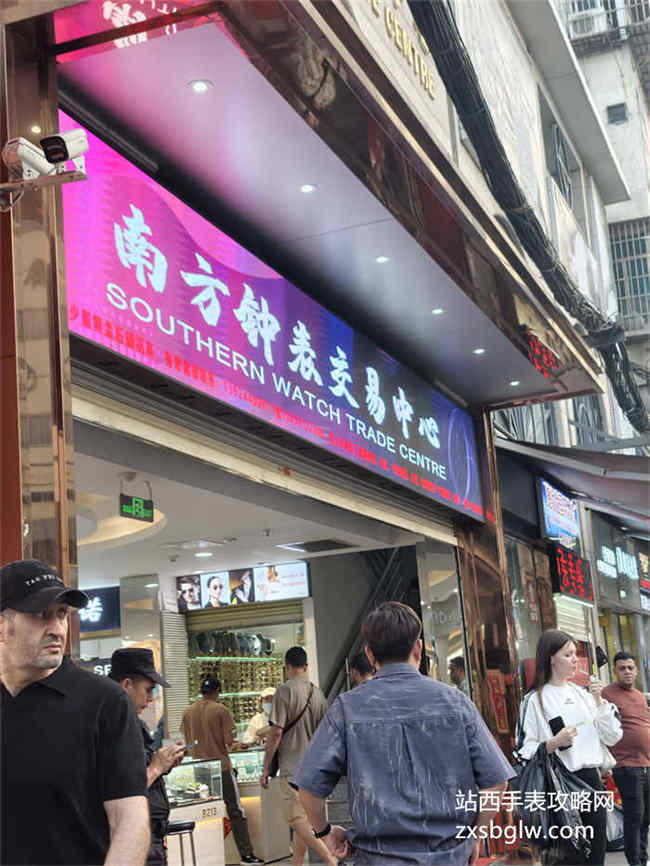
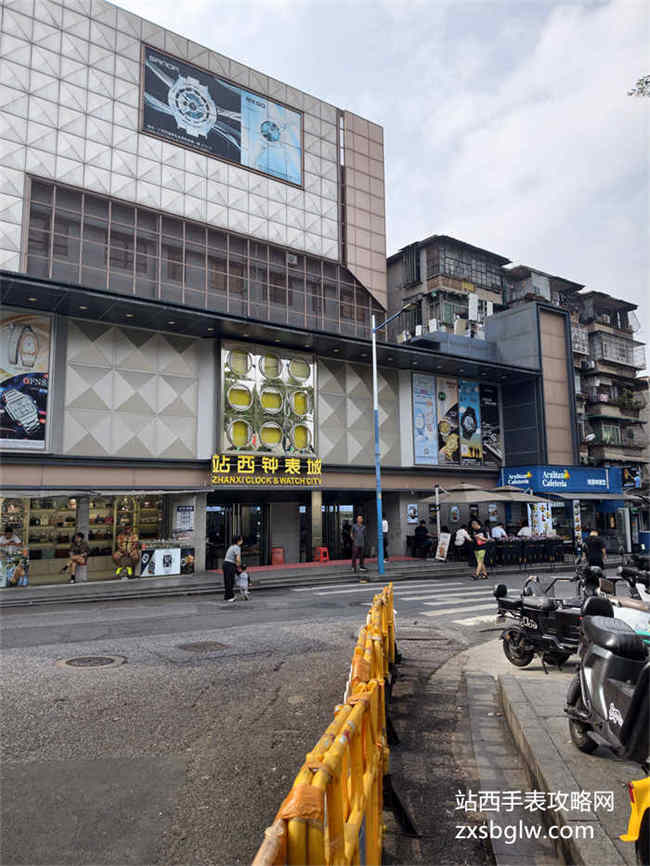
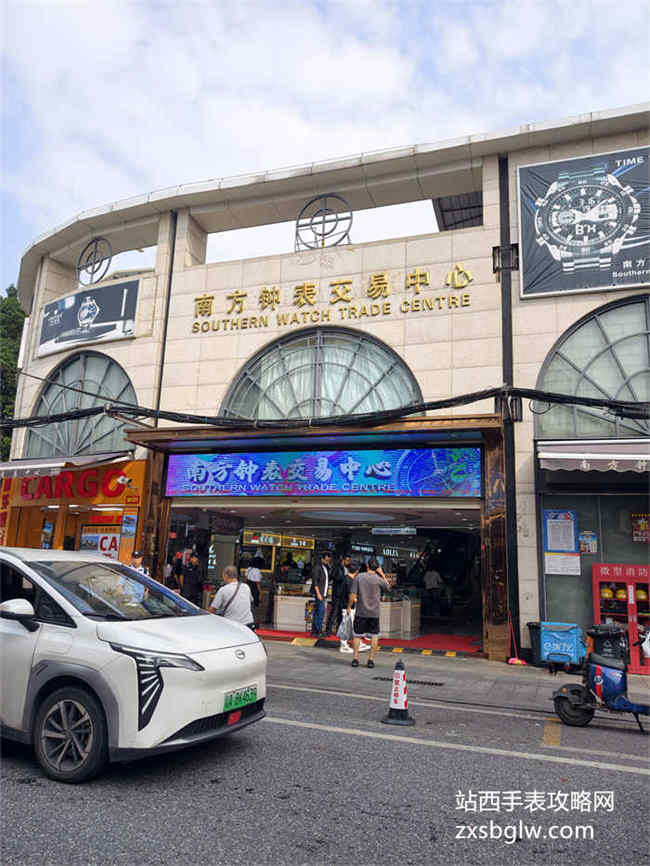
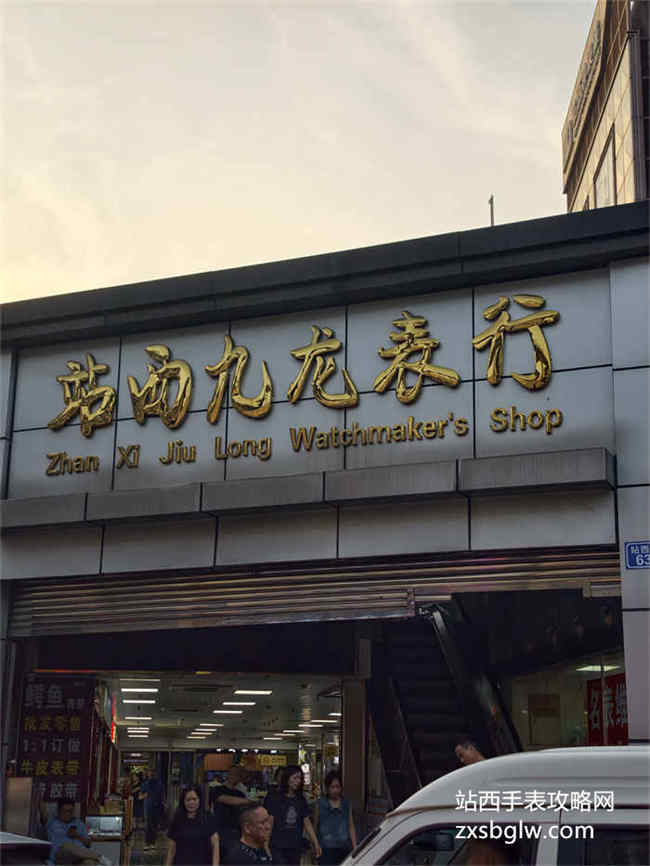
I've been standing behind the counter at my stall in the Zhanxi Night Market for over fifteen years. While the tourists and first-time buyers are busy snapping photos of the neon lights, I'm counting stacks of boxes and checking serial numbers under a magnifying glass. If you think buying high-quality replica watches from Guangzhou is just about walking into a shop and paying cash, you're already halfway to getting ripped off. The Zhanxi watch market isn't a single building; it's a sprawling ecosystem of underground factories, hidden showrooms, and aggressive street-side vendors that only open their doors when the sun goes down. Let me walk you through exactly how we operate here, so you can navigate this maze without losing your shirt.
Why "Night" Matters More Than You Think
Most people arrive at the Zhanxi area around 6 PM, thinking they have time to browse. That's a mistake. The real action starts after 9 PM. During the day, many of the top-tier suppliers are either packing orders for overseas clients or resting after a long shift at the factory floor. By nightfall, the atmosphere shifts. The air conditioning hums louder, the music gets slightly more upbeat, and the serious buyers—those who know what they want—start filtering in. This is where the "Zhanxi night market watch brands" scene truly comes alive. It's not about the flashy storefronts on the main street; it's about the back rooms where the actual inventory lives. I've seen buyers waste three hours looking at display cases full of junk, only to find the real gems locked away until midnight.
Navigating the Floor: Where the Good Stuff Hides
The Myth of the Main Street Stalls
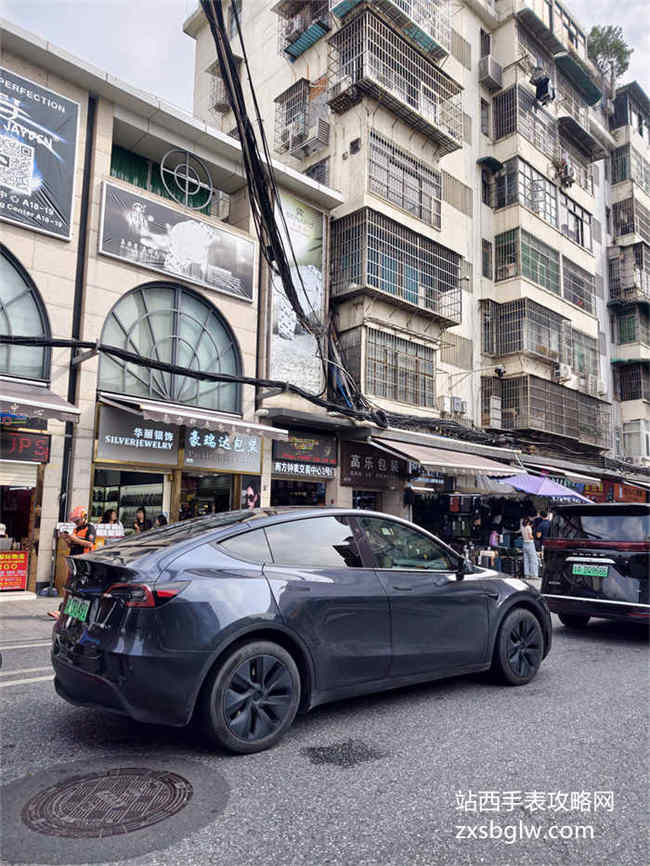
If you walk straight into the main corridor of the Zhanxi market, you will see hundreds of stalls selling "Rolex," "Patek," and "Audemars Piguet." Don't be fooled. These are the window displays designed for the uninitiated. They often sell low-grade copies with poor movement accuracy and cheap plating that fades within months. As a local owner, I tell my regulars: ignore the front row. The serious business happens on the upper floors or in the alleyways connecting the buildings. For instance, if you are looking for the famous "N Factory" or "VS Factory" movements, you need to head to the specific blocks known for high-end replication. We don't advertise these locations on Google Maps because we don't need the foot traffic of tourists; we need repeat clients who understand quality.
How to Spot a Genuine Supplier vs. a Middleman
One of the biggest pitfalls for overseas buyers is dealing with middlemen who claim to be direct factory owners. Here is a trick I use every single day: ask them to show you the movement. A true supplier will happily take the watch apart and show you the inner workings. They will point out the laser-engraved details on the balance wheel or the specific finishing on the gears. If a vendor hesitates, says "it's too delicate," or tries to rush you to pay before inspection, run. In my experience, about 40% of the stalls in the main hall are just resellers buying from the real factories down the street and marking up the price by 30%. When you buy directly from the source, like the workshops near the Zhanxi Night Market, you get better pricing and better quality control.
The Art of Inspection: What I Look For Before I Pay
Movement Accuracy and Weight
When I am vetting a batch of watches for my own stock or for a VIP client, the first thing I check is the weight. High-quality replicas use solid stainless steel, often 316L, which gives them a substantial heft. Cheap fakes feel light and hollow. Next, I listen to the tick. A genuine Swiss movement ticks smoothly, but even the best clones have a distinct rhythm. I use a timing machine to measure the deviation. If a watch claims to be a "Super Clone" but deviates by more than -5 seconds a day, I reject it. I've seen buyers spend $800 on a watch that was actually a $200 piece because they didn't test the movement. At my stall, we guarantee our pieces stay within -3 to +3 seconds per day, which is industry standard for top-tier production.
Dial Details and Luminescence
The devil is in the details. Look at the indices. Are they perfectly aligned? Is the font sharp or blurry? On the lower-end models sold in the tourist traps, the logo is often slightly crooked or the color is off. In the high-end sector of the Zhanxi market, the dial printing is flawless. Another critical factor is the luminescence. I compare the glow of the hands against a reference photo. Cheap versions fade quickly or glow green instead of blue. I remember one time a buyer tried to pass off a "Grade A" watch as a "Grade AAA" piece. I caught it immediately because the lume was uneven and the case back engraving was too shallow. Never trust a seller who won't let you inspect these specifics under a bright light.
Dealing and Logistics: Getting Your Goods Out
Negotiation Tactics That Actually Work
Haggling is expected here, but there is a right way and a wrong way. If you start by offering half the asking price, you insult the vendor and end the deal. Instead, establish a relationship first. Ask about the factory origin, the movement type, and the warranty policy. once you show you know the product, you can negotiate based on volume. For example, if you are ordering ten pieces, you can easily knock 15-20% off the unit price. I always advise my international clients to build a rapport with a few trusted suppliers rather than hopping from stall to stall. Trust is the currency of the Zhanxi market. When a supplier knows you are a serious buyer, they will hold the best stock for you and alert you to new arrivals before they hit the general market.
Shipping and Customs Risks
once you have paid, the next challenge is getting the goods to your country. Many buyers panic about customs seizures. The key is to choose a shipping method that matches your risk tolerance. Express couriers like DHL or FedEx are fast but highly monitored. They often seize packages labeled as "watches" or "luxury goods." The smart move is to use a specialized forwarder who specializes in "grey market" items. They know how to declare the value correctly and package the items discreetly. I have worked with several logistics partners in Guangzhou who handle thousands of shipments monthly. They ensure the packaging looks like ordinary accessories, reducing the chance of inspection. Always ask your supplier for their recommended shipping partner; they usually have the best rates and most reliable channels.
Summary of Key Takeaways for Buyers
| Factor | Beginner Mistake | Veteran Strategy |
|---|---|---|
| Location | Buys from main street display stalls | Visits upper floors/back rooms after 9 PM |
| Quality Check | Relies on photos and verbal promises | Inspects movement, weight, and lume personally |
| Pricing | Offers rock-bottom prices immediately | Negotiates based on volume and relationship |
| Shipping | Uses standard express mail without advice | Uses specialized forwarders for grey market goods |
The Zhanxi night market is a beast that rewards knowledge and patience. It is not a place for impulse buys. Whether you are sourcing for your own boutique or looking for a personal collection piece, understanding the nuances of the Guangzhou watch wholesale market is essential. The difference between a $50 disappointment and a $300 masterpiece lies in your ability to navigate the stalls, verify the quality, and build trust with the right suppliers. I've seen too many people leave empty-handed or with regret because they treated this market like a typical retail store. Remember, the real deals are hidden in the shadows, waiting for those who know how to look.