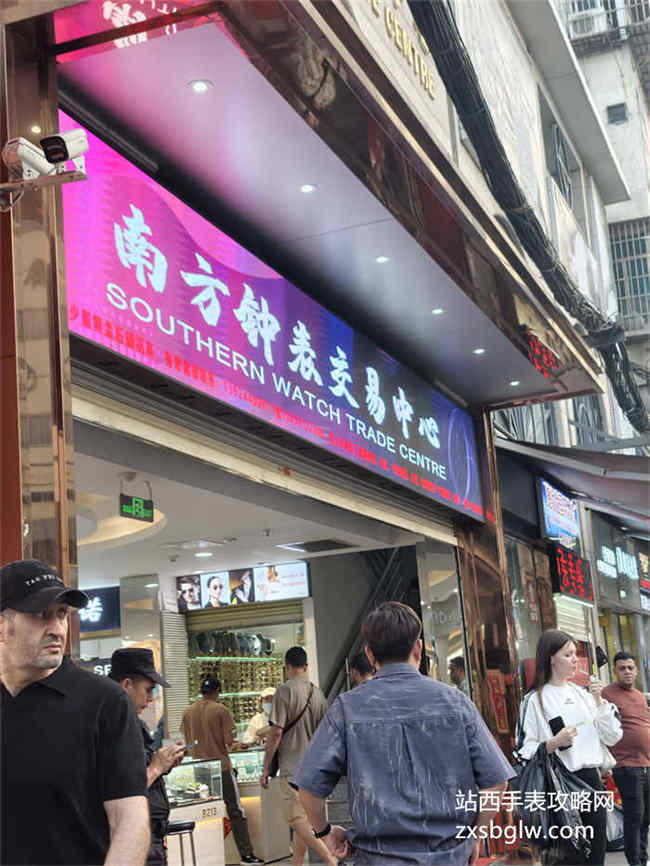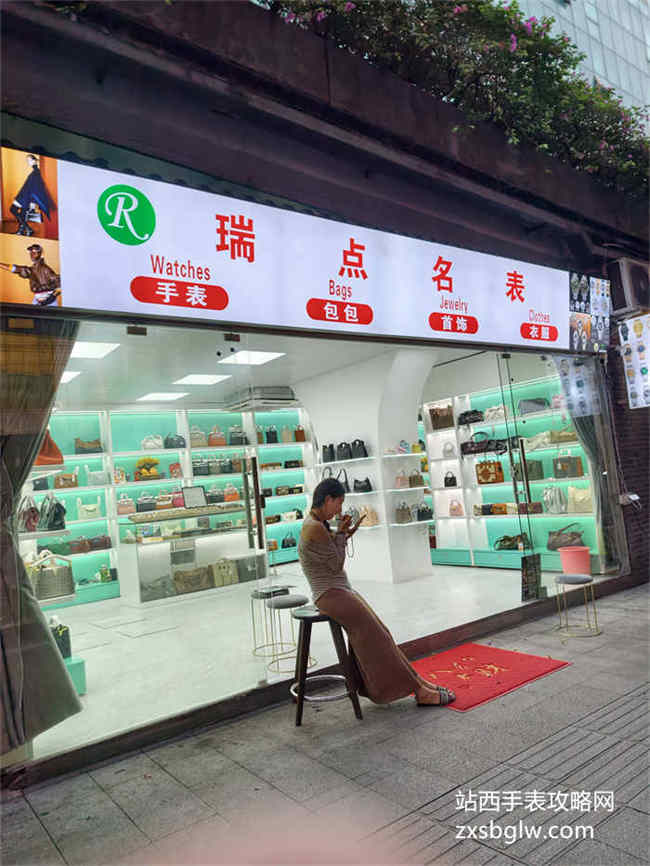
The Real Talk on Sourcing from Guangzhou Station West
Welcome to the trenches. I've been standing behind this counter in the Zhanxi market for over fifteen years, watching the dust settle and the trends shift like sand in a storm. You hear a lot of noise online about "Station West parrot watches" or those colorful, quirky timepieces that look like they belong on a cartoon character's wrist. Let me cut through the marketing fluff right now: there is no such thing as an official factory brand called "Zhanxi Little Parrot." What you are seeing on TikTok or Instagram are likely high-end replicas or custom-modified pieces sourced directly from the chaotic, vibrant alleyways of Guangzhou.
When overseas buyers ask me about these specific items, they usually think they are looking for a unique niche product. In reality, they are stumbling into the world of "custom mods" where local artisans take standard movements and slap on colorful, bird-themed dials or straps. If you want to find these, you don't go to a corporate showroom; you have to get your hands dirty in the wholesale markets. This isn't about buying a luxury item; it's about sourcing the kind of eye-catching, low-cost fashion accessories that move fast in the US and European streetwear scenes.
Navigating the Chaos: Finding the Right Stall
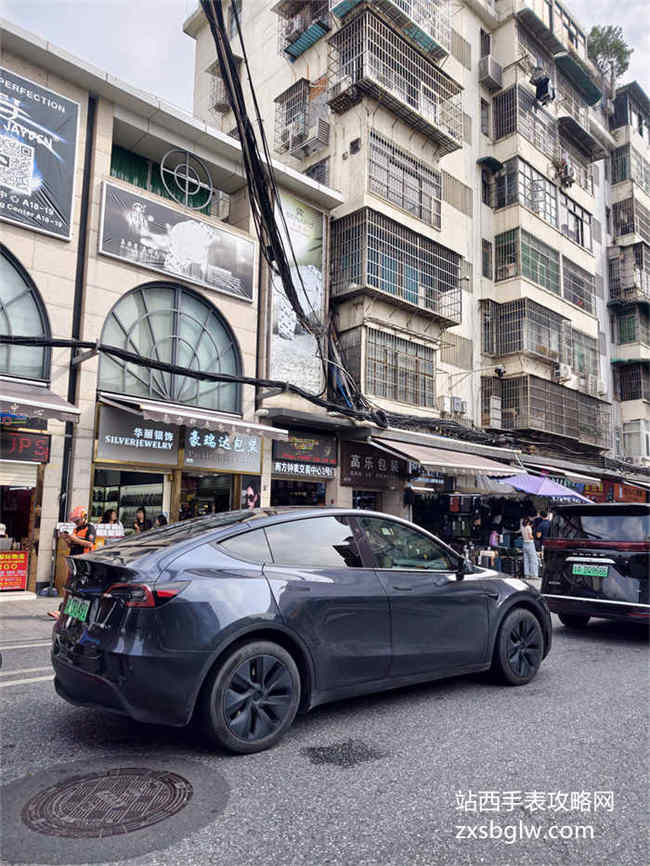
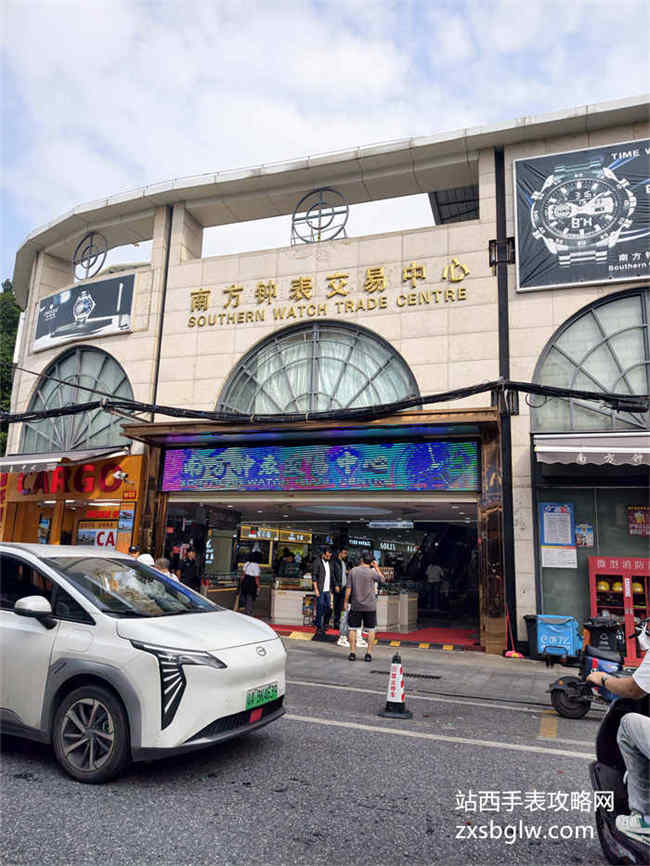
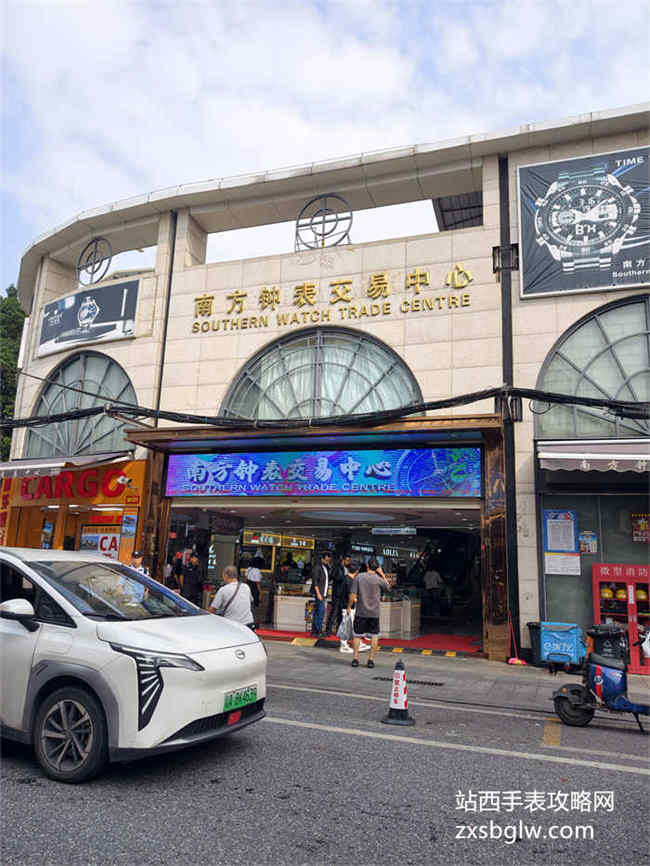
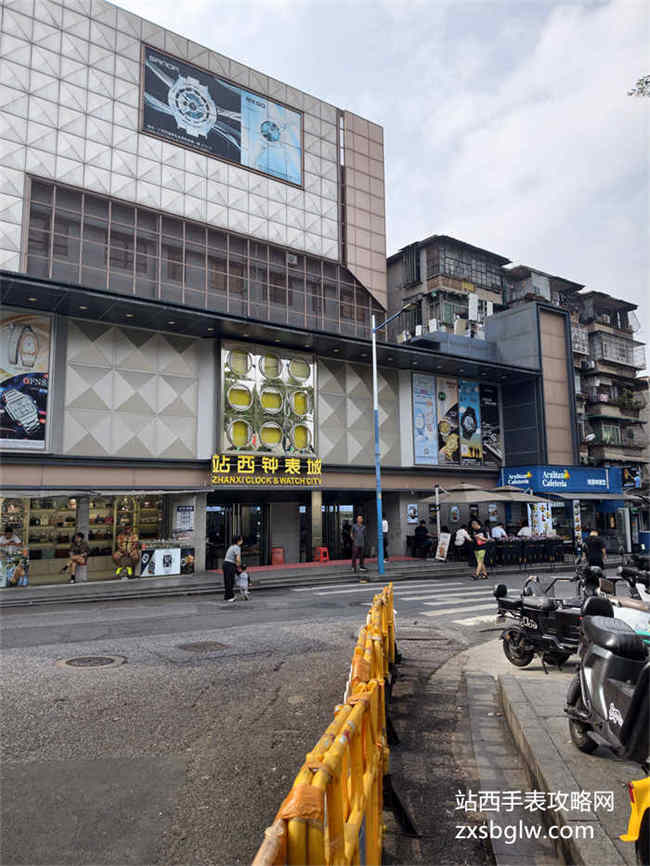
The first mistake most new importers make is walking into the main building expecting to find a dedicated "Parrot Watch" section. It doesn't exist. The Zhanxi market is a labyrinth of narrow corridors, stacked boxes, and shouting vendors. To find the specific style you are hunting for, you need to head to the older buildings, specifically around Building 10 and the side alleys connecting to Building 5. These areas are where the smaller workshops and custom modification stalls operate.
The Art of the "Look-Alike"
Here is the truth about what people call "Little Parrot watches." Most of them are actually modifications of generic Seagull or Miyota movements housed in cases painted with bright enamel. The "parrot" element is often just a dial print or a custom strap. When I walk the floor, I ignore the flashy displays at the front. I look for the stalls with the messy tables covered in loose parts—straps, bezels, and dials scattered everywhere. That is where the customization happens.
I remember one stall owner, Uncle Lin, who has been here since 2008. He sits on the second floor of a small annex near the back exit. He doesn't have a sign saying "Parrot Watches." Instead, he has a wall of colorful dials. If you show him a picture of a parrot watch you saw online, he can source the dial within two hours. His price point? Around $4.50 per unit for a bulk order of 500 pieces. Compare that to the $15-$20 retail price you see on Amazon, and you realize why the margins are so attractive for dropshippers.
Inspection and Quality Control: Don't Trust Your Eyes Alone
Buying from Zhanxi requires a different set of eyes than buying from a department store. The "quality" varies wildly even within the same stall. When I inspect these colorful watches, I focus on three things: the movement smoothness, the dial printing clarity, and the strap durability.
The Movement Check
Many cheap versions use a noisy, ticking quartz movement that sounds like a clockwork toy. For the "Little Parrot" aesthetic, you want a silent sweep if possible, but honestly, for this price range, a reliable Japanese clone movement is better than a fancy Chinese one that breaks in a month. I always bring a loupe to check the dial printing. If the parrot feathers look blurry or the colors bleed into each other, walk away. That indicates a poor screen-printing process that will fade after a few weeks of wear.
Data point from my last shipment: Out of 1,000 units ordered from a random stall, 15% had defective straps that snapped within a week. However, when I negotiated with Uncle Lin and insisted on a pre-shipment inspection, the defect rate dropped to under 2%. The difference was paying an extra $0.10 per unit for a quality control check. It saved me thousands in returns later.
Negotiation Tactics and Pricing Secrets
You cannot negotiate like a tourist. If you walk in asking for the "best price," you will get the tourist price. The locals know exactly how much margin you expect. My strategy is simple: act like a regular buyer who knows the market. I never start by asking for a quote. I start by picking up a watch, checking the weight, and making a comment about the material quality.
The Volume Game
Pricing in Zhanxi is tiered. A single piece might cost $6, but 100 pieces drops it to $4.50. However, the real magic happens at 500+ units. At this level, you can push the price down to $3.80 or even lower if you are willing to wait for production. I once secured a deal for 2,000 units of a similar colorful design for $3.20 per unit. The vendor initially quoted $4.00. I told him, "I am taking 2,000, but I need the price to match the Shenzhen market rates." He laughed, checked his ledger, and came down to $3.20. Why? Because he knew I was serious and would be back next season.
Also, don't forget to negotiate shipping terms. Many vendors offer FOB (Free on Board) prices, meaning you handle the freight from Guangzhou. But if you are a repeat customer, they might include the trucking fee to the port. Always clarify if the price includes the packaging box. Custom boxes with your logo can add $0.50 to the unit cost, which eats into your margin if you aren't careful.
Avoiding the Pitfalls: What I Learned the Hard Way
There are traps everywhere in this market. The biggest one is the "sample vs. bulk" discrepancy. A vendor might send you a perfect sample with a flawless parrot dial and a premium strap. When the bulk order arrives, the dial is duller, and the strap feels like plastic. This happened to me in 2019. I lost $12,000 because I didn't insist on a "golden sample" agreement.
The Golden Sample Rule
Now, I never ship without a signed golden sample. I take a physical watch, seal it in a bag, and have the vendor stamp it. This becomes the reference for the entire batch. If the final goods don't match this sealed sample, I reject the whole shipment. Another pitfall is the "fake brand" trap. Some vendors try to sell watches with logos that infringe on major brands. Do not touch these. Customs in the US and EU are cracking down hard on counterfeit goods. Stick to generic designs or your own branding. The "Little Parrot" concept is safe as long as it doesn't copy a specific trademarked character design.
Summary of Sourcing Strategy
To wrap this up, sourcing from Guangzhou Station West for niche items like these colorful watches is all about relationships, inspection, and volume. Here is a quick cheat sheet based on my experience:
| Factor | Beginner Mistake | Pro Strategy |
|---|---|---|
| Location | Main lobby, big signs | Side alleys, 2nd floor, messy tables |
| Vendor | Any stall with stock | Specialized modders like Uncle Lin |
| Pricing | Ask for "best price" | Negotiate based on volume tiers ($500+) |
| Quality | Trust the sample | Seal a "Golden Sample" for bulk comparison |
| Risk | Ignore IP laws | Stick to generic designs, avoid trademarks |
If you are ready to dive into the Guangzhou station west watch market, come prepared. Bring a notebook, a magnifying glass, and a thick skin. The deals are there, but they are hidden in the noise. once you build a relationship with a reliable vendor, you won't just be buying watches; you'll be unlocking a supply chain that keeps your inventory fresh and your margins healthy. Remember, in Zhanxi, the best deals are made with those who know how to listen more than they speak.