What's the Real Price of Zhanxi Watches? A Veteran Shop Owner's Truth
Welcome to Guangzhou. If you are reading this, you probably think you know what "Zhanxi watches" cost. You've seen the TikTok videos, the Instagram ads, and those crazy low prices on random e-commerce sites. But let me tell you something straight from my shop floor in the heart of the Liuhua District: the price you see online is often a trap, and the real price depends entirely on who you are talking to and how deep you dig into the market.
I have been standing behind this counter for over fifteen years. I've watched the market evolve from small stalls selling fake Rolexes to a sophisticated hub where high-end replicas, custom OEMs, and genuine factory-direct goods coexist. When people ask me, "What is the price of Zhanxi watches?", I don't give them a single number. That would be lying. The answer ranges from $15 for a basic quartz movement to $300+ for a top-tier 7750 clone with sapphire crystal. Let me break down exactly how we calculate these numbers so you don't get ripped off when you come here or order remotely.
The Three Tiers of Pricing: What Are You Actually Buying?
In the Zhanxi market, price isn't just about the brand logo; it's about the movement, the materials, and the finishing. We categorize our inventory into three distinct tiers, and understanding this is the first step to avoiding scams.
The Entry-Level: The $15-$40 Range
This is what most tourists and casual buyers end up with. These watches usually feature generic Chinese movements, mineral glass that scratches easily, and plating that fades after a few months. In my experience, if a buyer asks for a "Rolex Submariner" for $25, they are getting exactly what they pay for. It looks okay from ten feet away, but put it under a loupe, and the flaws are obvious. I always warn my overseas clients against buying these as "investment pieces." They are fashion accessories, not horology. The profit margin for me on these is thin because the competition is fierce, and everyone sells them.
The Mid-Range: The $60-$120 Sweet Spot
This is where the serious business happens. Here, you start seeing Seagull ST2130 movements, better stainless steel alloys (often 316L), and improved dial printing. A watch in this tier might cost me $80 to source, and I sell it to a reseller for $110. The difference between this and the entry-level is durability. These watches can last years if maintained. Many overseas buyers think they are getting "Grade A" quality at this price, but honestly, true Grade A starts higher. This tier is perfect for daily wearers who want a look without breaking the bank.
The Top Tier: The $150-$350+ Collection
Now we are talking about the "Super Clone" market. This is where the magic happens. We are using Swiss ETA clones, Miyota 9015 movements, or even modified 7750 calibers. The cases are machined to within microns of the original. The bezel action is crisp, the lume glows all night, and the weight feels substantial. For example, a top-tier Omega Speedmaster replica here costs around $220 wholesale. Why so much? Because the tooling costs are high, and the QC (Quality Control) is strict. I personally reject 30% of these units before they even hit the shelf. If you find one for $50 claiming to be this quality, run. It's a scam.
Inside the Market: How to Navigate the Stalls Like a Pro
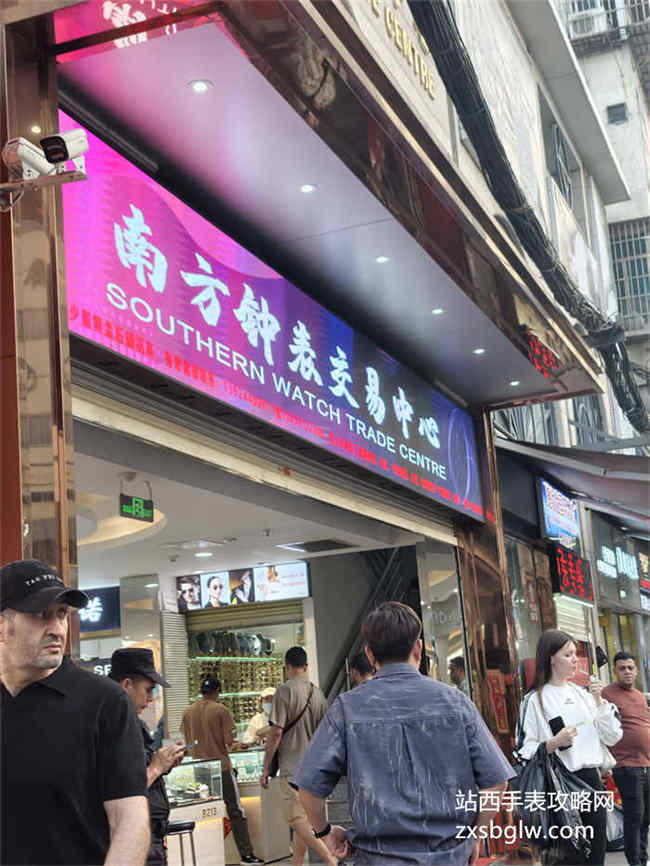
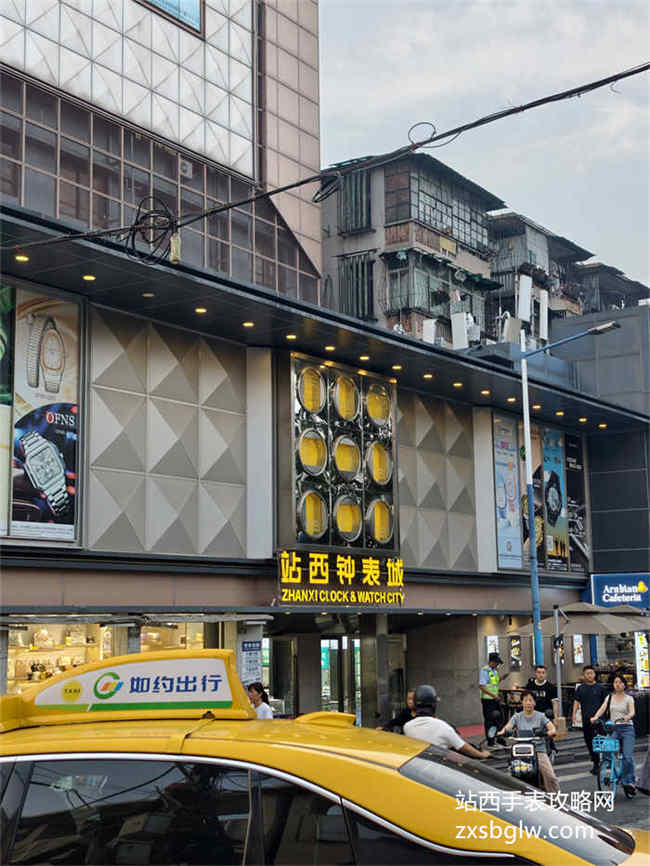
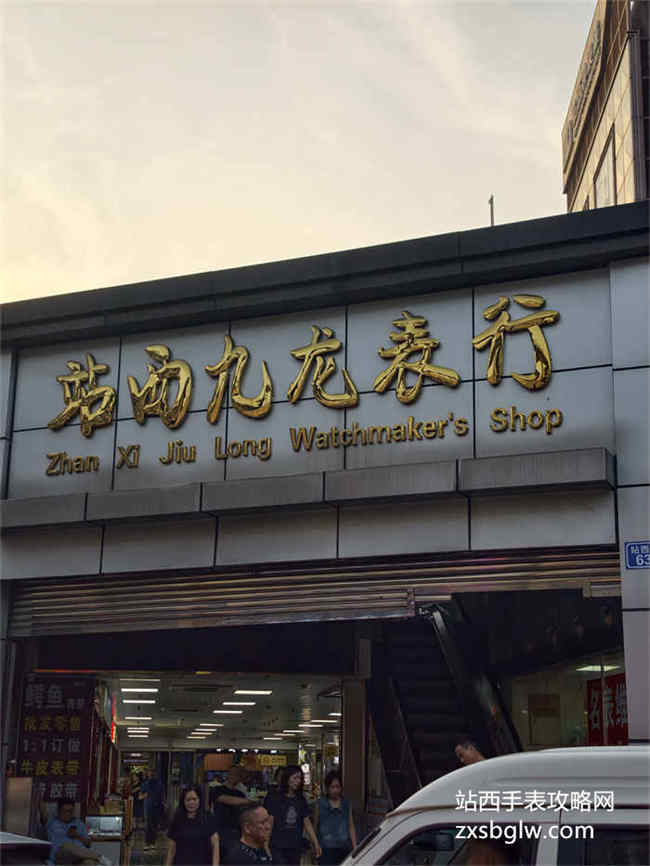
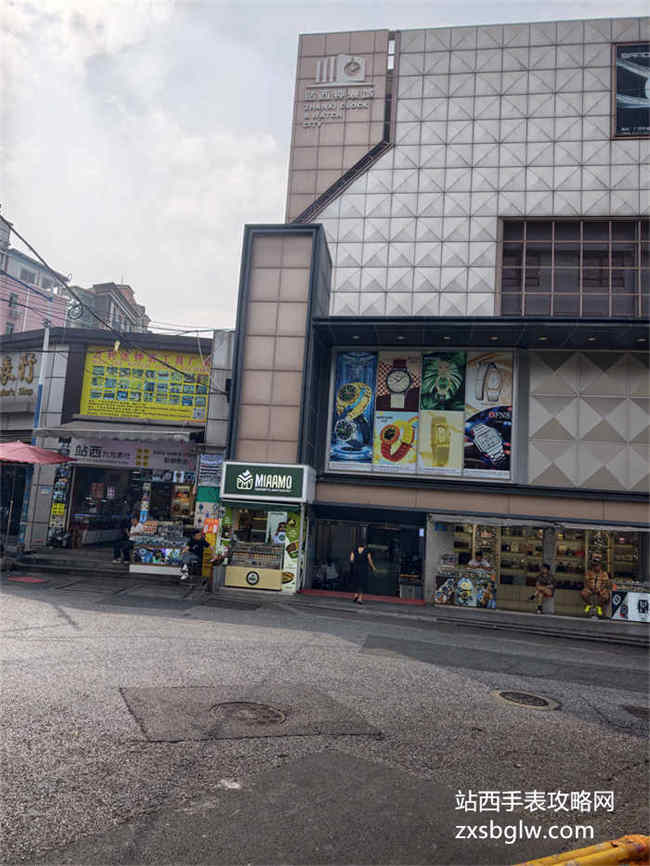
You cannot just walk into Zhanxi and expect to find the best deals. The market is a maze of buildings like the Zhongda Building, the Xingfa Building, and the famous Zhanxi Plaza. Each building has its own vibe and pricing structure.
Location Matters: Where to Find the Good Stuff
If you are looking for the absolute best quality, avoid the ground floor of the main plazas. Those shops cater to tourists and mark up prices by 50%. Go upstairs. Specifically, head to the 3rd and 4th floors of the Xingfa Building. That is where the wholesalers operate. I have a friend, Uncle Lin, who runs a stall on the 4th floor of Xingfa. He doesn't advertise on social media. His stock is hidden behind a curtain. He only talks to repeat customers. If you go there asking for "cheap," he will laugh at you. But if you ask for "high-quality 7750 movement," he pulls out his best boxes. That is the secret: location dictates quality.
The Art of Negotiation: Don't Show Your Hand
Negotiating in Zhanxi is an art form. Never say, "I want to buy one." That screams tourist. Always say, "I am opening a store in Dubai/London/New York and need to test your supply chain." Even if you are buying five pieces for yourself, act like you are testing bulk orders. Start your offer at 40% of their asking price. If they say $100, offer $60. Then meet in the middle. I remember a time a client offered $20 for a top-tier watch. The vendor didn't even blink; he just pointed to the door. Respect is key. If you treat the vendors like partners, they will show you their best inventory. If you treat them like ATMs, you get the leftovers.
Inspection and Quality Control: The Do's and Don'ts
once you agree on a price, the real work begins. You must inspect every single watch. I have seen too many buyers ship containers full of defective goods because they trusted a photo.
Check the Movement First
Open the case back. Is the rotor smooth? Does it tick loudly? A cheap watch often has a loud ticking sound due to poor lubrication. Look at the engraving inside the case back. Is it sharp or blurry? On a $200 watch, the engraving should be laser-sharp. Also, check the date change mechanism. Does it snap instantly at midnight, or does it drag? This is a common failure point in lower-tier copies.
The Weight and Feel Test
Pick up the watch. Does it feel light as a feather? Cheap zinc alloy is used in fakes. High-quality replicas use solid 316L stainless steel. The weight difference is noticeable immediately. Also, check the bracelet links. Do they rattle? A good bracelet should be tight and silent. If the links are loose, the tolerances are off, and the watch will fall apart in six months.
Common Pitfalls and My Personal Lessons Learned
I have made mistakes too. Early in my career, I tried to cut corners on shipping to save money. I sent a batch of watches via a slow courier, and half of them were damaged in transit. Since then, I only use DHL or FedEx for international shipments, even if it costs more. The extra $20 per box is worth it to ensure the package arrives intact.
Another mistake I saw others make was ignoring the "after-sales" policy. In Zhanxi, some vendors promise repairs for free. But when the watch breaks, they disappear. Always get a written agreement, even if it's just a WhatsApp message confirming the warranty terms. I recommend sticking to vendors who have been in the market for at least 5 years. New stalls often vanish overnight.
Summary: Your Action Plan for Zhanxi Sourcing
To wrap this up, here is a quick cheat sheet based on my years of experience. Use this table to guide your next purchase decision.
| Category | Wholesale Price Range | Movement Type | Best For | Risk Level |
|---|---|---|---|---|
| Entry-Level | $15 - $40 | Generic Quartz/Chinese Auto | Fashion, Gifts | Low (Durability) |
| Mid-Range | $60 - $120 | Seagull ST2130 / Miyota | Daily Wear, Resellers | Medium |
| Top Tier | $150 - $350+ | ETA Clones / 7750 / 3135 | High-End Collectors, Luxury Reps | Low (if inspected) |
Remember, the price of Zhanxi watches is not fixed. It fluctuates based on material costs, exchange rates, and the specific model you want. But the golden rule remains: you get what you pay for. If you want the best, you have to invest in the right tier, visit the right floors, and build relationships with the right vendors. Don't rush. Take your time, inspect thoroughly, and trust your gut. That is how you succeed in the Guangzhou watch market.