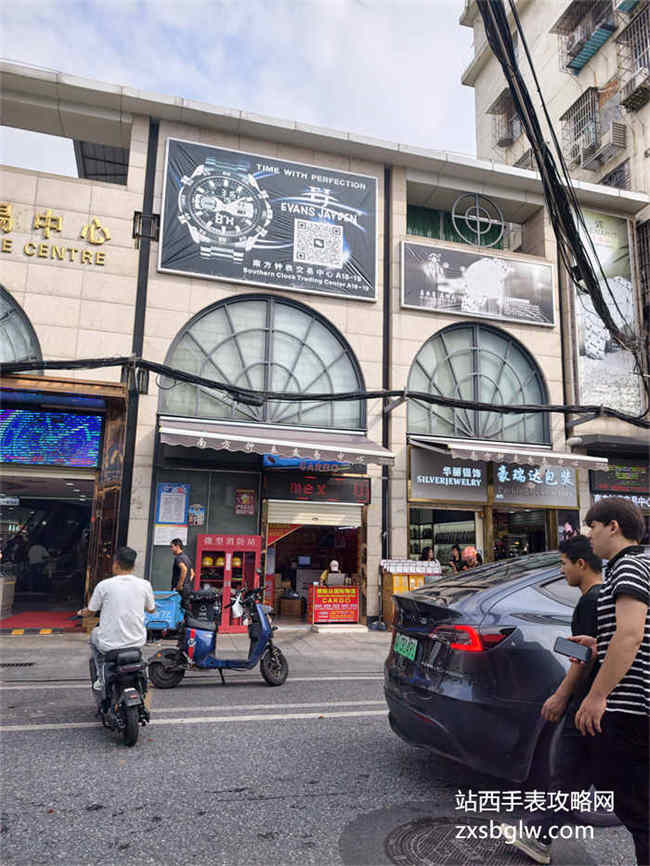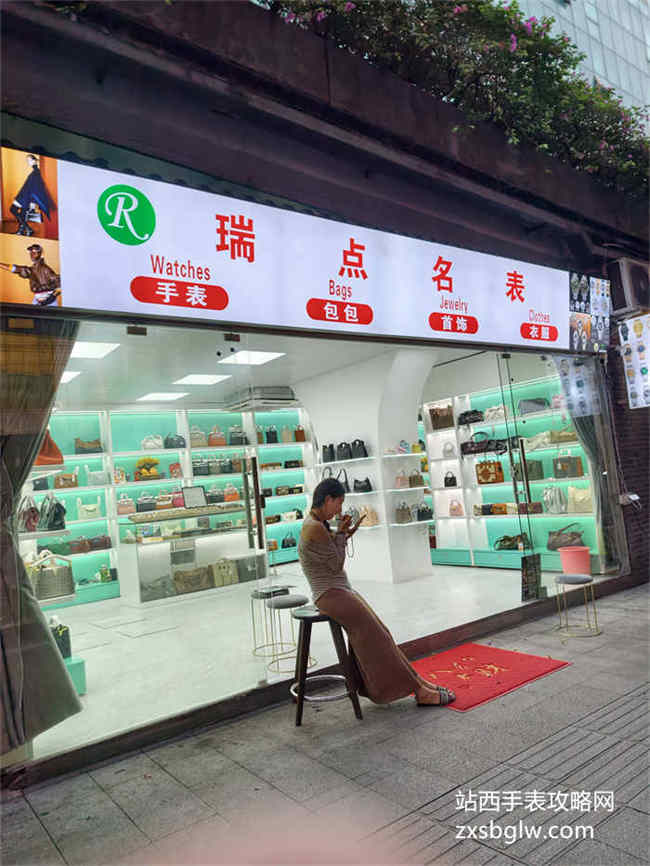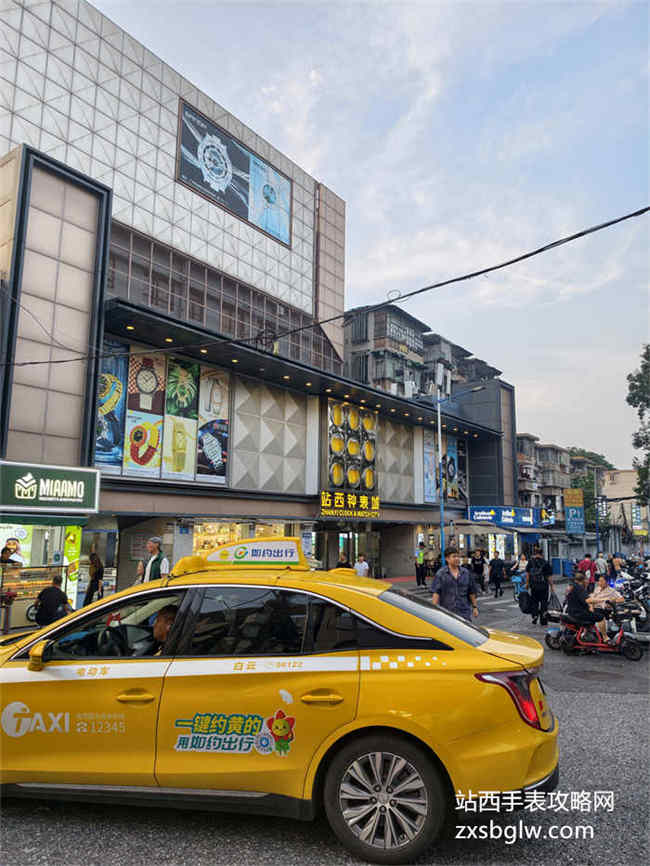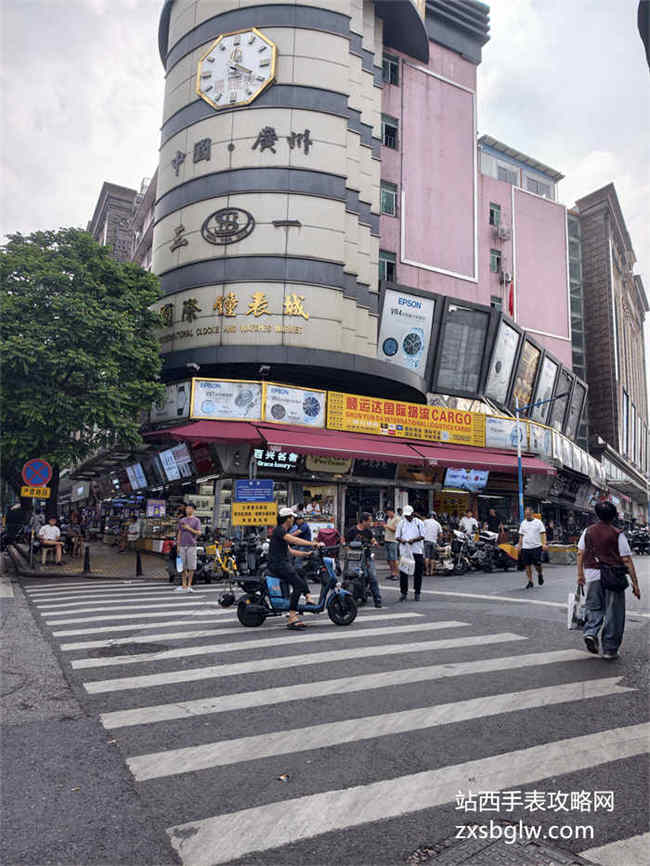
The Real Pulse of Guangzhou: Why Station West Watches Still Rule the Market
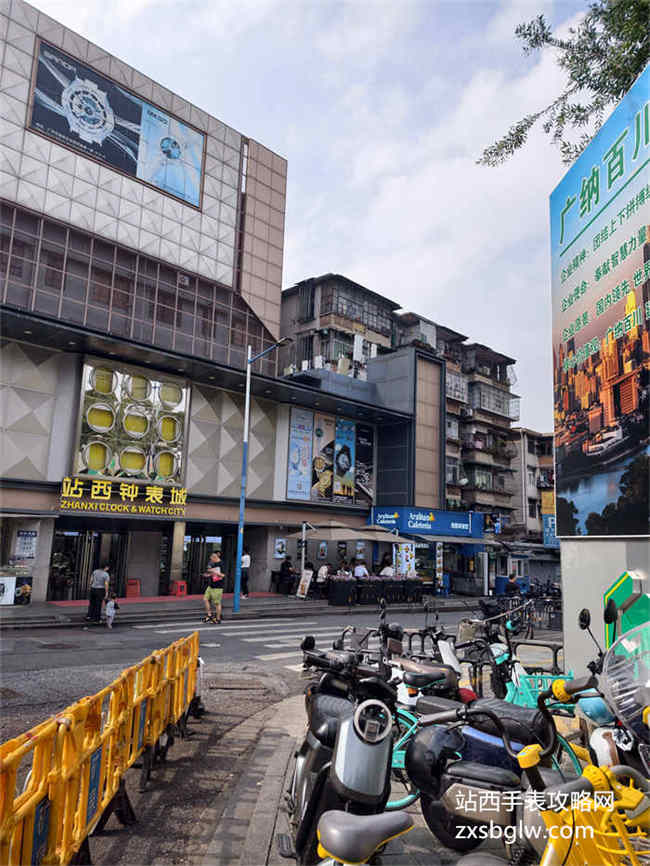
I've been standing in the same spot at the Station West Watch Market for over fifteen years. While the internet screams about "dropshipping" and "online sourcing," I still see trucks full of boxes arriving every morning at 4 AM. If you think you can find the real deal just by scrolling through a website, you're already behind the curve. The magic isn't in the digital catalog; it's in the dust, the noise, and the handshake deals that happen on the third floor of Building C.
The Myth of the "Factory Direct" Price
Let me tell you something most online agents won't admit to you. When you ask for "Station West watch movements" from overseas, they often send you photos of generic Seagull or Miyota clones with a markup of 300%. That is not how we do business here. The real value lies in the specific batch numbers and the unbranded cases sitting in the back rooms. I remember a client from Texas who thought he was getting a steal on a "Grade A" movement. He paid $15 per unit. Two weeks later, he opened the box, and the balance wheel was off by two millimeters. He had bought a sample from a tourist trap stall, not the actual production line.
Navigating the Labyrinth: Where to Actually Find Quality
Walking into the market without a plan is like walking into a casino without chips. You will get lost, and worse, you will get ripped off. The market isn't one big open hall; it's a dense network of corridors where the air smells like oil and soldering iron. To find the best Guangzhou Station West watches, you need to know exactly which floors hold the serious manufacturers versus the middlemen.
Building C: The Heartbeat of Movement Supply
If you are looking for the core components, specifically the movements that power these timepieces, head straight to Building C. This is where the heavy hitters operate. On the second floor, you'll find stalls dedicated solely to high-tolerance automatic movements. These aren't the cheap quartz units you see in department stores. We are talking about 21-jewel and 25-jewel mechanisms that mimic the Swiss ETA 2824-2 but at a fraction of the cost.
Here is a hard truth: Do not talk to the guy at the front counter. They are there to show you the "hero product"—the one that looks perfect but has hidden flaws. Ask for the manager or the person who handles the "back room stock." I once negotiated a deal for 500 units of a specific clone movement. The front desk quoted me $12. The boss came out, saw I knew what I was looking for (I asked about the beat rate stability), and gave me the real price of $6.50. That difference is your profit margin.
Building B: The Case and Dial Specialists
once you have the movement, you need the housing. Building B is where the craftsmanship happens. This is where you inspect the sapphire crystals, the stainless steel cases, and the dial printing quality. Many buyers make the mistake of buying the movement first and then trying to source the case separately. Don't do it. The best suppliers in Station West offer integrated solutions. They can match the movement caliber perfectly to the case dimensions, ensuring no gaps and proper alignment of the hands.
The Art of Inspection: What Your Eyes Must See
You cannot rely on photos sent via WhatsApp. In this industry, lighting can hide scratches, and angles can hide misaligned indices. When I am on the floor, I bring a loupe and a timing machine. Here is my checklist for every single unit before I even think about negotiating the price.
Checking the Beat Rate and Power Reserve
A movement might look beautiful, but if it loses 30 seconds a day, it is junk. I always test a random sample from the batch. For example, a standard clone movement should run between -10 and +15 seconds per day. Anything outside that range means the lubrication is poor or the hairspring is damaged. I also check the power reserve. Cheap versions often stop after 24 hours. The good ones, the ones I recommend to my long-term partners, hold a charge for 40 to 48 hours consistently.
The "Touch Test" for Materials
Don't trust the label that says "Sapphire Crystal." Some stalls use hardened mineral glass that scratches easily. Run your fingernail across the surface gently. Sapphire should feel slippery and hard. Also, check the weight. A genuine stainless steel case feels substantial. If it feels light and hollow, it's likely zinc alloy plated to look like steel. I've seen clients lose thousands because they didn't weigh the samples. The difference in density is immediate.
Negotiation Tactics: How to Speak Like a Local
When you walk into a stall, don't act like a tourist. Don't say, "How much?" Instead, ask, "What is the MOQ for this specific batch?" or "Can I see the latest production run?" Using terms like "MOQ" (Minimum Order Quantity) and "batch number" signals that you are a professional buyer. It changes the dynamic immediately.
The Sample Strategy
Never buy your first order without samples. But be careful. Some sellers give you "golden samples" that are perfect, while the mass production is inferior. My trick is to ask for three different samples from the same batch. Compare them. If they all look identical, you are safe. If one is slightly better than the others, ask why. Usually, the seller will reveal that the "better" one is a leftover from a previous run, and the current batch has a slight variation. Honesty builds trust, and trust gets you better prices.
Pricing Reality Check
Let's talk numbers. A high-quality automatic movement from Station West typically ranges from $5 to $9 depending on the complexity. A full assembled watch with a decent case and strap usually sells for $25 to $45 wholesale. If someone offers you a fully assembled luxury-looking watch for $10, run away. It's either stolen goods or a scam. The market is competitive, but the costs of materials and labor have gone up. A realistic price point ensures you aren't buying garbage.
Common Pitfalls and How to Avoid Them
I have seen too many new importers fail because they ignored the basics. Here are the biggest traps I've witnessed over the years.
| Pitfall | The Reality | The Solution |
|---|---|---|
| Buying "Original" Brands | There are no original Rolex or Omega parts sold openly here. | Focus on "homage" designs or generic high-quality movements. |
| Ignoring Shipping Costs | Couriers often charge extra for batteries and liquids in watches. | Ask for a DDP (Delivered Duty Paid) quote upfront. |
| Skipping the QC Step | 10% defect rate is common in low-end batches. | Always request a 5% buffer in your order quantity. |
| Trusting online Reviews Only | Reviews can be faked; the market is offline. | Visit the physical location and meet the owner. |
Final Thoughts: The Value of Being There
In the end, sourcing from Guangzhou Station West is not just about finding cheap parts; it's about building relationships. The people here respect those who respect the craft. When you stand in the aisle, smell the oil, and see the gears spinning under the microscope, you understand the value of what you are buying. Don't settle for a photo. Come to the market, touch the metal, listen to the tick, and negotiate face-to-face. That is the only way to get the real Guangzhou Station West watch experience and build a business that lasts.